
You wake up with a dull headache. By lunch you feel dizzy and a little sick to your stomach, and so does everyone else in the apartment. You chalk it up to a bug going around, then notice something odd: you feel better after a few hours at work, and worse again the night you come home. That pattern is one of the classic warning signs of carbon monoxide exposure, and it is often the first clue in the cases a carbon monoxide poisoning lawyer looks at across Queens, the other boroughs and Nassau. This guide walks through what the symptoms look like, where the gas usually comes from, and who may be legally responsible when a building, appliance or employer lets it build up.
First Things First: Get Out, Get Air, Get Help
Before any talk about claims, the practical steps are simple. If you suspect carbon monoxide, leave the space and get into fresh air. Call 911 from outside. Tell the dispatcher you think there is a gas problem so the fire department can bring meters. Then see a doctor, even if you start feeling better once you are outdoors. Carbon monoxide has no color and no smell, so how you feel in the moment is not a reliable gauge of how much you breathed.
The CDC’s carbon monoxide basics page describes the gas, the people most at risk and the common household sources. It is a good page to share with relatives who brush off the symptoms.
Is It the Flu or Is It the Air? A Side-by-Side Look
Carbon monoxide symptoms overlap heavily with a winter virus, which is exactly why so many exposures go unrecognized. A few differences tend to stand out, though none of them is a diagnosis. Only a doctor can sort that out.
| What you notice | More typical of a virus | More typical of carbon monoxide |
|---|---|---|
| Fever and body aches | Common | Usually absent |
| Who gets sick | Spreads person to person over days | Several people in the same home feel ill at the same time, sometimes pets too |
| Where you feel worse | Anywhere | Indoors at one location; symptoms ease after time away |
| Timing | Runs its course over a week or so | Flares when the heat, stove or water heater is running |
| Headache, dizziness, nausea, confusion | Possible | Very common, and confusion can become severe |
Where the Gas Comes From in New York Homes and Buildings
Carbon monoxide forms when fuel burns without enough oxygen or when exhaust has nowhere to go. In the apartment buildings, two-family houses and attached homes common across Queens and Nassau, the usual culprits include:
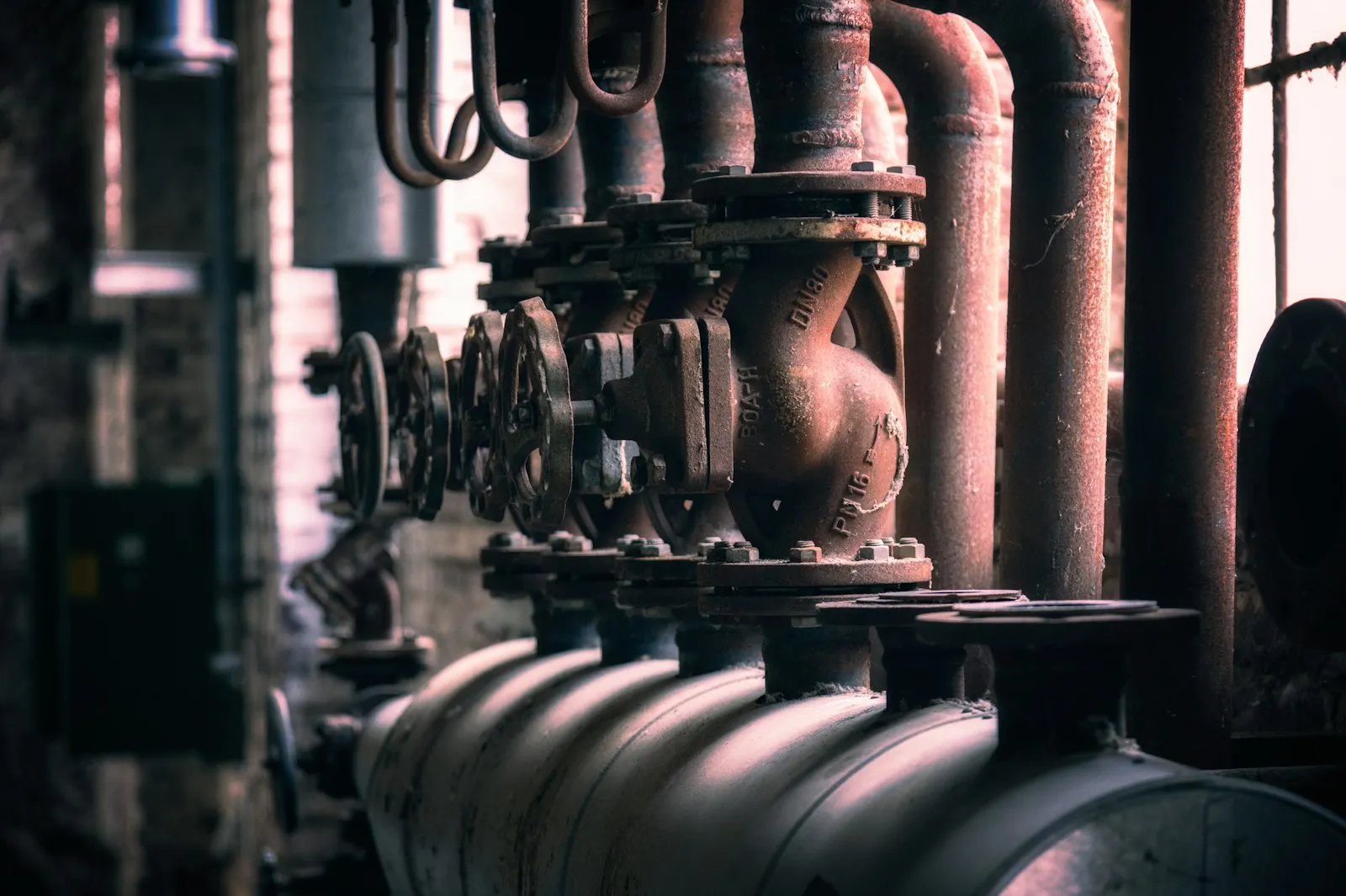
- A cracked heat exchanger, failing burner or poorly tuned boiler or furnace in a basement mechanical room
- A chimney or flue blocked by debris, a collapsed liner or a bird’s nest, so exhaust spills back into living space
- Gas stoves and ovens used for heat, or gas water heaters with disconnected or rusted vent pipes
- Portable generators run inside a house, basement or garage during a power outage
- A car left idling in an attached garage, with fumes drifting through a shared door or wall
- Fuel-burning space heaters, kerosene units and propane heaters used in closed rooms
- Wood fireplaces with a closed damper or a poorly drafting chimney
What New York Law Requires: Detectors and Repairs
New York’s statewide rule on alarms sits in Executive Law § 378. Subdivision 5-a, often called Amanda’s Law, requires an operable carbon monoxide detector in one- and two-family dwellings, condominiums, co-ops and multiple dwellings where the unit has appliances, devices or systems that may give off carbon monoxide, or where the home has an attached garage. New York City layers its own housing code requirements on top of that, which generally put obligations on building owners to install detectors in apartments. Some local rules also place maintenance duties on the occupant, such as replacing batteries, so the split of responsibility can vary by building and by town.
For apartment buildings, Multiple Dwelling Law § 78 is the repair statute. It makes the owner answerable for upkeep of the whole structure, components included, and a heating plant with its vents and chimney counts. When those systems decay and exhaust leaks into units, § 78 is usually the starting point for measuring a landlord’s duty.
Who Can Be Held Responsible
Carbon monoxide cases rarely have just one possible defendant, and a carbon monoxide poisoning lawyer will usually trace the gas back to its source before deciding who to name. The facts decide who belongs in the claim, and the list commonly includes:
Landlords and building owners
An owner who skips boiler servicing, ignores tenant complaints about fumes, leaves a cracked flue in place or never installs required detectors may be negligent. Notice matters. Prior complaints to the super or management company, 311 reports, and open housing violations can all establish that management was on notice, actually or constructively. Our guide on apartment injuries caused by landlord neglect goes deeper, while our property hazard and premises cases page lists the broader range of building claims we take on.
Heating contractors and repair companies
A company that installed a water heater without proper venting, or serviced a furnace and left it misadjusted, may share responsibility for what followed.
Manufacturers and sellers
When a space heater, generator or detector itself is defective, a product liability claim may reach the company that designed, built or sold it. Examples worth investigating include a detector that never sounded and a heater that vented exhaust into a room despite normal use.
Hotels and businesses
Guests have been sickened by pool heaters and boilers in hotels. If that happened during a stay, our article on hotel injury claims in Queens explains how a property’s duty to guests is measured.
Gas lines and appliances
A leak and a CO buildup are separate dangers that can share one neglected appliance. For leak, fire and blast cases, see our companion piece on gas explosion and gas leak injuries.
A Building-Owner Checklist (and What Tenants Can Look For)
Whether you rent or own, these are the conditions that tend to separate a well-run building from a dangerous one. If several are missing where you live, write them down with dates.
- Working CO detectors installed where the law calls for them, with test dates or a sticker
- Annual or seasonal boiler and furnace inspections, with a service tag on the unit
- Chimneys and flues cleaned and inspected, with no visible rust holes in vent pipes
- A boiler room that is locked, ventilated and free of stored junk blocking air intake
- Prompt written responses to tenant complaints about odors, soot or headaches
- No generators or fuel heaters used inside common areas during outages
- Garage doors and shared walls sealed where apartments sit above or beside parking
Injuries That Can Follow Exposure
Some people recover fully after treatment. Others do not. Serious or prolonged exposure can cause lasting harm to the brain, including memory trouble, difficulty concentrating, mood changes and headaches that persist for months, and doctors sometimes describe these effects in terms similar to a brain injury. Our guide to brain injury claims in NYC explains how cognitive symptoms are documented and proven. Exposure may also strain the heart, especially in people with existing heart conditions, though that depends heavily on the person and the level of gas.
New York law generally lets an injured person recover when a negligent defendant makes a pre-existing condition worse, so an older relative with a heart history is not shut out simply because they were already vulnerable.
In the worst cases, carbon monoxide kills, sometimes several members of one household at once. Families who lost someone can read about wrongful death claims and the separate deadline that applies to them below.
Evidence That Tends to Make or Break These Claims
Carbon monoxide disperses once windows open, so the physical proof fades quickly. Records fill the gap. Useful items include:
- Fire department readings. Responding units often measure parts-per-million levels in each room. Those numbers can be requested later.
- Utility shutoff or red tags. If a gas company technician turned off an appliance as unsafe, the tag and the service report describe what was found.
- Hospital records. Emergency rooms commonly run a blood test that measures how much carbon monoxide is bound to your hemoglobin. Because levels drop with fresh air and oxygen, the time of the test matters, so note when you left the apartment.
- Photos and video. Pictures of missing or unplugged detectors, soot around vents, the boiler room and service tags.
- Complaint history. Texts, emails and letters to management, 311 reference numbers and any housing violations on the building.
- Repair and inspection records. Invoices from heating contractors and chimney sweeps, which may have to be obtained through discovery once a case is filed.
- Your own notes. A running record of headaches, memory lapses and missed work. Our article on keeping a symptom diary shows a simple format.
Keep a defective heater, generator or detector rather than throwing it out. It may be the single most important piece of evidence in a product case.
When the Exposure Happens at Work
Warehouses with propane forklifts, mechanics’ bays, restaurant kitchens and construction sites with gas-powered tools in enclosed rooms all produce carbon monoxide risks. If you were exposed on the job, workers’ compensation is generally your only remedy against your own employer, under Workers’ Compensation Law § 11. Report the exposure to your employer in writing as soon as you can; the usual guidance is within 30 days.
Comp is not always the end of the story. A property owner, an equipment maker or a contractor that is not your employer can still face a negligence or product claim. Exposure on a building project may also raise Labor Law issues, which the firm handles through its work-related injury practice.
How Long You Have to Act
The deadline turns on who owns the building. Against a private landlord, contractor or manufacturer, CPLR § 214 generally allows three years from the exposure to file suit. Public housing is different. For a NYCHA apartment or another government-owned building, written notice usually has to be served within 90 days, with the suit itself generally due within a year plus 90 days. When someone died, relatives typically get two years, counted from the death, for a wrongful death action.
A sick child’s lawsuit clock is generally paused until adulthood, yet the 90-day notice requirement against a public owner can still bite, and permission to serve late is discretionary. Treat that window as firm.
Did you pull the batteries from a chirping alarm? That may matter, but under CPLR § 1411 a share of blame generally lowers the award in proportion instead of defeating the claim.
Talking to a Lawyer About What Happened
Attorney Yakov Mushiyev and his team take on injury cases for people from every corner of the city and Nassau, from a Rosedale office (1 Cross Island Plaza, Suite 325) just off the Cross Island Parkway. Their clients have collectively recovered over $80 million. A first conversation costs nothing, fees are owed only after a win, and you can speak in English, Russian or Spanish. Still too sick to travel? A home visit, a bedside meeting or a video session can be arranged. Phone 718.775.3110, or use this short contact form.
Carbon Monoxide Claim Questions People Ask
My landlord says the detector was my responsibility. Does that end my claim?
No, not by itself. Even where a local rule gives tenants some upkeep duties, the owner may still be responsible for installing required detectors and for keeping the boiler, flues and venting in good repair. A carbon monoxide poisoning lawyer would look at both the alarm and the source of the gas, since leaving a faulty heating system unrepaired can be negligence whether or not an alarm sounded.
Do I need to have passed out to have a case?
No. Many people never lose consciousness. What matters is proof of exposure, the injuries it caused and the conduct of whoever let it happen. Ongoing headaches, memory problems and missed work can all be part of a claim when doctors connect them to the exposure.
Can I bring a claim if a space heater I bought caused the problem?
Possibly. If the heater was defective or lacked adequate warnings and you used it as intended, the manufacturer or seller may be responsible. Keep the unit, the box and the receipt. If you were using a fuel-burning heater in a closed room against its instructions, comparative fault may reduce the recovery, but it generally does not erase it.
What if my whole family was sickened in a NYCHA apartment?
Each injured person may have a claim, and each person generally needs a separate notice served on the housing authority within the 90-day window. Gather the fire department report, any hospital records for every family member, and your complaint history with the development office, then speak with a carbon monoxide poisoning lawyer quickly so the notice deadline is not missed.
Is a carbon monoxide case handled like a car accident claim?
Usually not. Exposure at home, in a hotel or in a store is generally a premises or product case, so the no-fault system and the motor vehicle “serious injury” threshold that shape car crash claims do not apply. Workplace exposures run through workers’ compensation, with possible third-party claims alongside it.
Visit Yakov Mushiyev & Associates
Our office is at 1 Cross Island Plaza, Suite 325, Rosedale, NY 11422, just off the Cross Island Parkway on the Queens–Nassau border. If you can’t come to us, we’ll come to you: at home, in the hospital or by video.

Talk to a New York carbon monoxide poisoning lawyer today
Yakov Mushiyev & Associates has recovered over $80 million for injured New Yorkers across the five boroughs and Nassau County. Consultations are free, available in English, Russian and Spanish, and there is no fee unless we win.
Call 718.775.3110 or contact us online for a free case review.
This article is general information, not legal advice. Every case is different. Attorney Advertising.