
The first observation in most gas incident files is the smell of rotten eggs. Natural gas has no odor of its own, so distributors add a sulfur-based odorant before it reaches any home or business, and that sharp scent exists for one reason: to warn people that gas is escaping. When a building explodes or burns after the warning went unheeded or unreported, the questions that follow are the ones an investigator asks. Where did the gas come from, what lit it, and who controlled each piece of equipment along the way? A gas explosion lawyer works through those questions in the same order, one layer at a time, because the answers decide who can be held accountable.
What follows applies to blasts and gas-fed fires across Queens, the other boroughs and Nassau County, whether in a private house, an apartment building or a commercial property.
Fuel, Air and an Ignition Source
An explosion requires three conditions in one space at one moment: gas that has left the pipe, fitting or appliance meant to contain it; air in the right proportion; and something to light the mixture. In a typical building, ignition sources are everywhere. A pilot light, a refrigerator compressor cycling on, a light switch, a doorbell or a phone can supply enough energy.
For that reason, investigators rarely treat the spark as the cause in a legal sense. The person who flipped a switch in a gas-filled hallway is not usually the one at fault. Attention falls on the fuel: why gas collected where it never belonged, and whether anyone had reason to know about it beforehand.
Injuries Recorded After a Gas Incident
Harm comes from the flash and heat, from the pressure wave, and from what the structure does afterward. Medical records commonly reflect several of these at once:
- Thermal burns, covered in more depth in our piece on fire, scald and explosion burns
- Blast injuries, including hearing damage and internal trauma
- Broken bones from being thrown, struck by debris or caught in a collapse
- Smoke inhalation and lung injuries
- Head trauma, from concussion to severe traumatic brain injury
Brain injury signs can be subtle at first; the CDC’s overview of traumatic brain injury lists the range. Anyone near a blast should get checked by a physician and return for each scheduled reassessment, even if they walked away feeling fine. When an explosion takes a life, the family proceeds through a wrongful death claim, which has its own rules and a shorter clock. Property loss and displacement costs belong in the file too.
Layer One: The Utility and the Service Line
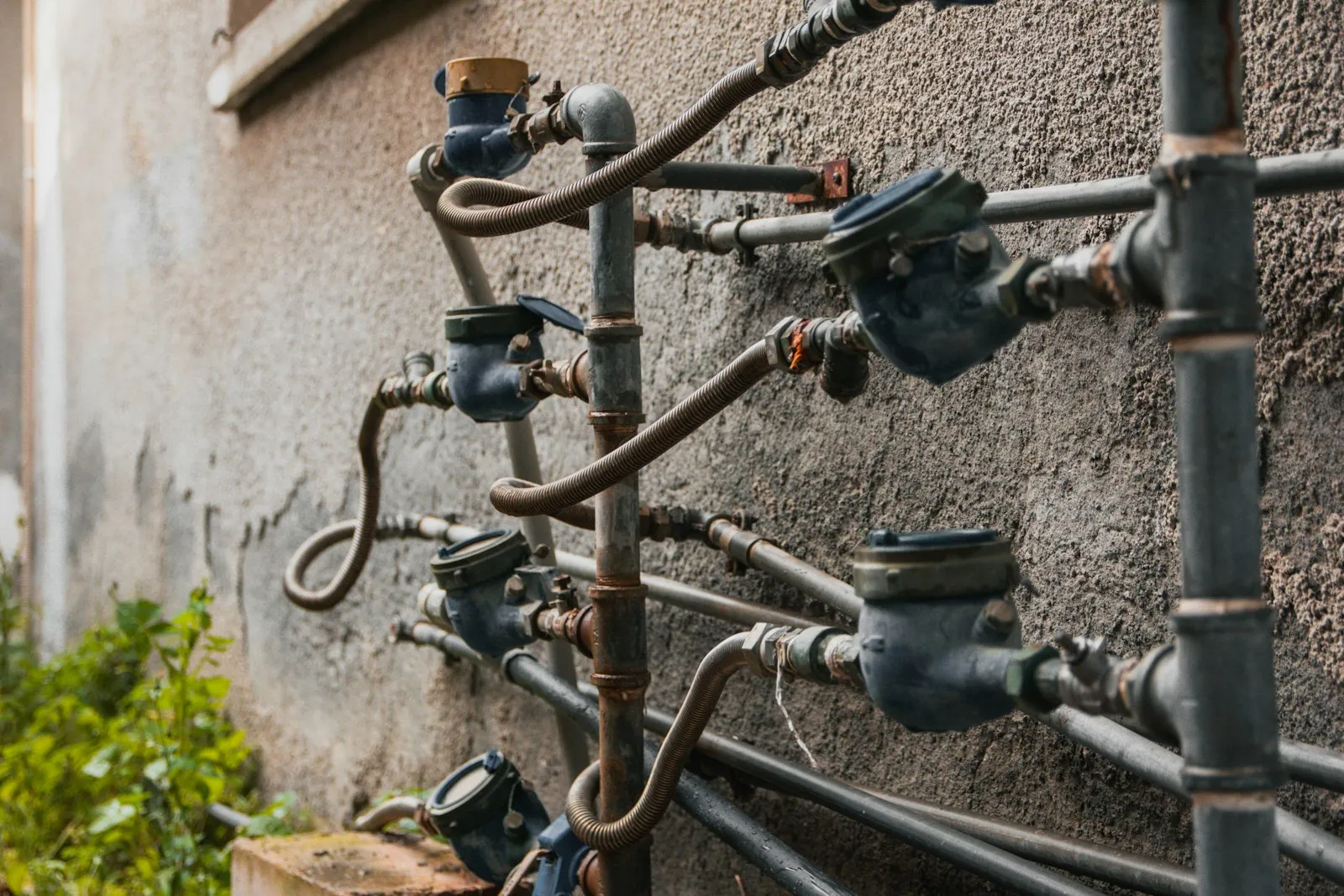
The analysis begins where gas enters the property. In general, the utility owns and maintains the main under the street and the service line running to the building, typically up to and including the meter. Corrosion, a failed joint, a faulty regulator or a damaged meter in that segment points toward the company.
Its conduct after a report matters as much as its pipes. A claim may turn on how fast a crew arrived after someone called about a gas leak, whether the technician tested the right spaces, whether supply was cut when readings called for it, and whether the crew left after declaring the building safe. Dispatch logs, call recordings and technician notes carry much of the weight here.
Gas companies in this state answer to the Public Service Commission, which acts through the New York Department of Public Service. Its staff may look into significant incidents and whether safety rules were followed. Those findings are not a court judgment, yet the records they produce can help a civil case. Nothing here refers to any particular company or event.
Layer Two: The Owner and the Interior Piping
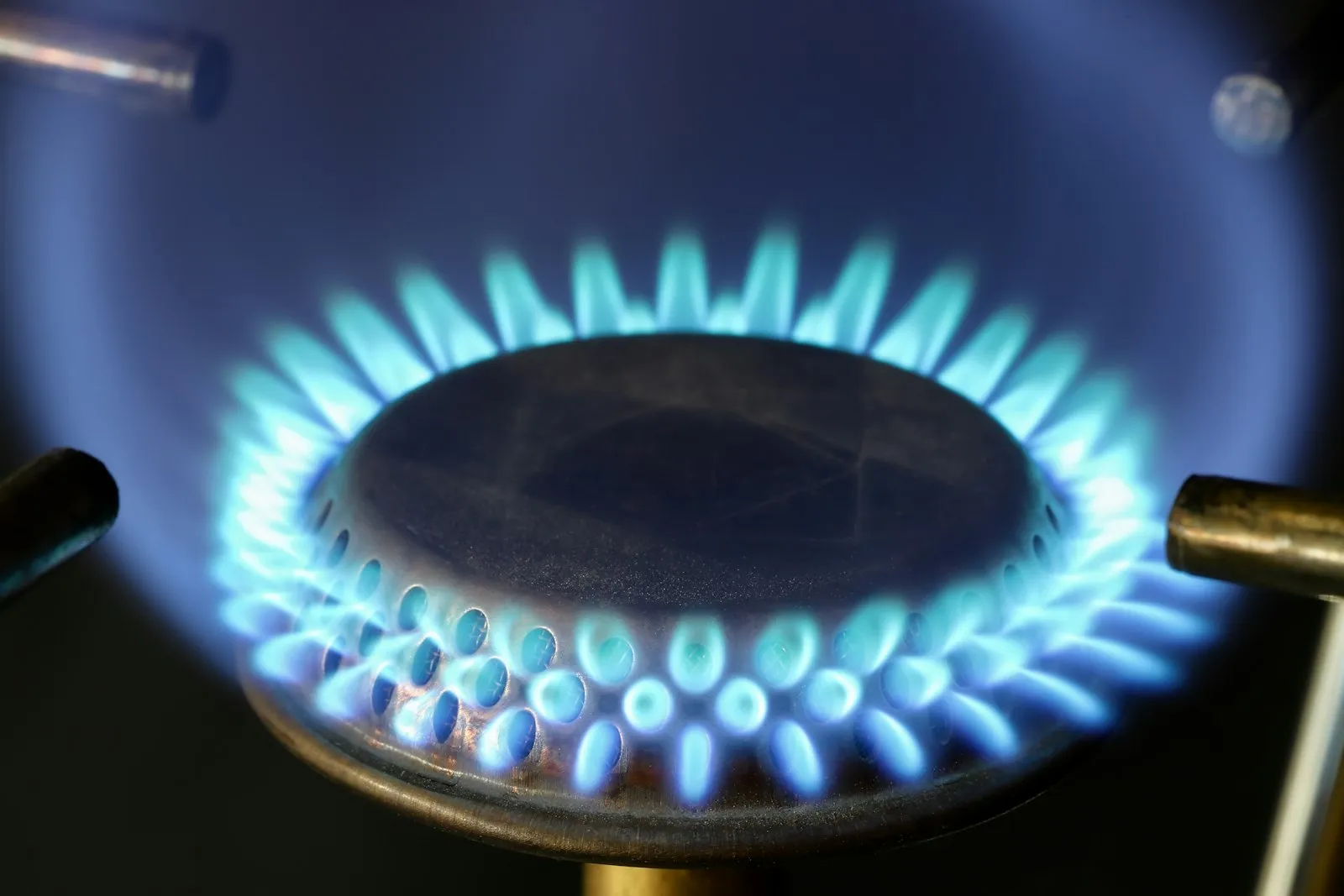
Past the meter, the lines feeding stoves, boilers, water heaters and dryers are generally the property owner’s responsibility. For apartment buildings, Multiple Dwelling Law § 78 places the duty of good repair squarely on the owner, and interior gas piping is part of the structure that duty reaches.
Owner-side findings that surface in these files include illegal hookups added to serve an extra unit, aging connectors left in service, lines capped badly after an appliance was removed, repairs by unlicensed workers, and odor complaints nobody answered. That last item is often the hinge. Texts to management, letters to the landlord and 311 records can show the owner had notice of the danger. Our article on landlord negligence in apartment injuries explains how tenant complaints are used, while our premises liability team takes on dangerous-property cases of every sort. In commercial space, a net lessee or management company may share the maintenance duty, and an owner who leased out the whole property is generally liable only in narrower situations.
Layers Three and Four: Contractors, Excavators and Products
When a plumber installs a range, replaces a boiler or reroutes a line during renovation, a mistake can leave a slow leak that builds over hours or days. Investigators examine permits, work orders and sequence; a blast soon after a contractor’s visit draws attention, though timing alone proves nothing. Excavators are generally expected to call 811 before digging so buried lines get marked, and a crew that skips that step or strikes a pipe without reporting it can endanger buildings down the block. Workers hurt in these events may have claims through the firm’s construction accident practice.
Sometimes the leak starts inside a product: a water heater valve, a range control that fails to close, a cracked connector. The manufacturer or seller may then face a product liability claim. Engineers for different sides often need to examine the same scorched appliance under an agreed protocol, which is one more reason the remains should never be thrown out. Neighbors or tenants who tampered with a meter or disconnected equipment without capping it can share responsibility as well.
Chain of Custody: Preserving the Scene and the Records
Demolition crews, adjusters and building staff may all want the site cleared fast, and once debris is hauled off, the answers it held usually leave with it. Treat the property the way an investigator would, tracking what exists, who holds it and where it goes:
- Photograph and video every room, the meter area, appliances and visible piping before cleanup begins.
- Request the fire department incident report and any fire marshal findings.
- Ask in writing that the utility keep its call records, dispatch logs, leak surveys and service-line history.
- Gather prior complaints: messages to the landlord, 311 records, neighbors who noticed the odor.
- Identify any contractor who touched gas equipment and keep invoices or permits.
- Keep damaged appliances and fittings, or put the party holding them on written notice to preserve them.
- Track symptoms and treatment; our injury diary walkthrough shows what to record.
Once a party knows litigation is likely, destroying relevant evidence can bring consequences in court, so early preservation letters matter.
What Investigators Look For: A Timeline
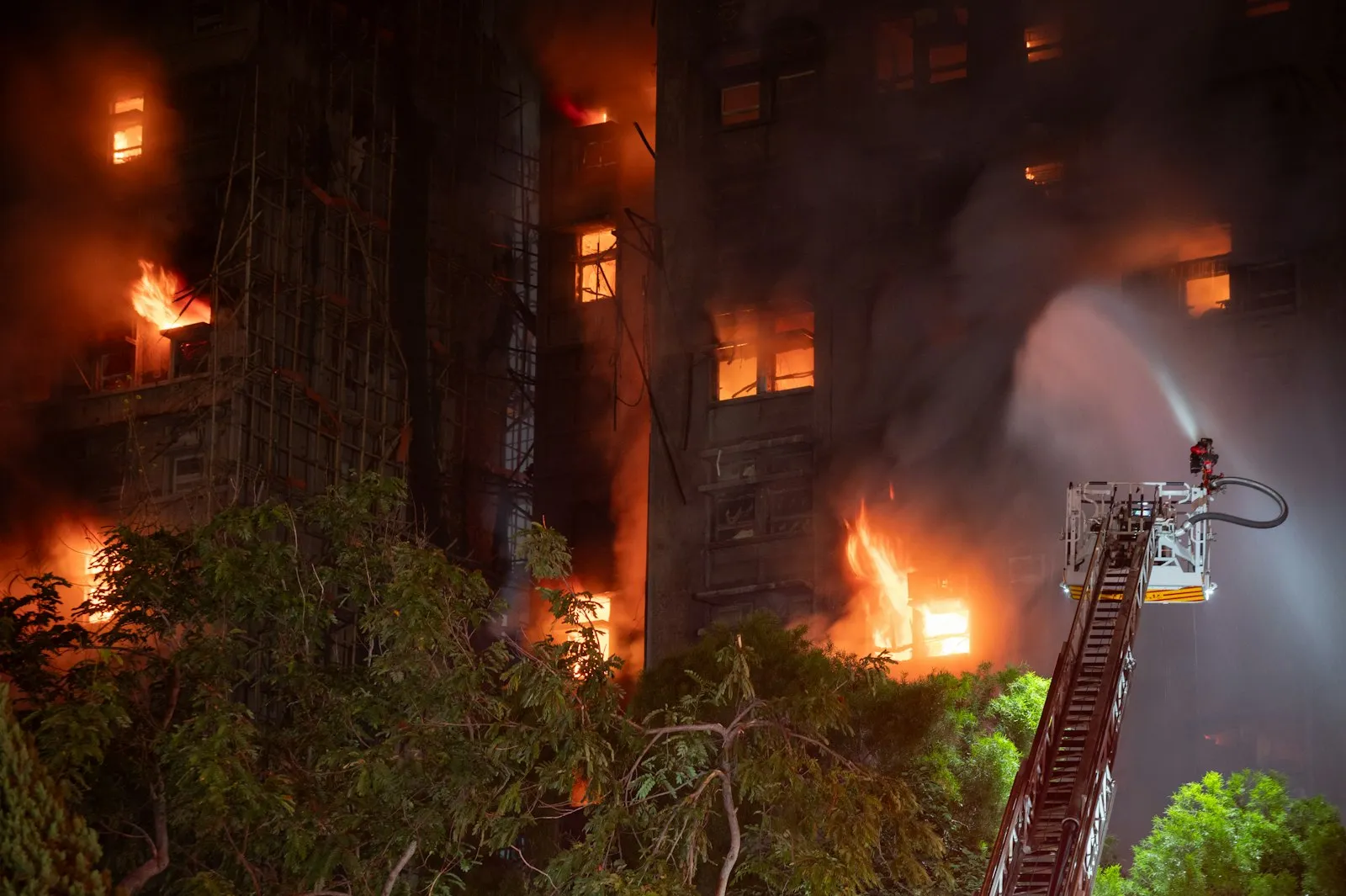
Investigators generally rebuild the event backward from ignition:
- Weeks before: odor complaints, service calls, contractor visits, permits, appliance changes
- Hours before: who smelled gas, who was called, what was said
- Minutes before: utility response, evacuation choices, any attempted shutoff
- Ignition: the likely source and where it sat relative to the gas
- Afterward: fire spread, structural damage and the condition of meter and piping
The sequence usually exposes the moment someone could have stopped the event. That moment, more than the spark, is where liability tends to rest.
The Legal Framework
Most claims a gas explosion lawyer takes on rest on negligence: a duty of care, a breach, and resulting injury. Because a blast often destroys the proof of exactly what failed, New York courts may in some cases apply res ipsa loquitur, letting a jury infer negligence where the event ordinarily would not happen without it and the instrumentality sat in the defendant’s exclusive control. Exclusive control can be disputed when several parties had access to the equipment, so the doctrine fits some cases and not others.
Responsibility can also be split. New York measures shared fault on a pure comparative basis, so any percentage a jury assigns to the injured person trims the award without wiping it out; the firm’s shared-fault explainer walks through the math.
For employees, Workers’ Compensation Law § 11 generally bars a lawsuit against one’s own employer in exchange for comp benefits. A superintendent or repair technician hurt in a blast may still sue the utility, the owner, another contractor or a manufacturer. Give the employer written notice of the injury quickly, generally inside 30 days.
Filing Windows
The calendar depends on the defendant. Against a private landlord, contractor or utility, New York generally allows three years from the explosion (CPLR § 214). For a building run by a public body, such as NYCHA housing or a city facility, GML § 50-e generally requires that the agency receive formal notice inside a 90-day window, and the lawsuit itself generally has to be filed within a year and 90 days after the blast; the entity can also require sworn testimony at a 50-h examination. Relatives pursuing a death case generally get two years, counted from the date their loved one passed.
If You Smell Gas
Leave the building at once. Do not touch light switches, use a phone, ring doorbells or start a car nearby, since any of those can create a spark. From a safe distance outside, call 911 and the gas company, and stay out until responders clear the building. Carbon monoxide is a separate, odorless hazard; our companion piece on carbon monoxide poisoning claims covers it.
Working With the Firm
Attorney Yakov Mushiyev and our team are based at 1 Cross Island Plaza (Suite 325) in Rosedale, a short hop off the Cross Island Parkway. We represent injured people from every borough and across Nassau. Burn and fracture patients often cannot travel, so we come to a home or hospital bed or meet by video, in Russian, Spanish or English. There is no charge to talk it over and no fee without a recovery, and our clients’ recoveries to date exceed $80 million. A gas explosion lawyer here can start preservation demands and records requests while you heal. Reach us through the firm’s contact page or at 718.775.3110.
Gas Explosion Questions We Often Hear
Who is usually responsible for a gas explosion in an apartment building?
It depends on where the gas escaped. Leaks in the service line or meter generally point toward the utility; leaks in interior piping or appliances point toward the owner, a contractor or a manufacturer. Often several parties share the blame.
Can I still bring a claim if I flipped the switch that ignited the gas?
Generally, yes. Every building contains ignition sources, so the legal question is usually why gas accumulated. Any fault assigned to you would reduce your recovery rather than bar it.
Do I need a gas explosion lawyer if the fire department already investigated?
Often it helps. A fire report identifies origin and cause but does not decide civil liability or preserve utility records, maintenance histories and equipment. Those usually must be secured separately, and early.
What if I was on the job when the building exploded?
You can generally collect workers’ compensation and, separately, pursue other negligent parties such as the utility, the owner or a different contractor. Report the injury to your employer in writing promptly.
How long do I have to act?
Generally three years for private defendants, a 90-day notice of claim for public entities such as NYCHA or the City, and two years from the death for a family’s wrongful death case.
Visit Yakov Mushiyev & Associates
Our office is at 1 Cross Island Plaza, Suite 325, Rosedale, NY 11422, just off the Cross Island Parkway on the Queens–Nassau border. If you can’t come to us, we’ll come to you: at home, in the hospital or by video.

Talk to a New York gas explosion lawyer today
Yakov Mushiyev & Associates has recovered over $80 million for injured New Yorkers across the five boroughs and Nassau County. Consultations are free, available in English, Russian and Spanish, and there is no fee unless we win.
Call 718.775.3110 or contact us online for a free case review.
This article is general information, not legal advice. Every case is different. Attorney Advertising.