
Products fail in predictable ways. Engineers who study failures for a living tend to sort them into a few buckets: the product was built wrong, the product was designed wrong, or the product was missing information the user needed to stay safe. New York law, as it happens, sorts defective product cases into nearly the same three buckets.
This guide takes that engineering-minded approach. We will break down how each type of defect is proven, what physical evidence matters, which deadlines apply, and why the single most important thing you can do after an injury is keep the product. If you were hurt by a defective product anywhere in Queens, a Queens defective product lawyer at Yakov Mushiyev & Associates can review your case for free. Call 718.775.3110.
The Three Failure Modes Under New York Law
Failure Mode 1: Manufacturing Defect
The design was fine, but the specific unit you bought came off the line wrong. A weld that did not fuse, a contaminated batch, a missing fastener, a battery cell with an internal flaw. These cases compare your product to the manufacturer’s own specifications. If your unit deviates from the blueprint and that deviation caused the injury, the manufacturer can be held strictly liable, meaning you do not have to prove carelessness, only the defect and the causal link.
Failure Mode 2: Design Defect
Every unit is built exactly as designed, and the design itself is unreasonably dangerous. New York courts generally apply a risk-utility analysis: weighing the product’s usefulness and the likelihood and severity of harm against whether a safer, feasible alternative design was available. Think of a power saw without a blade guard that competitors routinely include, or a space heater without a tip-over shutoff. Proving a design defect almost always requires an expert who can show the safer alternative was practical, affordable and would have prevented the injury.
Failure Mode 3: Failure to Warn
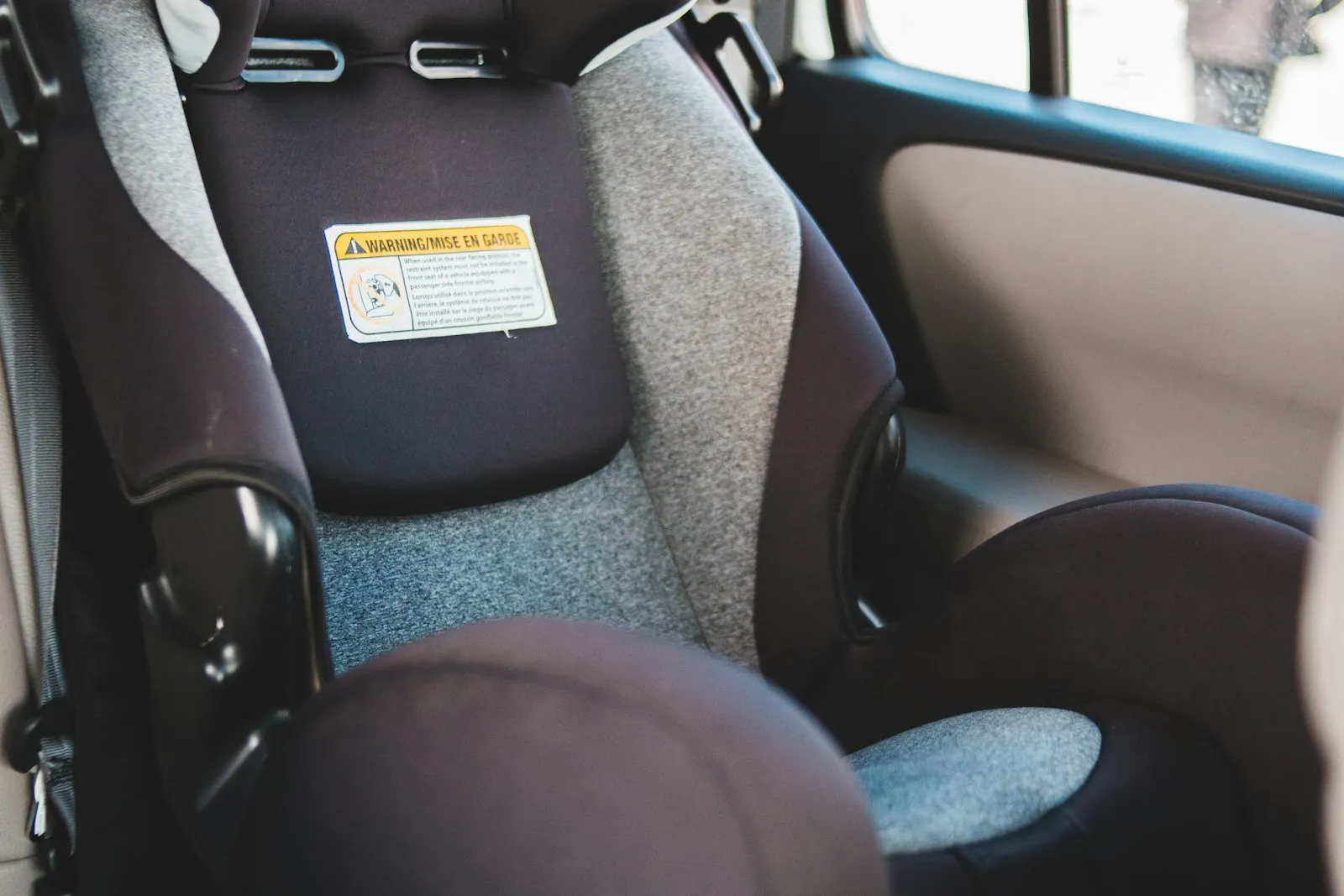
The product carries risks that are not obvious, and the manufacturer did not adequately warn about them or explain how to use the product safely. Warnings must be reasonably clear, placed where users will see them, and specific to the danger. There is generally no duty to warn about dangers that are open and obvious to an ordinary user, which is one of the most common defenses in these cases.
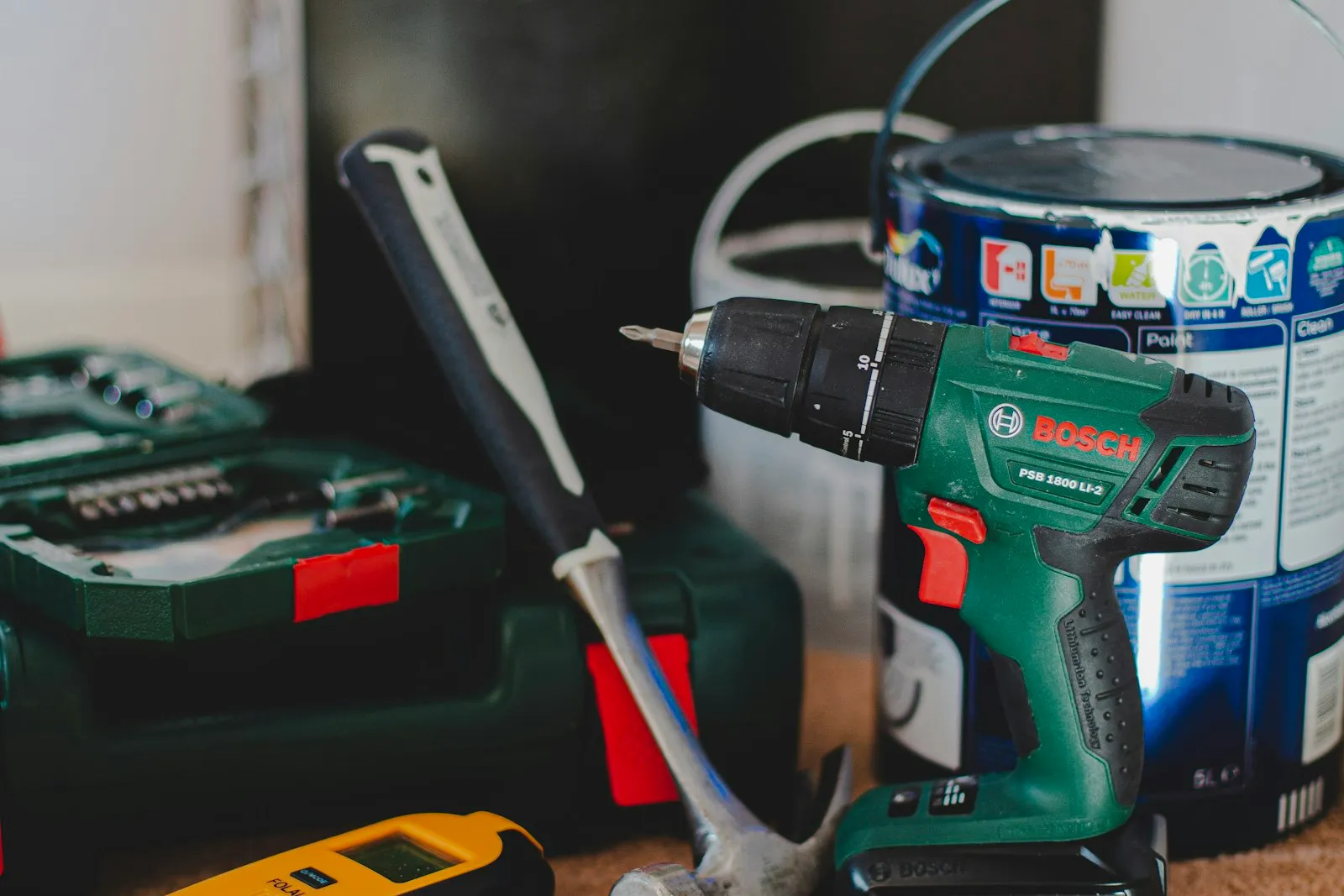
The Products Behind Queens Injury Claims
Product cases are not limited to one industry. In Queens, we see recurring categories:
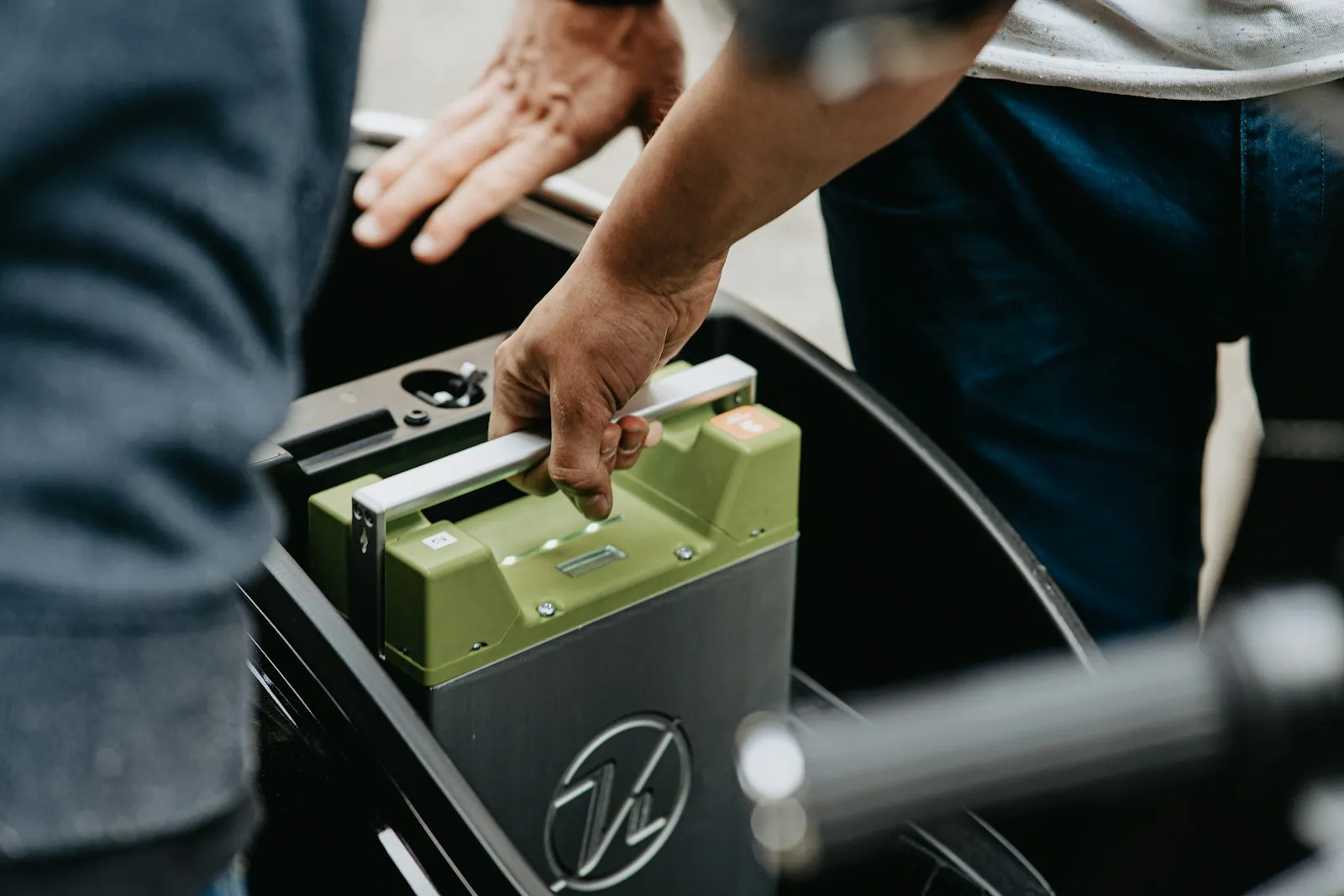
- Lithium-ion batteries and e-bikes. Battery fires have become a serious safety issue across New York City. A 2023 city law now requires e-bikes, e-scooters and their batteries sold in the city to meet recognized UL safety standards. When an uncertified or defective battery causes a fire, the manufacturer, importer and seller can all be in the chain of responsibility.
- Power tools and machinery, both at home and on job sites. Our page on machinery accidents covers workplace cases, and our article on defective products on construction sites explains how product claims combine with labor law claims.
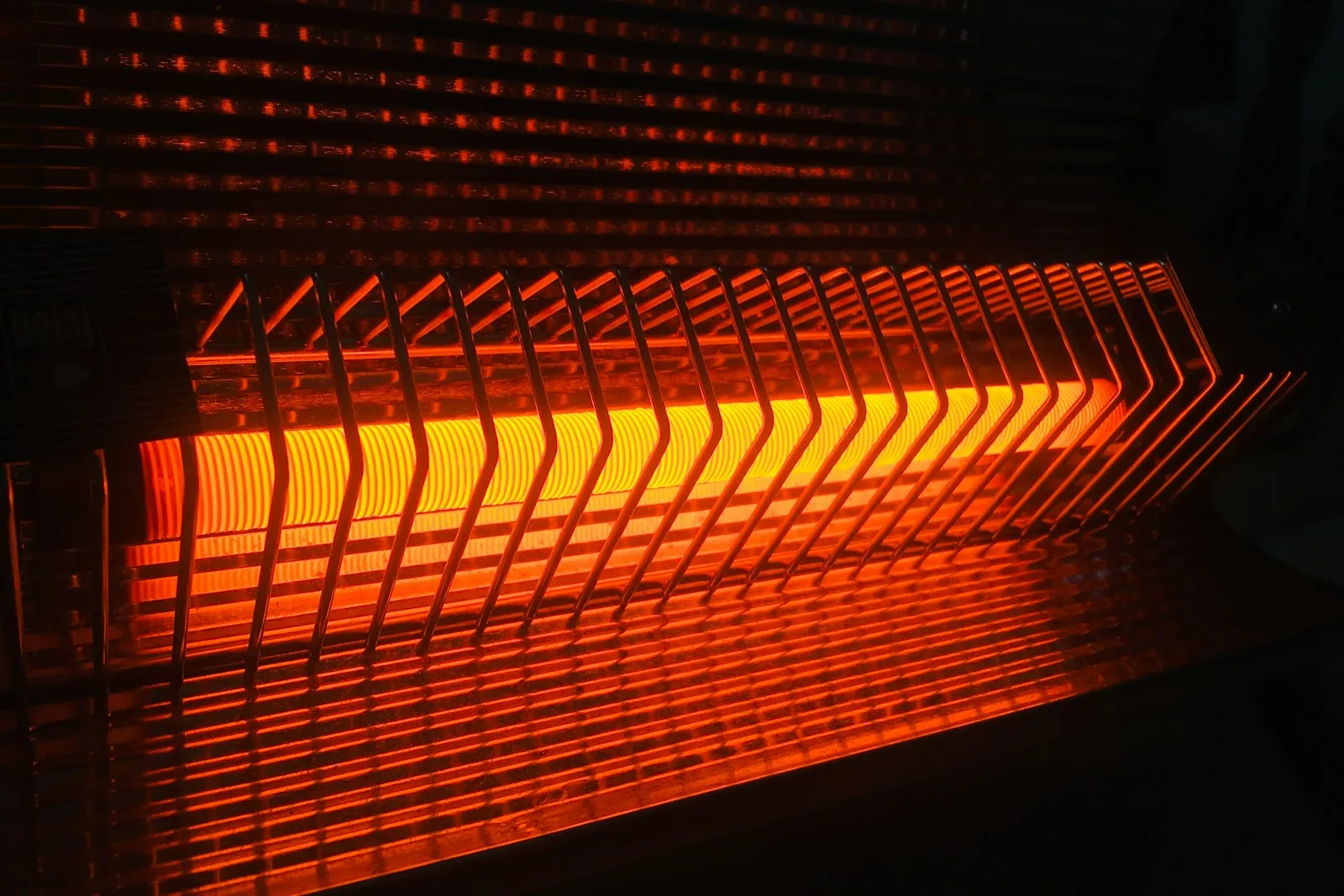
- Space heaters and household appliances that overheat, spark or fail to shut off.
- Children’s products, including car seats, cribs, high chairs and toys with small parts.
- Vehicle and tire defects, such as airbags that fail to deploy or deploy with excessive force, brake failures, and tread separations. These overlap with our car accident practice.
- Pressure cookers, ladders and furniture that tip, collapse or explode.
Who Is in the Chain of Liability?
One of the more useful features of New York product liability law is that responsibility is not limited to the company whose logo is on the box. Depending on the facts, claims can reach:
- The manufacturer of the finished product.
- The maker of a defective component part, such as a battery cell or a valve.
- The importer or distributor, which matters when the manufacturer is overseas.
- The retailer that sold the product, including in many situations an online seller.
This matters enormously when the manufacturer is a foreign company that cannot easily be sued in New York. A U.S. distributor or retailer with insurance may be the most practical source of recovery.
Evidence Protocol: The First 30 Days
A product case is won or lost on physical evidence. Here is the checklist we give clients, in order of priority:
- Preserve the product exactly as it is. Do not repair it, discard it, throw it out with fire debris, or return it to the store for a refund. If a store or manufacturer offers to “take it back for inspection,” say no until you have spoken with a lawyer.
- Keep all packaging, manuals, receipts and order confirmations. Online order history is easy to lose when accounts change.
- Photograph everything: the product, labels, serial numbers, the scene and your injuries.
- Do not attempt your own testing or take the product apart. Destructive testing should be done by experts under an agreed protocol so the other side cannot claim the evidence was altered.
- Check for recalls on the Consumer Product Safety Commission recall list, or on NHTSA’s recall lookup for vehicles, tires and car seats. A recall is not automatic proof of your case, but it can be important evidence.
- Report the incident. Consumers can file reports at SaferProducts.gov. Talk with your lawyer first about what to say.
- Get medical care and keep records of every visit, prescription and missed day of work.
Defenses You Should Expect
Manufacturers and their insurers have well-worn arguments. Knowing them in advance helps you avoid giving them ammunition:
- Substantial modification. In New York, a manufacturer is generally not liable if a third party later altered the product in a way that made it unsafe, such as removing a safety guard.
- Misuse. Using a product in a way that was not reasonably foreseeable. Foreseeable misuse, however, can still support a claim.
- Open and obvious danger, as a defense to warning claims.
- Comparative fault. Under CPLR 1411, your recovery can be reduced by your share of responsibility.
- Spoliation. If the product was lost or altered, the defense will argue the claim cannot be fairly tested. That is why preservation comes first.
Deadlines for Defective Product Claims in New York
Most product injury lawsuits must be filed within three years of the injury under CPLR 214. For injuries caused by exposure to a harmful substance where the harm shows up later, CPLR 214-c can start the clock when the injury is discovered. Breach of warranty claims under the Uniform Commercial Code have their own four-year period that generally runs from when the product was delivered, not from the injury. Claims on behalf of children are usually paused until age 18. Because these rules interact in complicated ways, it is wise to get a deadline review early.
Three Queens Landmarks for Thinking About How Things Are Made
1. New York Hall of Science, Corona
Built for the 1964 World’s Fair in Flushing Meadows Corona Park, the New York Hall of Science has spent decades teaching visitors how engineering works by letting them build and break things. It is a fitting place to understand product liability. Engineers design for expected loads and foreseeable misuse, and they test to failure on purpose. When a consumer product fails in ordinary use, the question we ask is what testing would have revealed the problem and why it was not done.
2. Steinway & Sons Factory, Astoria
Steinway has built pianos in Astoria since the 1870s, and its factory remains one of the borough’s most famous examples of careful manufacturing, with craftspeople inspecting each instrument at stage after stage. Product liability law reflects the same idea in reverse: manufacturers are expected to have quality control that catches defects before a product leaves the plant. When a manufacturing defect slips through, the question is often what the quality-control process looked like and where it broke down.
3. Queens Center Mall, Elmhurst
On Queens Boulevard in Elmhurst, Queens Center is one of the busiest shopping centers in the city. Every store there is the final link in a long supply chain. Under New York law, retailers and distributors in that chain can share responsibility for a defective product they sold, which gives injured consumers a path to recovery even when the manufacturer is overseas. Your receipt, or your online order record, can identify exactly who those parties are.
How We Work on Product Cases
Product cases are expert-heavy and expensive to build, and they frequently involve fires, burns and serious injuries. Our team, led by attorney Yakov Mushiyev, works with engineers, fire investigators and medical experts, and we advance the costs of the case. You pay no fee unless we recover compensation. If a product caused a fire or explosion, our page on explosion and fire injuries covers additional issues, and our personal injury practice page explains how we handle cases from start to finish.
Directions From Elmhurst to Our Office
We are at 1 Cross Island Plaza, Suite 325, Rosedale, NY 11422. From Elmhurst, drivers typically take the Long Island Expressway east to the Van Wyck Expressway south, then the Belt Parkway east. By transit, the E or F to Jamaica and the LIRR to Rosedale is a common route. Bring the product with you only if it is safe to transport; otherwise leave it where it is, photographed and untouched, and we will arrange an inspection.
Open turn-by-turn directions from Elmhurst, Queens in Google Maps
Defective Product FAQs
Do I have to prove the manufacturer was careless?
Not always. For manufacturing defects, design defects and failure to warn, New York applies strict products liability, which focuses on whether the product was defective and caused your injury rather than on the manufacturer’s intent or carelessness. Negligence and warranty claims can be added where they fit the facts.
Can I sue the store where I bought the product?
Often, yes. Retailers and distributors in the chain of distribution can share responsibility for a defective product they sold, which is especially important when the manufacturer is overseas.
What if the product was recalled after I was hurt?
A later recall can still be useful evidence that the product had a problem, although the rules on how it can be used in court vary. Keep the product and the recall notice, and let your lawyer evaluate how they fit together.
How long do I have to sue for a defective product in New York?
Generally three years from the injury for most product claims. Exposure injuries may run from discovery under CPLR 214-c, warranty claims usually have a four-year period from delivery, and claims for minors are usually paused until age 18. A lawyer should confirm your specific deadline.
The product was destroyed in the fire. Do I still have a case?
Possibly. Fire investigators can often identify the origin and cause from what remains, and components such as battery cells or wiring may survive. Do not let anyone discard the debris until it has been examined.
Speak With a Queens Defective Product Lawyer
Manufacturers have engineers and lawyers ready the moment a claim arrives. Get your own team working early. Call Yakov Mushiyev & Associates at 718.775.3110 or reach us online for a free consultation.
This article is general information, not legal advice, and reading it does not create an attorney-client relationship. Every case turns on its own facts. Attorney Advertising. Prior results do not guarantee a similar outcome.