
Suffolk County is a long drive. From the Nassau line to Montauk Point is well over 100 miles of everything Long Island has to offer: office parks in the west, college towns and malls in the middle, farms and vineyards on the North Fork, beach towns on the South Fork, and barrier islands you can only reach by ferry or causeway. That variety is wonderful for living and visiting. It also means accidents in Suffolk look very different depending on where and when they happen.
So let’s take a drive. This guide travels west to east through Suffolk, stopping to talk about the crashes and injuries that tend to happen along the way, and what anyone searching for an accident lawyer in Suffolk County should know. If you are already dealing with an injury, call Yakov Mushiyev & Associates at 718.775.3110 for a free, no-pressure conversation.
First Stop: Western Suffolk and the Commuter Corridor
Our trip starts in towns like Huntington, Babylon and Islip, where the Long Island Expressway, the Northern and Southern State Parkways, Sunrise Highway and Route 110 carry commuters all year. Crashes here look like what you would expect anywhere with heavy traffic: rear-end collisions in stop-and-go traffic, lane-change sideswipes, and crashes at busy intersections and shopping centers. Office-park and commuting injuries in this area are covered in our briefing for anyone looking for a Melville personal injury lawyer.
One quick legal note before we keep driving: the rules for car crash claims are the same across New York. Your own insurance pays no-fault benefits for medical bills and part of your lost wages, and you can sue the at-fault driver for pain and suffering if your injuries meet the state’s serious injury threshold. File your no-fault application within 30 days. Our car accident page has more.
Second Stop: Central Suffolk, Malls, Campuses and MacArthur
Heading east into Brookhaven and Smithtown, we pass big shopping centers, hospitals, college campuses and Long Island MacArthur Airport. These areas produce a lot of parking lot collisions, pedestrian injuries near campuses and shopping centers, and slip and fall cases in stores and medical buildings. If you were hurt in a fall, our dedicated guide for anyone searching for a Suffolk County slip and fall accident attorney walks through the evidence and deadlines.

Third Stop: The Forks and Their Two-Lane Roads
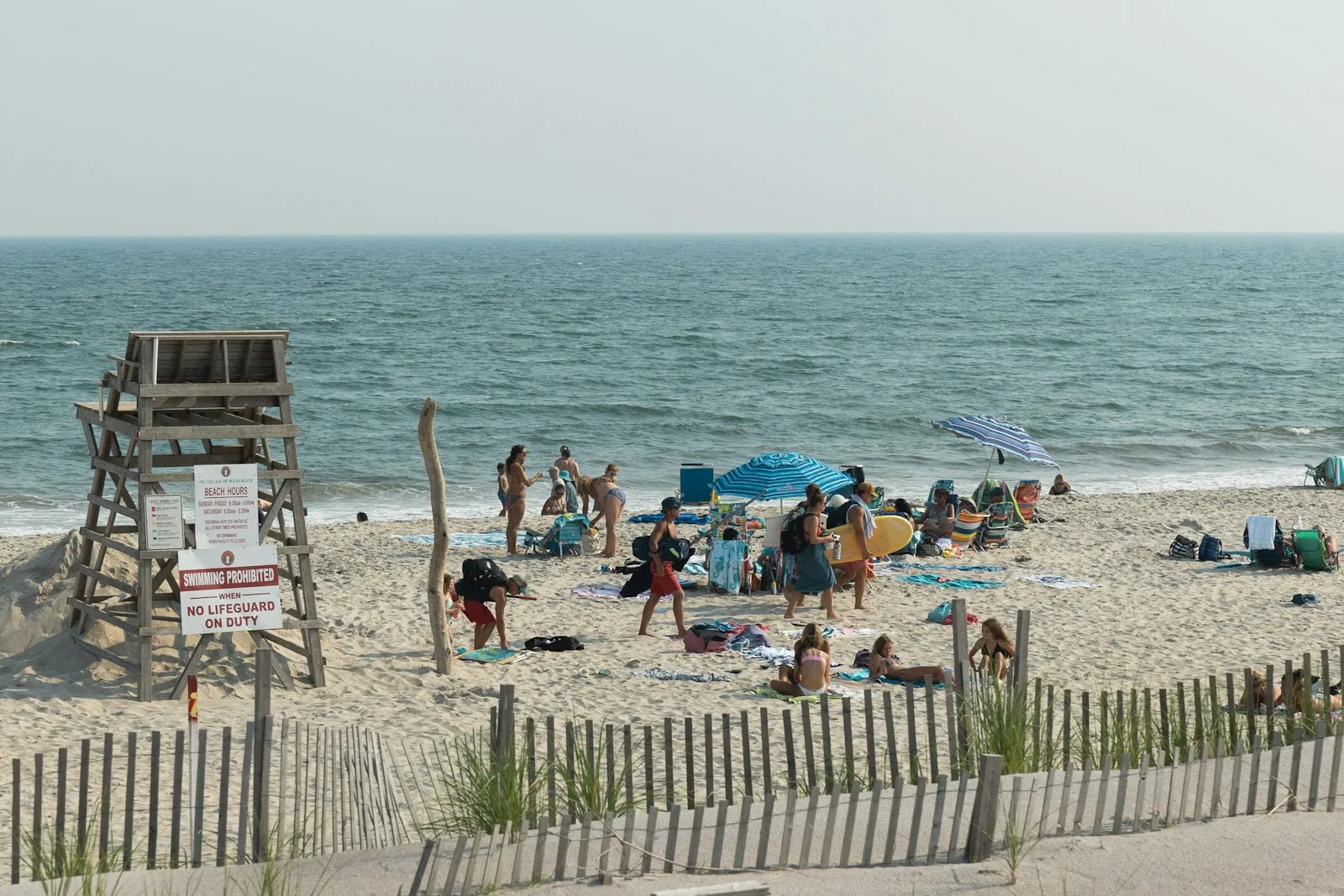
Past Riverhead, the Long Island Expressway ends and Suffolk changes character. On the North Fork, Route 25 and Route 48 wind past farm stands and wineries. On the South Fork, Montauk Highway (Route 27) becomes the main road through the Hamptons. These are mostly two-lane roads carrying far more traffic in summer than they were designed for.
Common East End crash patterns include:
- Head-on and run-off-road crashes from passing on two-lane roads.
- Rear-end crashes near farm stands and winery entrances, where drivers slow suddenly to turn.
- Collisions with slow-moving farm equipment.
- Bicycle and pedestrian injuries on roads with narrow or no shoulders. See our article on cyclist rights on Long Island.
- Motorcycle crashes on scenic weekend rides. Riders have special no-fault issues, explained on our motorcycle accident page.
- Impaired driving after winery visits, beach days and nightlife. We cover those claims in our guide to finding a Suffolk County drunk driving accident lawyer.
A Seasonal Calendar of Suffolk Accident Risks
- Summer: peak traffic to the beaches and the Hamptons, ferries to Fire Island and Shelter Island, boating injuries, and crowded pedestrian areas in villages.
- Fall: harvest-season crowds at farms and pumpkin patches on the North Fork, plus a marked increase in deer activity on roads at dawn and dusk.
- Winter: ice and snow on secondary roads, and slip and fall hazards in parking lots and sidewalks.
- Spring: potholes left over from winter and the return of cyclists and motorcyclists.

Things That Are Different About Suffolk Claims
A few practical details distinguish accident claims in Suffolk from those in Queens or Nassau:
- Multiple police agencies. The Suffolk County Police Department covers the five western towns, while several East End towns, and some villages, have their own police departments. Knowing which agency responded helps us get the accident report quickly.
- Tourists and out-of-state drivers. Crashes involving visitors may involve out-of-state insurance policies. Policies issued elsewhere often have to provide at least New York’s required coverage when the car is driven here, but sorting out which policy pays what can take extra work.
- Rental cars. Rental vehicles bring their own insurance questions, including whether the renter’s personal policy or the rental company’s coverage applies.
- Public entities. Claims against Suffolk County, a town or a village generally require a Notice of Claim within 90 days under General Municipal Law § 50-e, and many towns require prior written notice of a road or sidewalk defect before they can be held liable.
- Uninsured drivers. If the at-fault driver has no insurance, your own uninsured motorist coverage may apply. See our guide to uninsured and underinsured motorist claims.
What Shapes the Value of a Suffolk County Accident Claim
Every accident lawyer in Suffolk County gets asked the same question in the first meeting: “What is my case worth?” The honest answer is that nobody can give a reliable number on day one. What we can do is explain the factors that drive value, so you know what to document from the start:
- The severity and permanence of the injury. A fracture that heals fully is valued differently from one that leaves arthritis or limits movement for life.
- The treatment you need, including surgery, injections, physical therapy and future care your doctors expect.
- Your work and income. Seasonal workers, contractors and small business owners on the East End often have uneven income, so tax returns, invoices and booking records matter.
- The available insurance. Many drivers carry only modest liability limits. Your own supplementary uninsured/underinsured motorist coverage can become a key source of recovery.
- Clarity of fault. A clear police report, independent witnesses and video make cases resolve more efficiently.
- Where the case would be tried. Venue can influence how insurers evaluate risk.
Keep every medical bill, pharmacy receipt and pay record, and write down how the injury affects your daily life. Those details turn a general claim into a specific, persuasive one.
Three Suffolk Landmarks Worth the Drive
1. Fire Island Lighthouse
On the western end of Fire Island, the Fire Island Lighthouse has guided ships along the South Shore since the 1850s, and the current tower dates to 1858. Most visitors reach it by driving across the Robert Moses Causeway and walking from the state park parking fields. Summer weekends bring packed parking lots and families walking long distances with beach gear, a setting where pedestrians and drivers must watch out for each other. Much of the island is part of the Fire Island National Seashore.
2. Tanger Outlets in Riverhead
Right where the Long Island Expressway ends, the Tanger Outlets in Riverhead draw shoppers from across the region. Large outlet centers create predictable injury risks: parking lot crashes between drivers looking for spaces, pedestrians struck while walking between rows, and falls on curbs, wet entryways and uneven pavement. Liability can involve the center’s owner, its management company, an individual store or a snow removal contractor.
3. Montauk Point Lighthouse
At the very end of the road, the Montauk Point Lighthouse was authorized under President George Washington and completed in 1796, making it the oldest lighthouse in New York State. Getting there means driving the full length of Montauk Highway, through village centers that become bottlenecks in summer and along stretches where drivers speed up once the traffic clears. It is a fitting reminder that Suffolk is a long county, and that crash claims here often involve visitors, rental cars and long trips home for medical treatment.

After an Accident Anywhere in Suffolk: A Short Checklist
- Call 911 and get medical attention.
- Photograph vehicles, road conditions, signs and injuries.
- Get names, contact information and insurance details from everyone involved, plus witness contact information.
- Note which police agency responded and get the report number.
- File your no-fault application within 30 days.
- Do not give a recorded statement to the other driver’s insurer before getting advice.
- Keep receipts for medical travel. If you live out east and treat in western Suffolk, Nassau or the city, mileage and travel costs add up.
Why a Queens Firm for a Suffolk Case?
Fair question. Our office is in Rosedale, at the Queens-Nassau border, and we represent injured people throughout New York City and Long Island. Many of our Suffolk clients work in the city, commute through Queens, or were visiting Suffolk when they were hurt. We meet by video, by phone, or in person, and we travel when it helps the case. Attorney Yakov Mushiyev handles injury cases on a contingency fee, so you pay no fee unless we recover compensation.

Directions From Riverhead to Our Office
Our office is at 1 Cross Island Plaza, Suite 325, Rosedale, NY 11422. From Riverhead, take the Long Island Expressway west to the Cross Island Parkway south. The drive is usually 75 to 90 minutes depending on traffic, which is why most Suffolk clients start with a phone or video consultation.
Open turn-by-turn directions from Riverhead, NY in Google Maps
Suffolk County Accident FAQs
How long do I have to file an accident lawsuit in Suffolk County?
Most negligence claims in New York must be filed within three years. Claims against Suffolk County, a town or a village generally require a Notice of Claim within 90 days and a lawsuit within one year and 90 days, so act quickly if a public entity may be responsible.
Does no-fault insurance apply to car accidents in Suffolk County?
Yes. New York’s no-fault system applies statewide. Your own auto insurer typically pays medical bills and part of your lost wages, and you must usually apply within 30 days.
I was visiting the Hamptons and was hit by another tourist. Where do I file?
Generally, a lawsuit arising from a Suffolk crash can be brought in Suffolk County, and in some cases in the county where a party lives. The insurance claims proceed regardless of where you live. A lawyer can advise on the best venue.
What if I hit a deer in Suffolk County?
A deer collision with no other driver at fault usually falls under your own policy: no-fault for injuries and comprehensive coverage for vehicle damage. If another driver swerved or caused the crash, a claim against that driver may be possible.
Can I hire an accident lawyer in Suffolk County without traveling to an office?
Yes. Our firm meets Suffolk clients by phone and video, signs paperwork electronically, and meets in person when needed. Consultations are free.
Talk to an Accident Lawyer Serving Suffolk County
Wherever your trip ended, from the LIE in Huntington to Montauk Highway in Amagansett, we can help you understand your options. Call Yakov Mushiyev & Associates at 718.775.3110 or contact us online.
This article is general information, not legal advice, and reading it does not create an attorney-client relationship. Every case turns on its own facts. Attorney Advertising. Prior results do not guarantee a similar outcome.