
Of all the ways two vehicles can meet, the head-on collision leaves the least room for luck. The speeds of both cars combine, the front ends absorb nearly everything, and the people inside have only a seat belt, an airbag and a few feet of crumple zone between them and the impact. When the injured person survives, recovery is usually long; when they do not, a family is left to sort out what happened. This article is written for both groups. It explains how these crashes tend to happen in Queens, Nassau County and along the Long Island highways, what New York law says about the driver who crossed over, and what a head on collision lawyer looks at in the weeks after such a crash.
How Head-On Crashes Tend to Happen Around Queens and Long Island
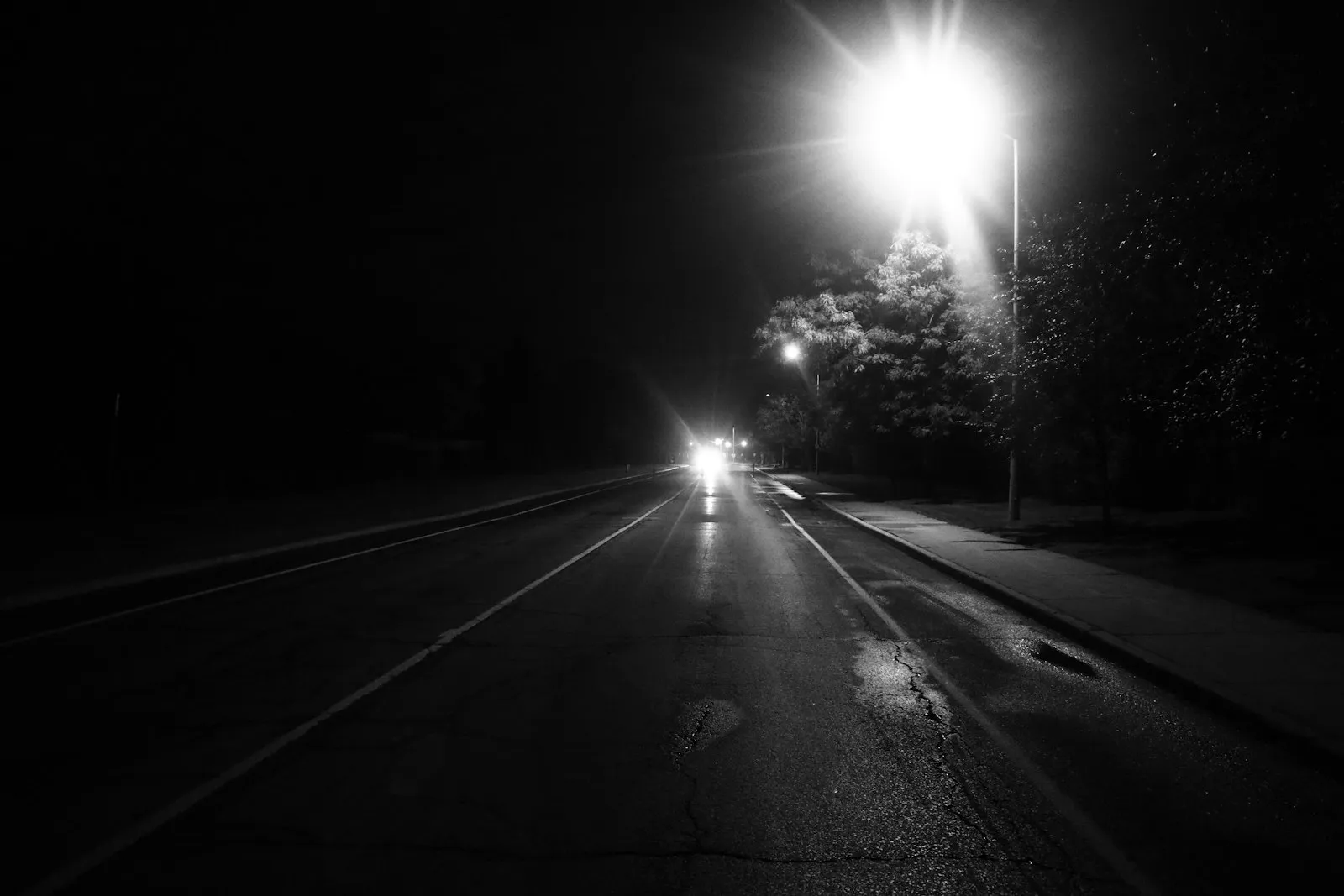
The image most people carry is of a wrong-way driver on a highway, and that image is accurate often enough. On limited-access roads such as the parkways and expressways that cross Queens and Nassau, a driver who enters by an exit ramp is suddenly traveling against every car in the lane. These entries tend to happen at night, when ramps are harder to read, and they are frequently tied to alcohol or drugs.
The quieter version of the same disaster happens on undivided roads. Many of the boulevards, avenues and county roads in eastern Queens and Nassau carry two-way traffic with nothing but painted lines between opposing lanes. A driver who drifts across the centerline because of fatigue, a phone or a moment of inattention can strike an oncoming car before either driver brakes. These crossover crashes can be every bit as violent as a highway wrong-way collision.
Several other patterns appear again and again in head-on claims:
- A driver attempts to pass a slower vehicle where passing is prohibited, or misjudges the gap, and meets an oncoming car in its own lane.
- A vehicle loses traction on ice, snow or standing water and slides across into opposing traffic.
- A driver takes a curve too fast and the vehicle swings wide into the other lane.
- A large vehicle, such as a box truck or tractor-trailer, crosses over while turning or after its driver has been on the road too long.
Commercial vehicles raise their own issues, discussed on the firm’s truck accident practice page, but the core question is the same in every version: why was that vehicle on the wrong side of the road?
What New York Law Expects of Drivers on a Two-Way Road
New York’s Vehicle and Traffic Law is direct on the point. VTL § 1120 generally requires vehicles to be driven on the right half of the roadway, subject to limited exceptions such as passing where it is allowed or going around an obstruction. VTL § 1126 addresses no-passing zones, where signs or markings indicate that crossing into the opposing lane to overtake another vehicle is not permitted.
Those rules matter in a civil case because New York courts generally treat an unexcused violation of a Vehicle and Traffic Law provision as negligence. A driver who crosses into oncoming traffic without a valid excuse has, in most cases, handed the injured party strong evidence of fault. Debris, gouge marks and the final positions of the vehicles often show plainly which lane the impact occurred in. Insurers know the crossover itself is hard to dispute, so they tend to concentrate on why it happened.
The Emergency Doctrine and Other Defenses
The defense raised most often in head-on cases is the emergency doctrine. Under that principle, a driver who is confronted with a sudden and unexpected emergency not of their own making may not be found negligent if they responded reasonably, even if a calmer choice in hindsight would have avoided the crash. In practice, the claimed emergency is usually something like a patch of black ice, a tire blowout, an animal in the road or another car that swerved first.
The doctrine has real limits, and those limits are where careful investigation pays off. Ice on a winter night in New York may not be sudden or unexpected at all, particularly if the driver was going too fast for conditions. A blowout on a tire that was badly worn may be an emergency of the driver’s own making. The answers are often found in maintenance records, weather data, vehicle event data and the accounts of other motorists.
Defendants may also argue that the injured driver shared some fault, perhaps by speeding or failing to steer away in time. New York follows pure comparative fault under CPLR § 1411, which means a share of fault reduces recovery in proportion but generally does not bar it. The firm’s guide to shared fault in New York explains how that apportionment works.
When the Other Driver Was Impaired
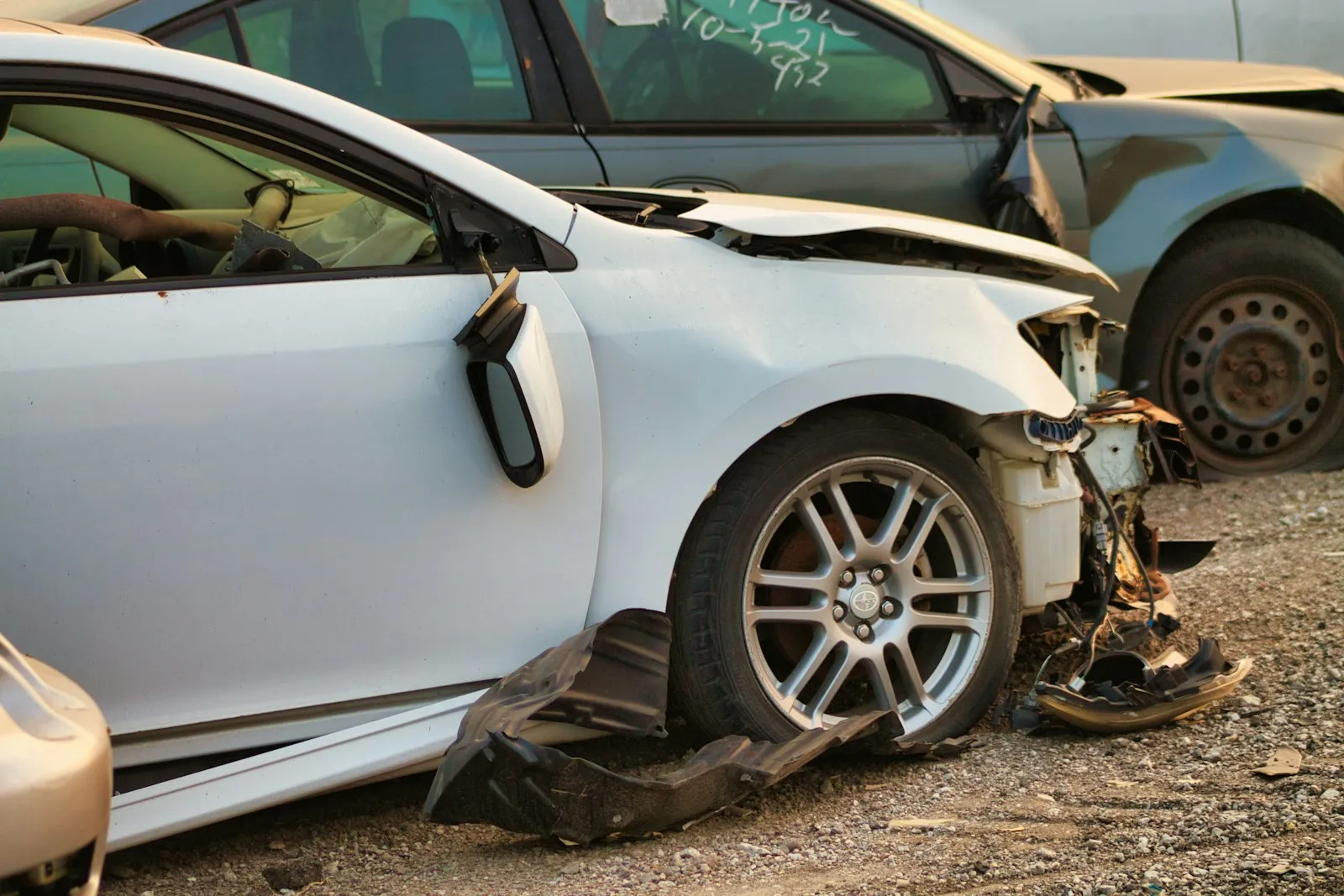
Because so many wrong-way crashes involve alcohol or drugs, families often find themselves following two cases at once. The criminal case belongs to the prosecutor and concerns punishment. The civil claim belongs to the injured person or the family and concerns compensation. The two run separately, on different timetables and under different standards of proof, and the outcome of one does not decide the other.
Impairment can also widen the circle of responsibility. New York’s Dram Shop Act, General Obligations Law § 11-101, may allow a person injured by an intoxicated driver to bring a claim against whoever unlawfully sold or furnished the alcohol that caused the intoxication. A common example is a bar or restaurant that kept serving a patron who was already visibly intoxicated. The firm’s article on drunk driving and dram shop claims in Queens goes further into that subject.
The Injuries Frontal Impacts Leave Behind
Seat belts and airbags save lives, but in a frontal impact they concentrate force across the chest and abdomen, and the legs are often trapped as the front of the car folds inward. The injuries seen most often reflect that: fractures of the legs, ankles, hips, pelvis, ribs and wrists; chest injuries, including broken sternums and injuries to the heart and lungs; abdominal injuries to the liver, spleen or bowel that may not be obvious at first; and spinal injuries ranging from fractured vertebrae to damage to the cord itself.
Head injuries are a particular concern. The sudden deceleration can cause a traumatic brain injury even when the head never strikes anything, and the symptoms of a milder injury, such as headaches, trouble concentrating, irritability or sensitivity to light, may not be recognized for days. The CDC’s overview of traumatic brain injury and concussion describes those signs. Anyone involved in a serious frontal crash should be evaluated by a doctor and should follow up on whatever that doctor recommends, including when symptoms seem to fade. The firm has written separately about concussion and mild TBI claims after a car accident and about catastrophic spinal cord injury claims and life care plans.
No-Fault Benefits and the Serious Injury Threshold
No-fault coverage pays medical bills and a portion of lost wages regardless of who caused the crash. That application generally has a 30-day window. The firm’s no-fault claims guide walks through the process.
To recover for pain and suffering from the at-fault driver, an injured person generally must show a “serious injury” as defined by Insurance Law § 5102(d). The categories include fractures, significant disfigurement, permanent loss of use of a body organ, member, function or system, permanent consequential or significant limitations, and a medically determined injury that prevents a person from performing substantially all of their usual activities for 90 of the first 180 days. In many head-on cases a fracture alone meets that threshold; in others, consistent medical documentation does much of the work.
Each driver involved in a crash where someone was injured, or where damage exceeds $1,000, generally must also file a DMV Form MV-104 within 10 days.
Policy Limits, Multiple Insurers and SUM Coverage
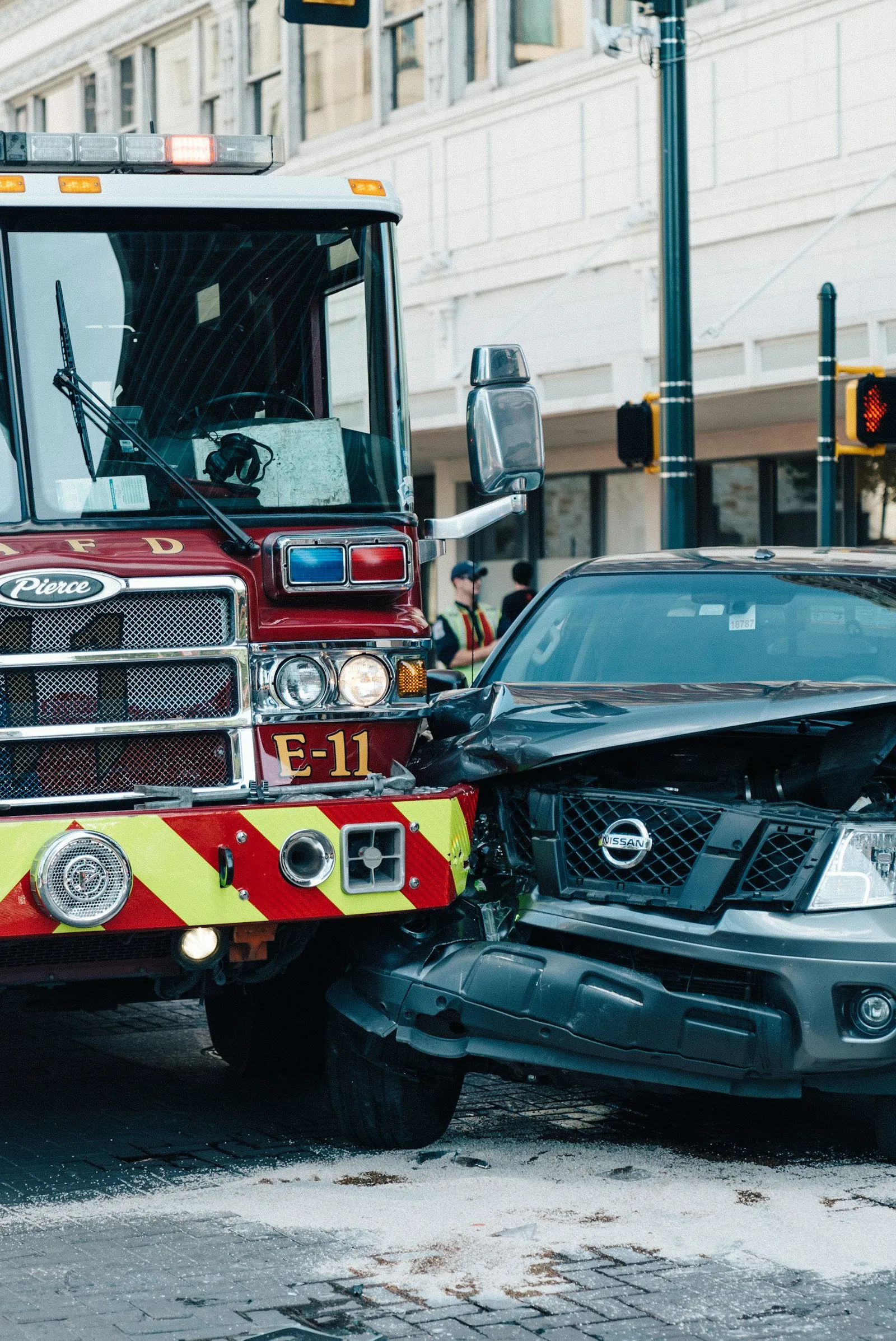
Serious head-on crashes produce losses that can outrun the minimum coverage many drivers carry, so part of the early work is identifying every policy that might apply. The at-fault driver may have a personal policy. If that driver was using someone else’s car with permission, New York law generally makes the owner liable as well, which can bring the owner’s coverage into the picture. If the driver was working at the time, the employer may be responsible. A dram shop claim, where one exists, may involve a separate commercial policy.
When those sources are still not enough, the injured person’s own insurance may help. Supplementary uninsured/underinsured motorist coverage, usually called SUM, can apply when the at-fault driver’s limits are too low to cover the harm. If the driver fled or had no insurance at all, the household’s uninsured motorist coverage or MVAIC may be the route.
When a Head-On Crash Takes a Life
Families who have lost someone face grief and paperwork at the same moment, and legal deadlines are the last thing on anyone’s mind. Still, the law sets them. A wrongful death action in New York generally must be brought within two years of the death, and if a city vehicle or other municipal vehicle was involved, a notice of claim may be required far sooner. An estate usually needs to be opened, and a personal representative appointed, before a wrongful death claim can proceed.
The firm handles these claims with the care they call for. More detail is available on the wrongful death practice page, and a family does not need to have every document in order before calling.
What a Head On Collision Lawyer Does in the Early Weeks
If you or someone close to you has been hurt in one of these crashes, the early weeks will likely be about medical care, and that is as it should be. The legal side can run quietly alongside it. A head on collision lawyer will typically move to preserve the vehicles before they are salvaged, request the police report and any 911 recordings, look for traffic or business cameras that may have recorded the approach, and obtain event data from vehicle modules that record speed and braking in the seconds before impact. If impairment is suspected, the lawyer will look into where the other driver had been. All of that evidence can disappear quickly if no one asks for it.
Your own role is smaller but still important. Keep every medical appointment, hold on to bills and records, and write down what you remember about the crash while it is fresh. Avoid giving a recorded statement to the other driver’s insurer until you have had advice. For most claims against a private driver, you generally have three years to sue under CPLR § 214, but waiting has costs that have nothing to do with the deadline: memories fade, footage is overwritten and wrecked vehicles are crushed. The firm’s broader car accident practice page outlines what a full claim usually involves.
Yakov Mushiyev & Associates works from 1 Cross Island Plaza in Rosedale, at the edge of Queens and Nassau, and represents people injured throughout New York City and Nassau County. Over $80 million has been recovered for injured New Yorkers. A first conversation costs nothing, the firm collects no fee unless the case is won, and meetings can happen at your home, in a hospital room or by video, in English, Russian or Spanish. You can reach the office at 718.775.3110 or through the firm’s contact form.
Frequently Asked Questions About Head-On Collision Claims
The other driver says ice caused the crash. Does that end my claim?
Not necessarily. The emergency doctrine can protect a driver who reacted reasonably to a sudden emergency they did not create, but ice in a New York winter may not count as sudden, and driving too fast for the conditions can make the emergency the driver’s own doing. Whether the defense holds up depends on the weather, the road and the evidence of how the driver was operating the car.
Do I need to wait for the drunk driver’s criminal case to end?
No. The criminal prosecution and your civil claim are separate matters. A conviction can support the civil case, but the civil claim can generally proceed on its own schedule, and the deadlines that apply to it keep running regardless of what happens in criminal court.
What if the at-fault driver has only a small insurance policy?
A head on collision lawyer will usually look for other coverage, including the vehicle owner’s policy, an employer’s policy or a dram shop claim against a bar. Your own SUM coverage may also apply when the other driver’s limits are too low to cover your losses.
How is a wrongful death claim different from an injury claim?
A wrongful death claim is brought by the personal representative of the estate on behalf of the family, and it generally must be filed within two years of the death rather than three years from the crash. Readers dealing with a different kind of violent crash may also find the firm’s article on road rage and aggressive driver claims useful.
Visit Yakov Mushiyev & Associates
Our office is at 1 Cross Island Plaza, Suite 325, Rosedale, NY 11422, just off the Cross Island Parkway on the Queens–Nassau border. If you can’t come to us, we’ll come to you: at home, in the hospital or by video.

Talk to a Queens head-on collision lawyer today
Yakov Mushiyev & Associates has recovered over $80 million for injured New Yorkers across the five boroughs and Nassau County. Consultations are free, available in English, Russian and Spanish, and there is no fee unless we win.
Call 718.775.3110 or contact us online for a free case review.
This article is general information, not legal advice. Every case is different. Attorney Advertising.