
Most Lyft accident articles are written for the person in the back seat. This one is for everyone else on the street: the grandmother crossing Broadway with groceries, the delivery worker pedaling down Grand Avenue, the student walking from the Grand Avenue–Newtown station to class. If a Lyft car struck you while you were on foot or on a bike in Elmhurst, you were never part of the ride, you have no receipt in your phone, and you may not even know the car was a Lyft. You still have rights, and this guide explains them in plain language.
Yakov Mushiyev & Associates, P.C. offers free consultations in English, Russian and Spanish, at home, in the hospital or by video, with no fee unless we win. Call 718.775.3110 at any hour. If you were a rider rather than a pedestrian, our Lyft accident lawyer Elmhurst page covers passenger claims in detail.
Why Walkers and Cyclists Cross Paths With Lyft Cars So Often Here
Elmhurst is a walking neighborhood. People move between the M and R stations on Queens Boulevard, the 7 on Roosevelt Avenue, the shops on Broadway and the bus stops in between. At the same time, app-based cars are constantly arriving and leaving: picking up shoppers at Queens Center, dropping off patients at Elmhurst Hospital, heading to LaGuardia or the Long Island Expressway. The two streams meet at the curb and in the crosswalk.
Some driving habits are especially risky for people outside the car:
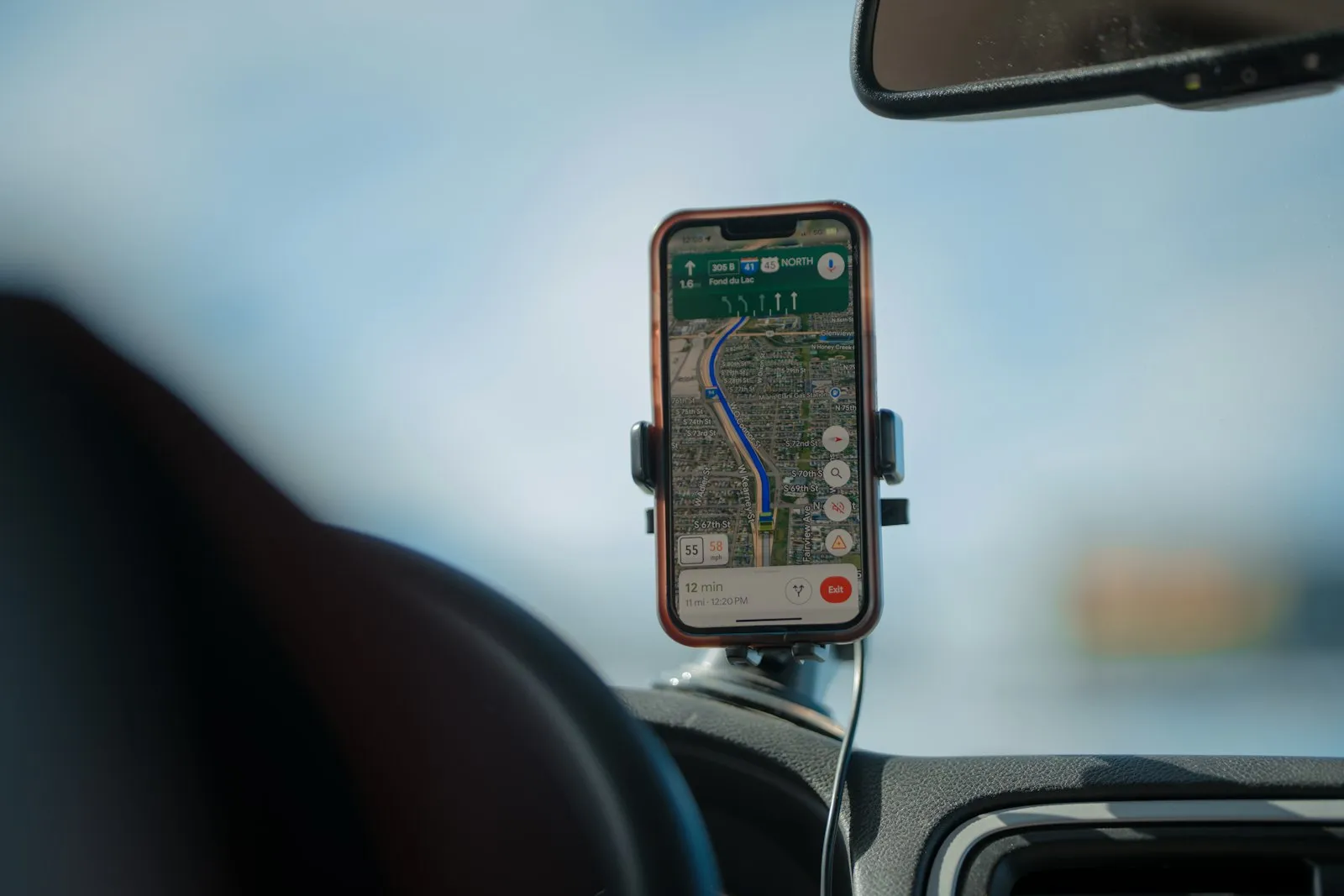
- Turning while reading the screen. A driver checking the next turn on the navigation app may look down just as someone steps off the curb.
- Sudden curb dives. Pulling over to meet a rider can mean cutting across a bike lane or a cyclist’s path.
- Doors opening into traffic. A passenger getting out on the street side can knock a cyclist off a bike.
- Rushing between trips. A driver racing to the next pickup may push through a yellow light at a wide intersection like Queens Boulevard and Woodhaven Boulevard.
Who Pays When a Lyft Hits You on Foot or on a Bike
Start with no-fault. New York’s Personal Injury Protection (PIP) pays medical bills, lost earnings and other basic economic loss regardless of who caused the crash. A passenger usually claims from the car they were riding in, but a pedestrian or cyclist claims from the vehicle that struck them. When that vehicle is a Lyft, your no-fault claim goes to the Lyft car’s commercial for-hire insurer. You do not need to own a car or have your own auto policy for this to work.
Because Lyft cars in New York City are licensed by the Taxi & Limousine Commission, TLC insurance minimums apply to trips that start here:
| Coverage on a Lyft car in NYC | TLC minimum | What it does for a pedestrian or cyclist |
|---|---|---|
| No-fault (PIP) | $100,000 per person since March 1, 2026 | Pays medical bills and lost earnings regardless of fault |
| Bodily injury liability | $100,000 per person / $300,000 per occurrence | Funds a claim for pain and suffering if the driver was at fault and the injury is serious enough |
| Uninsured/underinsured motorist | Far lower than under the state rideshare rule | Rarely the main source for a person hit by the Lyft itself |
You may have read about a $1.25 million rideshare requirement, but that is the state rule for trips that start outside New York City, such as a ride from Elmont or Valley Stream in Nassau. Inside the city, the TLC minimums govern. Lyft may carry additional coverage above the TLC minimums on some trips; whether it applies, and how much, has to be confirmed from the insurer and the trip record. Crashes before March 1, 2026 may still fall under the no-fault limits of the policy that was then in force.
Want a broader view of how no-fault works? The Department of Financial Services auto insurance page explains the basics for consumers.
No App, No Receipt: How to Identify the Car That Hit You
A Lyft passenger can screenshot a trip. You cannot. That is why the minutes after the crash, and the help of people around you, matter so much. If you are able, or if someone is with you, try to gather the following:
- The license plate. Lyft cars in NYC carry TLC plates. A photo of the plate is the single most useful thing you can have.
- The driver’s name and TLC license. TLC drivers are licensed by the city, and the police can record this information.
- Whether a rider was in the car. A passenger in the back seat suggests an active trip; an empty car may still have been on the way to a pickup.
- Any app decal or phone mount you notice, which can help show the car was working for an app.
- Witnesses. A name and phone number from someone at the bus stop or outside a store is enough.
- A police report. Ask for the officers’ names and the precinct so the report can be found later.
If you could not collect any of this because you were taken away by ambulance, that is common and it is not the end of your case. A lawyer can work from the police report, request the Lyft trip record through the insurer, and ask nearby stores for video before it is recorded over.
The Driver’s App Status, Explained
One piece of evidence in Lyft cases that does not exist in ordinary car crashes is the driver’s status in the app at the moment of impact. It is part of the trip record, and it helps confirm which coverage responds and whether any additional Lyft coverage is in play.
- App off: the driver was not logged in to work.
- Waiting for a request: logged in, available, no rider assigned.
- En route to a pickup: a ride was accepted and the driver was heading to the rider.
- Passenger aboard: a trip was underway.
You will not know this status on your own, and you do not need to. What matters is that it is preserved and requested early, before records become harder to obtain.
Blame Hits Walkers and Cyclists Hardest Under the 2026 Rules
For Lyft passengers, their own fault is rarely an issue. For people on foot or on a bike, it often is. Insurers may say you were outside the crosswalk, crossing against the signal, riding the wrong way or wearing dark clothing at night. In 2026, those arguments became more dangerous.
Under new CPLR 1411(b), in a motor-vehicle injury lawsuit filed on or after May 26, 2026, a claimant whose share of fault is greater than the defendant’s (or the defendants’ combined share) recovers nothing. A claimant at 50% or less has the award reduced by that percentage. Under Insurance Law § 5104, fault is decided first, before anyone looks at whether the injury is serious. These rules apply to lawsuits filed on or after that date regardless of when the crash happened.
Hypothetical example: A cyclist heading along Grand Avenue is struck by a Lyft that swings to the curb for a pickup. The insurer argues the cyclist was riding too fast. If a jury found the cyclist more at fault than the driver, the cyclist would recover nothing; at 30% fault, the award would be reduced by 30%. Evidence such as video and the trip record can make the difference.
The practical advice is simple. Do not apologize or guess about what happened at the scene, especially in a second language under stress. Say you were hurt, give your basic details, and tell the full story later, with help, in the language you are most comfortable using.
When Your Injury Qualifies for More Than No-Fault
No-fault pays your basic economic loss. To recover for pain and suffering against the Lyft driver, the injury must be “serious” under Insurance Law § 5102(d). After the 2026 budget, the law lists eight categories: death; dismemberment; significant disfigurement; a fracture; loss of a fetus; permanent loss of use of a body organ, member, function or system; permanent consequential limitation of use of a body organ or member; and significant limitation of use of a body function or system.
Pedestrians and cyclists hit by cars often suffer fractures and limitations of movement, but the medical records have to show it. Tell every doctor that a vehicle hit you, describe every symptom, and ask for an interpreter if you need one so nothing is lost in translation.
Your Deadline Checklist
- Within 30 days: send your no-fault application to the Lyft car’s insurer.
- Within 90 days: serve a notice of claim if a city or MTA vehicle was also involved.
- Within 3 years: start a personal injury lawsuit.
- Within 2 years: bring a wrongful death claim on behalf of a family member, limited in New York to pecuniary damages.
If you were driving your own car when a Lyft hit you, check whether you must file an MV-104 report with the DMV.
On Foot Around Queens Center, Broadway–Queens Boulevard and Elmhurst Hospital
Queens Center is a major shopping mall on Queens Boulevard near Woodhaven Boulevard, drawing shoppers from across the borough. Pedestrians arrive from the Woodhaven Boulevard and Grand Avenue–Newtown stations, and Lyft riders gather at the curbs waiting for cars. For a person walking past, the risk is a driver focused on spotting a rider, not on the crosswalk. Cars pulling in and out of the service road and looping back toward Woodhaven Boulevard add to the confusion, especially on weekends and in the holiday season.
The Broadway and Queens Boulevard corridor is where most of Elmhurst’s foot traffic and car traffic overlap. Broadway’s diagonal path creates angled intersections, while Queens Boulevard is so wide that crossing it on foot takes real time. Lyft drop-offs on both streets often happen right where people are stepping off the curb.
Elmhurst Hospital, operated by NYC Health + Hospitals on Broadway, sees patients and visitors arriving by every means, including app-based cars. People walking out after treatment, sometimes slowly or with a cane, share the curb with cars dropping off and picking up, and with ambulances that need the lane clear.
Lyft Accident FAQs for Pedestrians and Cyclists
I don’t have a car or car insurance. Can I still get no-fault benefits?
Yes. A pedestrian or cyclist claims no-fault benefits from the vehicle that struck them, so the Lyft car’s insurer handles your claim.
How do I prove the car was a Lyft?
Through the plate, the police report, witness accounts and, later, the trip record and driver status obtained from the insurer or the company.
Does it matter whether a passenger was in the car?
It can. The driver’s app status is used to confirm which coverage applies. Your no-fault claim against the car’s policy does not depend on it.
What if the insurer says I was crossing against the light?
No-fault benefits are still payable. For a lawsuit filed on or after May 26, 2026, though, being found more at fault than the driver would bar recovery, so the evidence on fault matters a great deal.
I was hit while riding a bike for a delivery job. Is that different?
It may add questions about other sources of benefits. Bring the details of your job to your consultation so we can review every option with you.
Can I talk to someone in Spanish or Russian?
Yes. Consultations are available in English, Russian and Spanish, at your home, the hospital or by video. You can see how we have helped others on our settlements page.
About Elmhurst: Local FAQs
How do I get to Queens Center without a car?
Take the M or R train to Woodhaven Boulevard, or to Grand Avenue–Newtown and walk east along Queens Boulevard.
Is Elmhurst close to LaGuardia Airport?
Yes. LaGuardia is a short drive north, which is one reason so many app-based cars pass through the neighborhood.
Where is the nearest emergency room?
NYC Health + Hospitals/Elmhurst on Broadway is the neighborhood’s own hospital and a common ambulance destination after crashes nearby.
What ZIP code is Elmhurst in?
Most of Elmhurst uses 11373, though addresses near its edges may fall under neighboring ZIP codes.
Which neighborhoods are next door?
Jackson Heights, Corona, Rego Park, Woodside, Maspeth and Middle Village. We also handle cases for neighbors, such as a Lyft accident in Corona.
Where would my case be filed?
Elmhurst is in Queens County, so an injury lawsuit is usually filed in Queens County Supreme Court in Jamaica.
Hurt by a Lyft in Elmhurst? Let’s Talk
Being hit by a car you were never riding in can feel unfair and confusing. You did not choose the driver, you have no app record, and the insurance company may already be talking about your fault. We can take that weight off you. Hurt by a yellow or green cab instead? See our Elmhurst taxi accident lawyer page. For other crashes, read about our car accident practice or our Elmhurst accident lawyers.

- Call 718.775.3110 for a free case review; phone intake is open 24/7 and the office is open Monday to Friday, 9 to 6
- Send a message through our contact page
- Meet us at 1 Cross Island Plaza, Suite 325, Rosedale, NY 11422, or ask us to come to you
Attorney Advertising. This is general information about New York law, not legal advice, and reading it does not create an attorney-client relationship. Every case depends on its own facts. Prior results do not guarantee a similar outcome.