
Sunnyside has always belonged to people on foot. Its garden courts were planned so that neighbors would cross paths, its shops line the sidewalks under the 7 train, and a good share of residents get through the week without ever sitting behind a wheel. That is exactly why a Lyft accident in Sunnyside so often involves someone who was never in the car at all: a pedestrian crossing Queens Boulevard, a cyclist on Skillman Avenue, a parent pushing a stroller past a driver hunting for an address. If that was you, this article explains how your claim works, where it differs from a passenger’s, and what to gather while the details are fresh.
Outside the Car Is a Different Claim
A Lyft passenger looks to the car they were riding in. You look to the car that hit you. Under New York’s no-fault system in Insurance Law § 5102, pedestrians and cyclists generally claim personal injury protection (PIP) from the vehicle that struck them, and PIP pays medical bills, lost earnings and other basic economic loss regardless of fault.
When that vehicle is a Lyft car on a trip that began in New York City, it is a for-hire vehicle licensed by the NYC Taxi & Limousine Commission, and the TLC’s insurance minimums apply:
- No-fault PIP of $100,000 per person, effective March 1, 2026. Crashes before that date may fall under the policy then in force.
- Liability coverage of at least $100,000 per person and $300,000 per occurrence for for-hire vehicles with fewer than eight seats.
- Possibly more. Lyft may carry additional coverage above the TLC minimums on some trips, but whether it applies, and how much, has to be confirmed from the insurer and the trip record.
You may have read about a much larger state rideshare figure. That rule covers trips that start outside the city, in places like Nassau or Westchester, and it is not the starting point for a car whose trip began in Sunnyside. Our Lyft accident lawyer Sunnyside page walks through that contrast and the passenger side of these cases in more detail.
One gap is worth knowing about. Uninsured and underinsured motorist coverage on TLC vehicles in New York City is far lower than under the state rideshare rule. If a serious injury outstrips the coverage behind the car that hit you, your own supplementary (SUM) coverage, or a household relative’s, may become part of the picture. It is one of the first things we check.
Where Walkers, Riders and Lyft Cars Cross Paths
Lyft drivers behave a little differently from other traffic. They are following a pin on a phone, looking for one passenger, and often stopping wherever that passenger happens to stand. In Sunnyside, that habit meets several stretches that are already demanding:
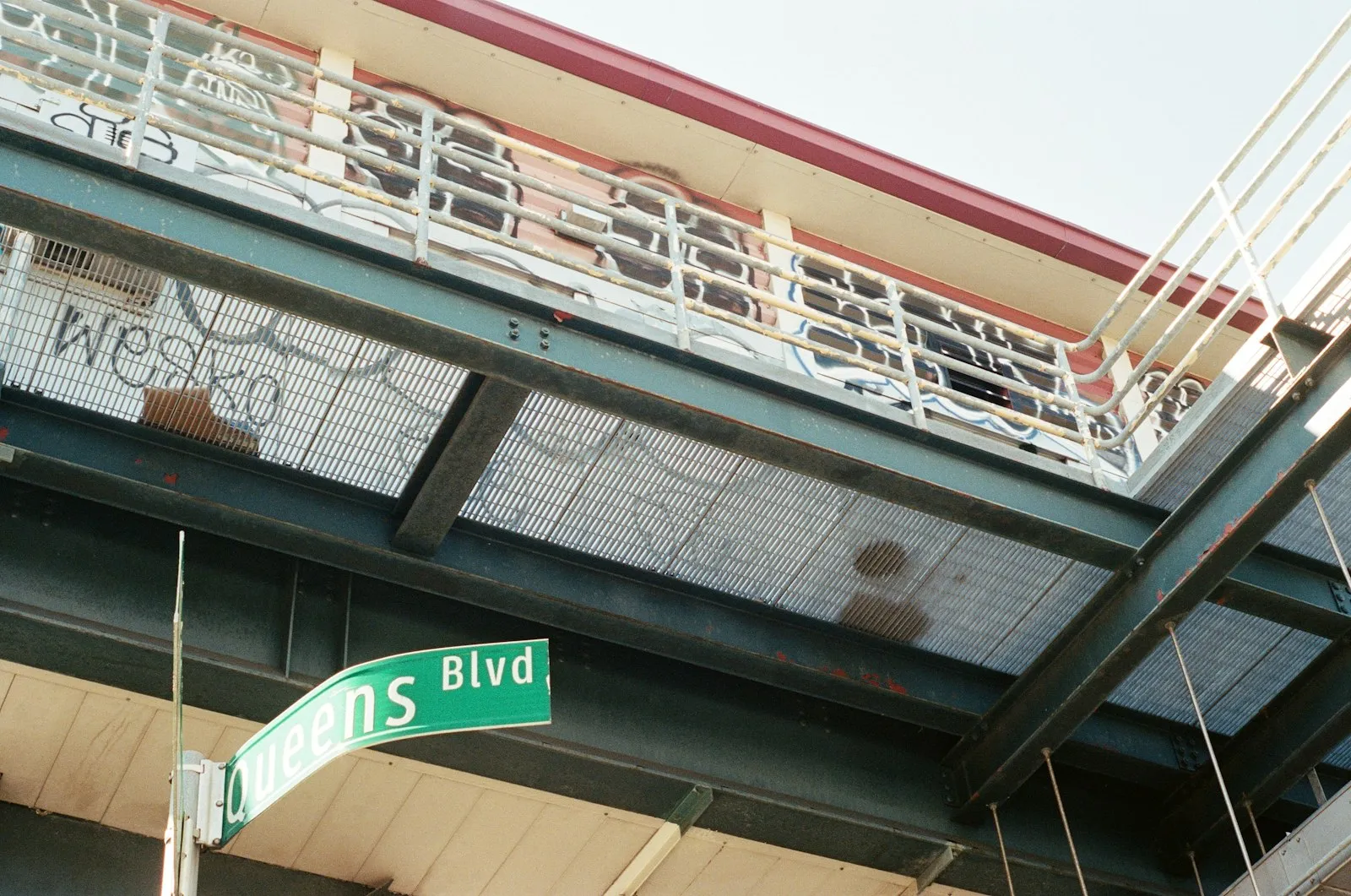
- Queens Boulevard under the el. The 7 train’s columns sit in the roadway and hide people stepping out from between parked cars. Stations at 33rd St–Rawson St, 40th St–Lowery St and 46th St–Bliss St are natural pickup points.
- Skillman Avenue and 43rd Avenue. Both carry cyclists toward Long Island City, and both see Lyft cars stopping in the lane to load riders. A rear door opened on the traffic side can catch a passing bike.
- Greenpoint Avenue. Its diagonal path creates angled intersections where turning drivers can miss someone in the crosswalk.
- The Gardens’ side streets. Narrow blocks with parking on both sides, where drivers creep, stop and reverse while checking house numbers.
The Arch, the Gardens and the Drop-Off Moment
Two landmarks define Sunnyside for visitors. The Sunnyside Gardens Historic District is a planned garden community designed by Clarence Stein and Henry Wright, with rowhouses that face shared interior courtyards rather than turning their backs to one another. It remains a New York City historic district and a place architects and planners still come to study. The Sunnyside arch, meanwhile, spans Queens Boulevard near 46th Street beside the 46th St–Bliss St station, a sign that has become the neighborhood’s front door.
For someone on foot, the risk around these places comes less from speed than from stopping. A Lyft dropping a rider by the arch may halt in a travel lane, and the car behind swerves toward the crosswalk. A driver picking someone up at a Gardens address may back up a few car lengths after overshooting the pin. A rider climbing out of the back seat may open a door into the path of a cyclist turning off Skillman. None of these involve dramatic driving, yet each can leave a person seriously hurt.
The people Sunnyside Gardens was designed for, the ones walking between courtyard and shop, are the ones most exposed when a ride-hail car stops where it should not.
Why Fault Matters More When You Were Walking
For a Lyft passenger, the rider’s own fault is rarely an issue. For pedestrians and cyclists, it can decide the case. Under new CPLR 1411(b), in motor-vehicle injury actions under Insurance Law Article 51 commenced on or after May 26, 2026, a claimant whose fault is greater than the defendant’s (or the defendants’ combined) recovers nothing. A claimant whose fault is 50% or less has the recovery reduced in proportion. Claims that do not involve a motor vehicle remain under CPLR 1411(a).
Insurance Law § 5104 now also requires the fact-finder to decide fault before deciding whether the injury is serious. These rules apply to lawsuits filed on or after May 26, 2026, no matter when the crash happened.
A hypothetical example: Imagine a cyclist riding along 43rd Avenue who is struck when a Lyft driver pulls out from the curb without looking. The insurer argues the cyclist was riding too close to parked cars. Under the new rule, how the fact-finder divides fault between the two matters enormously, which is why early evidence of the driver’s movements is so valuable.
What to Gather When You Did Not Have the App Open
A passenger has the ride receipt on their phone. You do not, so the work of identifying the car falls to you and the people around you. If you are able, or if someone can help:
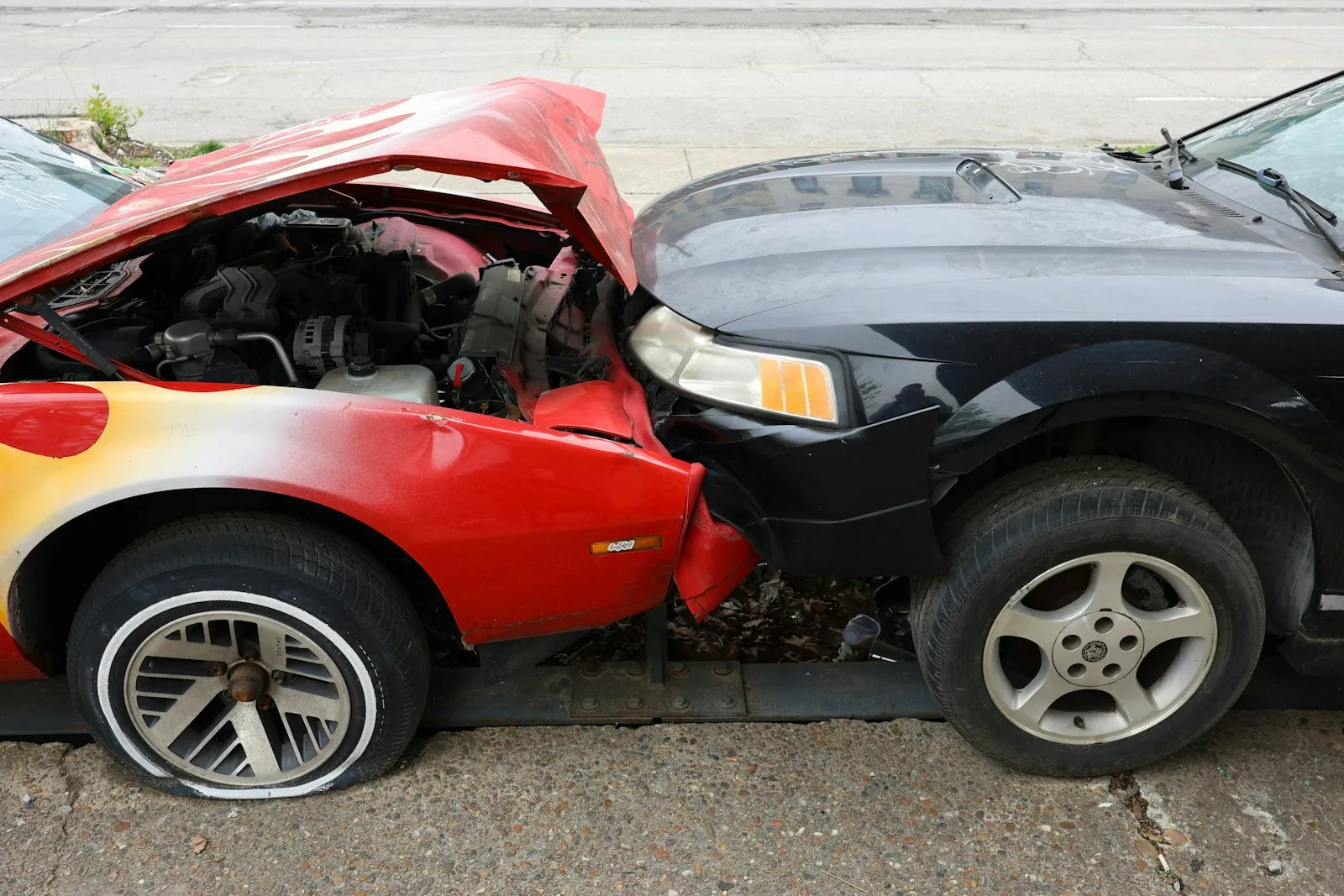
- Photograph the plate. Lyft cars in the city carry TLC plates, which tie the vehicle to its license and insurer.
- Get the driver’s name and TLC license details if they will share them, plus the name of any passenger in the car.
- Ask whether a rider was aboard. The driver’s status, whether the app was off, waiting for a request, en route to a pickup or carrying a passenger, can affect which coverage applies.
- Call the police so a report is made. Drivers may also need to file a report with the New York DMV.
- Collect witnesses and cameras. Note storefronts on Queens Boulevard or Skillman Avenue that might have recorded the crash; footage is often overwritten quickly.
- Get medical care the same day, even if you feel mostly shaken. Some injuries surface later, and the record starts with the first visit.
Serious Injury, in Plain Terms
No-fault covers economic loss. To recover for pain and suffering, you must show a “serious injury.” The 2026 state budget removed one former category from the list, leaving eight:
- Death
- Dismemberment
- Significant disfigurement
- Fracture
- Loss of a fetus
- Permanent loss of use of a body organ, member, function or system
- Permanent consequential limitation of use of a body organ or member
- Significant limitation of use of a body function or system
Pedestrians and cyclists struck by a car often suffer the kinds of injuries on this list, but each one has to be documented by treating providers over time.
Your Deadlines at a Glance
| Deadline | What it is for | Source |
|---|---|---|
| 30 days | No-fault application to the insurer of the car that struck you | 11 NYCRR 65-1.1 |
| 90 days | Notice of claim if a New York City or MTA vehicle was involved | General Municipal Law § 50-e |
| 3 years | Personal injury lawsuit | CPLR 214(5) |
| 2 years | Wrongful death action (pecuniary damages only) | EPTL 5-4.1 |
Lyft Accident FAQs for People on Foot and on Bikes
A Lyft hit me but had no passenger. Can I still claim?
Yes. Pedestrians and cyclists claim no-fault from the vehicle that struck them. The driver’s app status at the time can affect which coverage applies beyond that, which is why the trip record matters.
A Lyft passenger opened the door into my bike. Who is responsible?
It depends on the facts, including where the driver stopped and how the door was opened. No-fault benefits generally come from the vehicle involved, and responsibility beyond that is decided from the evidence.
The driver says I stepped out between parked cars. Is my case over?
Not necessarily. For lawsuits filed on or after May 26, 2026, you can recover a reduced amount if your share of fault is 50% or less. You recover nothing only if your fault is greater than the defendant’s.
Do I need my own car insurance to get no-fault?
Generally no. A pedestrian or cyclist claims from the vehicle that struck them. If that driver had little insurance, a household relative’s policy may also be worth reviewing.
How do I find out which insurer covers the Lyft car?
The TLC plate and license are the starting point. Lawyers can also request the trip record, which shows whether a passenger was aboard and helps confirm which policy applies.
What if it was a yellow cab, not a Lyft?
The basic no-fault rules are similar, but the details differ. See our Sunnyside taxi accident page, and our general FAQ page for broader questions.
About Sunnyside: Local FAQs
Who designed Sunnyside Gardens?
The planned garden community was designed by Clarence Stein and Henry Wright. Its rowhouses face shared courtyards, and the area is a New York City historic district.
What is the big rail yard north of the neighborhood?
That is Sunnyside Yard, a large rail yard owned by Amtrak. It separates Sunnyside from Astoria, so only a few bridges cross it.
Is Sunnyside bike-friendly?
Many cyclists ride Skillman Avenue and 43rd Avenue toward Long Island City. Watch for cars stopping to load passengers and for doors opening on the traffic side. Neighbors to the west can see our Long Island City Lyft accident page.
Where does the 7 train go from Sunnyside?
West into Manhattan and east toward Flushing, with Sunnyside stops at 33rd St–Rawson St, 40th St–Lowery St and 46th St–Bliss St. The LIRR stops nearby at Woodside.
What ZIP code covers most of Sunnyside?
Most of the neighborhood uses 11104.
Which hospitals serve the area?
Elmhurst Hospital and Mount Sinai Queens in Astoria are both a short drive away. In an emergency, call 911.
Where would a lawsuit from Sunnyside be filed?
Sunnyside is in Queens County, so a case would typically go to Queens County Supreme Court in Jamaica. The New York State Unified Court System publishes general court information.
Here is Sunnyside Gardens and the streets around it:
Talk It Through With Us

If a Lyft driver hit you while you were walking or riding in Sunnyside, you do not have to sort out the insurers and the new 2026 rules on your own. Call 718.775.3110 or request a free case review. We consult in English, Russian and Spanish, visit at home, in the hospital or by video, and charge no fee unless we win. Our office is at 1 Cross Island Plaza, Suite 325, Rosedale, NY 11422, open Monday through Friday, 9 to 6, with phone intake 24/7. Learn more about how we help across the borough on our Queens accident lawyer page and our car accident practice area.
Attorney Advertising. This is general information about New York law, not legal advice, and reading it does not create an attorney-client relationship. Laws change, and every case depends on its own facts. Prior results do not guarantee a similar outcome.