
Airport trips are a different kind of Lyft ride. The rider is watching the clock, the driver is reading a terminal map and a phone at the same time, and the trip ends at a crowded curb where cars, buses, luggage carts and pedestrians share a few lanes. East Elmhurst sits directly south of LaGuardia Airport, so a large share of the Lyft traffic on its streets is heading to or from a flight. This guide explains what happens, legally and practically, when a LaGuardia Lyft ride ends in a crash: which insurance applies, why the starting point of the trip matters, what travelers who fly out the next day should do, and what the driver’s side of the claim looks like.
If you are looking for representation rather than background, our Lyft accident lawyer page for East Elmhurst covers the firm’s services, the 2026 rule changes and the full list of deadlines.
Three Moments When an Airport Lyft Trip Goes Wrong
Airport-related Lyft crashes tend to cluster around three points in the trip. Knowing which one applies to you helps sort out whose insurance responds first.
- The approach. The car is on the Grand Central Parkway, Astoria Boulevard or 94th Street with a passenger aboard. A sudden lane change toward an airport ramp, or a rear-end collision in stop-and-go traffic, is the typical pattern.
- The curb. The car stops at a departures curb or an app pickup area. Doors open, trunks open, and riders step between vehicles. Pedestrians and other passengers are exposed here as much as the rider.
- The wait. The driver has dropped off a passenger and is waiting, app on, for the next airport request, often on neighborhood blocks south of the airport. A crash at this stage involves no passenger, but the driver’s app status still matters.
LaGuardia’s Terminals and the Roads That Feed Them
LaGuardia Airport, operated by the Port Authority of New York and New Jersey, is the closer of the city’s two major commercial airports to Manhattan, which makes it a common choice for business travelers. Passengers use Terminal A at the historic Marine Air Terminal, along with Terminals B and C. Travelers, flight crews and airport employees all move through the same small set of roads.
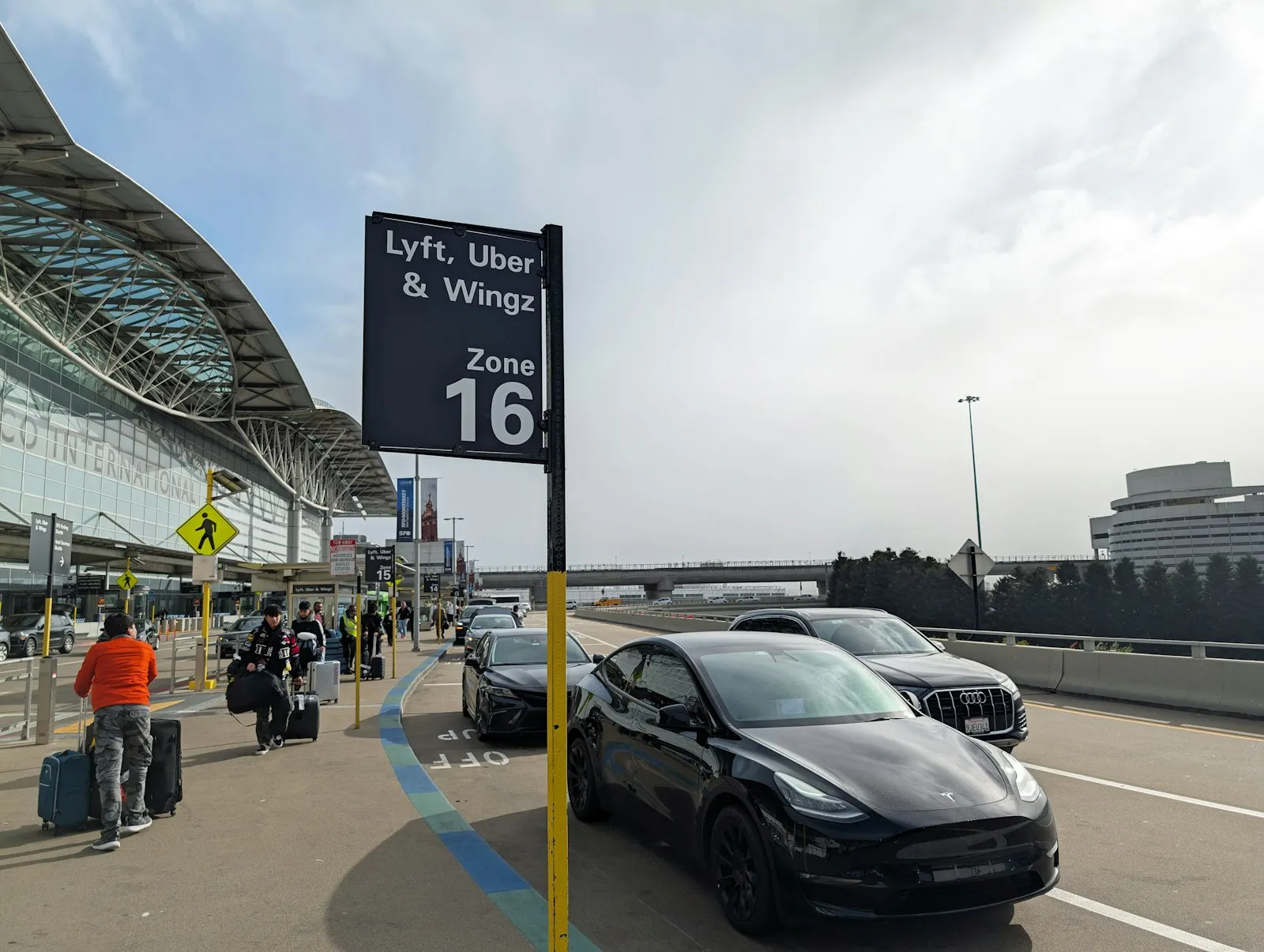
Lyft drivers coming from Manhattan typically arrive on the Grand Central Parkway, which runs along the airport’s southern edge and connects to the Robert F. Kennedy Bridge to the west and the Van Wyck and Whitestone expressways to the east. Astoria Boulevard runs beside the parkway and serves as the local alternative; 94th Street leads directly into the airport. Drop-offs happen at the departures curbs. Pickups for app rides are directed to designated areas that the airport assigns, and those locations can change, so riders should follow the posted signs and the directions in the app rather than flagging a car at the curb.
Why the pickup walk matters
Between the terminal door and the pickup area, a rider with bags is a pedestrian. If a car strikes you there, including another Lyft car, you are generally treated as a pedestrian and claim no-fault benefits from the vehicle that hit you, not from the Lyft you were about to board.
Where the Trip Started Decides Which Insurance Rules Apply
In New York City, Lyft cars are TLC-licensed for-hire vehicles, so Taxi and Limousine Commission insurance minimums apply to trips that start in the city. For a car with fewer than eight seats, that means liability coverage of $100,000 per person and $300,000 per occurrence, and no-fault (PIP) coverage of $100,000 per person since March 1, 2026. Lyft may carry additional coverage above the TLC minimums on some trips; whether it applies, and how much, has to be confirmed from the insurer and the trip record.
Airport rides are where the starting point matters most, because many LaGuardia trips cross the city line. A ride that begins in Nassau County, say from Valley Stream or Elmont, and ends at a LaGuardia terminal starts outside New York City, so the state rideshare rules govern it instead, including the $1.25 million liability requirement while a passenger is aboard that applies to trips outside the city.
| Example trip | Where it starts | Insurance framework |
|---|---|---|
| East Elmhurst home to Terminal B | Queens (NYC) | TLC minimums |
| Terminal C pickup to Midtown Manhattan | Queens (NYC) | TLC minimums |
| Elmont to Terminal A | Nassau County | State rideshare rules |
| Valley Stream to LaGuardia, crash on the Grand Central Parkway | Nassau County | State rideshare rules, even though the crash happened in Queens |
Whatever framework applies, the no-fault application goes to the insurer of the Lyft car a passenger was riding in, and it is due within 30 days of the accident. The New York State Department of Financial Services publishes consumer information on how no-fault works.
A Hypothetical: The Ditmars Boulevard Run
The following scenario is hypothetical and is used only to illustrate how the rules fit together.
A visitor staying with family in East Elmhurst requests a Lyft to Terminal C. On the way, the Lyft driver turns left from Ditmars Boulevard and is struck by a private car that ran a red light. The rider suffers a fractured wrist. A cyclist nearby is clipped by the Lyft car as it spins and injures a shoulder.
- The rider files for no-fault benefits with the Lyft car’s commercial insurer within 30 days. A fracture is one of the eight serious injury categories, so a claim for pain and suffering may proceed against the at-fault driver, here likely the private car.
- The cyclist claims no-fault benefits from the vehicle that struck him, the Lyft car. Any lawsuit would weigh his own conduct under the new fault rule.
- The Lyft driver, if hurt, would generally look to the Black Car Fund for work-injury benefits, and might also have a claim against the private driver.
If the private car carried little insurance, the injured people’s own supplementary uninsured/underinsured motorist coverage, or a household relative’s, could become important, because that coverage on TLC vehicles is far lower than under the state rideshare rule.
The Driver’s Side: Waiting for an Airport Request

If you drive for Lyft in New York City and are hurt while working, your own work injury is generally covered through the New York Black Car Fund, the workers’ compensation system for black-car and app-based for-hire drivers. That benefit is separate from any passenger’s claim.
The app records whether you were off, waiting for a request, heading to a pickup, or carrying a passenger. Screenshot that status and your trip history as soon as you can. If another driver caused the crash, you may also have a claim against that driver, and as a driver your own share of fault will be weighed under the new rule described below.
For Travelers Who Fly Out After the Crash
A crash on the way to the airport often leaves the rider with a choice: get checked out locally or catch the flight. Your health comes first. If you do travel, these steps protect a claim you will be pursuing from somewhere else.
- Screenshot the Lyft receipt, trip ID, driver name and plate, and the route map before you board.
- Report the crash to police and in the Lyft app, and keep any confirmation.
- Photograph the vehicles, the curb or street signs, and any visible injuries.
- See a doctor promptly wherever you land, and tell the doctor how the injury happened.
- Calendar the 30-day no-fault deadline and the three-year lawsuit deadline under CPLR 214(5).
- Keep the Lyft app installed; your trip history is stored there.
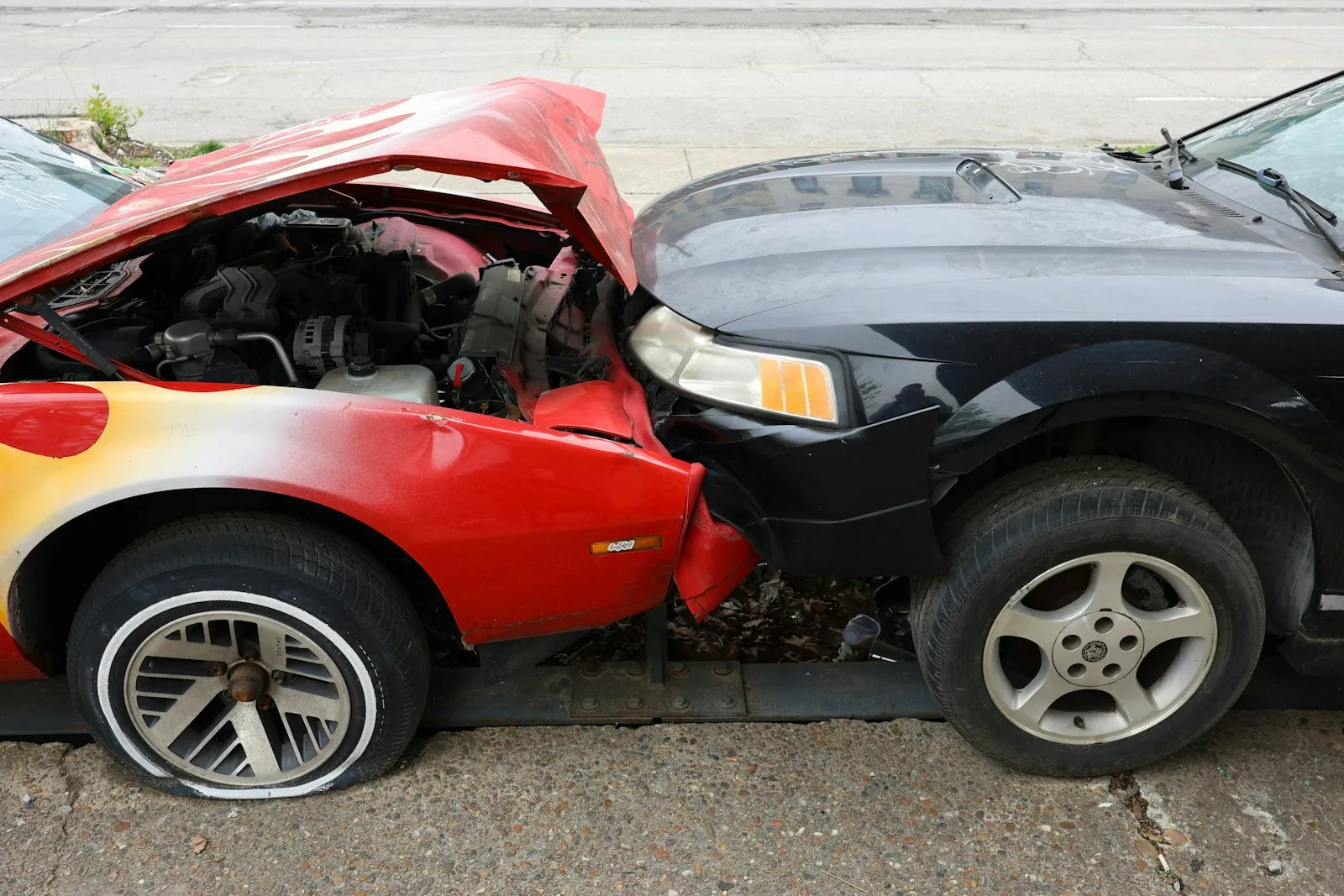
A claim from a Queens crash generally follows New York law and New York deadlines, even if you live in another state. Leaving town does not pause the 30-day no-fault clock.
Medical Records and the 2026 Rules
For lawsuits filed on or after May 26, 2026, two changes shape airport-ride cases. First, a claim for pain and suffering requires an injury in one of eight serious injury categories, including fracture, significant disfigurement, and significant limitation of use of a body function or system. Second, under CPLR 1411(b), a claimant whose fault exceeds the defendant’s recovers nothing, and one who is 50% at fault or less has the award reduced in proportion. The fact-finder decides fault first.
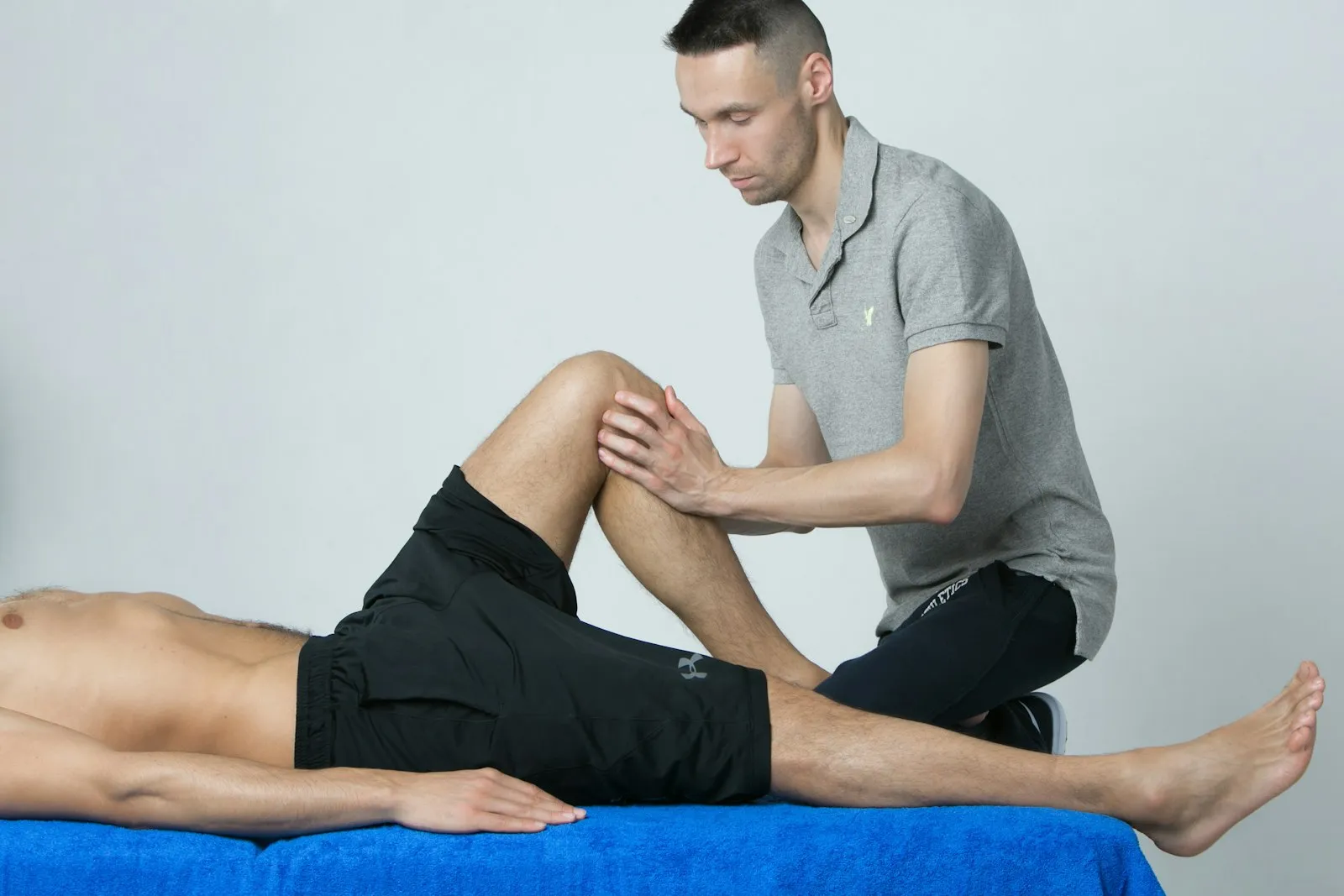
A Lyft passenger is rarely at fault, so the fault rule mostly affects pedestrians at the curb, cyclists and drivers. For everyone, consistent medical records are what connect the injury to the crash and to the serious injury categories. More background is on our car accident practice page.
LaGuardia Lyft Accident FAQs
I was hit while walking to the app pickup area. Whose insurance pays?
As a pedestrian, you generally claim no-fault benefits from the vehicle that struck you, whether or not it was the Lyft you had requested.
My ride came from Long Island. Does that change anything?
Possibly. A trip that starts in Nassau or Westchester falls under the state rideshare rules rather than TLC minimums, even if the crash happens in Queens.
Can I handle the claim from another state?
Yes. We can work with you by phone and video, and request your records directly. The deadlines are the same as for a local resident.
I missed my flight because of the crash. Is that recoverable?
No-fault covers basic economic loss such as medical bills and lost earnings. Whether other costs can be recovered depends on the facts, so keep every receipt and ask us to review them.
Should I report the crash in the Lyft app as well as to police?
Yes. Report it to police and through the app’s safety or help tools, and save any confirmation along with your receipt.
What if I was in a yellow cab instead?
Taxi claims follow similar no-fault rules but differ in the details. See our East Elmhurst taxi accident page.
East Elmhurst and the Airport: Local FAQs
How do I get from East Elmhurst to LaGuardia without a car?
The M60 Select Bus Service runs along Astoria Boulevard to the terminals, and the Q70 LaGuardia Link connects the airport to the Jackson Heights–Roosevelt Avenue subway hub.
Which subway lines serve the area?
East Elmhurst has no subway station of its own. The nearest hub, Jackson Heights–Roosevelt Avenue, is served by the 7 and the E, F, M and R lines.
Which terminals does LaGuardia have?
Terminal A at the Marine Air Terminal, and Terminals B and C.
What ZIP code is East Elmhurst?
The main ZIP code is 11369. The neighborhood borders Jackson Heights and Corona, with Astoria to the west and Flushing Bay to the east.
Where would a lawsuit be filed?
East Elmhurst is in Queens County, so an injury lawsuit is typically filed in Queens County Supreme Court in Jamaica.
We also handle Lyft cases in nearby Jackson Heights and across the borough through our Queens accident lawyer practice.
Talk to Us About Your Airport Ride

Hurt in or by a Lyft car on the way to or from LaGuardia? Yakov Mushiyev & Associates, P.C. offers a free case review, consultations in English, Russian and Spanish, and home, hospital or video visits. There is no fee unless we win. Call 718.775.3110, phone intake is answered 24/7, or contact us online. You can also review our past settlements; every case turns on its own facts.
Yakov Mushiyev & Associates, P.C.
1 Cross Island Plaza, Suite 325, Rosedale, NY 11422
Monday–Friday, 9 a.m. to 6 p.m.
Attorney Advertising. This is general information about New York law, not legal advice. Reading this post does not create an attorney-client relationship. Laws change, and every case depends on its own facts; consult a lawyer about your situation. Prior results do not guarantee a similar outcome.