
The facts of a train injury are usually recorded somewhere. Platform cameras, train event recorders, crew reports, dispatcher logs, maintenance tickets for the doors and the gap fillers, even the tap of a MetroCard or OMNY card that shows when a rider entered the system. The problem is that almost none of that evidence belongs to the person who got hurt, and much of it is overwritten on a schedule.
This report-style guide walks through how train accident claims actually work in Queens, the borough where the Long Island Rail Road, the subway, Amtrak and the AirTrain all converge. It covers who owns which tracks, why the deadlines are far shorter than most people expect, and what a Queens train accident lawyer does in the first weeks of a case. If you or someone in your family was hurt on a train or platform, you can reach Yakov Mushiyev & Associates at 718.775.3110 for a free review.
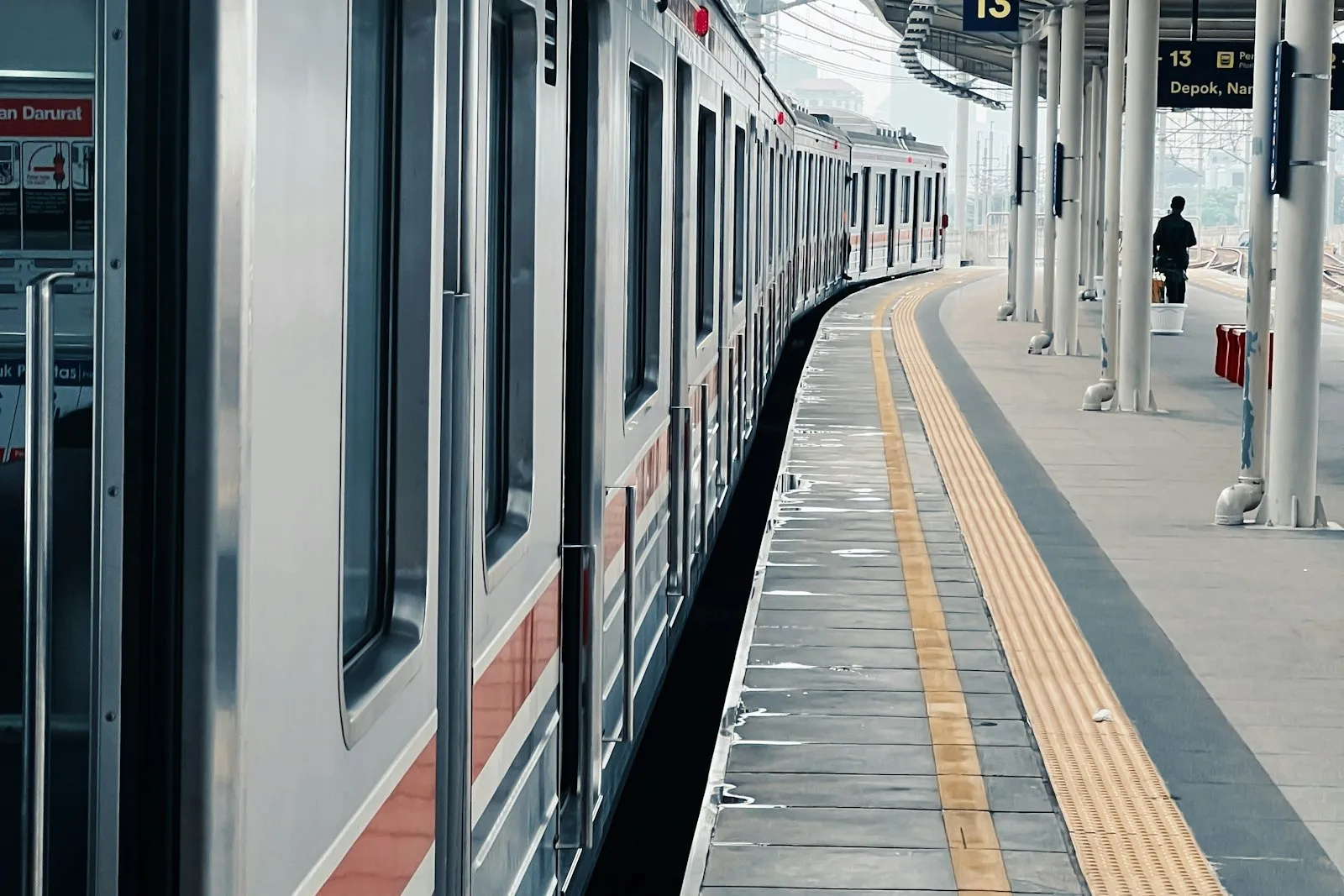
Who Runs the Trains in Queens? It Matters More Than You Think
The first question in any train case is a deceptively simple one: whose train was it? The answer decides the deadlines, the notice requirements and the court.
- Long Island Rail Road (LIRR). A subsidiary of the Metropolitan Transportation Authority, the LIRR runs through Jamaica, Woodside, Forest Hills, Kew Gardens, Flushing, Bayside, Rosedale and more. Claims are against a public authority, which triggers special notice rules.
- New York City Transit (the subway). Also part of the MTA. Queens is served by elevated and underground lines including the 7, E, F, M, R, G, J, Z and the A to the Rockaways.
- Amtrak. A federally chartered passenger railroad whose Northeast Corridor crosses Queens over the Hell Gate Bridge and through Sunnyside Yard.
- AirTrain JFK. Operated for the Port Authority of New York and New Jersey, connecting Jamaica and Howard Beach to the airport terminals.
Each operator has its own insurance, its own claims department and its own rules. A claim sent to the wrong agency, or sent too late, can be fatal to an otherwise strong case.
The Deadlines: The Single Biggest Trap in Train Cases
Most New Yorkers have heard that they have three years to bring an injury lawsuit. For claims against the MTA family, that is not the rule that matters most.
- Notice within 90 days. For claims against the MTA itself and New York City Transit, a sworn Notice of Claim generally has to be served within 90 days of the accident under General Municipal Law § 50-e, describing the time, place and nature of the claim. For MTA subsidiaries such as the LIRR, the formal notice rule works differently, but the claim still has to be presented to the railroad at least 30 days before a lawsuit is filed. Because it is easy to guess wrong about which rule applies, we treat 90 days as the working deadline in every transit case.
- Possible examination before suit. The authority can demand a hearing, sometimes called a 50-h examination, where you answer questions under oath.
- A lawsuit within one year and 90 days. The Public Authorities Law sets short limitation periods for these entities. For the MTA and its subsidiaries, including the LIRR, Public Authorities Law § 1276 generally requires a tort lawsuit to be started within one year and ninety days, and similar rules apply to New York City Transit.
Claims against Amtrak or a private contractor generally follow different rules, and railroad workers hurt on the job usually bring claims under the Federal Employers’ Liability Act (FELA) rather than workers’ compensation. If you are not sure which category you fall into, assume the shortest deadline applies and get advice quickly.
In practice, the 90-day clock is the reason we tell train accident victims to call early. A missed notice can sometimes be fixed with a court application, but it is never guaranteed.

How Train and Platform Injuries Happen
Major derailments make headlines, but most of the cases we see in Queens are quieter and far more common:
- Platform gap falls. Curved platforms and older stations can leave a wide space between the car and the platform edge. Riders step into the gap, often while boarding during a rush.
- Door injuries. Closing doors that strike or trap a rider, or a train that moves while someone is caught.
- Sudden stops and lurches. Standing passengers thrown into poles, seats or other riders when an operator brakes hard.
- Stairs, escalators and elevators. Wet or broken steps at elevated stations, out-of-service escalators that become makeshift stairs, and elevator malfunctions.
- Crowding and pushing. Overcrowded platforms during service disruptions, when crowd control breaks down.
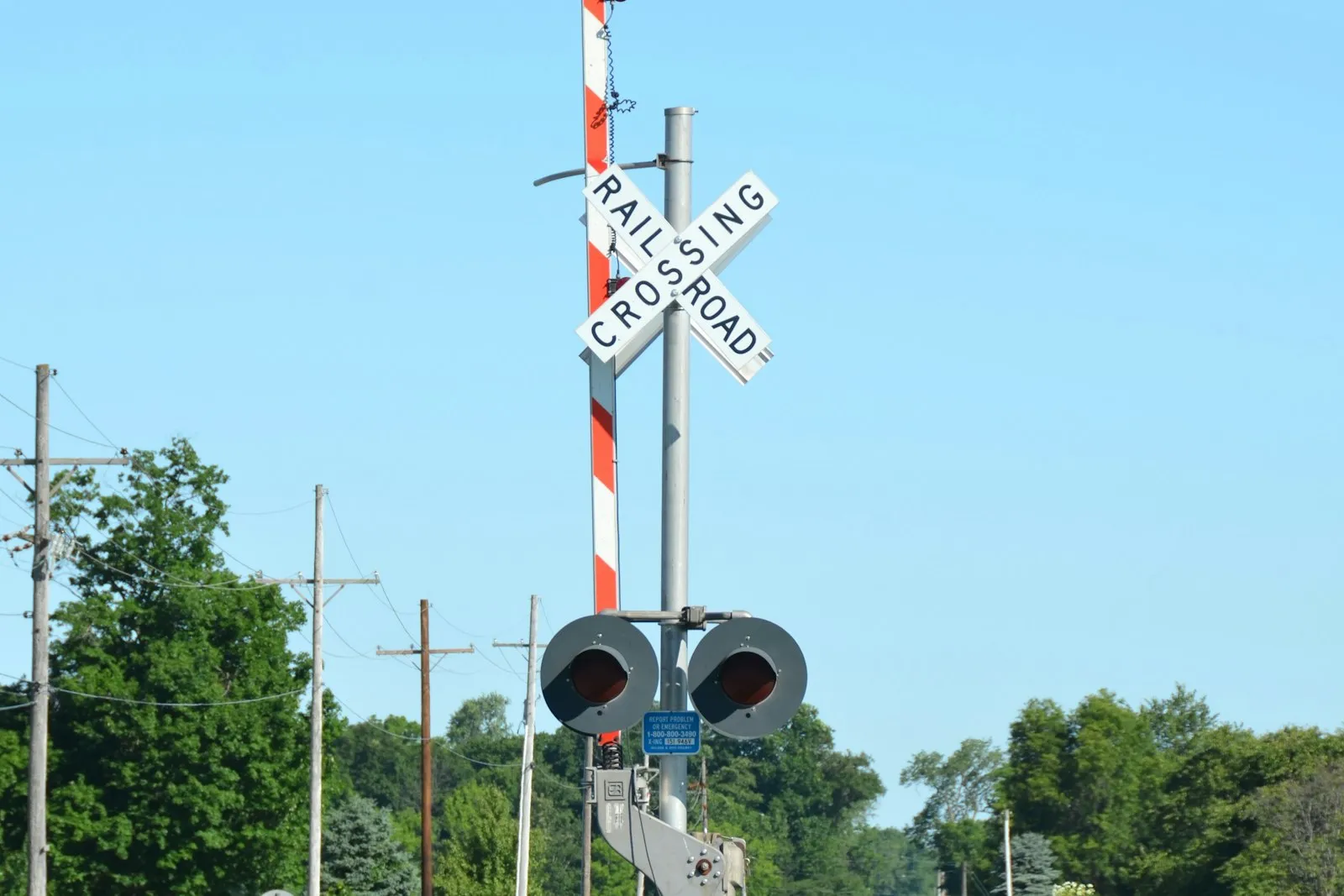
- Grade crossing collisions. Vehicles or pedestrians struck where tracks cross a road.
- Assaults on transit property, which can sometimes support a claim when the operator knew of a specific danger and failed to act.
Not every fall on a train is someone else’s fault. The legal question is whether the operator, through its employees or its maintenance, failed to use reasonable care. For a sudden stop, for instance, New York courts typically look for evidence that the movement was unusual and violent, not just the ordinary jerks of a moving train.
What Happens to Your Medical Bills?
Here is a detail that surprises many riders: New York’s no-fault system, explained in our no-fault insurance guide, is built around motor vehicles. A subway car or commuter train generally is not a “motor vehicle” for no-fault purposes, so the automatic no-fault benefits that cover car and bus crash victims usually do not apply to train injuries.
That means your own health insurance often pays first, and the full value of your claim, including medical costs, lost wages and pain and suffering, comes through a negligence claim against the responsible operator. Keep every bill, explanation of benefits and pay stub. Health insurers may have a right to be repaid from any recovery, and we negotiate those liens as part of the case.
Comparative Fault: When the Railroad Blames the Rider
Expect the operator to argue that you were distracted, rushing, or standing too close to the edge. New York uses pure comparative negligence under CPLR 1411. If a jury decides you were partly responsible, your compensation is reduced by your share of fault, but you are not barred from recovering. A rider found 25 percent at fault still recovers 75 percent of the damages.
This is why early evidence matters so much. Video showing a crowded platform, a door that reopened and closed again, or a conductor who signaled departure while a passenger was still boarding can shift the fault picture dramatically.
Three Queens Rail Landmarks and the Stories They Tell
1. Jamaica Station
Jamaica is the beating heart of the LIRR, where most branches meet before heading west to Manhattan and Brooklyn. Its historic station building dates to 1913, and today the complex links the LIRR, the E, J and Z subway lines, and AirTrain JFK. That density is exactly why Jamaica sees so many transfer-related falls: riders hurrying across platforms with luggage, crowded stairways during service changes, and tight connections. If you were hurt here, the exact platform and staircase matter, because different agencies may be responsible for different parts of the complex.
2. Hell Gate Bridge from Astoria Park
From the lawns of Astoria Park, the steel arch of the Hell Gate Bridge dominates the skyline. Completed in 1917, it carries Amtrak trains on the Northeast Corridor between Queens and the Bronx. It is a reminder that Queens is not just a commuter borough but a link in a national rail network. Injuries involving Amtrak trains or Amtrak property raise federal questions, and the investigation may involve the Federal Railroad Administration.
3. Sunnyside Yard
Stretching across Long Island City and Sunnyside, Sunnyside Yard is one of the largest rail yards on the East Coast, used by Amtrak and other railroads to store and service trains. Rail yard injuries usually involve workers rather than passengers, and they are typically governed by FELA, which lets injured railroad employees sue their employer for negligence. Contractors and visitors can have separate claims against the property owner or other companies working in the yard. Our work-related injury practice handles these overlapping claims.
Inside the Investigation: What a Queens Train Accident Lawyer Requests
Within days of being hired, we typically send preservation demands and requests for:
- Station and on-board video from every camera angle covering the incident.
- Train event recorder data, which can show speed, braking and door operation.
- Crew incident reports, dispatcher communications and any accident report filed with regulators.
- Maintenance and inspection records for the doors, platform edges, stairs or escalator involved.
- Prior complaints about the same location, which can show the operator knew of the danger.
- 911 records and EMS run sheets.
We also document the scene ourselves: platform measurements, lighting, signage and the condition of the steps. If you were hurt at a subway station, our earlier article on suing the MTA for a subway station fall goes deeper into station-specific issues. For crashes involving MTA buses instead of trains, see our bus accident lawyer page.
When a train accident takes a life, families face the same short deadlines on top of unimaginable grief. Our guide for families considering a Queens wrongful death claim explains who can bring the case and how damages work.
Getting to Our Rosedale Office From Jamaica
Our office is at 1 Cross Island Plaza, Suite 325, Rosedale, NY 11422. From Jamaica Station, the LIRR Far Rockaway and Long Beach branches run to Rosedale station in a few stops, and the office is a short ride from there. Drivers usually take the Van Wyck Expressway south to the Belt Parkway east. If you are recovering from an injury that makes travel hard, we will come to you or meet by video.
Open turn-by-turn directions from Jamaica, Queens in Google Maps
Train Accident FAQs
How long do I have to file a claim after an LIRR or subway accident in Queens?
Claims against the MTA and New York City Transit generally require a Notice of Claim within 90 days, and LIRR claims must be presented to the railroad before suit. Lawsuits against these entities generally must be filed within one year and 90 days under the Public Authorities Law, far shorter than the usual three years, so speak with a lawyer quickly.
Does no-fault insurance cover a train or subway injury?
Usually not. New York no-fault benefits are tied to motor vehicles, and trains and subway cars generally do not qualify. Your health insurance typically pays first, and a negligence claim against the operator can recover the full range of damages.
Can I still recover if I was partly at fault for falling into the platform gap?
Yes. New York follows pure comparative negligence, so your compensation is reduced by your percentage of fault rather than eliminated. Evidence such as video and maintenance records often limits how much blame can fairly be placed on the rider.
I work for the railroad. Do I file for workers’ compensation?
Railroad employees, including many LIRR and Amtrak workers, generally bring injury claims under the Federal Employers’ Liability Act instead of state workers’ compensation. FELA requires proof of employer negligence but allows a broader recovery. The rules are technical, so get advice early.
What should I do right after a train accident?
Report the incident to the crew or station staff, get medical care, photograph the scene and your injuries, collect witness names, keep your MetroCard, OMNY record or ticket, and contact a Queens train accident lawyer quickly so video and records can be preserved before they are erased.
Talk to a Queens Train Accident Lawyer
The railroad has investigators working on its side from the moment an incident is reported. You deserve someone on yours. Call Yakov Mushiyev & Associates at 718.775.3110 or contact us online for a free consultation. Learn more about attorney Yakov Mushiyev and our personal injury practice.
This article is general information, not legal advice, and reading it does not create an attorney-client relationship. Every case turns on its own facts. Attorney Advertising. Prior results do not guarantee a similar outcome.