
A flight lands late, the taxi line moves quickly, and a few minutes later the cab is merging onto the Grand Central Parkway past the edge of East Elmhurst. Most of those rides end without incident. When one does not, the passenger is often tired, far from home, holding luggage and unsure of what to do next. This article focuses on a specific situation: a taxi or for-hire vehicle crash connected to a LaGuardia Airport trip, and the first decisions an injured traveler, resident or pedestrian makes in the hours and days that follow. It is written for people who need clear steps, not a sales pitch.
Why Airport Rides Create Their Own Kind of Claim
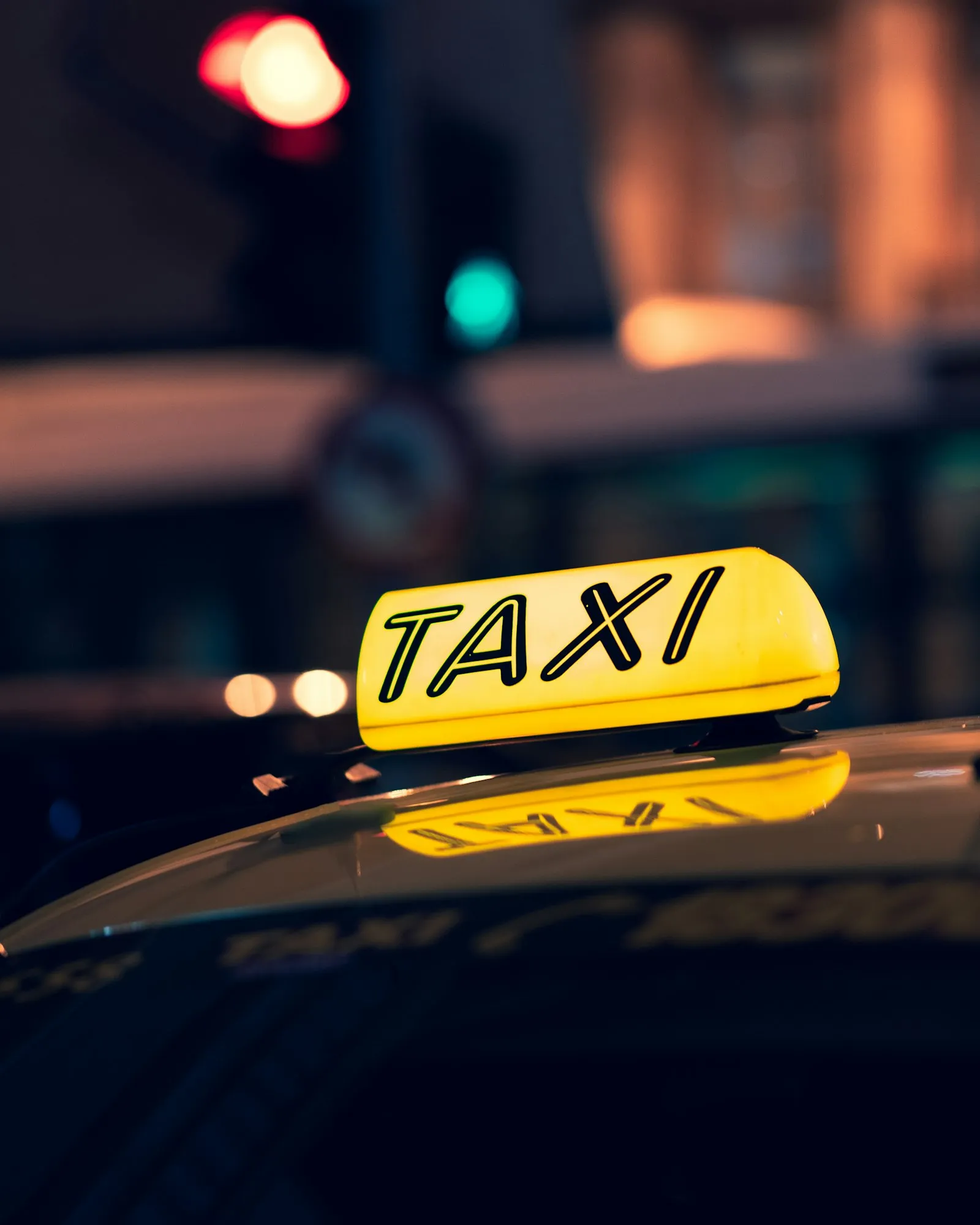
Airport trips differ from ordinary neighborhood rides in a few ways that matter later. The passenger may not live in New York. The trip may have been booked through an app, hailed at a taxi stand, or arranged as a prepaid car service. The vehicle may be a yellow cab, a green cab, a black car or an app-based car, all of which are licensed by the NYC Taxi and Limousine Commission. And the crash may happen on a parkway ramp, at a terminal curb or on a residential East Elmhurst street the driver used as a shortcut. Each of those details changes which records exist and who holds them.
LaGuardia’s Terminals and the Roads Around Them
LaGuardia Airport occupies the waterfront directly north of East Elmhurst, along Flushing Bay and Bowery Bay. Its passenger facilities include Terminal A at the Marine Air Terminal, along with Terminals B and C. Travelers choose it for domestic flights because it is the closest major airport to Manhattan, which also means a large share of its passengers arrive and leave by taxi or for-hire car.
The traffic pattern around the terminals is predictable in outline:
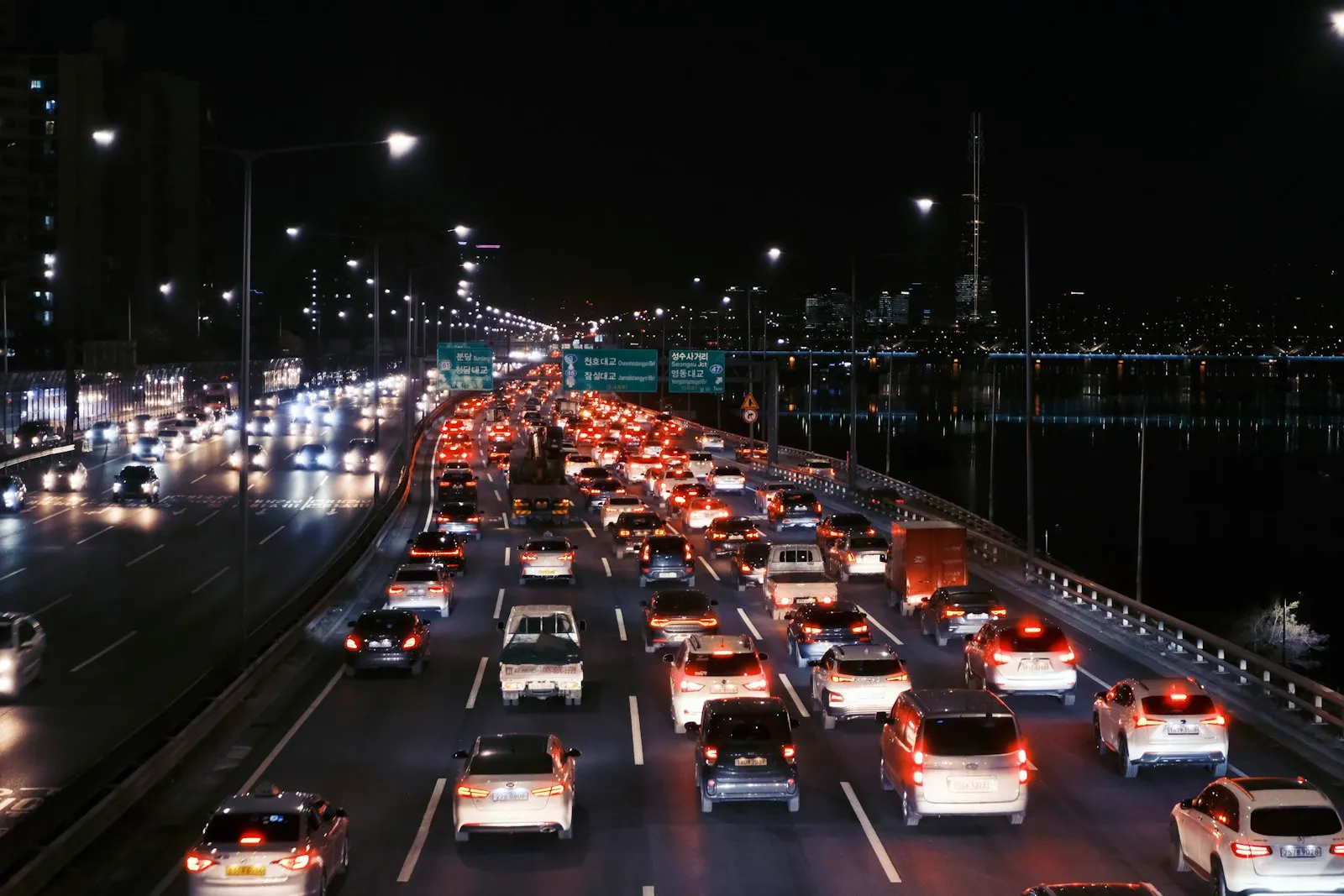
- The Grand Central Parkway runs along the airport’s southern side and carries most through traffic to and from Manhattan, the Bronx and eastern Queens.
- Astoria Boulevard parallels the parkway as a local route, where cabs exit to avoid backups and then meet bus stops, turning cars and pedestrians.
- 94th Street connects East Elmhurst directly to the airport road network.
- Terminal curbs and taxi stands concentrate pickups, drop-offs, open doors and people handling bags in a small space.
- Airport buses such as the M60 Select Bus Service and the Q70 LaGuardia Link share the same lanes and curbs.
Knowing where on this map a crash happened helps determine which cameras may have recorded it and whether a public vehicle was involved, which in turn triggers a much shorter deadline discussed below.
The First Hour: What to Do at the Scene
- Get to safety and call 911 if anyone is hurt or traffic is blocked. On a parkway, stay inside the vehicle if leaving it would put you in moving lanes.
- Accept medical evaluation. Adrenaline after a long travel day can mask pain. A record made that night is valuable.
- Photograph the cab. Capture the medallion or TLC license number, the license plate, the roof light or trade dress, and any company or app markings.
- Get the driver’s information, including name, TLC license, insurance and, for an app trip, which platform dispatched the ride.
- Screenshot your trip. Save the app receipt, route map and driver profile, or keep the printed taxi receipt.
- Collect witness names and numbers, including other passengers and people waiting at the curb.
- Ask for the police report number before officers leave.
Days One Through Thirty: The No-Fault Window
New York is a no-fault state. Personal injury protection (PIP) pays medical expenses, lost earnings and other basic economic loss regardless of who caused the crash, as set out in Insurance Law § 5102. The single most time-sensitive step after a taxi crash is this one: the no-fault application must be filed within 30 days of the accident.
Which policy do you apply to?
| Your role in the crash | Where no-fault benefits generally come from |
|---|---|
| Passenger in a taxi or for-hire car | The vehicle you were riding in |
| Pedestrian at a curb or crosswalk | The vehicle that struck you |
| Cyclist | The vehicle that struck you |
For TLC-licensed vehicles, the required PIP coverage is $100,000 per person, effective March 1, 2026, reduced from the previous $200,000 under a TLC rule implementing Local Law 90 of 2025. The standard New York minimum for private cars is $50,000 per person. Medallion taxis must also carry bodily injury liability coverage of at least $100,000 per person and $300,000 per occurrence. The Department of Financial Services offers consumer information on auto insurance and no-fault claims.
Travelers who fly home the next morning often assume they can deal with paperwork later. The 30-day no-fault deadline runs whether you are in Queens or a thousand miles away.
A Hypothetical: Two Injuries, One Crash
The following scenario is hypothetical and is used only to illustrate how the rules apply. A cab leaving the Grand Central Parkway onto Astoria Boulevard rear-ends a car stopped at a light, and the impact pushes the car into a pedestrian crossing to a bus stop. The cab’s passenger, on her way home from LaGuardia, injures her wrist. The pedestrian injures his knee.
- The passenger would generally claim PIP from the cab she was riding in.
- The pedestrian would generally claim PIP from the vehicle that struck him, which here is the car that was pushed.
- Any claim for pain and suffering would go against the driver at fault, which the facts suggest is the cab driver, and would require a serious injury.
The point of the example is that the policy paying for treatment and the policy answering for fault are not always the same.
Weeks Two and Beyond: Building the Injury Case
To pursue compensation for pain and suffering after a vehicle crash, the injury must meet New York’s serious injury threshold. The 2026 state budget removed one category that had previously existed and left eight: death; dismemberment; significant disfigurement; fracture; loss of a fetus; permanent loss of use of a body organ, member, function or system; permanent consequential limitation of use of a body organ or member; and significant limitation of use of a body function or system.
Practical steps during this stage include:
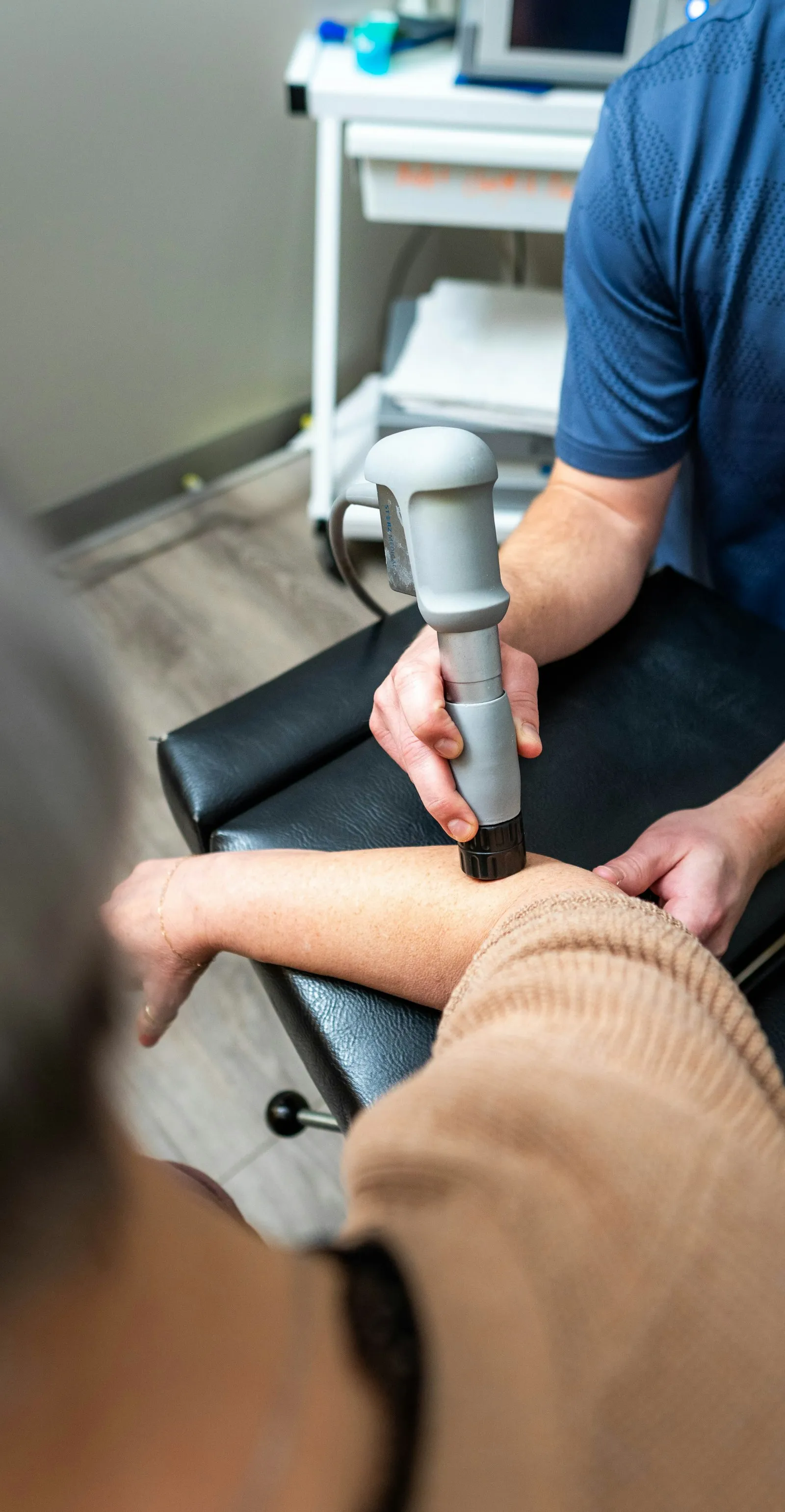
- Following through with imaging, specialist referrals and physical therapy as your doctors recommend.
- Keeping a simple log of symptoms, missed work and activities you can no longer do.
- If you live outside New York, making sure your home providers know the treatment is related to a New York crash so bills are routed to the no-fault carrier.
- Declining to give recorded statements to another driver’s insurer until you understand your rights.
How fault is weighed now
For motor-vehicle injury lawsuits commenced on or after May 26, 2026, new CPLR 1411(b) applies regardless of when the accident occurred. A claimant whose share of fault is greater than the defendant’s, or the defendants’ combined share, recovers nothing; a claimant who is 50% at fault or less has the recovery reduced in proportion. The fact-finder must also decide fault before deciding serious injury. For a passenger who simply sat in the back seat, fault is rarely the issue. For a pedestrian stepping between cars at a busy curb, or another driver involved in a merge, it can be decisive.
Other Deadlines to Keep on the Calendar
- 90 days to file a notice of claim if a New York City or MTA vehicle, such as a city bus, was involved.
- Three years to file a personal injury lawsuit.
- Two years for a wrongful death action, which in New York remains limited to pecuniary damages.
Drivers involved in a crash may also need to file an MV-104 accident report with the New York State DMV.
Airport Taxi Crash FAQs
I live out of state. Can I still bring a claim for a crash in East Elmhurst?
Yes. A crash in Queens is governed by New York’s rules, including the 30-day no-fault deadline. A New York firm can handle much of the claim remotely, including by video.
Does it matter whether I hailed a yellow cab or booked an app ride?
Both are TLC-licensed vehicles subject to TLC insurance requirements. The booking method affects which records exist, such as app trip data versus a taxi receipt.
I wasn’t wearing a seat belt in the back seat. Can I still claim?
No-fault benefits pay regardless of fault. Whether seat belt use affects a separate claim for pain and suffering depends on the facts, so discuss it with a lawyer rather than assuming the answer.
The other driver’s insurer called me. Should I talk to them?
You can decline to give a recorded statement until you have spoken with counsel. Statements made early can be used later when fault is allocated.
My crash happened before May 26, 2026. Do the new rules apply?
The 2026 changes apply to lawsuits filed on or after May 26, 2026, regardless of the accident date, according to DFS Circular Letter 2026-01.
Can a lawyer visit me if I’m still in the hospital?
Our firm offers home, hospital and video visits, with consultations in English, Russian and Spanish.
East Elmhurst and LaGuardia: Local Questions
Which neighborhoods surround East Elmhurst?
Jackson Heights lies to the south and southwest, Corona to the south and southeast, and LaGuardia Airport and Flushing Bay border it to the north and east.
What is the nearest subway hub?
Jackson Heights–Roosevelt Avenue, served by the 7, E, F, M and R trains, is the main hub nearby. The Q70 LaGuardia Link bus connects it to the airport.
Which airport terminals are there?
LaGuardia’s passenger terminals are Terminal A at the Marine Air Terminal, Terminal B and Terminal C. The airport is operated by the Port Authority of New York and New Jersey.
What ZIP code covers East Elmhurst?
East Elmhurst is primarily ZIP code 11369.
Which court handles injury lawsuits from East Elmhurst?
Cases arising in East Elmhurst are typically filed in Queens County Supreme Court, since the neighborhood is in Queens County.
Speak With a Lawyer About Your Airport Taxi Crash
For a full overview of how we handle these cases, visit our East Elmhurst taxi accident lawyer page. You can also read about our car accident practice, browse frequently asked questions, review past settlements, or see how we help clients in nearby Elmhurst and across the borough through our Queens accident lawyer practice.

The consultation is free and there is no fee unless we win. Call 718.775.3110, answered 24/7, or send us a message. Yakov Mushiyev & Associates, P.C. is located at 1 Cross Island Plaza, Suite 325, Rosedale, NY 11422, and is open Monday through Friday, 9 a.m. to 6 p.m.
Attorney Advertising. This is general information about New York law, not legal advice. Reading this article does not create an attorney-client relationship. Laws change, and every case depends on its own facts; consult a lawyer about your situation. Prior results do not guarantee a similar outcome.