
For a lot of families in Rosedale, the taxi ride that matters most is the short one: the last few miles home from JFK after a long flight. You are tired, your bags are in the trunk, and the driver is trying to beat the traffic on the Belt Parkway or Rockaway Boulevard. Then something goes wrong. A sudden lane change, a rear-end tap at a light, a hard brake near Sunrise Highway. Because our firm’s own office is at 1 Cross Island Plaza, in the middle of this exact stretch, we wrote this guide for our neighbors: a practical look at what to do in the first hours and days after a taxi accident on the way home to Rosedale, and how the 2026 changes to New York law affect those choices.
If you would rather talk it through, call 718.775.3110. Phone intake is open 24/7, and the consultation is free.
Why the Airport Run Is Its Own Kind of Risk
Airport trips mix things that do not belong together on a highway: drivers who have been on shift for hours, passengers who do not know the route, luggage that shifts during a hard stop, and a steady stream of yellow cabs, app-based cars and car service vehicles all heading the same way. Into Rosedale, those trips usually funnel onto a handful of roads:
- The Belt Parkway east toward the Cross Island Parkway interchange
- Rockaway Boulevard along the airport’s eastern side
- Sunrise Highway toward the Nassau County line
- Local cut-throughs such as Brookville Boulevard, Francis Lewis Boulevard and Merrick Boulevard
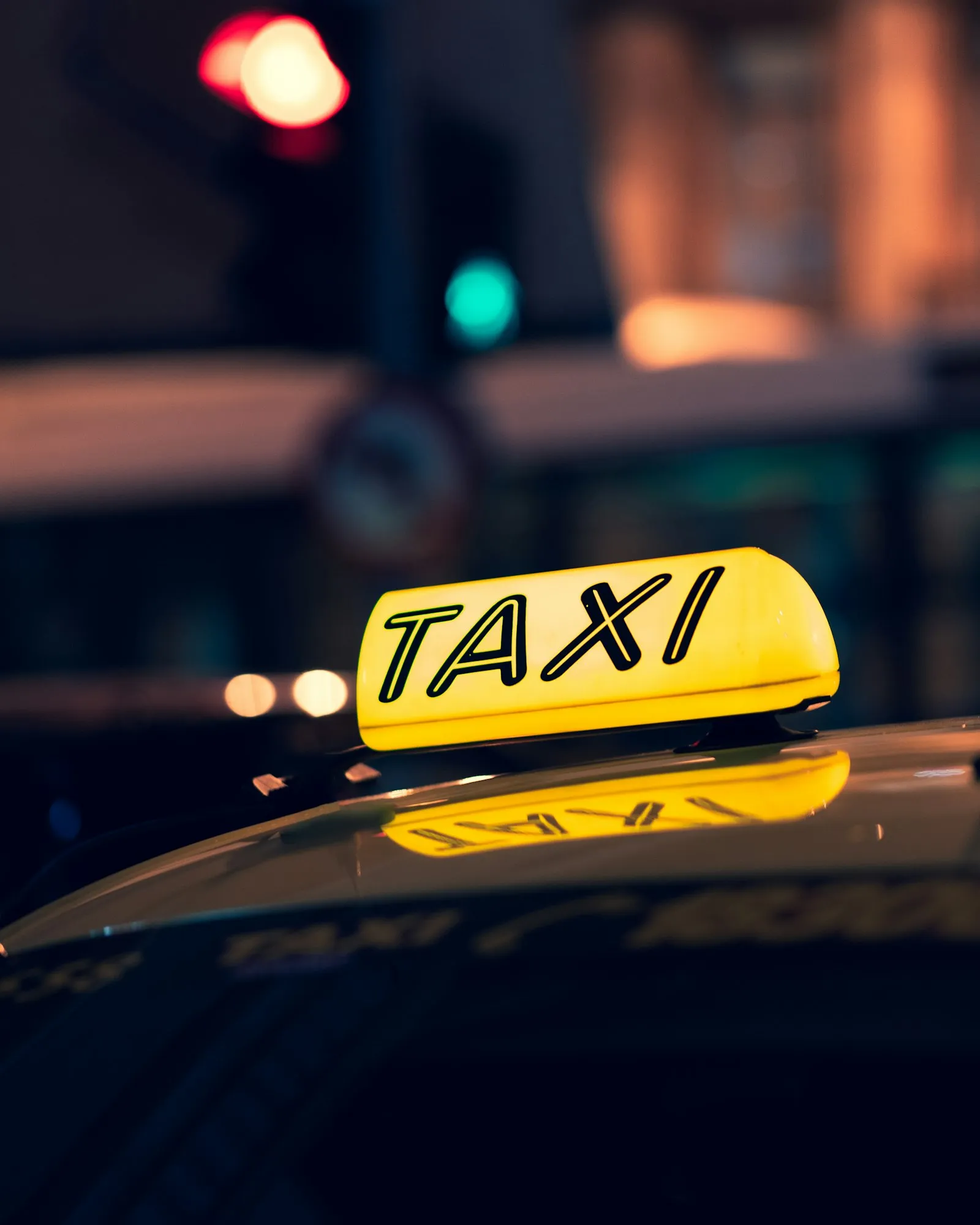
None of this means a crash is anyone’s fault in particular. It means that if you are hurt, the questions about who pays and who is responsible tend to involve a commercial vehicle, a TLC license and more than one insurance policy. That is worth knowing before you talk to anyone’s insurer.
At the Scene: The First Hour
Your health comes first. If anyone is hurt, call 911. If you can move safely and the scene is not dangerous, these steps help protect a future claim:
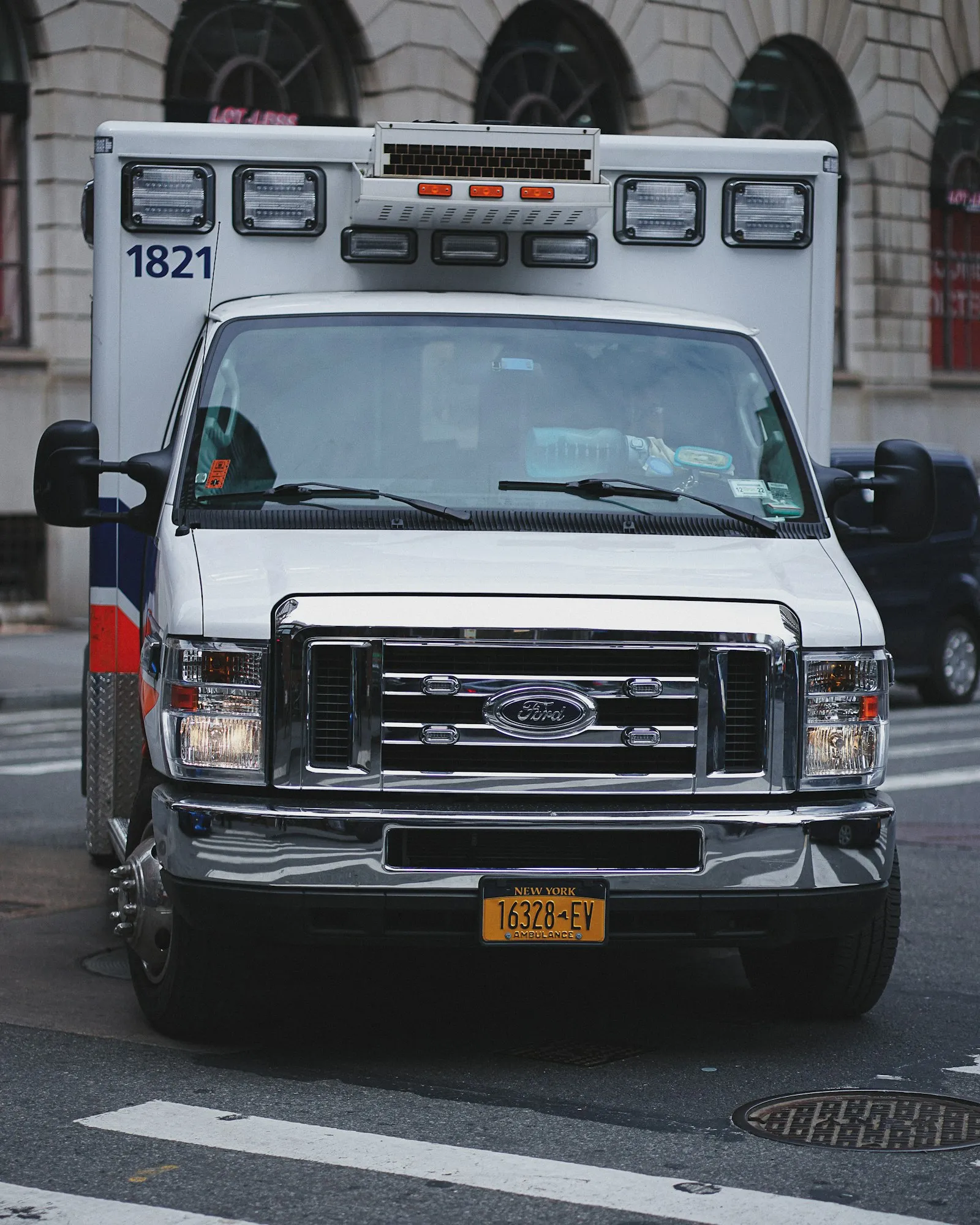
- Get the vehicle’s identity. For a yellow or green taxi, note the medallion or license number on the roof light, hood or door. For an Uber, Lyft or car service, take a screenshot of the trip in the app, including the driver’s name and plate.
- Photograph everything. Vehicle positions, damage, the road, traffic lights, skid marks and any visible injuries.
- Collect names. The driver’s, any other drivers’, and witnesses’ names and numbers. Other passengers waiting at the curb are often the best witnesses.
- Ask for a police report. In Rosedale, the NYPD’s 105th Precinct generally responds. Write down the officer’s name and the report number.
- Keep your receipt. The fare receipt or trip record proves you were a passenger in that vehicle at that time.
- Say little about fault. Be polite and stick to facts. Do not guess or apologize for things you are not sure about.
Under the 2026 rules, fault is decided before anything else in a car-crash lawsuit. A few photos and a witness phone number taken in the first hour can matter more than anything you gather later.
The First Day: Medical Care and the Paper Trail
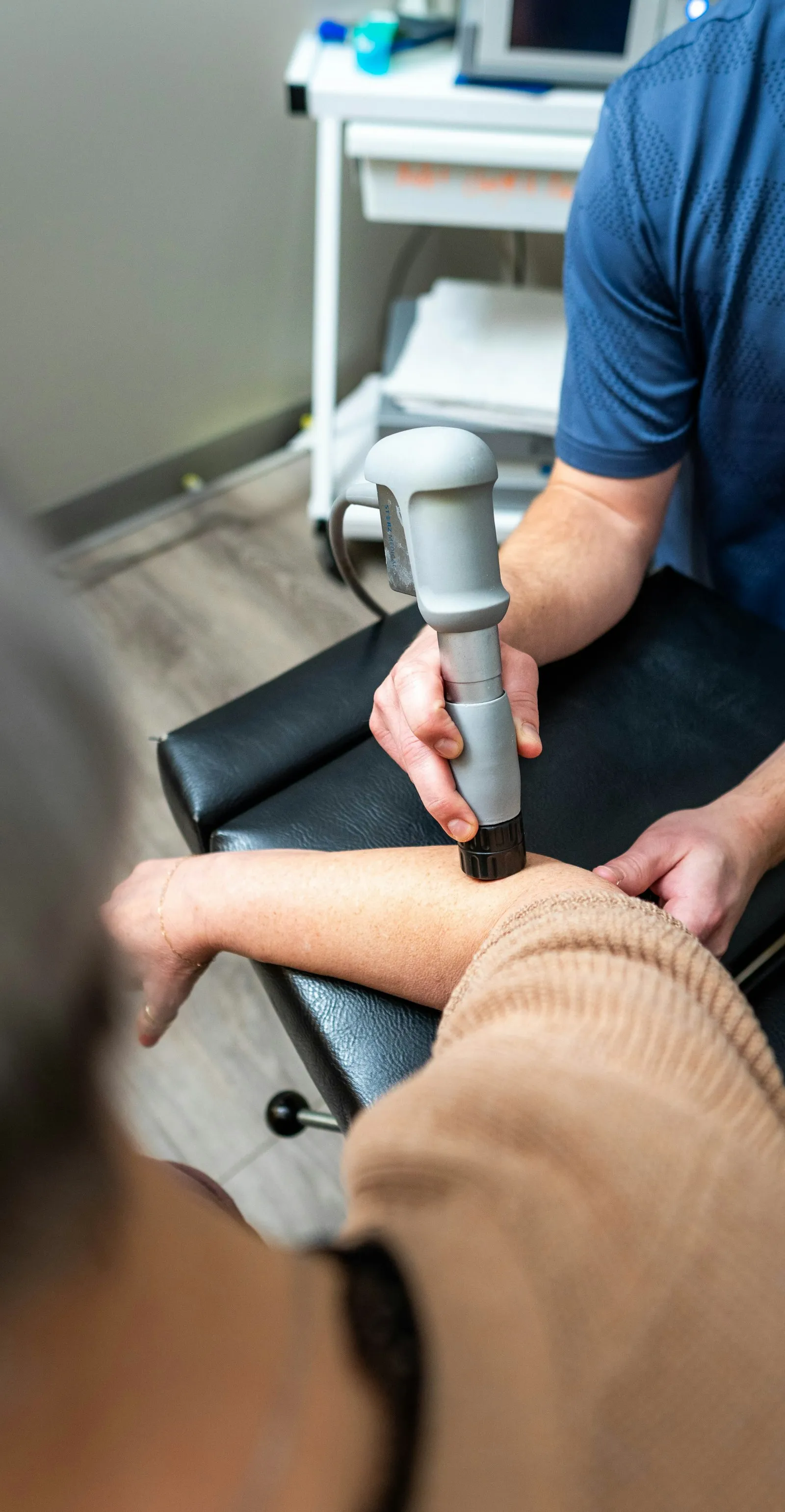
Many people feel fine the night of a crash and wake up stiff and sore. Adrenaline hides pain. Get checked the same day or the next, whether that means the emergency room, urgent care or your own doctor, and tell them you were in a vehicle collision. That first record links your injuries to the crash.
Then start a simple folder, paper or digital, with:
- The police report number and the officer’s name
- Your photos, trip screenshots and receipt
- Every medical visit, prescription and bill
- Days missed from work and any lost pay
- A short daily note of pain, sleep and what you could not do
If you were driving your own car and a cab hit you, you may also need to file a report with the DMV. The MV-104 form and instructions are on the New York DMV website.
The First Month: The Deadline That Sneaks Up
The no-fault application is due within 30 days of the accident. That is short, and it passes quickly when you are juggling doctor visits and work. No-fault, or Personal Injury Protection (PIP), pays medical bills, lost earnings and other basic economic loss regardless of who caused the crash, under Insurance Law 5102.
Which policy do you apply to? Passengers generally claim PIP from the vehicle they were riding in, so a person hurt in the back of a cab coming home from JFK usually looks to the taxi’s coverage. Pedestrians and cyclists generally claim from the vehicle that struck them. For TLC-licensed vehicles, which include yellow and green taxis, for-hire vehicles, Uber and Lyft cars and limousines, the required PIP coverage is $100,000 per person since March 1, 2026, under the TLC rule that implemented Local Law 90 of 2025. Details about the agency are on the TLC website.
One more short clock: if a city-owned vehicle or an MTA bus was involved, a notice of claim is due within 90 days under General Municipal Law 50-e.
| When | What to do |
|---|---|
| First hour | 911 if anyone is hurt; photos, vehicle ID, witnesses, police report |
| First 24–48 hours | Medical evaluation; start your claim folder |
| Within 30 days | File the no-fault application |
| Within 90 days | Notice of claim if a city or MTA vehicle was involved |
| Within 2 years | Wrongful death lawsuit deadline |
| Within 3 years | Personal injury lawsuit deadline (CPLR 214(5)) |
How 2026 Changed the Ride-Home Case
Here is a hypothetical to make the new rules concrete. Imagine a passenger heading home to Rosedale from JFK in an app-based car. On the Belt Parkway, the driver changes lanes into another car. The passenger breaks a wrist. Now consider how this year’s changes apply:
- Serious injury. A fracture is one of the eight serious-injury categories in Insurance Law 5102(d). The 2026 budget removed the old category based on days of missed activity, so injuries that depended on it are now harder to bring past no-fault.
- Fault first. Under Insurance Law 5104, the fact-finder decides fault before deciding serious injury.
- The greater-fault bar. Under new CPLR 1411(b), for motor-vehicle injury suits commenced on or after May 26, 2026, a claimant whose fault is greater than the defendant’s (or defendants’ combined) recovers nothing; at 50% or less, recovery is reduced proportionally. A passenger sitting in the back seat rarely has fault, but a driver of the other car could.
- The new cap. Section 5104(d) caps non-economic damages at $100,000 for an at-fault claimant who was driving uninsured (subject to a narrow exception for a lapse under 30 days that was not the driver’s own responsibility), was convicted of impaired driving, or was convicted of a felony committed while driving. It does not cap economic damages, other people’s claims, or wrongful death.
DFS Circular Letter 2026-01 explains that these rules apply to lawsuits filed on or after May 26, 2026, no matter when the accident happened. Consumer information is available on the Department of Financial Services auto insurance page.
A Neighborhood Between the Marsh and the Runways
Not every Rosedale taxi trip starts at a terminal. Brookville Park, along Brookville Boulevard, is where neighbors go for ball fields, playgrounds and walking paths, and weekend games bring cars, cabs dropping off families, and kids crossing the street. To the west, Idlewild Park Preserve protects marshland on the edge of JFK, and beyond it lie the airport’s runways and the roads that serve them.
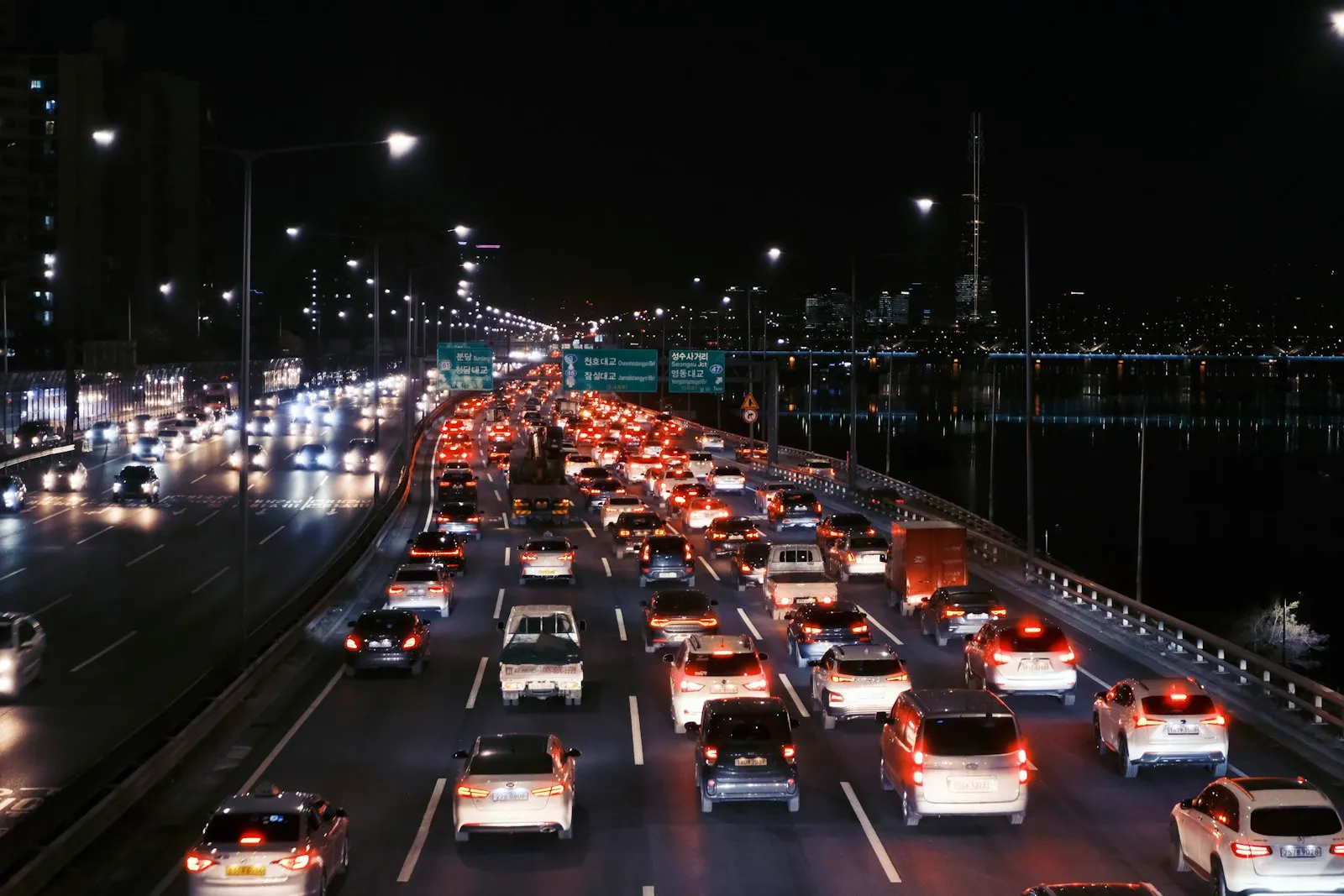
That geography explains the traffic. Drivers who just dropped a fare at JFK often head back through Rockaway Boulevard and local streets toward the Belt Parkway or Sunrise Highway, while park visitors are arriving and leaving. Pickups and drop-offs near the park and the Rosedale LIRR station are moments when doors open into traffic and pedestrians step between parked cars. If you were hurt in one of these spots, tell us exactly where; the location can lead to cameras, witnesses and the right police report.
Questions About Taxi Accident Claims
Should I give a recorded statement to the cab’s insurer?
You will need to cooperate with your no-fault claim, but a recorded statement about fault to the other side’s liability insurer is something to discuss with a lawyer first, especially now that fault is decided first.
I was a passenger. Can I be found at fault?
It is uncommon for a passenger to share fault for how a vehicle was driven, but every case depends on its facts. Your claim may be against the cab driver, the other driver, or both.
What if I did not see a doctor right away?
Go now. A delay can give an insurer room to argue the injury came from something else, but prompt treatment from this point forward still helps your health and your claim.
Is the PIP amount different for an Uber than for a yellow cab?
Both are TLC-licensed, and the TLC PIP requirement for those vehicles is $100,000 per person as of March 1, 2026. The private-car state minimum is $50,000.
How long do I have to file a lawsuit?
Generally three years for personal injury under CPLR 214(5) and two years for wrongful death, which is still limited to pecuniary losses after the Grieving Families Act was vetoed again in December 2025. Shorter deadlines apply to no-fault and to claims against the city.
What does a lawyer cost?
We work on contingency: no fee unless we win. More common questions are answered on our FAQ page.
Rosedale Questions From Our Neighbors
How do most people get from JFK to Rosedale?
Many take a taxi or app-based car because Rosedale has no subway station. The trip usually runs along Rockaway Boulevard, the Belt Parkway or local streets, depending on the destination and the traffic.
Is there a train in Rosedale?
Yes, the Long Island Rail Road’s Rosedale station on the Far Rockaway Branch. Check the MTA for current LIRR schedules.
What neighborhoods border Rosedale?
Laurelton and Springfield Gardens in Queens, Valley Stream across the Nassau County line, and JFK Airport to the west.
Which precinct would take my accident report?
Rosedale is covered by the NYPD’s 105th Precinct. A crash on a highway or on airport property may be handled differently, so keep whatever report number you are given.
What is the best place to get picked up?
Choose a spot where the driver can pull fully to the curb, away from intersections and bus stops, and exit on the curb side. That is good advice around Brookville Park and the LIRR station especially.
Where would my case be filed?
Rosedale is in Queens County, and injury lawsuits are typically filed in Queens County Supreme Court. Court information is on the New York courts website.
Talk to a Rosedale Firm About Your Ride Home
For a full overview of how we handle these cases, visit our Rosedale taxi accident lawyer page or our broader Rosedale accident lawyer page. Our car accident practice page covers vehicle claims in general, and our settlements page shows past work. If you live a little north or west, see our pages for Queens Village and South Ozone Park.
Your case review is free, and there is no fee unless we win. We meet in English, Russian and Spanish, and we can come to your home or hospital room or meet by video. Call 718.775.3110, use our contact page, or stop by Yakov Mushiyev & Associates, P.C., 1 Cross Island Plaza, Suite 325, Rosedale, NY 11422, Monday through Friday from 9 to 6.

Attorney Advertising. This is general information about New York law, not legal advice, and reading it does not create an attorney-client relationship. The scenario above is hypothetical. Prior results do not guarantee a similar outcome.