
An auto accident turns an ordinary drive down Hillside Avenue or Braddock Avenue into a pile of decisions you never expected to make: who to call, what to sign, which doctor to see, what to say to the insurance company. This guide is built as a checklist, in the order things actually happen. Whether you hire an auto accident lawyer in Bellerose or handle the first steps yourself, working through these items will protect your health, your no-fault benefits and your right to a full recovery under New York law.
Print it, save it on your phone, or share it with a family member who was just in a crash. Each phase has a short explanation of why the step matters, because a checklist is only useful if you know what each box is protecting.
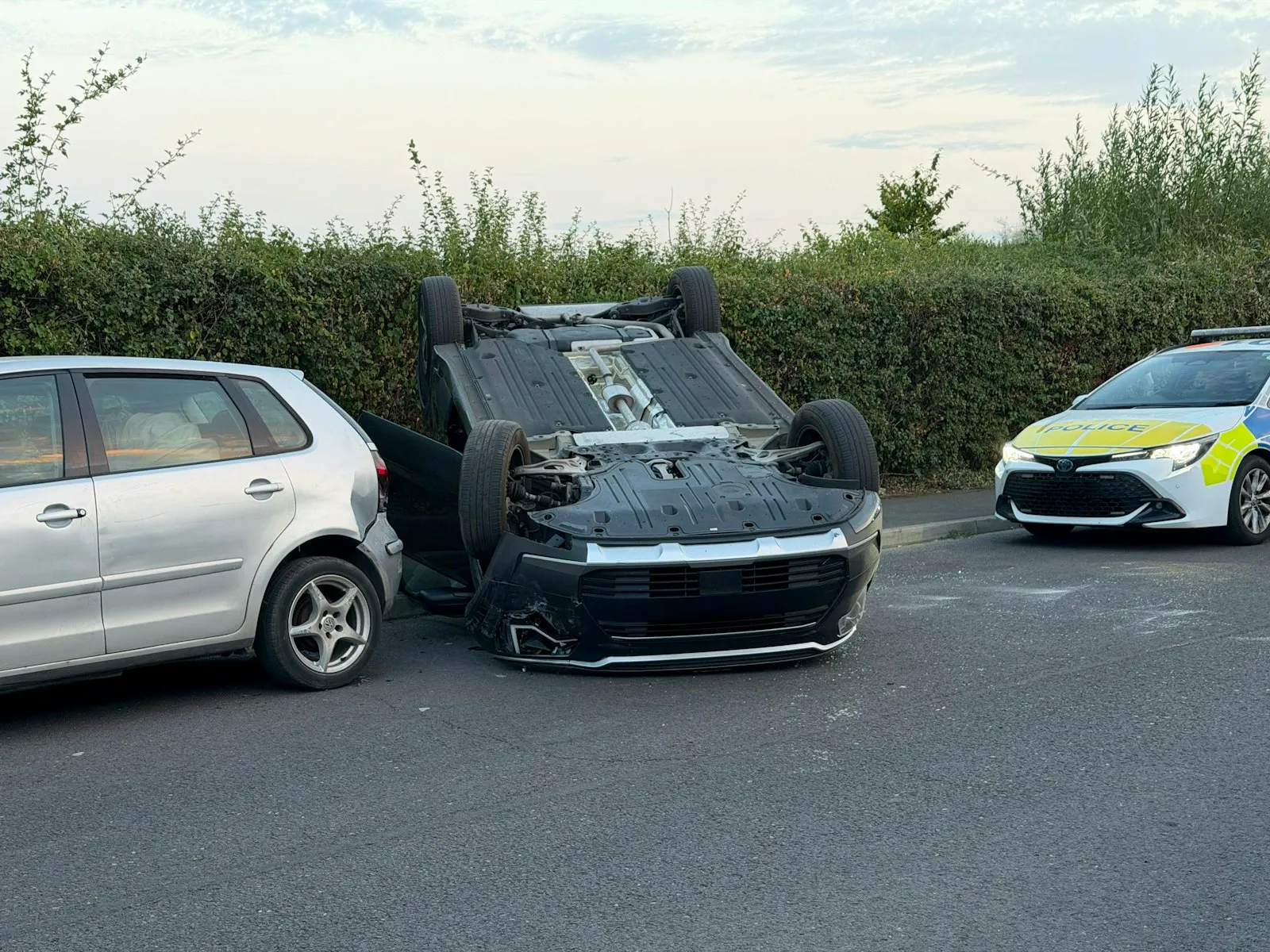
Phase 1: At the Scene (The First 30 Minutes)
If you are able to move safely, these are the first things to do. If you are seriously hurt, skip everything except calling 911 and let someone else handle the rest.
- Check for injuries and call 911. Ask for police and, if anyone is hurt, an ambulance. In Bellerose, NYPD’s 105th Precinct responds on the Queens side; east of the city line in Bellerose Village or Floral Park, Nassau County police handle it.
- Move to safety if you can. On the Cross Island Parkway or Grand Central Parkway, staying in a live lane is dangerous. Turn on hazards and get behind a barrier if possible.
- Never leave the scene. New York’s Vehicle and Traffic Law §600 requires drivers involved in a crash causing injury or damage to stop and exchange information.
- Exchange information. Name, address, license number, plate, insurance company and policy number for every driver. Photograph their license and insurance card.
- Photograph everything. All vehicles from several angles, the road surface, traffic signals, skid marks, debris, nearby storefronts and any visible injuries.
- Get witnesses. Ask bystanders for a name and phone number. A witness who waited at a bus stop on Hillside or Jamaica Avenue can be more persuasive than either driver.
What not to do at the scene
- Do not apologize or guess about fault. “I didn’t see him” can be read as an admission even if the other driver ran the light.
- Do not refuse an ambulance just because you feel fine. Adrenaline masks pain.
- Do not agree to “handle it without insurance.” In New York, that almost always backfires once injuries appear.
Phase 2: The First 24 Hours
- Get examined by a doctor. Long Island Jewish Medical Center in New Hyde Park, right on the Queens–Nassau line, is the closest major trauma hospital. Urgent care or your own physician is fine for less severe injuries, but go.
- Describe every symptom. Headache, neck stiffness, tingling in your hands, back pain, dizziness. If it is not in the first record, the insurer will later claim it came from somewhere else.
- Get the police report number. You will need it for insurance. Accident reports can typically be requested later through the precinct or the state.
- Notify your own insurance company. Report the crash promptly; most policies require it.
- Decline a recorded statement to the other driver’s insurer. You can politely say you will call back. You have no obligation to speak with them.
Phase 3: The First 10 Days
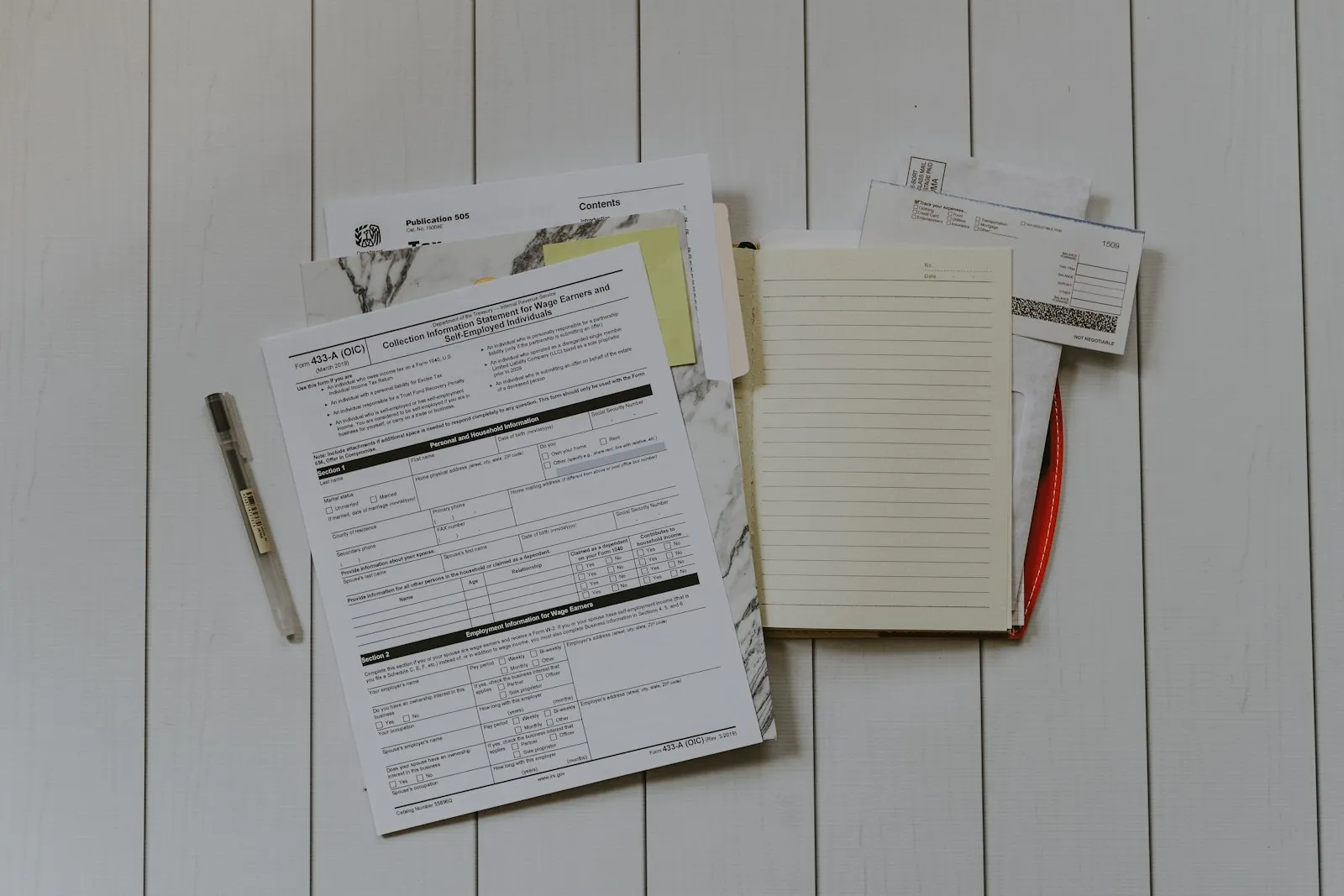
- File a DMV accident report if required. In New York, a driver involved in a crash that causes injury, death or property damage over $1,000 generally must file a Report of Motor Vehicle Accident (Form MV-104) with the New York DMV within 10 days.
- Start a recovery journal. Each day, note your pain level, what you could not do, missed work and appointments. It takes two minutes and becomes some of the most credible evidence in your case.
- Request video quickly. Storefronts along Hillside and Jamaica Avenues, gas stations and homeowners with doorbell cameras often overwrite footage within days or weeks. A lawyer can send preservation letters immediately.
- Keep the damaged car available. Do not let it be scrapped before it is photographed and, in a serious case, inspected. Its event data recorder may show speed and braking.
- Save every receipt. Prescriptions, braces, transportation to appointments, the rental car.
Phase 4: Within 30 Days, File for No-Fault
This step gets its own section because it is the one people miss most often.
New York’s no-fault system, set out in Insurance Law §5102, pays your basic economic loss no matter who caused the crash. The basic benefit is $50,000 per person and covers necessary medical expenses, part of your lost earnings and certain other reasonable costs. To get it, you must file a written no-fault application (often called an NF-2) with the right insurance carrier within 30 days of the accident.
Use this checklist for the no-fault claim:
- Identify the correct carrier. Usually it is the insurer of the car you were in; if you were a pedestrian or cyclist struck by a car, it is often the insurer of the car that hit you.
- Complete and send the application within 30 days, and keep proof of when it was sent.
- Give every medical provider the no-fault claim number so bills go to the carrier, not to you.
- Submit wage verification from your employer if you are missing work.
- Attend any independent medical examination (IME) the insurer schedules. Missing one can lead to a denial.
If the other driver fled or had no insurance, you may need to file with MVAIC, the Motor Vehicle Accident Indemnification Corporation, which has its own strict notice rules. You can also find consumer information on auto insurance from the New York Department of Financial Services.
Phase 5: Within 90 Days, Check for Government Vehicles
If the crash involved a City vehicle, the clock is much shorter than most people realize. Under General Municipal Law §50-e, a Notice of Claim must generally be filed within 90 days for claims against New York City, including NYC Transit and MTA buses, Department of Sanitation trucks and NYC Department of Education school buses. The lawsuit itself must then be filed within one year and 90 days.
Run through this quick check:
- Was the other vehicle a city bus on Hillside Avenue, Jamaica Avenue or Union Turnpike?
- Was it a Sanitation truck, a police car or another City-marked vehicle?
- Was a pothole, broken signal or road defect a factor?
- Did the crash happen just across the line where a Nassau County entity or NICE bus might be involved? Nassau has notice-of-claim rules too.
If any answer is yes, talk to a lawyer now, not later. Our bus accident practice handles these claims regularly.
Phase 6: Months One Through Six, Treatment and the Serious-Injury Question
No-fault never pays for pain and suffering. To pursue those damages against the at-fault driver, you must show a “serious injury” as defined in Insurance Law §5102(d), such as a fracture, significant disfigurement, a permanent consequential limitation or a significant limitation of use of a body function or system.
Your checklist for this phase:
- Follow your treatment plan and keep appointments. Gaps of several weeks are used to argue you recovered.
- Ask your doctors to document objective findings: MRI results, measured range of motion, nerve studies.
- Tell your doctor if you were cleared to return to work but still cannot do parts of your job.
- Do not post about your recovery, workouts or vacations on social media.
- Do not sign any release or accept a settlement check before you understand the full extent of your injury.
Update for 2026: For motor-vehicle lawsuits filed on or after the effective date of New York’s late-May 2026 tort reform (not death cases), a plaintiff who is more than 50% at fault cannot recover under the new modified comparative-fault rule in CPLR 1411(b). The reform also removed the 90/180-day serious-injury category, requires juries to decide fault before serious injury, and caps pain-and-suffering at $100,000 for plaintiffs who were driving uninsured, were convicted of impaired driving or were committing a felony. If your February 2026 crash leads to a lawsuit filed later, these rules may apply.
Your Deadline Cheat Sheet
| Deadline | What it is for | Source |
|---|---|---|
| Immediately | Stop, exchange information, report injuries | VTL §600 |
| 10 days | DMV accident report (MV-104), when required | NY DMV |
| 30 days | No-fault application | Insurance Law no-fault rules |
| 90 days | Notice of Claim against NYC, NYC Transit, Sanitation, DOE | GML §50-e |
| 1 year and 90 days | Lawsuit against the City and similar public entities | GML §50-i |
| 2 years | Wrongful death claim, from date of death | EPTL §5-4.1 |
| 3 years | Most personal injury lawsuits | CPLR 214 |
Phase 7: Deciding Whether to Hire an Auto Accident Lawyer
You do not need a lawyer for every crash. Use this list to decide:
- You probably can handle it yourself if there was no injury, only minor vehicle damage, and your own insurer is cooperating.
- You should at least get a free consultation if you needed medical treatment beyond one visit, missed work, were contacted by the other driver’s insurer, or are unsure who was at fault.
- You should call right away if there was a fracture, surgery, a hospital admission, a commercial vehicle, a City vehicle, a hit-and-run, or a death.
Our firm handles auto accident claims on a contingency basis. That means a free consultation and no fee unless we win. You can read more about our personal injury practice and our dedicated page for Bellerose car accident claims.
Getting to Our Office from Bellerose
Yakov Mushiyev & Associates, P.C. is located at 1 Cross Island Plaza, Suite 325, Rosedale, NY 11422. From Bellerose, take the Cross Island Parkway south toward the Belt Parkway; Cross Island Plaza is right off the parkway in Rosedale. Plan on about 15 to 20 minutes, depending on traffic. Office hours are Monday through Friday, 9 a.m. to 6 p.m.
Can’t drive after your crash? We’ll come to you, whether that is at home, in the hospital or by video call. We consult in English, Russian and Spanish.
Check the Last Box: Call Us
If your checklist has more unchecked boxes than you can handle, let us take some of them. Call 718.775.3110 or contact us online to speak with an auto accident lawyer in Bellerose about your situation. We serve the whole community through our Bellerose personal injury practice.
Want a different angle? Read our plain-talk piece from a car accident lawyer in Bellerose, or our guide for drivers hit by someone who fled, from a hit and run accident lawyer in Bellerose.
Frequently Asked Questions
What should I do first after an auto accident in Bellerose?
Make sure everyone is safe, call 911 and get medical attention. Then exchange information, take photos and collect witness names. File your no-fault application within 30 days, even if you think your injuries are minor.
Do I need a police report after a crash on a Bellerose side street?
If anyone is hurt, call 911 so police respond and a report is made. Even in a small crash, a police report helps establish the facts. Separately, New York generally requires drivers to file an MV-104 with the DMV within 10 days when there is an injury or more than $1,000 in property damage.
The other driver’s insurer called and asked for a recorded statement. Do I have to give one?
No. You have no legal obligation to give the other driver’s insurance company a recorded statement. You do have to cooperate with your own insurer and your no-fault carrier, including attending scheduled medical exams.
My crash was at the Bellerose–Floral Park border. Which rules apply?
New York no-fault and serious-injury law apply statewide. What changes is which police department investigated, where a lawsuit is filed (Queens County Supreme Court in Jamaica or a Nassau County court), and which public entities may be involved if a government vehicle or road defect played a role.
How much does it cost to talk to an auto accident lawyer?
Nothing. Our consultations are free, and we work on a contingency fee, so you pay no fee unless we recover money for you.
This article is general information, not legal advice. Attorney Advertising. Prior results do not guarantee a similar outcome.