
If you were hurt in a crash on Hillside Avenue, Jamaica Avenue or the Cross Island Parkway, you are probably getting advice from everyone at once: the tow operator, the body shop, a relative who “went through this once,” and an insurance adjuster who sounds very friendly on the phone. We want to cut through the noise. As a car accident lawyer in Bellerose families can call directly, we wrote this the way we would talk to you across our conference table. Plain language, no sales pitch, and a focus on the things that actually move a New York car accident case.
We are trial lawyers. That matters less because of what happens in a courtroom and more because of what happens before one. Insurance companies decide how seriously to take a claim based on whether they believe the lawyer on the other side will prepare it for a jury. So everything below is written from that point of view: build the case as if it will be tried, and the rest tends to take care of itself.
Why Bellerose Crashes Look the Way They Do
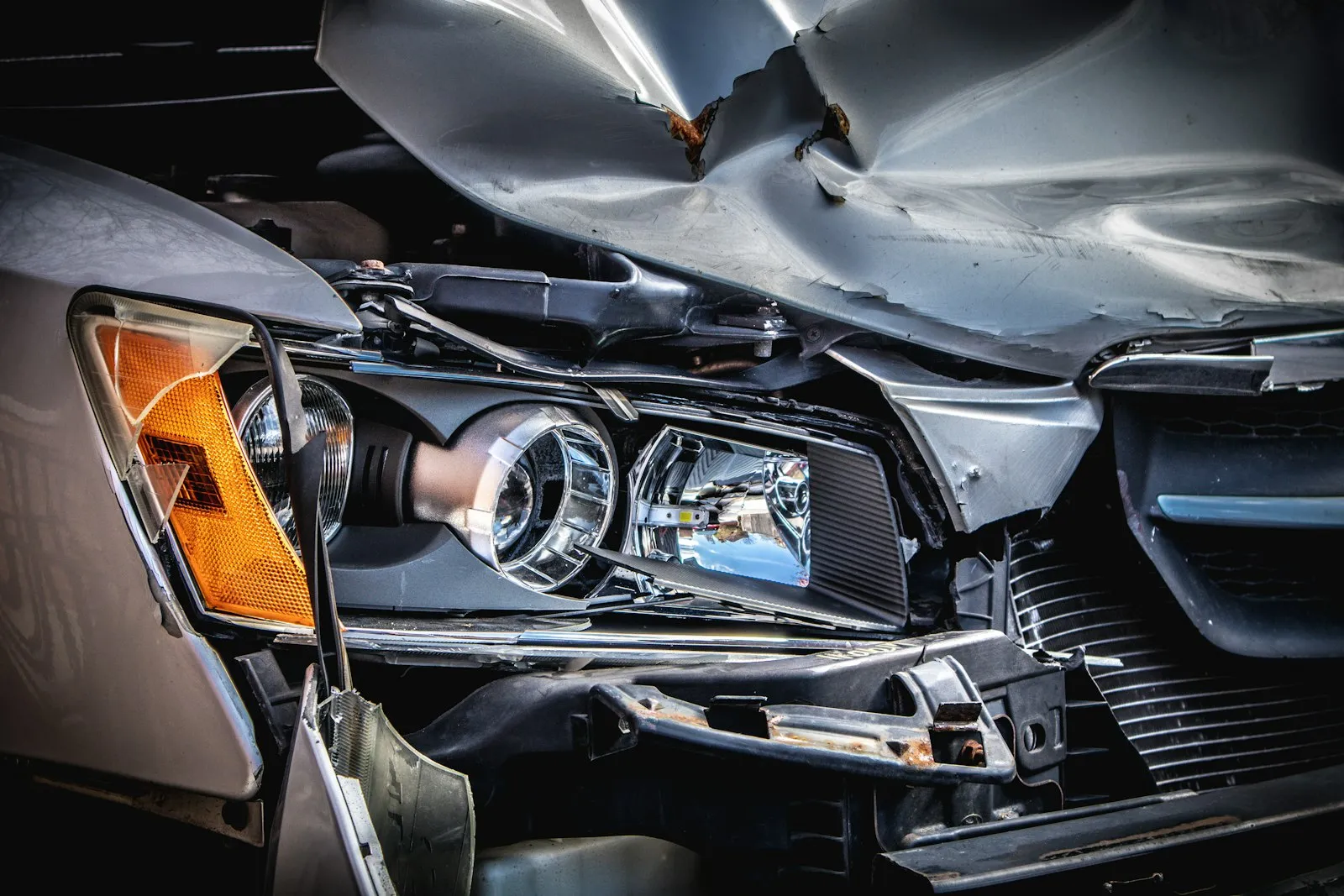
Bellerose is a quiet residential neighborhood, but it sits on top of some of the busiest roads in eastern Queens. Hillside Avenue carries heavy commuter and bus traffic toward Queens Village and Jamaica. Jamaica Avenue runs east until it crosses into Nassau County and becomes Jericho Turnpike. Braddock Avenue, Hempstead Avenue, Union Turnpike, Winchester Boulevard by the Creedmoor campus, Commonwealth Boulevard and Little Neck Parkway all feed into those corridors. A few minutes north, the Cross Island Parkway meets the Grand Central Parkway, an interchange that produces its share of merge and lane-change collisions.
In our experience, the crashes that come out of these roads fall into a handful of patterns:
- Rear-end collisions in stop-and-go traffic on Hillside and Jamaica Avenues, often near bus stops and turning lanes.
- Left-turn and T-bone crashes at intersections where drivers misjudge oncoming speed.
- Merge and sideswipe collisions on the Cross Island and Grand Central Parkways.
- Parking and door-zone crashes on the side streets around 239th and 243rd Streets, where cars are parked tight to the curb.
- Pedestrian and cyclist strikes near shopping strips and bus stops.
There is also a wrinkle most people never think about. Bellerose sits right on the Queens–Nassau line, next to Bellerose Village, Floral Park and New Hyde Park. A crash one block east may be a Nassau County crash, handled by a different police agency, with suits filed in a different court. The NYPD’s 105th Precinct in Queens Village covers the Queens side. Knowing exactly where the collision happened is the first fact we nail down, because it shapes who investigates, which records exist and where the case is eventually filed.
What We Tell Every Client in the First Conversation
Most of the damage to a car accident case happens in the first two weeks, usually because nobody told the injured person what to do. Here is what we say to almost every new client:
- Get medical care and follow through. Long Island Jewish Medical Center in New Hyde Park is the closest trauma hospital to Bellerose. Whether you go there, to urgent care or to your own doctor, tell the provider every part of your body that hurts. Gaps in treatment are the first thing an insurer points to.
- File your no-fault application within 30 days. This is not optional, and missing it can cost you benefits you are entitled to.
- Do not give a recorded statement to the other driver’s insurer. You are not required to, and those statements are used to lock you into a version of events before you know all the facts.
- Keep everything. Photos, the police report number, the tow receipt, the names of witnesses, pharmacy receipts and every letter from an insurance company.
- Stay off social media about the crash. A photo of you at a family event can be twisted into “she was fine.”
- Write down how you feel each week. Pain, sleep, missed work, things you can no longer do. Juries believe specifics, and memories fade.
If you only remember one item from that list, make it the second one. The 30-day no-fault deadline catches more people off guard than any other rule in New York car accident law.
No-Fault Comes First, and It Has Limits
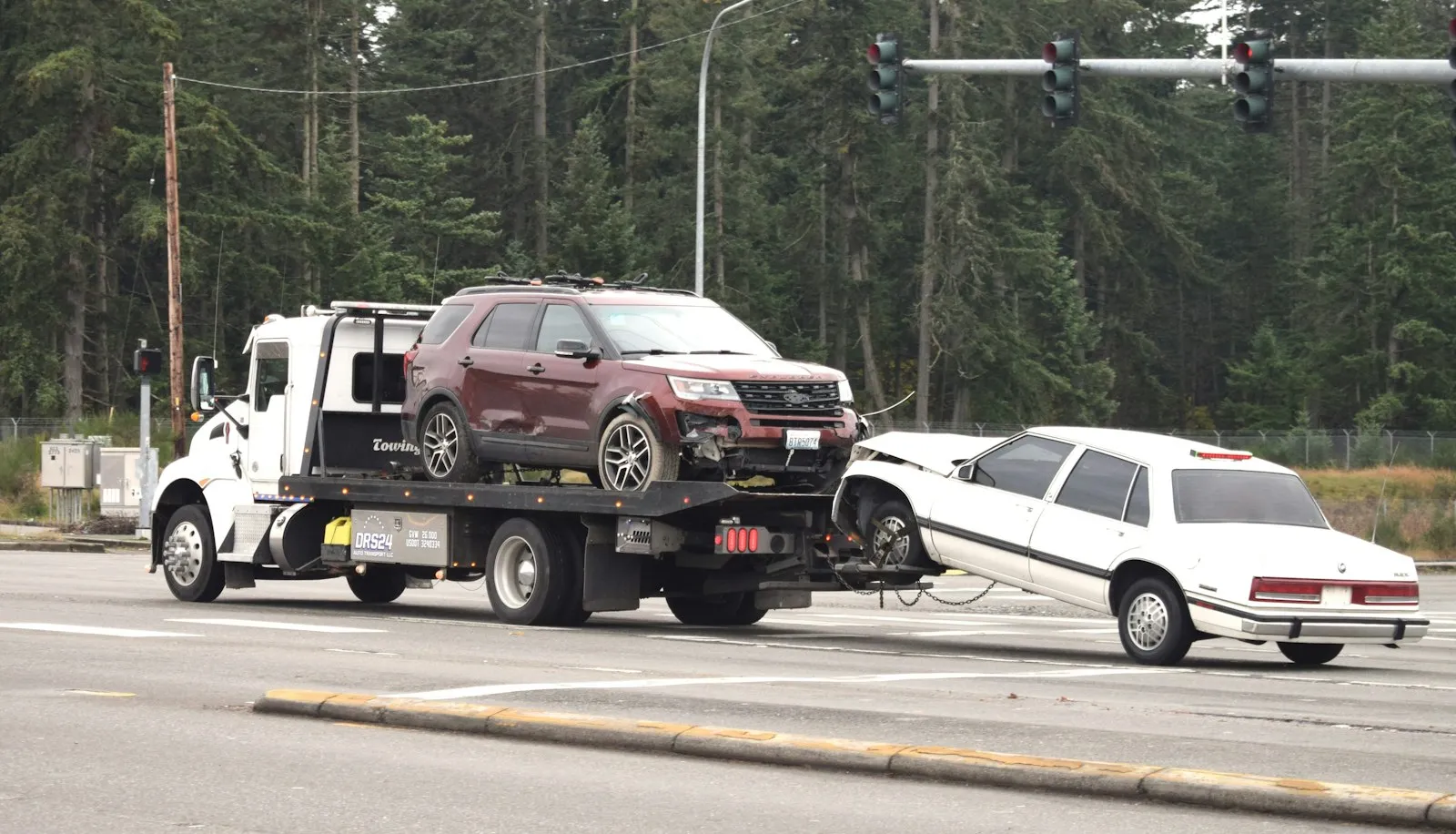
New York is a no-fault state. Under Insurance Law §5102, the insurance on the car you were in (or the car that hit you, if you were on foot) pays your basic economic loss regardless of who caused the crash. Basic coverage is $50,000 per person. It covers necessary medical treatment, a portion of lost earnings (generally 80% of lost wages, up to $2,000 per month) and certain other reasonable expenses.
That sounds generous until you see what a few months of physical therapy, an MRI, injections and missed work actually cost. No-fault is a floor, not a full recovery. It does not pay for pain and suffering at all.
To step outside no-fault and sue the at-fault driver for pain and suffering, New York requires a “serious injury” as defined in §5102(d). The categories include, among others:
- Death, dismemberment or significant disfigurement.
- A fracture.
- Permanent loss of use of a body organ, member, function or system.
- Permanent consequential limitation of use of a body organ or member.
- Significant limitation of use of a body function or system.
This is where most car accident cases are won or lost. A herniated disc, a torn meniscus or a shoulder injury can qualify, but only if the medical records document it properly: objective testing, measured range-of-motion losses, and a treating doctor willing to connect the injury to the crash. We work closely with our clients’ physicians to make sure the records say what the injury actually is.
Update for 2026: In late May 2026, New York enacted motor-vehicle tort reform that applies to motor-vehicle lawsuits filed on or after its effective date (it does not apply to death cases). The changes include a modified comparative-fault rule under CPLR 1411(b), so a plaintiff whose share of fault is greater than 50% cannot recover; elimination of the 90/180-day serious-injury category; a requirement that juries decide fault before deciding serious injury; and a $100,000 cap on pain-and-suffering damages for plaintiffs who were driving uninsured, were convicted of impaired driving, or were committing a felony. If your crash was in December 2025 but your suit is filed later, these rules may apply to you, which is one more reason not to wait.
How We Build a Car Accident Case
Insurance companies do not pay because a claim is sad. They pay because the proof is organized and they can see what a jury would see. We build every file around three questions.
Who caused it?
Fault in a New York car crash is proved with physical evidence, not opinions. That means vehicle damage patterns, scene photographs, the police accident report, witness statements, and, more and more, video. Bellerose has plenty of storefront cameras along Hillside and Jamaica Avenues, doorbell cameras on residential blocks, and dash cameras in commercial vehicles and buses. Much of that footage is recorded over within days or weeks.
How badly were you hurt?
Your medical chart tells the story of your injury. We gather emergency room records, imaging, specialist reports and therapy notes, and we look for holes before the defense does. When a doctor has not documented range-of-motion testing or causation, we ask.
What has it cost you, and what will it cost?
Lost earnings, future treatment, the job you can no longer do, the stairs you avoid, the grandchildren you cannot pick up. We document both the money and the life.
Here is how the key evidence typically breaks down:
| Evidence | Who usually has it | Why it matters | How fast it can disappear |
|---|---|---|---|
| Storefront and doorbell video | Businesses and homeowners near the crash | Shows the actual collision | Often days to a few weeks |
| Police accident report | NYPD 105th Precinct (or Nassau police, if east of the line) | Names, insurance, initial description | Stays on file, but details can be thin |
| Vehicle event data | The vehicles themselves | Speed, braking, seatbelt use | Lost if the car is repaired or scrapped |
| Witness contact information | Bystanders, other drivers | Independent account of fault | Memories fade and people move |
| Medical records | ER, doctors, therapists | Proves injury and serious-injury threshold | Permanent, but gaps in care are hard to fix later |

The Deadlines That Can End a Case
We have to be blunt about this, because a missed deadline is the one mistake nobody can fix.
- Three years is the general statute of limitations for personal injury in New York under CPLR 214.
- Two years from the date of death for a wrongful death claim.
- 90 days to file a Notice of Claim if a City vehicle was involved, such as an NYC Transit bus, a Sanitation truck or a City-owned car, under General Municipal Law §50-e. The lawsuit itself must then be started within one year and 90 days.
- 30 days to file your no-fault application.
Three years sounds like a long time. In practice, the evidence that wins a case is gone long before then. If a bus or a City truck was involved, the 90-day window is very short, and notice-of-claim rules also apply to many claims against Nassau County entities if your crash happened across the line.
What the Other Side Is Counting On
We have sat across from insurance defense lawyers for a long time, and their playbook in car accident cases is predictable:
- Delay. The longer a claim drags, the more likely an injured person is to accept a low offer to pay bills.
- Gaps in treatment. If you stopped therapy for six weeks, they will argue you healed.
- Prior injuries. An old back complaint becomes “the real cause” of your pain.
- Comparative fault. Under CPLR 1411, your recovery can be reduced by your share of responsibility. Expect the insurer to say you were speeding, distracted or turning too early.
- The quick check. An early offer, before you know the full extent of your injury, usually comes with a release of all future claims.
None of these tactics is unbeatable. Each one has an answer, and the answer is almost always better documentation, prepared earlier.

What Is My Case Worth? The Honest Answer
We will not quote numbers in an article, and you should be wary of anyone who gives you a figure before reviewing your records. Every case is different, and past results do not predict future ones. What we can tell you is what drives value in a New York car accident case:
- The nature of the injury and whether it meets the serious-injury threshold.
- Whether surgery was recommended or performed.
- How the injury affects work, now and in the future.
- How clearly fault can be proved.
- The available insurance coverage, including your own supplementary uninsured/underinsured motorist (SUM) coverage.
That last point is easy to miss. The other driver may carry only the New York minimum liability coverage. If your injury is significant, your own SUM policy can become an important source of recovery. You can check basic insurance and registration requirements on the New York DMV website, but your actual policy language is what controls. We review it with you.
Getting to Our Office from Bellerose
Our office is at 1 Cross Island Plaza, Suite 325, in Rosedale, right off the Cross Island Parkway. From Bellerose, get on the Cross Island heading south toward the Belt Parkway and exit near Cross Island Plaza. Depending on traffic, the drive is roughly 15 to 20 minutes. We are open Monday through Friday, 9 a.m. to 6 p.m.
If you are still recovering, you do not need to come to us. We regularly meet clients at home, in the hospital, or by video. Consultations are available in English, Russian and Spanish.
Talk to a Car Accident Lawyer in Bellerose Today
If you have questions about your crash, call us at 718.775.3110 or send us a message. The consultation is free, and you pay no fee unless we win. You can read more about our car accident practice, see our page for Bellerose car accident victims, or learn more about Yakov Mushiyev. We also serve the whole neighborhood through our Bellerose personal injury practice.
For related reading, see our guides on what to do after an auto accident in Bellerose and the most common myths about motor vehicle accident claims in Bellerose. General questions are answered on our FAQ page.
Frequently Asked Questions
Do I need a lawyer if the crash seemed minor?
Not every fender-bender needs a lawyer. But injuries from “minor” crashes, especially to the neck, back and shoulders, often show up days later. If you are still in pain after a week or two, or a doctor has ordered an MRI, it is worth a free conversation before you sign anything an insurer sends you.
My crash happened on Jericho Turnpike just past the Queens line. Does that change anything?
It can. Once Jamaica Avenue crosses into Nassau County and becomes Jericho Turnpike, a different police department investigates, and a lawsuit may be filed in Nassau County rather than Queens County Supreme Court on Sutphin Boulevard. New York no-fault and serious-injury law still apply, but the records and procedures differ.
Who pays my medical bills while the case is pending?
Your no-fault (PIP) coverage pays reasonable, necessary medical treatment and part of your lost earnings, up to the policy limit, regardless of fault. Your health insurance may cover care after no-fault is exhausted. We help clients keep track of both so bills do not go to collections.
Can I still recover if I was partly at fault?
Often, yes. New York reduces your recovery by your percentage of fault. For motor-vehicle lawsuits filed after the 2026 reform took effect, a plaintiff more than 50% at fault cannot recover, so the fault question matters even more than it used to.
How long will my case take?
Some claims resolve in months; cases that go into litigation in Queens County Supreme Court can take a year or more. The timeline depends on your medical treatment, how clearly fault can be proved and whether the insurer negotiates in good faith. We would rather take the time to get it right than settle before we know the full extent of your injury.
This article is general information, not legal advice. Attorney Advertising. Prior results do not guarantee a similar outcome.