
We have spent a lot of time in Queens courtrooms talking about ladders, planks, harnesses and holes in floors. If you were hurt on a job site and you are looking for a Construction Accident Lawyer in Bellerose, we want to tell you plainly what we tell every injured tradesperson who sits across the table from us: New York gives construction workers some of the strongest protections in the country, but those protections only help you if the case is built the right way from the very first week.
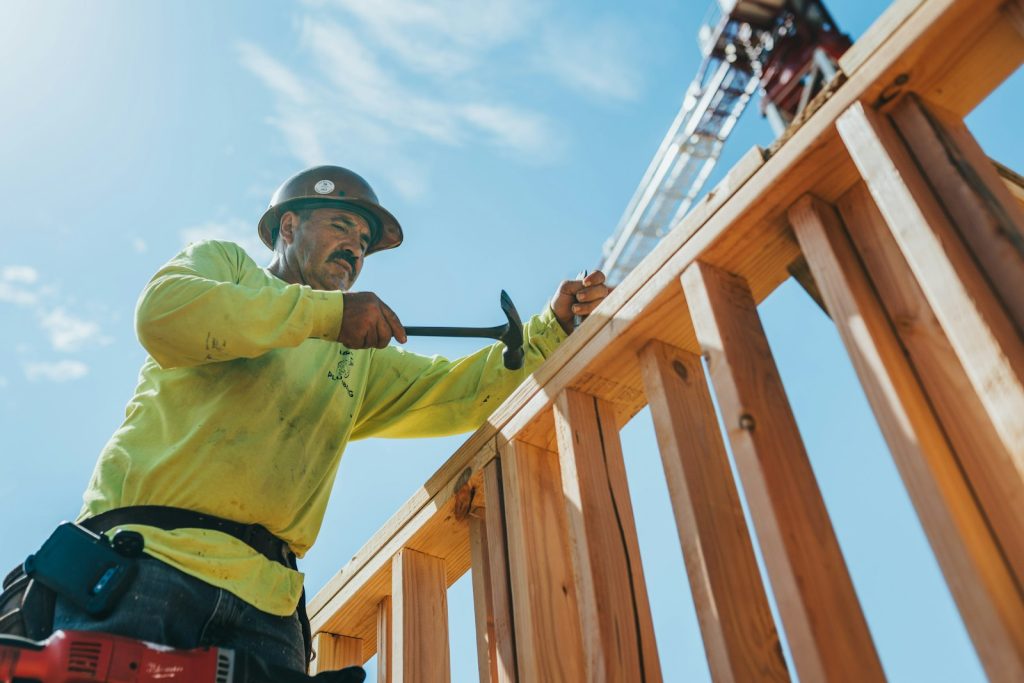
This is not a general article about getting hurt at work. Office injuries, warehouse strains and repetitive-stress claims are a different conversation, and we cover them in our workplace accident checklist. This page is about construction specifically: the scaffold that shifted, the ladder nobody tied off, the bundle of rebar that came down from the floor above. In those cases, the law changes in your favor, and we want you to understand why.
Why Construction Cases Are Different From Every Other Work Injury
Most people know that workers’ compensation covers on-the-job injuries in New York, and that you generally can’t sue your own employer. That’s true. What many injured workers don’t know is that on a construction site, the people who usually matter most in a lawsuit aren’t your employer at all. They are the property owner and the general contractor, and New York’s Labor Law puts duties squarely on their shoulders.
So when we take a construction case, we run two tracks side by side. Workers’ comp pays medical bills and a portion of lost wages without anyone having to prove fault. Then we look for the third-party case against the owner, the GC, a subcontractor who controlled the area, or the company that supplied defective equipment. That third-party case is where pain and suffering, full lost earnings and future losses come in.
The Three Statutes We Build Around
Labor Law §240(1): the “Scaffold Law”
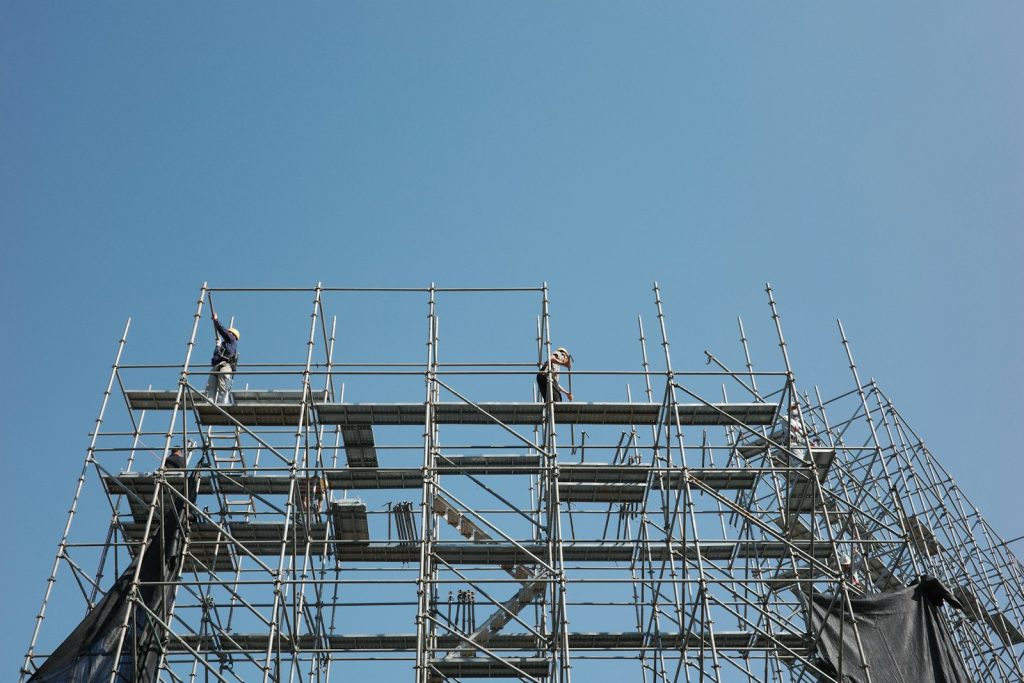
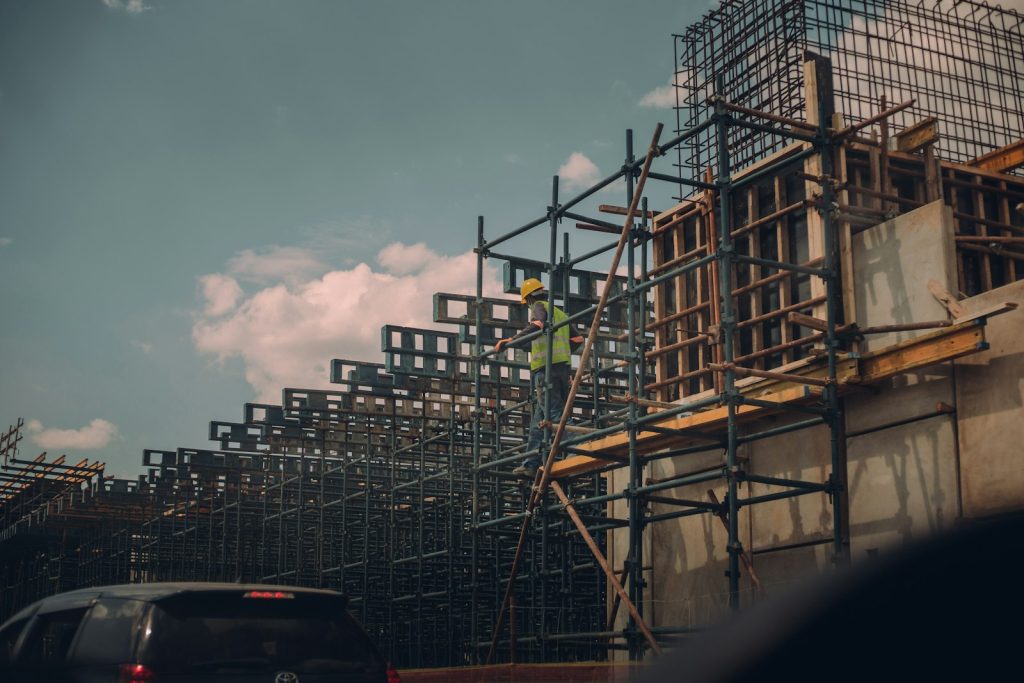
We’ll be direct: this is the most powerful statute in New York construction litigation. Labor Law §240(1) requires owners and contractors to provide proper protection against elevation-related hazards: scaffolds, ladders, hoists, harnesses, braces and the like. When a worker falls from height, or is struck by an object that was being hoisted or wasn’t properly secured, and the lack of proper protection was a cause, the owner and contractor are liable. Your own carelessness generally isn’t a defense under this section. That is why people call it absolute liability.
It isn’t automatic, though. Defense lawyers fight these cases by arguing the hazard wasn’t really “elevation-related,” that the worker was the sole cause of the accident, or that proper safety devices were available and the worker chose not to use them. We’ve seen every version of those arguments, and the answer is almost always found in the details: who supplied the ladder, whether anyone checked it, whether a harness and an anchor point actually existed on that floor that day.
Labor Law §241(6): the Industrial Code
Labor Law §241(6) covers a broader range of hazards (trench collapses, unguarded openings, slippery work surfaces, electrical dangers, debris on walkways) but it requires us to tie your accident to a specific, concrete provision of the New York State Industrial Code. Vague safety rules aren’t enough. Under this section, your own comparative fault can reduce the recovery, so how the accident is described in the first reports matters.
Labor Law §200: general safety and control
Section 200 codifies the ordinary duty to provide a reasonably safe workplace. It usually turns on whether the defendant supervised or controlled the work, or knew about a dangerous condition on the site. We plead it in most cases, but it is rarely the centerpiece.
| Statute | Typical accidents | Does the worker’s own fault reduce recovery? |
|---|---|---|
| §240(1) | Falls from ladders, scaffolds, roofs; falling or improperly hoisted objects | Generally no, unless the worker was the sole proximate cause |
| §241(6) | Trench collapses, unguarded floor openings, tripping or slipping hazards, electrical hazards | Yes, comparative fault applies |
| §200 | Dangerous site conditions, unsafe methods the defendant controlled | Yes, comparative fault applies |
What Construction Work Looks Like Around Bellerose
Eastern Queens isn’t Hudson Yards, but there is steady construction everywhere you look: roof replacements and second-story additions on the blocks off Braddock Avenue and 243rd Street, storefront renovations along Hillside Avenue and Jamaica Avenue, utility and road work near the Cross Island Parkway, and multi-family projects that pop up on corner lots. Smaller jobs can be more dangerous than big ones, because safety planning is often thinner and the crew is moving fast.
One honest point on small residential jobs: New York exempts owners of one- and two-family homes from §240(1) and §241(6) when they hire contractors but don’t direct or control the work. That exemption doesn’t end the case. It just means we focus on the contractors and subcontractors instead of the homeowner. Figuring out who sits where in that chain is a large part of what we do.
What We Do in the First Two Weeks
Construction sites change daily. The scaffold gets taken down, the opening gets covered, the crew moves to the next job. So our early work is about locking in the scene before it disappears. When we take a case, we typically:
- Identify the property owner, general contractor and every subcontractor on site that day, using permits, contracts and site signage.
- Send preservation letters demanding that equipment, incident reports, daily logs, safety meeting sign-in sheets and any site video be kept.
- Track down co-workers who saw what happened, while their memories are fresh and before anyone pressures them.
- Collect photographs, including the ones you or a co-worker took on a phone.
- Check whether OSHA visited the site or issued citations; OSHA’s construction resources describe the federal standards that often line up with the Industrial Code.
- Coordinate with your workers’ comp claim so the two cases don’t contradict each other.
We also want to hear your version, in your own words, before anyone else writes it for you. Foremen’s incident reports sometimes say things like “worker lost footing” with no mention that the ladder was missing a foot or the plank was never secured. Those first descriptions follow a case all the way to trial.
The Mistakes We See Injured Workers Make
We say this with respect, because nobody plans for an injury. But the same few mistakes come up over and over:
- Toughing it out. Tradespeople are proud and many go back to work hurt. Gaps in treatment become the defense’s favorite exhibit.
- Signing a statement for the GC’s insurer. You owe your employer notice of the injury. You don’t owe the owner’s insurance company a recorded interview.
- Assuming comp is the whole story. Workers’ comp doesn’t pay for pain and suffering. If there is a Labor Law case, walking away from it can leave a great deal on the table.
- Worrying about immigration status or union standing. Those concerns are real and we take them seriously, but they shouldn’t stop you from getting advice. Consultations are confidential.
How We Think About Trial From Day One
Most cases settle. But insurance companies don’t pay fair value on construction cases because they like the injured worker. They pay because the lawyer on the other side has shown them what a jury in Queens County Supreme Court at 88-11 Sutphin Boulevard is going to see. So we build every case as if it will be tried: clear liability under the statute, doctors who can explain the injury and the future, and an economist or vocational expert when the injury ends a career in the trades.
Construction injuries are often severe. We see spinal injuries from ladder falls, shattered heels and ankles from scaffold collapses, traumatic brain injuries from falling objects. Many of our clients are treated first at Long Island Jewish Medical Center, the trauma hospital right on the Queens and Nassau line in New Hyde Park. When the injury is catastrophic, the question isn’t just what you lost this year. It’s what you lost for the rest of your working life, and that has to be proven carefully.
Update for 2026: New York’s 2026 motor-vehicle tort reform, which introduced a “more than 50% at fault” bar for car-crash lawsuits, does not apply to construction accident cases. Labor Law claims are not motor-vehicle claims, so pure comparative fault under CPLR 1411 continues to govern where comparative fault matters at all, and §240(1) continues to protect workers from having their own conduct used against them in most fall-from-height cases.
Deadlines You Should Know
For most construction injury lawsuits against owners and contractors, the deadline is three years from the accident under CPLR 214. If a public entity owns the site, such as a City project, a Notice of Claim is generally due within 90 days, with the lawsuit following within one year and 90 days. If a worker dies, the family’s wrongful death claim generally must be filed within two years of the death. Workers’ comp has its own notice and filing rules that run separately. These deadlines overlap in confusing ways, which is one more reason to talk to us early.
For more on the specific accident types, see our pages on scaffold accidents, falls from height, and our broader construction accident practice.
Getting to Our Office from Bellerose
We’re at 1 Cross Island Plaza, Suite 325, in Rosedale. From Bellerose, take the Cross Island Parkway south toward the Belt. Our building is right off the Cross Island, roughly 15 to 20 minutes depending on traffic. If you’re laid up after surgery or can’t drive yet, we’ll come to you at home or in the hospital, or we can meet by video. We consult in English, Russian and Spanish, Monday through Friday, 9 to 6.
Talk to a Construction Accident Lawyer in Bellerose
If you were hurt on a job site in Bellerose, Glen Oaks, Queens Village or anywhere in eastern Queens, we’d like to hear what happened. A Construction Accident Lawyer in Bellerose from our firm will review your case for free, and there is no fee unless we win. Call us at 718.775.3110 or use our contact form. You can also learn more about Yakov Mushiyev and our Bellerose personal injury practice.
Frequently Asked Questions
Can I sue if I’m already getting workers’ compensation for my construction injury?
Usually you can’t sue your own employer, but you can often bring a third-party lawsuit against the property owner, general contractor or another subcontractor. Workers’ comp and a Labor Law case frequently run at the same time.
Does Labor Law §240(1) apply if I fell from a ladder on a house in Bellerose?
It can. Owners of one- and two-family homes who don’t direct or control the work are generally exempt, but the contractors and subcontractors on the job are not. A Construction Accident Lawyer in Bellerose can sort out who is responsible.
What if I wasn’t wearing my harness?
Don’t assume that ends your case. Under §240(1), the question is often whether proper safety devices and anchor points were actually provided. The facts matter, so tell us exactly what was available that day.
Where do construction injury cases from Bellerose get filed?
Cases arising in Bellerose are commonly filed in Queens County Supreme Court at 88-11 Sutphin Boulevard in Jamaica, though the proper venue depends on the parties involved.
How quickly should I contact a lawyer after a job-site accident?
As soon as you’ve gotten medical care. Job sites change fast, equipment disappears, and early incident reports can shape the entire case. Calling within days rather than months gives us the best chance to preserve evidence.
This article is general information, not legal advice. Attorney Advertising. Prior results do not guarantee a similar outcome.