
When a drunk driver causes a crash, people tend to assume the hard part is over once the police make an arrest. The driver was obviously wrong, the breath test proves it, so the money should follow. We hear versions of that belief all the time, and it is one of several myths that can quietly damage an injured person’s case. If you are searching for a Drunk Driving Accident Lawyer in Bellerose, this article separates what people commonly believe from what New York law actually says, so you can protect your claim from day one.
Bellerose sits where Queens meets Nassau County. Jamaica Avenue becomes Jericho Turnpike at the county line, Hillside Avenue carries traffic east and west late into the night, and the Cross Island Parkway and Grand Central Parkway interchange is a few minutes away. Impaired drivers use all of these roads. Here are the myths we see most often, and the facts behind them.

Myth 1: “The Driver Was Arrested, So the Insurance Company Will Just Pay”
Fact: The criminal case and your injury claim are two completely separate things. The criminal case is brought by the Queens District Attorney (or the Nassau District Attorney if the crash happened across the line) to punish the driver. It does not put money in your pocket for medical bills, lost income or pain and suffering. For that, you need a civil claim against the driver and anyone else who is legally responsible.
An arrest can help your civil claim. Breath or blood test results, the officer’s observations and any guilty plea can all become evidence. But insurers do not cut checks simply because there was an arrest. They still look at how badly you were hurt, how well your injuries are documented, and whether your case meets New York’s legal thresholds.
Myth 2: “I Can’t Win Unless the Driver Is Convicted of DWI”
Fact: A civil injury case does not require a criminal conviction. Criminal cases require proof beyond a reasonable doubt. Civil cases use a lower standard, generally whether something is more likely true than not. A driver might plead down to a lesser charge, or the criminal case might be dismissed on a technicality, and you can still prove in a civil case that the driver was negligent.
In fact, many drunk driving injury claims are proven the same way any other crash is proven: through the police report, witness statements, video, vehicle damage, and evidence of how the driver was behaving before and after the collision. Intoxication strengthens the case, but it is not the only path to proving fault.
Here’s a hypothetical: a driver leaving a late dinner drifts across the center line on Jericho Turnpike and sideswipes a car heading home to Bellerose. He refuses a breath test, and months later his criminal charge is reduced. The injured driver’s civil claim can still rest on the refusal, the officer’s observations, the drifting caught on a storefront camera, and the physical evidence of where the cars collided.
Myth 3: “Insurance Doesn’t Cover Drunk Drivers”
Fact: In general, a New York auto liability policy still covers injuries the insured driver causes while impaired. Drunk driving is negligent, reckless and often criminal, but the purpose of mandatory liability insurance is to protect the people that driver hurts. The New York DMV requires every registered vehicle to carry minimum liability coverage of $25,000 per person and $50,000 per accident for bodily injury.
The bigger problem is usually that minimum coverage is not enough for a serious injury. That is why identifying every source of recovery matters, which brings us to the next myth.

Myth 4: “The Only Person I Can Hold Responsible Is the Drunk Driver”
Fact: New York law can extend responsibility beyond the driver. A few of the most important avenues are:
- The bar, restaurant or liquor store. New York’s Dram Shop Act, General Obligations Law §11-101, allows an injured person to bring a claim against a business that unlawfully sold alcohol to someone who was visibly intoxicated, when that sale contributed to the injury.
- Whoever gave alcohol to an underage drinker. New York also has a separate statute addressing people who knowingly furnish alcohol to someone under 21.
- The vehicle owner. Under Vehicle and Traffic Law §388, the owner of a car can generally be held responsible for the negligence of someone driving it with permission.
- An employer. If the driver was working at the time, for example making deliveries, the employer may be responsible.
- Your own policy. Supplementary uninsured/underinsured motorist (SUM) coverage on your own policy may apply when the drunk driver’s coverage is too small, or if the driver fled.
Dram shop claims depend on evidence that tends to disappear quickly: receipts, tabs, credit card records, surveillance video and the memories of staff and other patrons. If the driver fled after the crash, our hit-and-run checklist for Bellerose explains how uninsured motorist coverage and MVAIC fit in.
Myth 5: “New York Is No-Fault, So I Can’t Sue Anyone”
Fact: No-fault limits lawsuits, but it does not eliminate them. Under New York’s no-fault system, your own personal injury protection pays medical bills and part of lost earnings regardless of who caused the crash, with basic coverage of $50,000. You must file your no-fault application within 30 days.
To step outside no-fault and sue the drunk driver for pain and suffering, you must show a “serious injury” as defined in Insurance Law §5102(d). Categories include fractures, significant disfigurement, permanent loss of use of a body organ or member, and significant or permanent limitations of use. Drunk driving crashes often involve high speeds and severe impacts, so many of these cases do meet the threshold, but it still has to be proven with medical evidence.
| What you’re claiming | Who usually pays | What you need to show |
|---|---|---|
| Medical bills, part of lost wages | No-fault (PIP) | Timely no-fault application, accident-related treatment |
| Pain and suffering, full lost wages | Drunk driver’s liability insurer, owner, employer | Negligence plus a “serious injury” |
| Excess damages beyond the driver’s limits | Your SUM coverage, possibly a dram shop defendant | Policy terms; unlawful sale to a visibly intoxicated person |

Myth 6: “A Drunk Driving Case Means Automatic Punitive Damages”
Fact: New York courts can allow punitive damages in some drunk driving cases, because the conduct can be so reckless that it goes beyond ordinary carelessness. But they are not automatic, they are decided case by case, and insurance in New York generally does not pay punitive damages. That means any punitive award may have to be collected from the driver personally, which is not always realistic.
In practice, the backbone of most drunk driving claims is compensatory damages: medical expenses, lost earnings, future care, and pain and suffering. A good case is built on documenting those losses thoroughly rather than counting on a punitive award.
Myth 7: “If I Was Partly at Fault, I Get Nothing”
Fact: Historically, New York has followed pure comparative fault under CPLR 1411. Your recovery is reduced by your percentage of fault, but not eliminated. If you were going a little over the speed limit when a drunk driver ran a red light on Braddock Avenue, for example, your share of fault might reduce your award without ending your case.
Update for 2026: New York’s motor-vehicle tort reform, signed in late May 2026, applies to motor-vehicle lawsuits filed on or after its effective date (not death cases). It adopts modified comparative fault, so a plaintiff who is more than 50% at fault cannot recover; eliminates the 90/180-day serious-injury category; has juries decide fault before serious injury; and caps pain-and-suffering damages at $100,000 for plaintiffs who were driving uninsured, were convicted of impaired driving, or were committing a felony. Pure comparative fault still applies to non-motor-vehicle cases such as slip and falls.
That last point is worth noticing. The 2026 reform does not make it harder to sue a drunk driver. It limits recovery when the injured person was the one convicted of impaired driving.
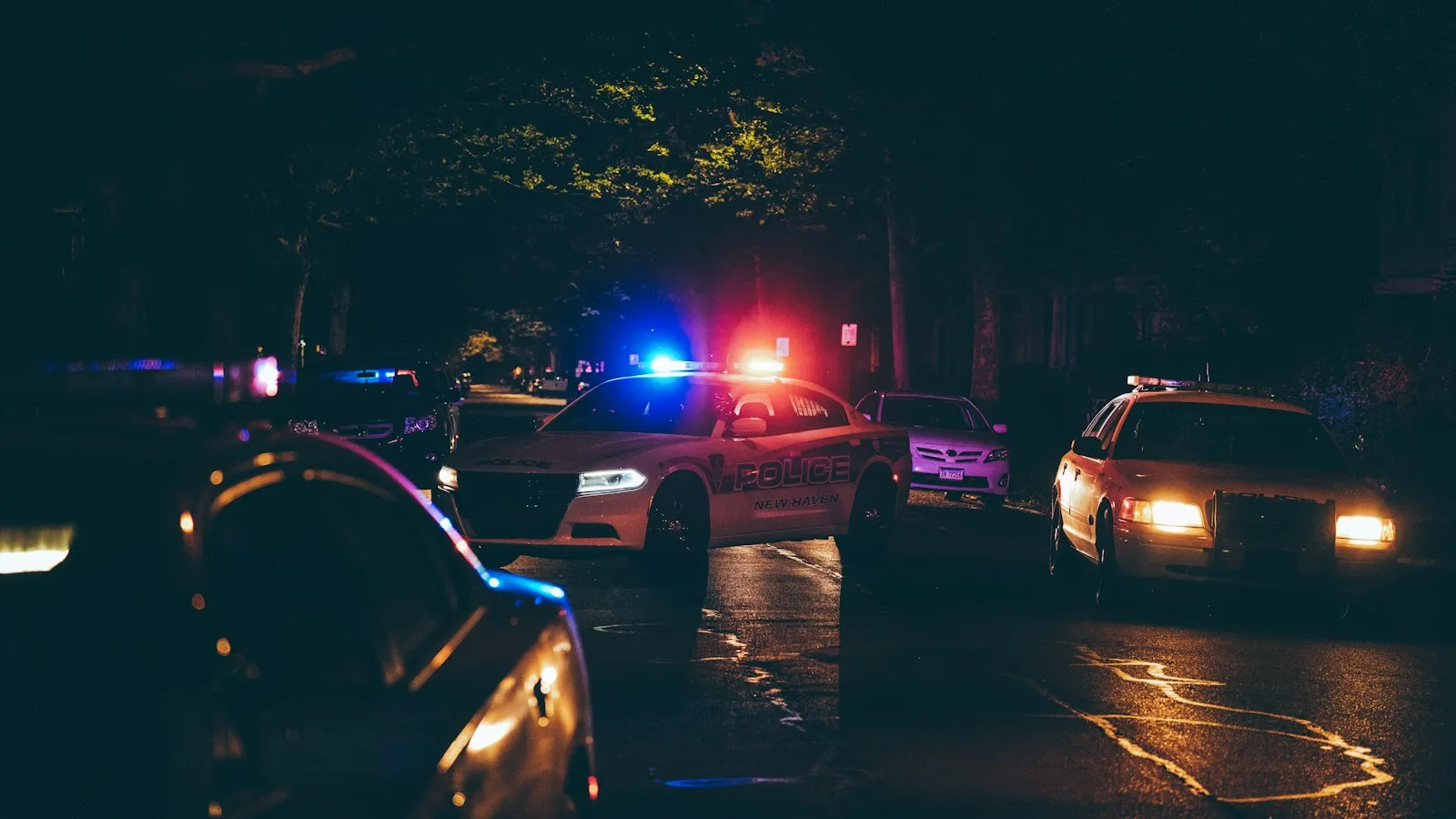
Myth 8: “There’s No Rush. I’ll Wait for the Criminal Case to Finish”
Fact: Criminal cases can take months or longer, and your civil deadlines keep running the whole time. The general statute of limitations for personal injury in New York is three years under CPLR 214. A wrongful death claim generally must be brought within two years of death under EPTL 5-4.1. If a city vehicle or city road condition is involved, a Notice of Claim is generally due within 90 days.
Even more urgent than the legal deadlines is the evidence. Bar surveillance video, point-of-sale records and witness memories fade quickly. Waiting for the criminal case can mean losing the very evidence a dram shop claim needs.
What a Drunk Driving Accident Lawyer in Bellerose Actually Does
With the myths cleared away, here is what working with a Drunk Driving Accident Lawyer in Bellerose looks like at Yakov Mushiyev & Associates, P.C.:
- We obtain the police report, test results and any arrest paperwork, and track the criminal case.
- We identify where the driver was drinking and move quickly to preserve receipts and video.
- We look up every insurance policy that could apply: the driver’s, the owner’s, any employer’s, and your own SUM coverage.
- We handle your no-fault paperwork so your medical bills keep getting paid.
- We build the medical record needed to meet the serious injury threshold.
Consultations are free, and you pay no fee unless we win. We consult in English, Russian and Spanish, and we can meet you at home, in the hospital or by video. For more on our approach, see our Bellerose personal injury lawyer page, our Bellerose car accident lawyer page, and our broader car accident practice. Impaired drivers who cross the center line cause some of the worst crashes we see, which is why we also wrote about head-on collisions in Bellerose. Families who have lost someone can find help through our wrongful death lawyers.
For national data on how alcohol-impaired driving affects road safety, the National Highway Traffic Safety Administration publishes research and safety resources.
Getting to Our Office From Bellerose
Yakov Mushiyev & Associates, P.C. is located at 1 Cross Island Plaza, Suite 325, Rosedale, NY 11422. From Bellerose, take the Cross Island Parkway south toward the Belt Parkway; 1 Cross Island Plaza sits right off the Cross Island in Rosedale. Plan on roughly 15 to 20 minutes depending on traffic. Our hours are Monday through Friday, 9 a.m. to 6 p.m.
Ready to talk? Call 718.775.3110 or contact us online for a free consultation.
Frequently Asked Questions
Can I sue a bar in Nassau County if the driver was drinking there before a crash in Bellerose?
Potentially, yes. New York’s Dram Shop Act applies statewide, so a business in Bellerose Village, Floral Park or New Hyde Park can face a claim the same way a Queens business can, if it unlawfully sold alcohol to a visibly intoxicated person and that sale contributed to your injuries. Proving it usually requires quick action to preserve receipts and video.
Do I have to testify in the drunk driver’s criminal case?
You may be asked to by the District Attorney’s office, since you are a witness to what happened. Your civil claim is separate, and your lawyer can help you understand how statements in the criminal case may affect your injury claim.
What if the drunk driver only has the minimum insurance?
Minimum liability coverage in New York is $25,000 per person. If your damages are larger, other sources may apply, including the vehicle owner’s coverage, an employer’s policy, a dram shop claim, and supplementary underinsured motorist coverage on your own policy.
Where are people injured in Bellerose usually taken after a serious crash?
Long Island Jewish Medical Center in New Hyde Park, right on the Queens–Nassau line, is the nearby trauma hospital for much of Bellerose. EMS decides where to take patients based on the injuries and conditions at the time.
How long do I have to file a claim after a drunk driving accident?
Generally three years for a personal injury lawsuit and two years from death for a wrongful death claim. Your no-fault application is due within 30 days, and claims involving city vehicles generally need a Notice of Claim within 90 days. Because evidence fades, it is best to speak with a lawyer as soon as you can.
This article is general information, not legal advice. Attorney Advertising. Prior results do not guarantee a similar outcome.