
Rego Park riders choose between a yellow cab and a Lyft all the time, often on the same corner of Queens Boulevard and usually based on nothing more than which one shows up first. Almost nobody thinks about insurance when they make that choice. After a crash, though, the question “would it have been different in the other car?” comes up constantly. This article answers it by putting the two claims side by side, rule by rule, so you can see exactly where they match and where they split.
The short version: inside New York City, a Lyft passenger and a cab passenger start from much the same legal position. The real differences show up in evidence, in identifying the driver and policy, and in trips that begin outside the city. If you were hurt and want to talk it through, call Yakov Mushiyev & Associates, P.C. at 718.775.3110.
A Hypothetical: Two Riders, One Rear-End Crash
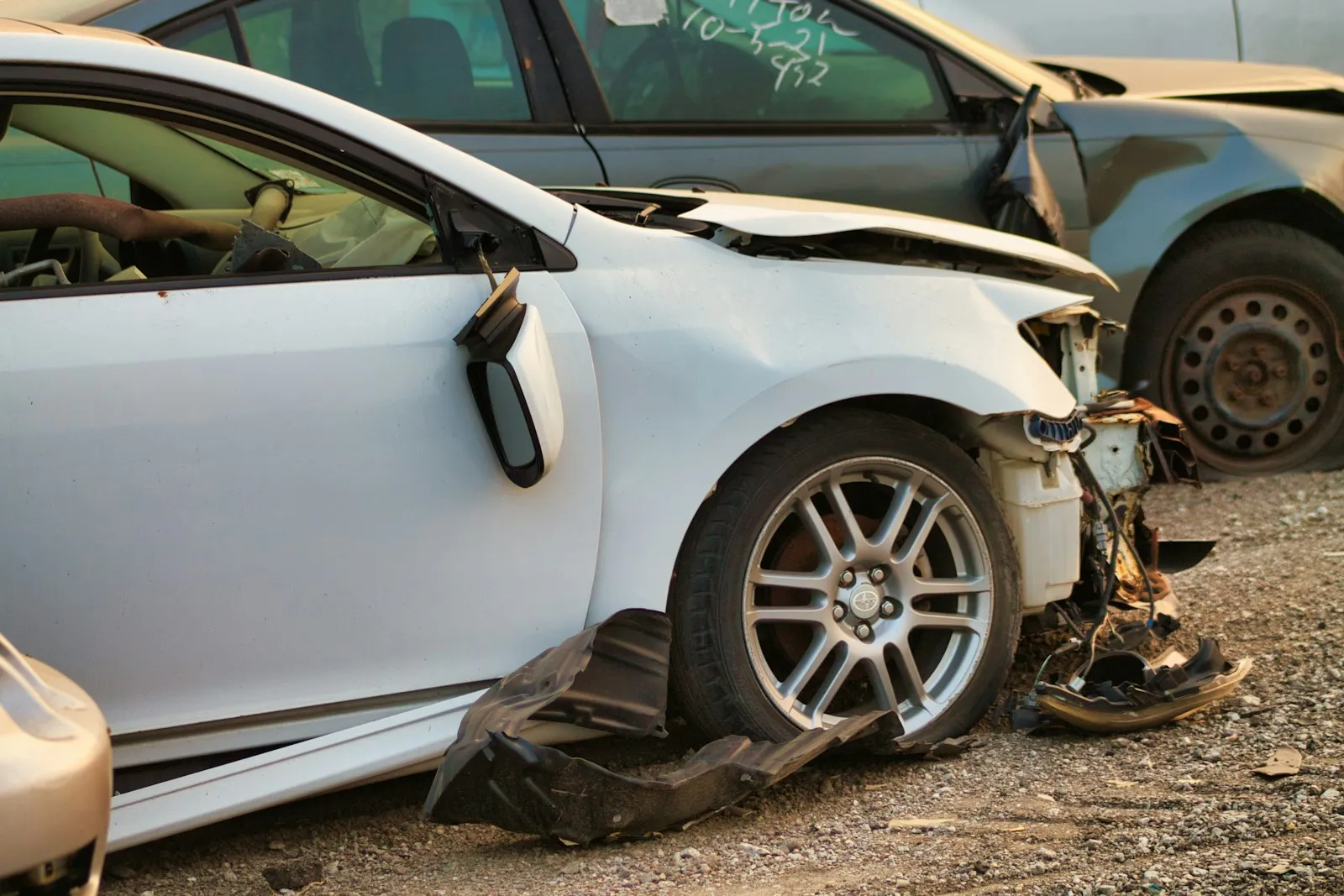
This is a hypothetical example, not a real case. Two friends leave the 63rd Drive–Rego Park subway station on a rainy evening. One hails a yellow cab on the service road; the other opens the Lyft app and is picked up a minute later. Both cars head east on Queens Boulevard, and a private SUV rear-ends each of them at the same light.
Both riders file a no-fault application with the insurer of the car they were sitting in. Both face a $100,000 per-person PIP limit, because the TLC requirement covers yellow cabs and app-based for-hire vehicles alike. Both can pursue the SUV driver for pain and suffering if they meet the serious injury threshold. Where they differ is in how quickly each can prove which car, which driver and which trip were involved, and that is where the Lyft rider usually has the advantage.
Side by Side: Yellow Cab vs. Lyft Inside NYC
| Question | Yellow cab | Lyft (trip starting in NYC) |
|---|---|---|
| Who licenses it | NYC Taxi and Limousine Commission | NYC Taxi and Limousine Commission, as a for-hire vehicle |
| Required no-fault (PIP) | $100,000 per person since March 1, 2026 | $100,000 per person since March 1, 2026 |
| Required liability minimum | $100,000 per person / $300,000 per occurrence | $100,000 per person / $300,000 per occurrence (fewer than 8 seats) |
| Where a passenger files no-fault | The cab’s insurer | The Lyft car’s commercial for-hire insurer |
| Possible coverage above the minimum | Confirm from the policy | Lyft may carry more on some trips; confirm from insurer and trip record |
| Best identifying record | Medallion number and receipt | In-app receipt, trip ID, driver name and plate |
The current rules are published by the NYC Taxi and Limousine Commission. One detail to note: the PIP requirement on all TLC vehicles was cut from $200,000 to $100,000 per person effective March 1, 2026. A crash before that date may still fall under the policy then in force.

Where the Two Claims Actually Diverge
Identifying the car and driver
A cab passenger who leaves without a receipt or the medallion number may have to work backward to find the right vehicle. A Lyft passenger has the driver’s name, the plate and a trip ID in the app before the ride even begins. That record is easy to lose, though: screenshot it and do not delete the app.
The driver’s status
Lyft trips have phases a cab ride does not: the app is off, the driver is waiting for a request, the driver is en route to a pickup, or a passenger is aboard. The trip record shows which phase applied at the moment of the crash, and it is one of the first things we ask for, especially when a pedestrian or another driver was hit.
Coverage above the minimum
Lyft may carry additional coverage above the TLC minimums on some trips. Whether it applies, and how much, has to be confirmed from the insurer and the trip record. We never assume a number until it is confirmed.
Trips that start outside the city
This is the one place where Lyft rules can change sharply. New York State’s rideshare law requires $1.25 million in liability coverage while a passenger is aboard, but that state rule applies only to trips starting outside New York City, for example a ride from Valley Stream or Elmont in Nassau. The law exempts cities of one million or more people, so a Lyft that picks you up in Rego Park is under the TLC minimums even if it crashes minutes later.

What Stays the Same Whichever Car You Chose
The core of New York injury law does not care whether your ride had a roof light or an app. For cab and Lyft passengers alike:
- No-fault comes first. PIP pays medical bills, lost earnings and other basic economic loss regardless of fault. The application is due within 30 days of the crash.
- Pain and suffering needs a serious injury. After the 2026 budget, the list has eight categories: death, dismemberment, significant disfigurement, fracture, loss of a fetus, permanent loss of use of a body organ, member, function or system, permanent consequential limitation of use of a body organ or member, and significant limitation of use of a body function or system.
- Fault is decided before injury. Under the amended Insurance Law 5104, the fact-finder resolves fault first.
- The lawsuit deadline is three years for personal injury under CPLR 214(5), and two years for wrongful death.
The new fault cutoff in CPLR 1411(b) applies to motor-vehicle suits commenced on or after May 26, 2026: a claimant more at fault than the defendants combined recovers nothing, and one at 50% or less has the award reduced. A seated passenger in either car rarely has fault to argue about. A pedestrian struck by either car, or the driver of a third vehicle, may.
When the Other Driver Caused It and Has Little Insurance
In our hypothetical, the SUV driver was at fault. If that driver carried only a small policy, both riders would look for other sources. Uninsured and underinsured motorist coverage on TLC vehicles in New York City is far lower than under the state rideshare rule, so the injured rider’s own supplementary uninsured/underinsured motorist (SUM) coverage, or a household relative’s, may matter.
If you own a car or live with a relative who does, find that policy’s declarations page. On a Queens Boulevard crash caused by an underinsured driver, it can be the most important document in the file.
The Department of Financial Services explains SUM and no-fault basics on its auto insurance page.
Rego Center and Lost Battalion Hall: Hail Zones vs. App Pins
The two busiest destinations along Rego Park’s stretch of Queens Boulevard show how cab and Lyft traffic behave differently.
Rego Center shopping area. Near the junction of Queens Boulevard, Junction Boulevard and the Long Island Expressway, Rego Center’s large stores send shoppers home with bags and boxes. Cab riders tend to wait where they can flag a passing car. Lyft riders wait wherever the pin lands, and drivers circle toward that spot while glancing at the map. Pickups pile up at the curb, trunks open beside moving traffic, and cars pull out quickly toward the LIE ramps.
Lost Battalion Hall. This NYC Parks recreation center on Queens Boulevard, named for the World War I unit known as the Lost Battalion, draws families and older adults for classes and youth programs. Many arrive by app-based ride. Drop-offs happen on the service road, where a passenger door can open into a cyclist and a driver may pull away while the next request pops up. Riders who cross the boulevard on foot face several lanes, medians and service roads.
In either spot, the Lyft trip record can pin down the exact pickup or drop-off point and time, something a street hail rarely leaves behind.
What to Do After a Rego Park Crash, in Order
- Get medical care, and keep every follow-up appointment.
- Call police. Drivers should also check whether a DMV MV-104 accident report is required.
- In a Lyft, screenshot the receipt, trip ID, driver name, plate and route, and report the crash in the app. In a cab, note the medallion number and get a receipt.
- File the no-fault application with the right insurer within 30 days.
- If a city or MTA vehicle was involved, remember the 90-day notice of claim deadline.
- Talk to a lawyer before giving a recorded statement to any insurer.
Lyft vs. Cab Accident FAQs
Would I have more coverage if I had taken a Lyft instead of a cab?
Not by default. Inside New York City both carry the same TLC minimums for PIP and liability. Lyft may have additional coverage on some trips, but that must be confirmed case by case.
Is a green Boro Taxi treated like a yellow cab?
For no-fault purposes, yes: green taxis are TLC vehicles subject to the $100,000 PIP requirement. Liability coverage should be confirmed for the specific vehicle.
My Lyft started in Nassau and crashed in Rego Park. Which rules apply?
Generally the state rideshare rules, because the trip began outside New York City. That changes the coverage analysis, so tell your lawyer where the ride started.
I’m a Lyft driver who was hurt. Is my claim the same as a passenger’s?
No. Lyft drivers in New York City are generally covered for their own work injuries through the New York Black Car Fund, which is separate from a passenger’s claim.
Does it matter if I deleted the Lyft app?
It makes things harder, not impossible. The trip data still exists, but your own screenshots are the fastest proof. Reinstall and check your ride history if you can.
Rego Park Local FAQs: Getting Around
Which subway stops are inside Rego Park?
The M and R local trains stop at 63rd Drive–Rego Park and 67th Avenue. Woodhaven Boulevard station is at the western edge.
Is the Queens Center mall in Rego Park?
No. Queens Center sits just across the line in Elmhurst, near Queens Boulevard and Woodhaven Boulevard, so many shopping trips cross the neighborhood boundary.
What highway runs along Rego Park’s north side?
The Long Island Expressway. Junction and Woodhaven Boulevards both connect Queens Boulevard to it.
Which hospitals are closest?
Long Island Jewish Forest Hills to the east and NYC Health + Hospitals/Elmhurst to the west. In an emergency, call 911.
Which police precinct and court cover Rego Park?
The NYPD’s 112th Precinct covers Rego Park (ZIP 11374). Civil injury cases filed locally typically go to Queens County Supreme Court in Jamaica; see the New York State courts website.

Cab or Lyft, Get a Free Case Review
Whichever car you were in, the first deadline is only 30 days out. For a full rundown of Lyft claims in the neighborhood, see our Lyft accident lawyer Rego Park page. If you rode in a yellow or green cab, our Rego Park taxi accident page covers that claim. We also handle Lyft accidents in Corona, all kinds of car accident cases, and matters across our Rego Park practice. You can review our settlements page for more about the firm.
Call 718.775.3110 or contact us online. Yakov Mushiyev & Associates, P.C. is at 1 Cross Island Plaza, Suite 325, Rosedale, NY 11422, open Monday through Friday, 9 to 6, with phone intake 24/7. We meet clients at home, in the hospital or by video, in English, Russian or Spanish, and there is no fee unless we win.
Attorney Advertising. This is general information about New York law, not legal advice, and reading it does not create an attorney-client relationship. Every case depends on its own facts. Prior results do not guarantee a similar outcome.