
Most Lyft crashes in Rego Park can be traced back to one fact about Queens Boulevard: it asks drivers to do several things at once. A Lyft driver here is reading a map on a phone, scanning the sidewalk for a specific rider, choosing between the fast center lanes and the service road, and watching for people crossing a road that takes several signal cycles to walk. When one task wins the driver’s attention at the wrong moment, someone gets hurt, and the legal question that follows is just as layered.
Yakov Mushiyev & Associates, P.C. is a Queens personal injury firm, and this page is written for anyone searching for a Lyft accident lawyer in Rego Park who wants to understand the claim before talking to an insurer. Below we work through who pays, how your position in the crash changes the analysis, what the app records, and how the 2026 changes apply. To talk it through, call 718.775.3110. Consultations are free, in English, Russian or Spanish, at home, in the hospital or by video, and there is no fee unless we win.
Three Variables That Decide a Rego Park Lyft Claim
A Lyft accident attorney at our firm starts with three variables, because each changes which rules apply and which insurer gets the first call.
- Where the trip started. A Lyft ride that begins inside New York City falls under the Taxi and Limousine Commission’s insurance rules. A ride that begins in Nassau or Westchester falls under the state’s rideshare rules instead.
- Where you were. A passenger in the Lyft, a pedestrian or cyclist struck by it, and a driver in another car each start their claim from a different policy.
- What the app recorded. The trip ID, timestamps, route and the driver’s status at the moment of impact can settle questions that would otherwise become a credibility contest.
Who Pays on a Lyft Trip That Starts in Rego Park
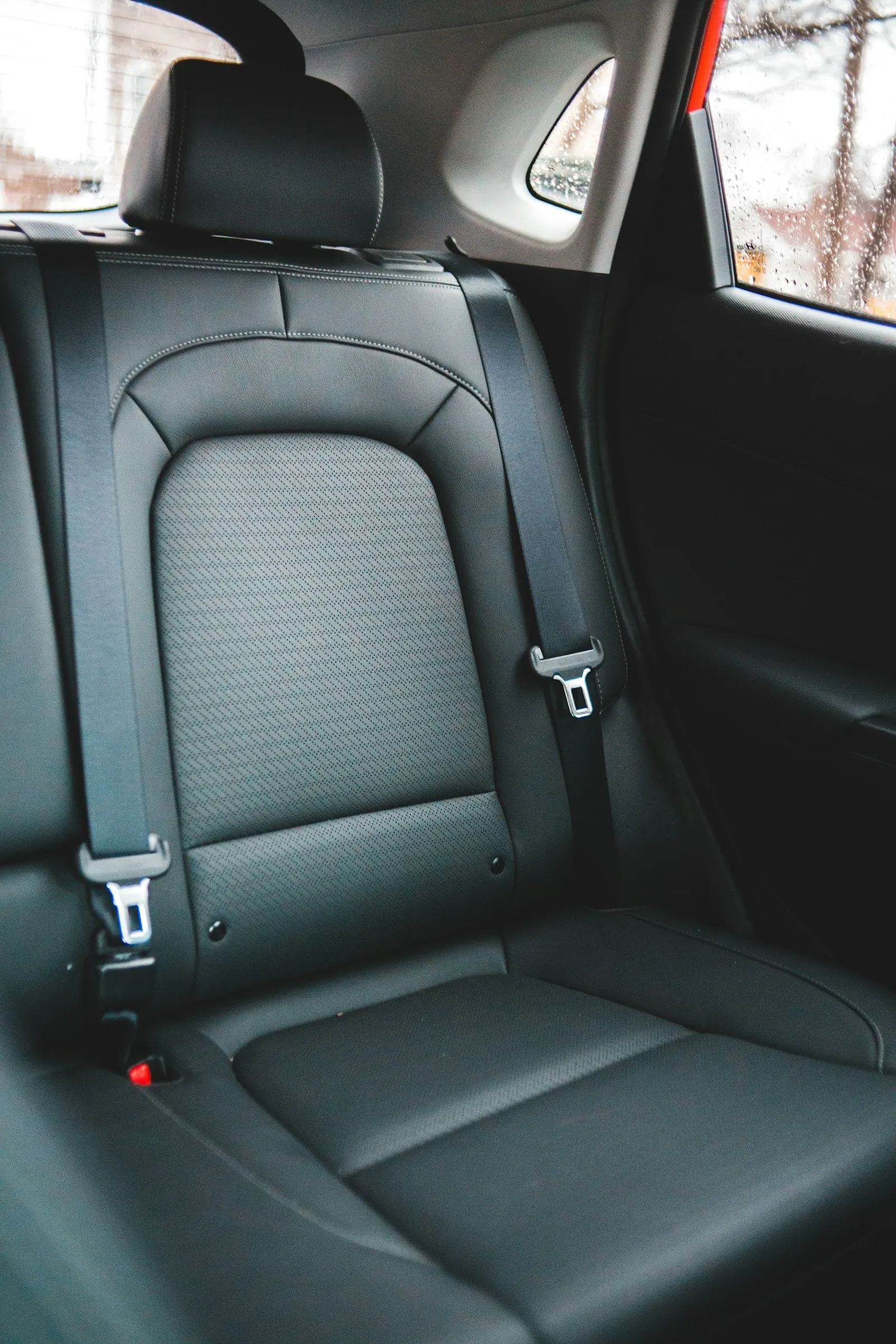
Inside the five boroughs, a Lyft car is not a private car with a ride-hailing app. It is a TLC-licensed for-hire vehicle. The driver needs a TLC driver license, the car carries TLC plates, and it must be insured under a commercial for-hire policy. See the NYC Taxi and Limousine Commission.
New York State’s rideshare insurance law does not govern trips inside New York City; it exempts cities of one million or more people and leaves them to the TLC. For a trip that starts in Rego Park, the TLC minimums are the starting point.
| Coverage question | Lyft trip starting in Rego Park (or anywhere in NYC) | Lyft trip starting in Nassau, e.g. Valley Stream |
|---|---|---|
| Which rules govern | TLC insurance rules for for-hire vehicles | New York State rideshare rules |
| Liability coverage minimum | $100,000 per person / $300,000 per occurrence (vehicles with fewer than 8 seats) | $1.25 million under the state rule while a passenger is aboard, for trips starting outside NYC |
| No-fault (PIP) minimum | $100,000 per person since March 1, 2026 | At least the $50,000 state no-fault minimum |
| Where a passenger files no-fault | The Lyft car’s commercial policy | The insurer covering the Lyft car on that trip |
The PIP requirement on TLC vehicles was reduced from $200,000 to $100,000 per person effective March 1, 2026, so a serious injury can exhaust it faster; a crash before that date may still fall under the policy then in force. And minimums are floors, not answers.
Lyft may carry additional coverage above the TLC minimums on some trips. Whether it applies, and how much, has to be confirmed from the insurer and the trip record. We do not assume it, and you should not either.
Your Position in the Crash Changes the Claim
Riding in the Lyft
Passengers generally claim no-fault benefits from the vehicle they occupied, which on a Lyft ride means the car’s commercial for-hire policy. A passenger’s own fault is rarely an issue. The open questions are which driver caused the crash, whether the injury meets the serious injury threshold, and how much coverage is available.
Walking or biking when a Lyft car hit you
Pedestrians and cyclists claim no-fault from the vehicle that struck them. Here fault becomes a live issue, because the new comparative fault rule described below mainly affects people outside the car: pedestrians, cyclists and drivers. On Queens Boulevard, signal timing and which segment of the crossing you were in deserve close attention.
Driving another car
If a Lyft car hit your vehicle, your no-fault claim generally runs through your own car’s policy, and your injury claim runs against the Lyft driver’s liability coverage. If the other driver caused the crash and carried little insurance, your own supplementary uninsured/underinsured motorist (SUM) coverage, or a household relative’s, may matter. That applies to Lyft passengers too, because uninsured motorist coverage on TLC vehicles in New York City is far lower than under the state rideshare rule.
Driving for Lyft
Lyft drivers in New York City who are hurt on the job are generally covered for their own work injuries through the New York Black Car Fund, the workers’ compensation system for black-car and app-based for-hire drivers. That is separate from any passenger’s claim.
Queens Boulevard Through a Lyft Lens
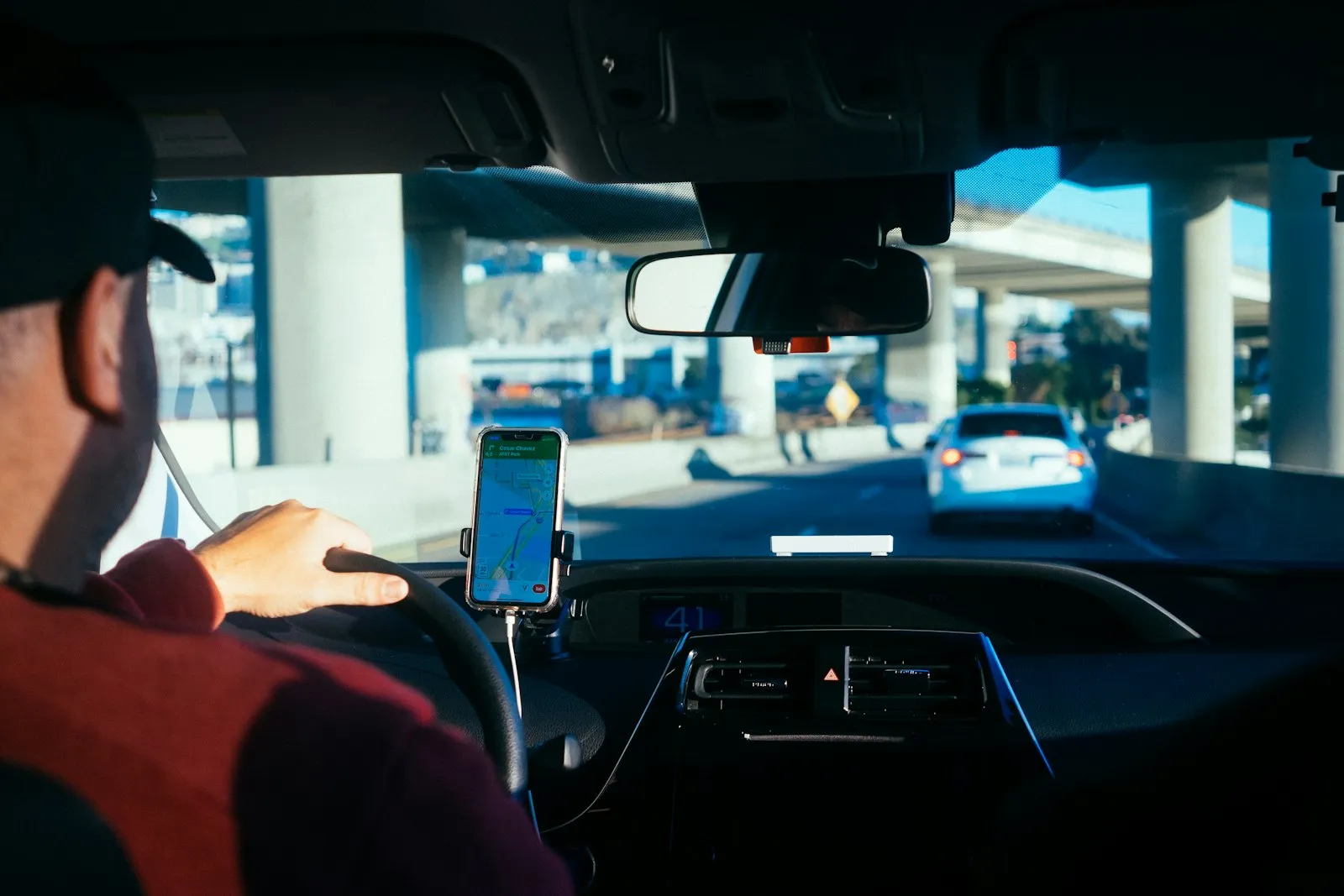
A cab driver reacts to a raised hand. A Lyft driver follows a pin toward one particular person, often while that rider walks toward a car they have never seen. On a road with center lanes, medians and service roads on both sides, that mismatch produces recurring patterns:
- The pin is on the wrong side of the median. The driver cuts across at a median opening, or the rider steps into the roadway.
- Stopping in a travel lane. With the curb full, a Lyft car stops in the service road’s moving lane.
- Doors opening into cyclists. A passenger exiting on the traffic side can strike a rider coming up the service road.
- Late turns toward the LIE. Rides heading for the Long Island Expressway or Woodhaven Boulevard often involve lane changes across several lanes in a short distance.
- Subway-exit pickups. Riders leaving the M and R trains at 63rd Drive–Rego Park or 67th Avenue frequently request a car from the stairs, so pickups bunch up near the station entrances.
Each pattern points to specific evidence: the route in the trip record, nearby store cameras and signal timing at the closest intersection.
Rego Center and Lost Battalion Hall: Two Destinations, Two Lyft Patterns
The Rego Center shopping area
Rego Center sits near the meeting point of Queens Boulevard, Junction Boulevard and the Long Island Expressway. Shoppers from across Queens leave with purchases too large for the subway, which makes it a busy Lyft pickup spot. The risks are predictable: drivers idling at the curb while watching the app, passengers loading a trunk while standing near moving traffic, and cars pulling out quickly to reach the expressway.
Lost Battalion Hall
Lost Battalion Hall is a NYC Parks recreation center on Queens Boulevard, named for the World War I unit known as the Lost Battalion. Its programs draw families, children and older adults, many arriving by app-based ride. Drop-offs happen along the service road, so the hazards are doors swinging into cyclists, children stepping out on the traffic side, and drivers pulling back into the lane while their next request appears.
The Evidence a Lyft Ride Leaves Behind
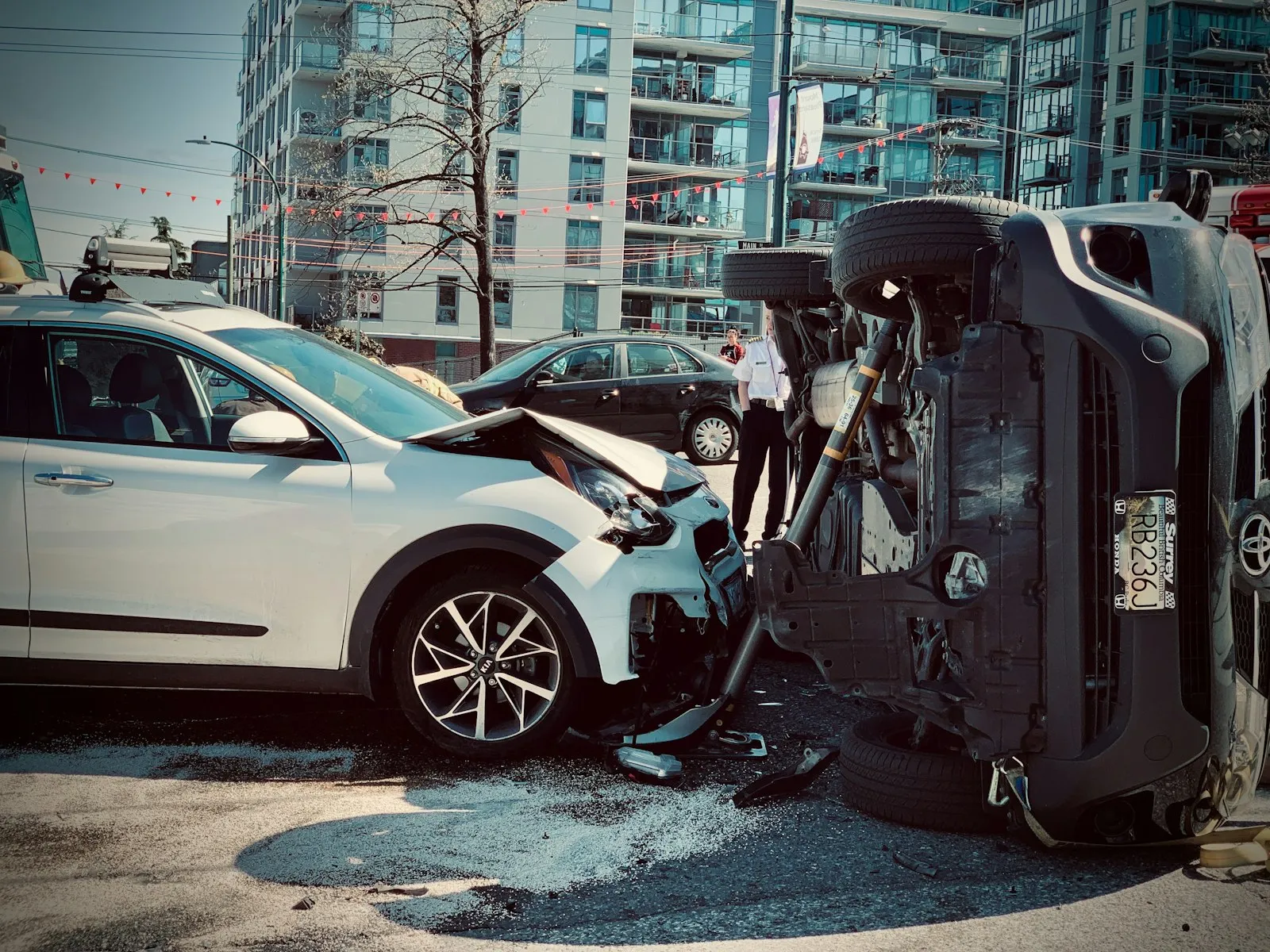
An ordinary car crash leaves skid marks, damage and witnesses. A Lyft crash leaves all of that plus a digital record. Before you close the app, save:
- The in-app ride receipt and the trip ID
- The driver’s name and plate as shown in the app
- The trip’s start and end times and the route map
- Any in-app safety report you file
- Anything showing the driver’s status: app off, waiting for a request, en route to a pickup, or carrying a passenger
Screenshot the receipt and trip details, and do not delete the app. Report the crash to police and in the Lyft app. If you were a pedestrian, cyclist or another driver, photograph the Lyft car’s TLC plate, write down the driver’s name, and ask the passenger, if there was one, for the trip details.
The 2026 Changes, Applied to Lyft Cases
New York’s 2026 budget reworked the rules for car-crash lawsuits. Four of the changes matter most in Lyft cases.
A narrower serious injury list
To recover for pain and suffering, you must show a “serious injury” under Insurance Law 5102(d). The budget removed one category, leaving eight: death; dismemberment; significant disfigurement; fracture; loss of a fetus; permanent loss of use of a body organ, member, function or system; permanent consequential limitation of use of a body organ or member; and significant limitation of use of a body function or system.
Fault first, with a cutoff
Under Insurance Law 5104, the fact-finder now decides fault before deciding whether the injury is serious. Under new CPLR 1411(b), in motor-vehicle injury actions under Insurance Law Article 51 commenced on or after May 26, 2026, a claimant whose fault is greater than the defendant’s (or the defendants’ combined) recovers nothing; a claimant at 50% or less has the award reduced proportionally. The filing date controls, not the crash date.
A cap for certain at-fault drivers
New Insurance Law 5104(d) caps non-economic damages at $100,000 for an at-fault claimant who was driving uninsured (with a narrow exception for a lapse under 30 days), was convicted of impaired driving, or was convicted of a felony committed while driving. It does not limit economic damages, other people’s claims or wrongful death.

Deadlines, From Most Urgent to Least
- 30 days: file the no-fault application with the correct insurer. For a Lyft passenger, that is the Lyft car’s commercial policy.
- 90 days: serve a notice of claim if a New York City or MTA vehicle, such as a city vehicle or MTA bus, was involved.
- 2 years: bring a wrongful death action, which in New York is still limited to pecuniary damages.
- 3 years: file a personal injury lawsuit under CPLR 214(5).
The Department of Financial Services publishes general auto insurance and no-fault guidance for consumers.
How We Work a Rego Park Lyft Case
- Confirm where the trip started and which rules apply.
- File the no-fault claim with the right carrier so medical bills and lost wages start moving.
- Request the trip record, driver status and nearby video before it is overwritten.
- Identify every policy in play, including any coverage above the TLC minimums and your own SUM coverage.
- Build the fault case first, then document the injury against the eight statutory categories.
For motor vehicle claims generally, see our car accident practice page. To compare a Lyft claim with a cab claim, read our article on Lyft accidents in Rego Park and whose insurance pays. Hurt in a yellow or green cab instead? Our Rego Park taxi accident page covers that claim. We also represent Lyft riders next door as a Lyft accident lawyer in Forest Hills and in Elmhurst, and as a Lyft accident lawyer in Queens across the borough.
Lyft Accident FAQs
Does the $1.25 million state rule for rideshares cover my Rego Park ride?
Generally no. That figure comes from the state rideshare rule, which applies to trips starting outside New York City, such as a ride from Nassau. Trips that start in Rego Park fall under the TLC minimums: $100,000 per person and $300,000 per occurrence in liability for cars with fewer than eight seats.
Who do I send my no-fault application to as a Lyft passenger?
To the insurer of the Lyft car you were riding in, under its commercial for-hire policy, within 30 days of the crash. Since March 1, 2026, the required PIP on TLC vehicles is $100,000 per person.
I was crossing Queens Boulevard when a Lyft hit me. Does my fault matter?
It can. For suits filed on or after May 26, 2026, if your share of fault is greater than the defendants’ combined share, you recover nothing; at 50% or less, your recovery is reduced. Evidence about signals and your position in the crossing matters.
What if the driver who caused my crash had almost no insurance?
Your own SUM coverage, or a household relative’s, may apply.
My injury is a sprain that healed. Do I have a case for pain and suffering?
It depends on whether the injury fits one of the eight serious injury categories. No-fault still covers your medical bills and lost earnings either way. Our general FAQ page covers more common questions.

About Rego Park: Local FAQs
How do most people get around Rego Park without a car?
By subway, mainly. The M and R local trains run under Queens Boulevard with stops at 63rd Drive–Rego Park and 67th Avenue, and the Woodhaven Boulevard station sits at the western edge of the neighborhood.
Which neighborhoods surround Rego Park?
Forest Hills lies to the east, Elmhurst to the west, Corona to the north across the Long Island Expressway, and Middle Village to the south.
What is Rego Park’s ZIP code, and which precinct handles crash reports?
The ZIP code is 11374. The NYPD’s 112th Precinct covers Rego Park along with Forest Hills.
Where is the nearest hospital?
Long Island Jewish Forest Hills is close by in Forest Hills, and NYC Health + Hospitals/Elmhurst is nearby in Elmhurst. In an emergency, call 911 and let EMS choose.
Which court would hear a Rego Park Lyft case?
Rego Park is in Queens County, so a locally filed injury case would typically go to Queens County Supreme Court, whose civil term sits in Jamaica. The New York State Unified Court System has court locations and information.
Talk to a Rego Park Lyft Accident Lawyer for Free
If a Lyft ride, or a Lyft car, hurt you in Rego Park, the no-fault clock may already be running. Call 718.775.3110 or send us a message for a free case review. Phone intake is open 24/7, and our office at 1 Cross Island Plaza, Suite 325, Rosedale, NY 11422 is open Monday through Friday, 9 to 6. We can meet at your home, at the hospital or by video, in English, Russian or Spanish, and there is no fee unless we win. See also our Rego Park accident lawyer page.
Attorney Advertising. This is general information about New York law, not legal advice, and reading it does not create an attorney-client relationship. Laws change, and every case depends on its own facts. Prior results do not guarantee a similar outcome.