
Every Uber crash leaves a trail. Some of it is in your pocket, some of it is in the cars, some of it sits on servers you will never see, and some of it is on a storefront camera that will record over itself by next week. Yakov Mushiyev & Associates, P.C. is a Rosedale personal injury firm, and as an Uber passenger accident lawyer in Queens, we approach these cases the way an investigator approaches a scene: identify what evidence exists, find out who holds it, and secure it before it disappears. This page walks through that process piece by piece.
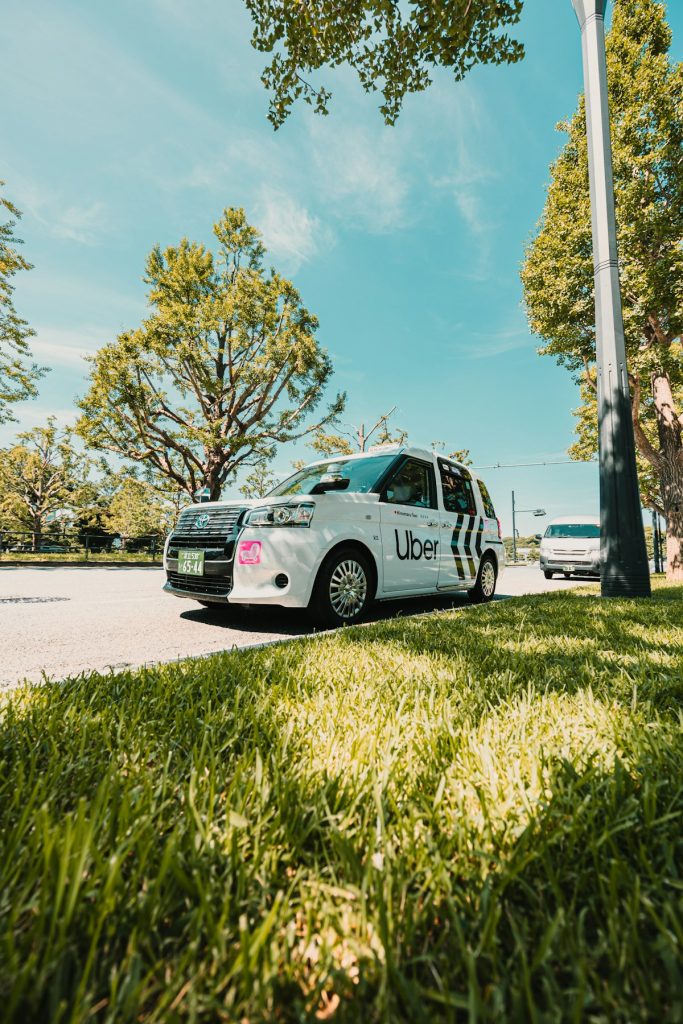
How an Uber Passenger Accident Lawyer in Queens Builds a Case From the Proof Up
As a passenger, you were not driving. That simple fact shapes the whole investigation. Passenger cases rarely turn on whether you did something wrong. Instead, the proof has to answer two other questions: which driver or drivers caused the crash, and how badly were you hurt? Everything we gather is aimed at those two answers.
When you hire us, we open an evidence file on day one. We list every possible source of proof, send preservation letters to anyone who might hold it, file your no-fault paperwork, and begin collecting medical records. We also identify every vehicle, owner, and insurer involved. You can see the other kinds of cases we investigate on our practice areas page.
The Evidence Clock: What Exists, Who Holds It, and How Long It Lasts
Not all evidence ages at the same speed. The table below is a general guide, not a promise about any specific company’s practices, but it shows why timing matters so much.
| Evidence | Who usually holds it | Risk of loss |
|---|---|---|
| Storefront and doorbell video | Local businesses and homeowners | High: many systems record over footage within days or weeks |
| Dashcam footage | Drivers of the vehicles involved | High: loops overwrite unless the clip is saved |
| Vehicle damage | Owners, insurers, repair shops | High: cars are repaired, salvaged, or sold quickly |
| Witness memory | Bystanders, other passengers | Medium to high: details fade and contact information gets lost |
| Trip records and GPS data | The rideshare platform | Medium: retained under company policies; must be requested properly |
| Police report and MV-104 reports | NYPD and the DMV | Low: formal records, but they must be requested |
| Medical records | Hospitals, doctors, therapists | Low, but only if you actually seek and continue treatment |
Read the table from top to bottom and a strategy emerges: the most persuasive evidence, video, is often the most fragile. That is why we move on it first.
Evidence in Your Pocket
Your phone may be the single best evidence locker in the case. Before anything else, preserve:
- The trip receipt. It shows the date, time, pickup and drop-off points, route, driver’s first name, and vehicle. Screenshot it and email it to yourself.
- In-app trip details. The map of your route can confirm where the crash happened and how the trip ended.
- Photos and video from the scene. Vehicle positions, damage, debris, traffic signals, skid marks, and road conditions. Do not delete anything, even blurry shots.
- Messages. Any texts or in-app messages with the driver or the company after the crash.
- Your own notes. A voice memo or written note of what you saw and heard, recorded as soon as you can, is far more reliable than memory months later.
If you shared your trip status with a friend or family member, ask them to keep that message too. It is an independent timestamp.
Evidence at the Scene
The scene itself changes within hours. Tow trucks clear vehicles, rain washes away fluid marks, and witnesses walk away. The key scene evidence includes:
- The police report. It records the officers’ observations, vehicle and insurance information, statements, and sometimes a diagram. We request it promptly.
- Witness identities. Names and phone numbers of pedestrians, other drivers, and other passengers. A neutral witness can decide a disputed liability case.
- DMV accident reports. Drivers must file an MV-104 report within 10 days when anyone is injured or killed or property damage exceeds $1,000. Their accounts, written early, can be compared with later testimony.
- Physical marks. Gouges, skid marks, and debris fields help reconstruct speed and point of impact.
Evidence Inside the Vehicles
The cars involved are themselves witnesses, if they can be examined before repair. We look for:
- Damage patterns. Where each car was struck, and how deeply, tells a story about direction and force. Photos taken before repairs are critical.
- Dashcam recordings. Many rideshare drivers run dashcams, some facing the road and some facing the cabin. Footage is often overwritten in a loop unless a clip is saved, which is why we ask for preservation immediately.
- Electronic data. Many modern vehicles record data around a crash, such as speed and braking just before impact. Accessing it requires the vehicle and the right procedures, so it is lost if the car is scrapped first.
- Seat belt and airbag evidence. These can help connect specific injuries to the forces of the crash.
Evidence Held by the Rideshare Platform
The rideshare company typically holds data that no one else has: when the trip was accepted, the route the driver followed, GPS location and speed information, and information identifying the driver and vehicle. This data can confirm exactly where the vehicle was at the moment of impact and whether its speed or movements were consistent with the driver’s account.
You cannot simply demand all of it by email. Some information can be requested through the company’s support channels, but more detailed records are typically obtained through preservation letters, insurer cooperation, and, if a lawsuit is filed, formal discovery. The earlier the request, the better the odds that the records still exist in the form needed.
In New York City, Uber drivers are licensed by the Taxi and Limousine Commission and must carry commercial insurance. Licensing and insurance records help confirm the vehicle, its owner, and the policy that responds to your claim. Under VTL §388, the vehicle’s owner can also be vicariously liable for a permissive driver’s negligence, so ownership records are evidence too.
Evidence on the Street: Cameras All Around Queens
Queens corridors are lined with cameras: storefronts on Queens Boulevard and Northern Boulevard, residential doorbell cameras on side streets, building security systems in Long Island City, and cameras on buses that may have been nearby. Some public cameras monitor traffic without retaining usable recordings, while private systems vary widely in how long they keep footage.
Our approach is methodical: map the crash location, identify every camera with a line of sight, and send requests or preservation letters to each owner as quickly as possible. A ten-second clip of a car running a light on Woodhaven Boulevard can be worth more than any amount of argument.
Medical Evidence: Proving How Badly You Were Hurt
The second half of every passenger case is injury proof. In a New York motor vehicle case, recovering pain-and-suffering damages requires a “serious injury” under Insurance Law §5102(d), such as a fracture, significant disfigurement, permanent loss of use, or a permanent consequential or significant limitation. That standard is met, or not met, by medical evidence.
The strongest medical file usually shows prompt treatment after the crash, a consistent description of how the injury happened, objective findings such as imaging, specialist evaluations, measured limitations, and steady follow-up. Gaps in treatment are the hole insurers look for. If you cannot keep appointments because of cost, transportation, or work, tell your lawyer so the reason is documented.
For passengers, no-fault benefits through the Uber vehicle’s policy usually pay medical bills first, up to $50,000 in basic economic loss, plus 80 percent of lost earnings up to $2,000 per month and up to $25 per day in other expenses. The no-fault application is generally due within 30 days, and its forms become part of the medical and financial record.
2026 update: For motor-vehicle injury actions commenced on or after May 26, 2026, New York removed the “90/180-day” category from the serious injury definition, which shifts proof toward the remaining categories such as fractures and significant or permanent limitations. The same law adopted modified comparative fault under CPLR 1411: a claimant more than 50 percent at fault recovers nothing, and one at 50 percent or less has recovery reduced by their share. Passengers are rarely assigned fault, but the evidence about which driver caused the crash still determines which insurers must pay.
Proof That Points to the Right Driver
Many Uber passenger crashes involve two drivers who blame each other. The evidence sorts out the truth. In a rear-end collision, for example, New York courts generally presume the rear driver was negligent under VTL §1129 unless there is a non-negligent explanation, so proof of a sudden, unexplained stop matters. At intersections, signal timing, video, and witness statements decide who had the right of way. When both drivers share fault, a passenger may have claims against both. To compare how evidence plays out in yellow-cab crashes, see our page on taxi accidents in Queens.
For a gentler overview of what passengers go through after a crash, including how bills get paid and how to handle insurance calls, read our Uber passenger accident guide for Queens.
Deadlines: The Evidence of Diligence
Courts and insurers expect claims to be pursued promptly. The general personal injury deadline is three years under CPLR 214(5). If a city-owned vehicle or another public entity was involved, a Notice of Claim is generally due within 90 days under General Municipal Law §50-e, with suit generally within one year and 90 days. If an at-fault vehicle fled, MVAIC or uninsured motorist coverage may apply, with strict notice requirements including a police report. Each of these deadlines leaves a paper trail showing that your claim was handled correctly.
Three Queens Landmarks Where Uber Passengers Get Picked Up and Dropped Off
Each of these destinations draws a steady stream of rideshare trips, and each presents its own evidence challenges when something goes wrong.
The New York Hall of Science
The New York Hall of Science is a hands-on science museum in Flushing Meadows Corona Park, near Corona, housed partly in a building created for the 1964–65 World’s Fair. School groups and families arrive constantly, many by rideshare, with drop-offs along 111th Street and nearby park roads. The surrounding highways, the Grand Central Parkway, the Van Wyck, and the Long Island Expressway, feed heavy traffic into the area. When a crash happens near busy family destinations like this, bystanders are plentiful, which makes collecting witness names at the scene especially valuable.
Gantry Plaza State Park
Gantry Plaza State Park stretches along the East River in Long Island City, where restored railroad gantries, once used to load rail cars onto barges, frame dramatic views of the Midtown Manhattan skyline. Residents of the waterfront towers and visitors heading to the piers rely heavily on rideshare. The neighborhood’s dense high-rises and businesses mean that private security cameras are common, which can be a major evidence source, if footage is requested before it is overwritten.
Fort Totten Park
Fort Totten Park in Bayside occupies a historic military post on Willets Point, overlooking Little Neck Bay and the Throgs Neck Bridge. Its 19th-century fort, parade grounds, and waterfront paths attract visitors and events. The approach roads connect to the Cross Island Parkway and Bell Boulevard, where rideshare cars merge with fast parkway traffic. On quieter roads with fewer cameras, physical evidence such as vehicle damage and dashcam footage often carries more weight in reconstructing a crash.
Directions to Our Rosedale Office from the New York Hall of Science
From the New York Hall of Science in Flushing Meadows Corona Park, get on the Grand Central Parkway eastbound and take the Van Wyck Expressway south toward JFK. Continue to the Belt Parkway east toward the Cross Island Parkway, then exit toward Rosedale at Brookville Boulevard and follow local signs to 1 Cross Island Plaza, Suite 325.
Evidence Questions Uber Passengers Ask
The Uber driver said they had a dashcam. Can I get the footage?
Possibly, but act quickly. Dashcam footage belongs to whoever owns the device, and many cameras overwrite recordings automatically. We send a written preservation request to the driver and the relevant insurers as soon as possible. If a lawsuit is filed, footage can be requested in discovery, but only if it still exists, which is why early preservation matters.
I was too shaken to take photos at the scene. Is my case weaker?
Not necessarily. Photos help, but they are one source among many. The police report, the drivers’ MV-104 reports, repair photos, insurer damage appraisals, trip records, and nearby video can fill the gap. If you can return to the location, photographing the intersection, signals, and sight lines afterward can still be useful.
How do I find out whether a store near the crash had a camera?
Look up at the corners of buildings near the crash location, or ask a trusted friend to walk the block, noting cameras on storefronts, apartment entrances, and homes. Write down addresses. Many owners will preserve footage if asked politely and quickly, and a formal preservation letter can follow. Do not wait; some systems keep footage for only a few days.
Does it matter what I told the ER doctor about how the crash happened?
Yes. Emergency room records usually include a short history of how you were injured, and insurers compare it with later records and testimony. Describe the crash accurately and mention every area that hurts, even if minor. Inconsistencies, such as a body part first mentioned weeks later, can be used to question whether an injury came from the crash.
Should I keep my damaged phone or the clothes I was wearing?
Keep them if they show damage from the crash. Torn clothing, a broken phone, glasses, or a bloodied jacket can corroborate the force of the impact and the injuries you describe. Store them in a bag, unwashed and unrepaired, and photograph them. If you must replace an item, photograph it first and keep the receipt for the replacement.
Can my own social media posts become evidence against me?
Yes. Insurers and defense lawyers routinely review public social media. A photo of you smiling at a family event can be presented as proof you are not really hurt, even if you were in pain. It is safest to avoid posting about the crash, your injuries, or physical activities while your claim is open, and to review your privacy settings.
What if the two drivers tell completely different stories?
That is common, and it is exactly where objective evidence matters: video, data from the vehicles, trip GPS records, damage patterns, and neutral witnesses. As a passenger, you may be able to pursue both drivers and let the evidence apportion responsibility between them. Your own account of what you saw from the back seat can also be valuable.
Will I need an accident reconstruction expert?
Not in every case. Many passenger cases resolve on the police report, video, and medical records. Reconstruction experts are more common when liability is seriously disputed, injuries are severe, or the physical evidence is complex, such as a multi-vehicle crash on an expressway. Preserving the vehicles and data early keeps that option open if it is needed.
How long should I keep records related to my Uber crash?
Keep everything until your claim is fully resolved and your lawyer tells you it is safe to discard: medical bills, receipts, pay stubs, insurance letters, the trip receipt, photos, and damaged items. Cases can last longer than expected, and a document that seems unimportant early on can become important later, especially for future medical costs.
I was hurt as a passenger while crossing the street right after getting out. Is that still an Uber passenger case?
It may be treated as a pedestrian case, depending on the facts, such as whether you had fully exited and which vehicle struck you. The coverage and evidence questions shift, but the investigative approach is similar. Our page on pedestrian accidents in Queens explains how those claims are analyzed in more detail.
Put an Uber Passenger Accident Lawyer in Queens on the Evidence Now
Evidence does not wait, and neither should you. Call Yakov Mushiyev & Associates, P.C. at 718.775.3110 or contact us online so we can start preserving proof in your case. Our office is at 1 Cross Island Plaza, Suite 325, Rosedale, NY 11422. Eastern Queens riders can also visit our page for an Uber passenger accident lawyer in Bellerose, and our FAQ page answers general injury-claim questions.
Related reading: Uber Passenger Accident Lawyer in Queens: what passengers go through · Queens neighborhoods we serve
General information, not legal advice. Attorney Advertising. Prior results do not guarantee a similar outcome.