
If a dog bit you somewhere in Flushing, you may already be asking yourself a hard question: how would I ever prove the owner knew? You probably didn’t know the dog. You may not even know the owner’s last name. That’s normal, and it’s exactly the part of a case where a dog bite lawyer in Flushing does most of the digging.
This page explains, in plain terms, what kind of proof matters in a New York dog bite case and how we go about finding it. You shouldn’t have to become an investigator while you’re healing.
Why “the owner knew” is the heart of your case
New York doesn’t treat every bite the same way. In most cases, you need to show that the owner knew, or should have known, that the dog had what the courts call “vicious propensities.” The New York Court of Appeals set out this rule in Collier v. Zambito (2004), and it still shapes nearly every claim we handle.
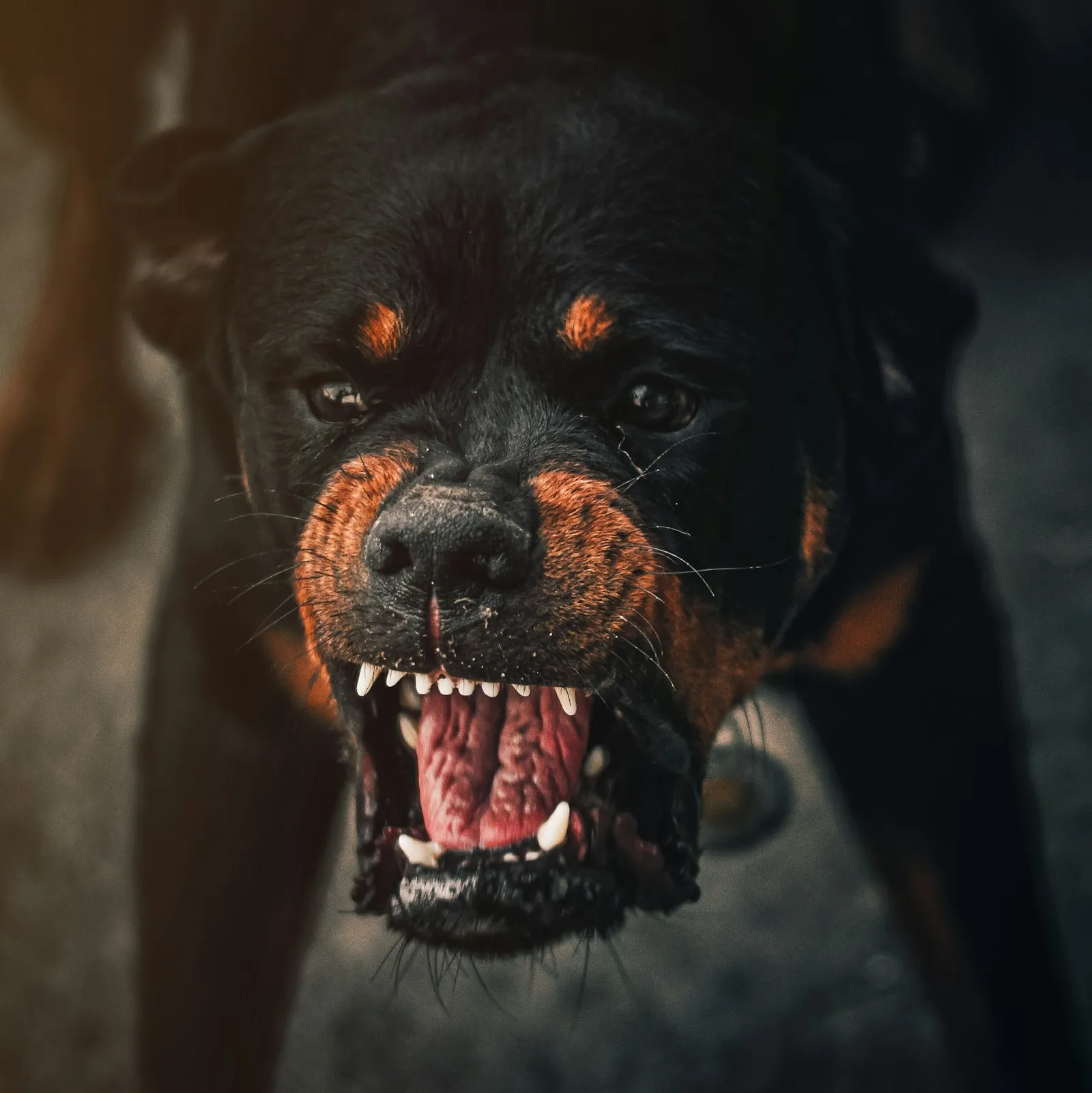
That phrase sounds dramatic, but it doesn’t require a dog with a long record of attacks. It covers a wider range of behavior than most people expect, including:
- an earlier bite, even a small one
- growling, snapping or baring teeth at people
- lunging at passersby or straining hard at the leash
- jumping on people in a way that knocks them off balance
- a “Beware of Dog” sign on the property
- keeping the dog chained or muzzled
- complaints from neighbors or others
So when you think back and remember that the dog was barking and pulling before it reached you, hold on to that memory. It may matter more than you think.
Where the proof usually hides
You might picture a case being won with one dramatic document. Usually it’s built from many small pieces. Here’s where we look.
The people who live nearby
In a neighborhood as busy as Flushing, somebody has almost always seen the dog before. Neighbors in the same apartment building, the super, a doorman, shop owners along Main Street, other dog walkers who avoid a certain block. People are often willing to tell us what they’ve watched happen for months. Their accounts can show the owner had plenty of warning.
Complaints on record
Some neighbors don’t just talk about a dog. They report it. Complaints made to the city through 311, to a building’s management office, or to a landlord can create a written trail that shows the problem was known before you were hurt.
Earlier bites
If this dog bit someone before, that is powerful evidence. A prior incident may show up in a Health Department bite report, a past insurance claim, or simply in the memory of the person who was bitten. We look for all three.
Signs, chains and muzzles
If you remember a “Beware of Dog” sign, a chain in the yard or a muzzle on the dog, tell us. Better yet, if it’s safe, take a photo. Owners sometimes take signs down after a bite. A picture taken early can’t be undone.
Veterinary and shelter records
Vet notes can mention aggression, warnings to the owner or advice about muzzling. If the dog was adopted, shelter or rescue records may describe behavior problems the owner was told about. We request these through the legal process when a case calls for it.
Building management and the landlord
So many people in Flushing live in apartments. That matters, because a landlord can be liable when it knew about the dog’s vicious propensities and had the power to remove it. Emails, lease violations and incident logs can all show what management knew. Our premises liability page explains more about property owners’ responsibilities.
What you can do right now
You don’t have to do all of this, and you certainly don’t have to do it alone. But a few early steps make a real difference:
- Get medical care first. Your health comes before any case.
- Find out whose dog it was, if you can do so safely, and ask whether it’s vaccinated against rabies.
- Report the bite to NYC Health within 24 hours using the city’s animal bite reporting page. That report becomes an official record.
- Take photos of your wounds, and keep taking them as they heal. Photograph your torn clothing and the place it happened.
- Write down names and numbers of anyone who saw the attack or knows the dog.
- Save every record, from the ER discharge papers to pharmacy receipts.
Stop by, or we’ll come to you
Our office sits at 1 Cross Island Plaza, Suite 325, Rosedale, NY 11422. The map here charts the trip from Flushing to our building. If getting around is hard right now, you don’t have to travel at all.
Parks, leashes and the rules owners have to follow
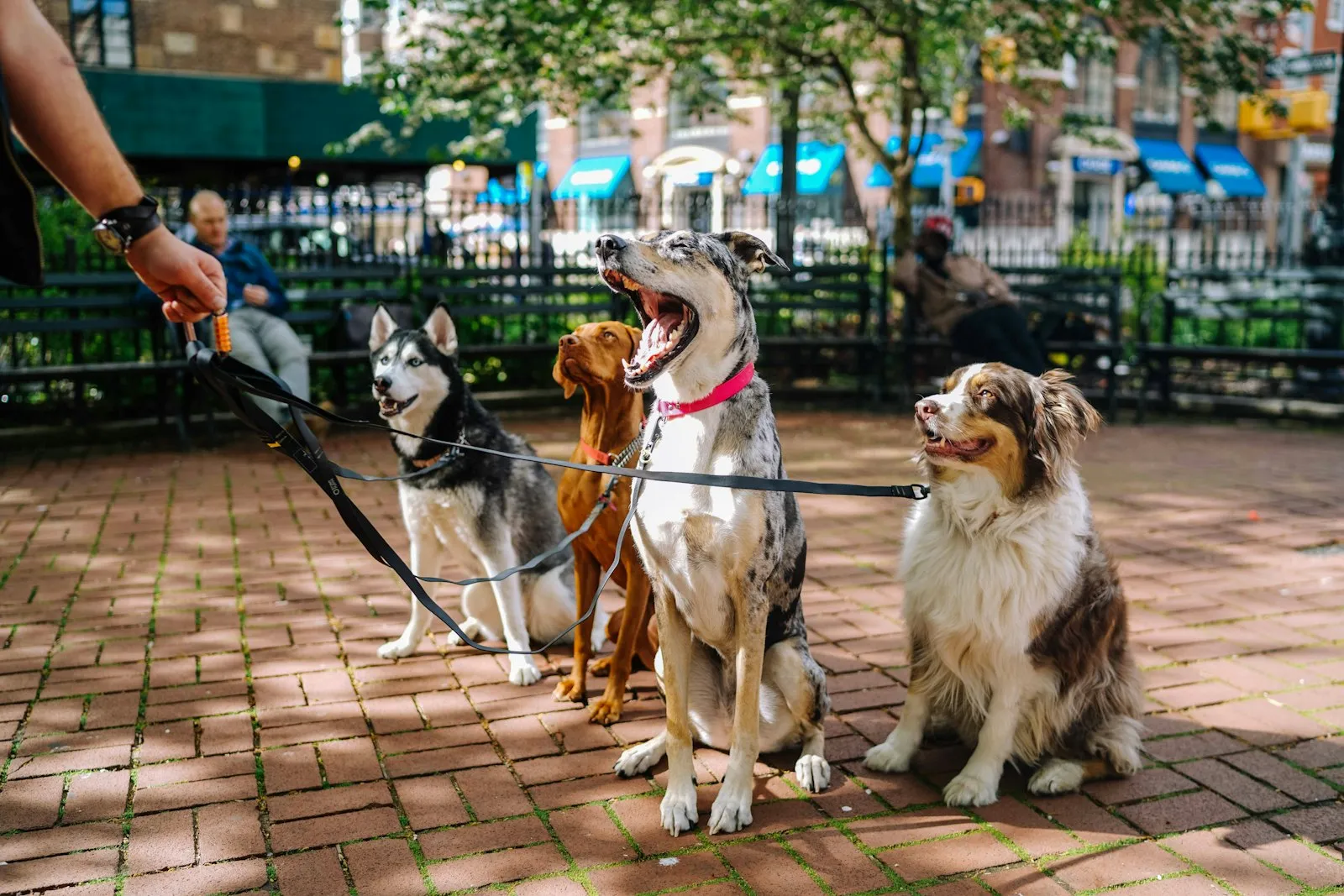
Kissena Park, Flushing Meadows Corona Park and the Queens Botanical Garden area draw crowds of families, and plenty of them bring dogs. In New York City, dogs may be off-leash only in designated areas and during set hours, which NYC Parks lists here. If an owner let a dog run loose outside those rules, that fact may help your case, even though a broken leash rule alone doesn’t settle the question of liability.
There is also a special rule for dogs that have been officially found dangerous. Under Agriculture & Markets Law § 123, the owner of a dangerous dog is strictly liable for the medical costs its attacks cause. If a prior dangerous-dog finding exists, we’ll want to know about it.
Worried the owner will blame you?
Some owners say “you shouldn’t have gotten so close,” or “you reached for him.” Please don’t let that stop you from asking questions. New York uses pure comparative fault, which means that even if you share some responsibility, your compensation is reduced by your share, not wiped out.
And if the person hurt was your child, the timing works differently. Adults generally have three years to sue, but for children the clock is generally paused until age 18 under CPLR § 208. Evidence still fades, though, so it’s wise to start early.
Want to read more about how these rules fit together? Our article on New York dog bite law for Queens residents is a good next step.
You don’t need to have it all figured out
When you call a Flushing dog bite lawyer at our firm, you only need to tell us what you remember. We’ll take it from there: tracking down witnesses, requesting records and building the proof. Yakov Mushiyev & Associates has recovered over $80 million for injured New Yorkers, and every consultation is free, with no fee unless we win. We speak English, Russian and Spanish, and we can meet you at home, in the hospital or by video.
Pick up the phone and dial 718.775.3110, or use our contact form whenever it suits you. You can also browse our dog bite case overview or our Flushing injury lawyer page.
Maybe the bite happened just outside Flushing. That’s fine too. Many of our clients come from the surrounding neighborhoods, and you’ll find the same help on our pages for a dog bite lawyer in Murray Hill, a dog bite lawyer in Kew Gardens Hills, a dog bite lawyer in Auburndale and a dog bite lawyer in Pomonok.
Attorney Advertising. The information on this page is general in nature and should not be taken as legal advice about your own dog bite claim.