
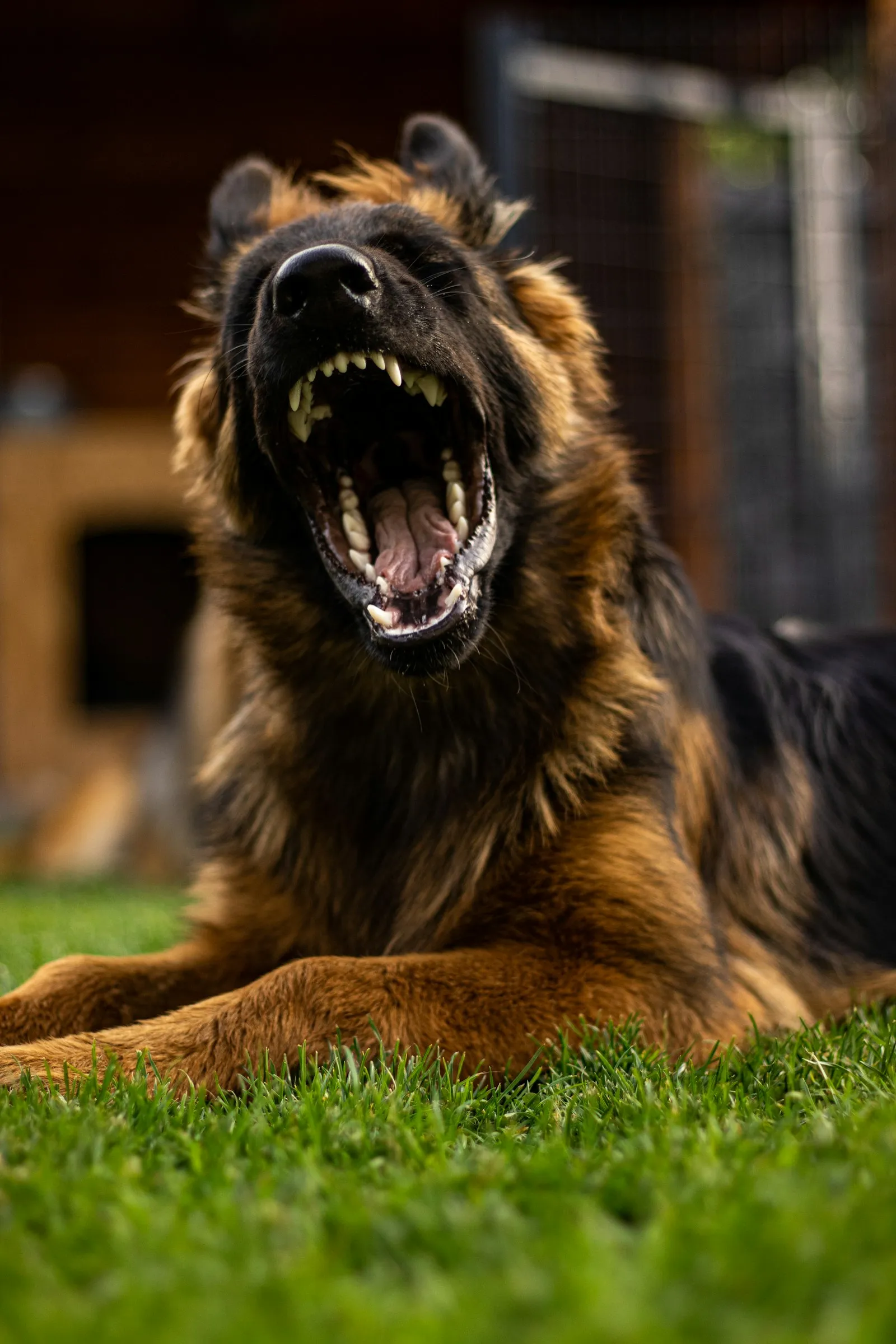
Whitestone is, for the most part, a neighborhood of single-family houses, driveways and fenced yards. That shapes how dog bites happen here. Many do not occur on a crowded sidewalk. They happen at a gate left unlatched, on a front walk, or in a park where an owner decided the leash was optional. The legal questions that follow depend heavily on where the bite took place, so this guide from a dog bite lawyer in Whitestone takes the neighborhood place by place before turning to the rights every victim holds.
Part one: four settings, four sets of risks
1. The residential blocks and their yards
Most of Whitestone’s housing stock consists of detached and semi-detached homes with yards. A dog kept in a yard is often calm when the family is present and territorial when a stranger approaches. The typical scenario involves a delivery driver, a mail carrier, a neighbor retrieving a ball, or a child walking past a gate that did not close properly.
Practical guidance. Do not reach over or through a fence to greet a dog, even one you have seen before. If a dog is loose on the sidewalk, stand still, keep your arms close to your body and avoid eye contact. Children should be taught never to enter a yard to retrieve a toy without an adult asking the owner first.
Legal significance. A yard setting often supplies useful evidence. A “Beware of Dog” sign on the fence, a chain staked in the grass, or a history of the dog charging the gate can each help show the owner knew the animal was dangerous. Where the victim was working, for instance delivering a package, workers’ compensation through the employer generally applies, and a separate claim against the owner may also exist.
2. Francis Lewis Park, beneath the Bronx-Whitestone Bridge
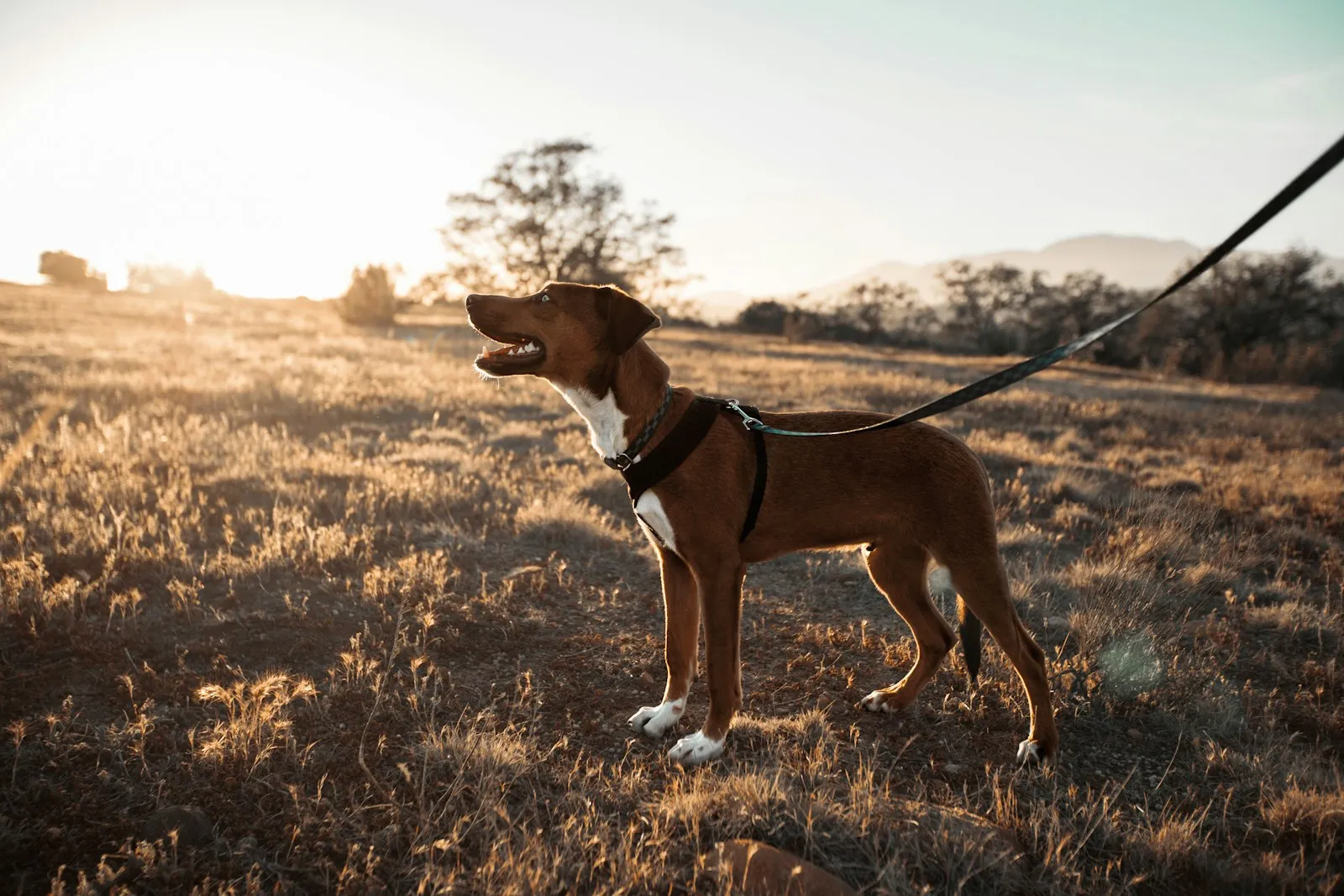
The park under the bridge is a favorite place for walks along the water. Open lawns tempt some owners to unclip the leash. In New York City, however, dogs may be off-leash only in designated areas and during specified hours, which are listed by NYC Parks. Outside those rules, a dog is expected to be leashed.
Practical guidance. Keep children close on the lawns and paths. If an unleashed dog approaches, place something between yourself and the animal, such as a bag or a stroller. After any incident in a park, note the exact location and time, since park bites often involve owners who are strangers and who may leave quickly.
Legal significance. Identifying the owner is the first task. Witnesses, other regular walkers and photographs taken on the spot are frequently how an unknown owner is found. If the dog’s rabies vaccination cannot be confirmed, the victim may need rabies shots, which become part of the claim.
3. 150th Street and the local shopping strips
Commercial stretches like 150th Street bring people and leashed dogs into close quarters outside shops and restaurants. Dogs tied to a pole while an owner runs inside are a recurring risk, as is a dog on a long retractable lead that reaches across the sidewalk.
Practical guidance. Give tied-up dogs a wide berth, and ask before letting a child pet any dog. The city’s responsible dog owner guide calls for a leash of six feet or less in public, which is a fair benchmark for judging whether an owner kept control.
Legal significance. A business can be responsible for a dangerous dog on its premises. If a shop keeps a dog on site and staff had seen it snap at customers, the business and its insurer may be involved in the claim.
4. The Clearview Expressway service roads
The service roads carry steady traffic and see less foot traffic than residential streets. A dog that escapes a yard and runs toward the roadway can knock over a cyclist or a pedestrian, and a person bitten here may also be injured by the fall.
Practical guidance. If a loose dog approaches while you are walking or cycling beside traffic, stop rather than run; running can provoke a chase. Once safe, photograph the dog and note the house it came from, if you saw it.
Legal significance. Fractures and head injuries from being knocked down are compensable parts of a dog bite injury, not a separate matter. Documenting the escape route, such as a broken gate or gap in a fence, helps connect the injury to the owner.
Part two: the rights that apply everywhere
Whatever the setting, New York law applies the same core principles. A careful understanding of them is the best protection against an insurer’s early, low assessment of a claim.
The standard of proof
New York generally requires the victim to show that the owner knew, or should have known, that the dog had “vicious propensities.” The Court of Appeals confirmed this rule in Collier v. Zambito (2004). Prior bites, growling, snapping, lunging, jumping on people, warning signs, chaining, muzzling and complaints can all serve as proof. Where a dog has been found dangerous, Agriculture & Markets Law § 123 makes the owner strictly liable for the medical costs its attacks cause.
Who pays
In a neighborhood of homeowners, this point is especially relevant. Most claims are paid by the owner’s homeowners or renters insurance, not by the neighbor personally. A victim may decline to give the insurer a recorded statement before consulting a lawyer. Dog bites fall outside no-fault car insurance. For more detail, see our New York dog bite law guide.
Shared responsibility
An owner may argue that the victim entered the yard or provoked the dog. New York’s pure comparative fault rule reduces compensation by the victim’s share of fault but does not bar recovery. Our discussion of comparative negligence explains how this operates.
Time limits
The general deadline to sue is three years under CPLR § 214. For children, the period is generally paused until age 18. Evidence, however, does not wait; gates get repaired and witnesses move.
What a claim may recover
Compensation can include medical bills, future care and scar revision, lost wages, pain and suffering, and disfigurement. Consistent photographs of the wound as it heals are among the most persuasive records a victim can keep.
Consulting counsel

A Whitestone dog bite lawyer can assess which of these settings and rules fit your circumstances. Yakov Mushiyev & Associates has obtained over $80 million in recoveries on behalf of injured New Yorkers. Consultations are free, and fees are contingent: there is no fee unless we win. We work in English, Russian and Spanish and will meet clients at home, in the hospital or by video.
To arrange a review of your matter, telephone the office at 718.775.3110 or submit the details through our contact page. Further background is available on our dog bite practice area, our Queens accident lawyer page, and our article on a dog bite attorney in Rosedale, where our office is located.
The firm also represents clients in the communities bordering Whitestone. Readers from those areas may prefer our dedicated pages for a dog bite lawyer in Beechhurst, a dog bite lawyer in College Point, and a dog bite lawyer in Flushing.
Location and directions
The office of Yakov Mushiyev & Associates is at 1 Cross Island Plaza, Suite 325, Rosedale, NY 11422. The embedded map sets out the driving route from Whitestone.
Attorney Advertising. This guide is provided as general information on New York dog bite matters and does not constitute legal advice for any particular case.