
Rules decide e-bike cases. Not just traffic rules for drivers. Rider rules too. Insurers comb through them looking for a reason to pay less. So start with the law, then see how it plays out when someone gets hurt. That is how this page is built.
We are Yakov Mushiyev & Associates, a Queens injury firm. If you want an e-bike accident lawyer in Oakland Gardens to read your facts against these rules, call 718.775.3110.
Part One: The Rules
Three classes, set by state law
New York sorts e-bikes by how they are powered and how fast the motor helps. The definitions sit in VTL § 102-c.
| Class | How the motor works | Top assisted speed | Where allowed |
|---|---|---|---|
| Class 1 | Pedal-assist only | 20 mph | Statewide, subject to local rules |
| Class 2 | Throttle | 20 mph | Statewide, subject to local rules |
| Class 3 | Assisted up to 25 mph | 25 mph | Only in cities of 1 million or more, meaning NYC |
State operating rules
VTL § 1242 sets the baseline. Nobody under 16 may operate an e-bike. E-bikes may generally use roads posted at 30 mph or less. Sidewalks are off-limits unless local law allows. Cities can add rules on top.
City rules
New York City did add rules. Per NYC DOT:
- No e-bike or e-scooter may exceed 15 mph on any city street.
- Riders must be 16 or older.
- Class 3 riders and anyone working must wear helmets.
- No sidewalk riding.
- E-bikes belong in bike lanes and on the street.
Equipment rules
Since Local Law 39 of 2023, e-bikes sold, leased or rented in the city must meet UL 2849, and their batteries UL 2271. For how the rules are enforced, see the city’s announcement on the law.
Part Two: Why the Rules Matter After a Crash
E-bikes are not motor vehicles
VTL § 125 excludes bicycles with electric assist from the motor vehicle definition. That shapes everything. A rider hit by a car is a non-occupant, so the car’s no-fault coverage generally pays medical bills and some lost wages. A pedestrian hit by an e-bike generally has no no-fault claim against the bike. That case runs against the rider, and depending on facts, possibly a homeowners or renters policy or a business behind the rider.
A faster, throttle-only, moped-style machine may be classified differently. Different class, different coverage. Our scooter and moped claims page covers those.
Breaking a rule cuts damages. It rarely ends the case.
Fault is shared on a pure comparative basis in New York, per CPLR § 1411. Say a jury finds the rider 20 percent at fault for speed. The award drops by 20 percent. It does not vanish. Our comparative negligence guide works through more examples.
Common rule arguments we see:
- Speed. The defense says you were above 15 mph. App data, video and the bike’s own settings can answer that.
- No helmet. Relevant mainly if you were on a Class 3 bike or working. Even then, it goes to how much, not whether.
- Sidewalk riding. Can shift a meaningful share of fault to the rider, especially in a crash with someone on foot.
- Age. Riders under 16 are not permitted to operate an e-bike at all. Those cases need careful handling.
Following the rules helps you
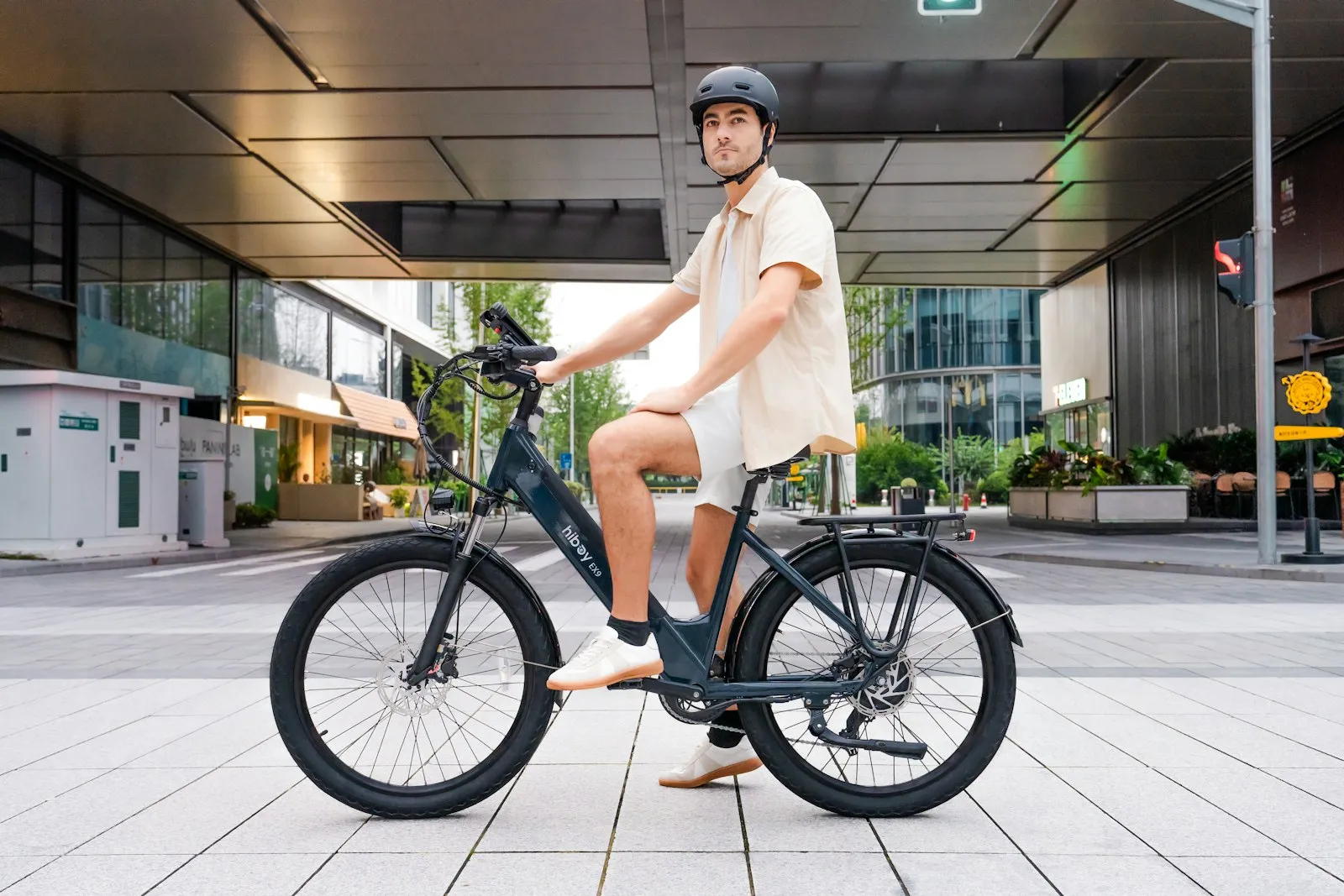
Rider in the street, under 15 mph, helmet on, lights working? That record shrinks the defense’s room to argue. Document it. Save the bike. Save the helmet. Pull the app data.
Equipment failures change the defendant
Brakes locked? Battery caught fire? A bike that fails its safety standard can support a product liability claim against the maker or seller. That is a separate target from any driver.
Proving you followed the rules
Compliance only helps if you can show it. A few habits make that possible:
- Photograph the bike’s label or class sticker before anyone moves it.
- Keep the receipt or listing that shows the model and its certification.
- Screenshot any app, bike computer or delivery platform record of your speed and route.
- Write down where you were riding: street, bike lane, which side, which direction.
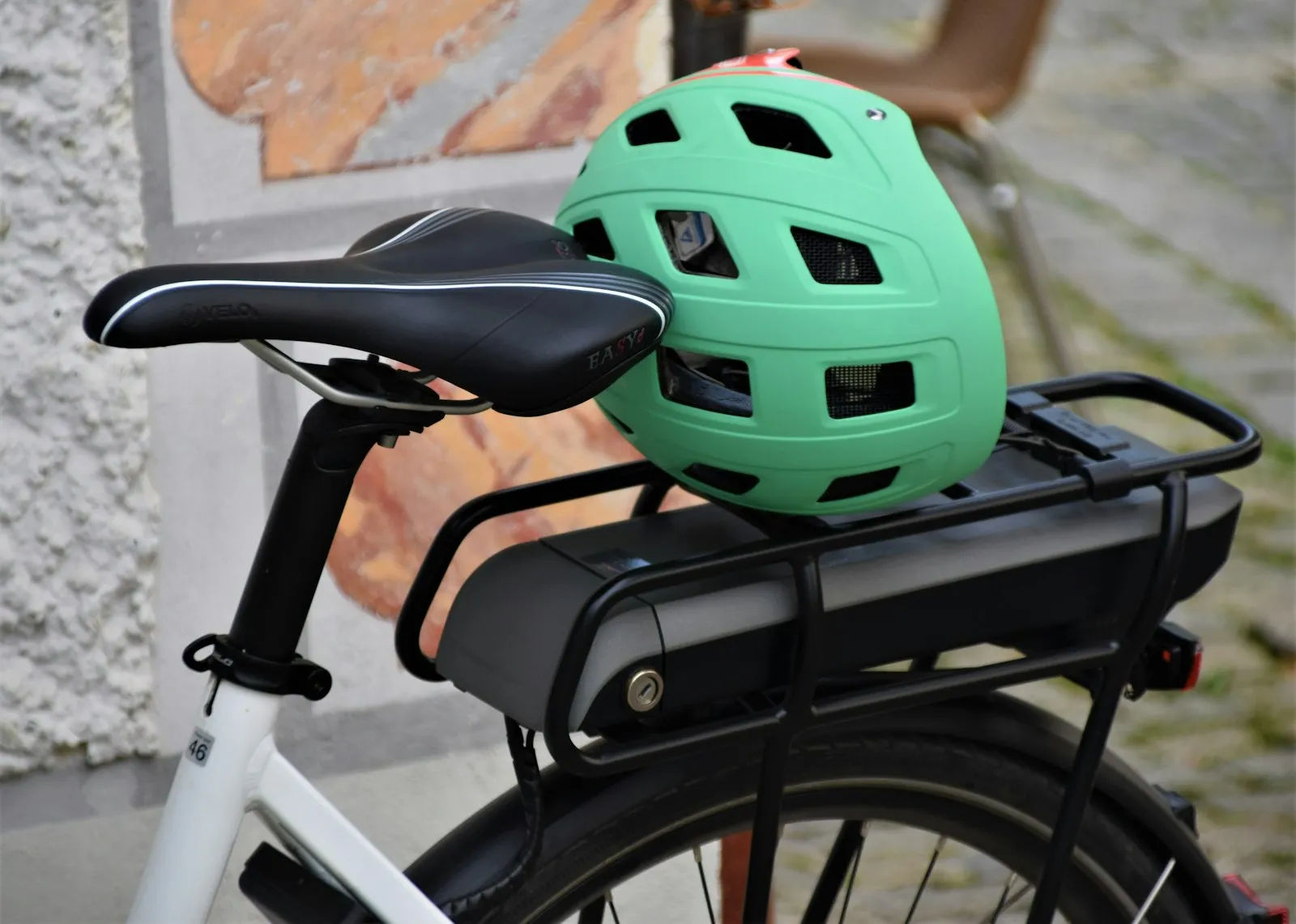
- Hold on to the helmet, damaged or not.
Each item closes off an argument before the insurer makes it. An e-bike accident attorney will ask for all of them. So will any electric bike accident lawyer worth hiring. Gather them early, while memories and files are fresh.
Part Three: Money and Deadlines
Pain and suffering against a driver generally requires a “serious injury” under New York law, such as a fracture or a significant limitation. Most no-fault applications have to be submitted within 30 days. Claims against the City for road defects generally need notice within 90 days. Suits generally have a three-year filing window. Our car accident practice handles the driver side of these cases, and our bicycle accident page covers pedal-only riders.
Riding in Oakland Gardens
Much of the riding here is recreational. Trips toward Alley Pond Park, loops near Oakland Lake, runs over to Cunningham Park. Delivery riders work the garden apartments along Springfield Boulevard. Recreation or work, the same rules apply, and a crash on any of those routes can bring every question above into play.
We also keep pages for an e-bike accident lawyer in Bayside, an e-bike accident lawyer in Douglaston, and an e-bike accident lawyer in Fresh Meadows. The borough overview sits on our Queens accident lawyer page. The full practice area is on our scooter and e-bike accidents page.

Office and Directions
Our address: 1 Cross Island Plaza, Suite 325, Rosedale, NY 11422. Below is the drive from Oakland Gardens.
Talk to Us
Over $80 million recovered for injured New Yorkers. Free consultation. You pay nothing unless we win. English, Russian, Spanish. We visit homes and hospitals, or meet by video. An Oakland Gardens e-bike accident lawyer is a phone call away: 718.775.3110. Prefer writing? Use our contact page.
Attorney Advertising. The rules summary above is general information and should not be taken as legal advice.