
A taxi hit you in Corona. Maybe you were in the back seat on Roosevelt Avenue. Maybe you were crossing Junction Boulevard. Maybe a green cab clipped your car near the park. Either way, you’re hurt, and you have questions. Who pays? How long do you have? Do you even have a case? This page answers those questions in plain words. If you want a person instead, call 718.775.3110. The call is free.
We are Yakov Mushiyev & Associates, P.C. We handle injury claims across Queens, including accident cases throughout Corona. We speak English, Russian and Spanish. We come to you if you can’t come to us. And you pay no fee unless we win.
Hurt by a Cab in Corona? Start Here
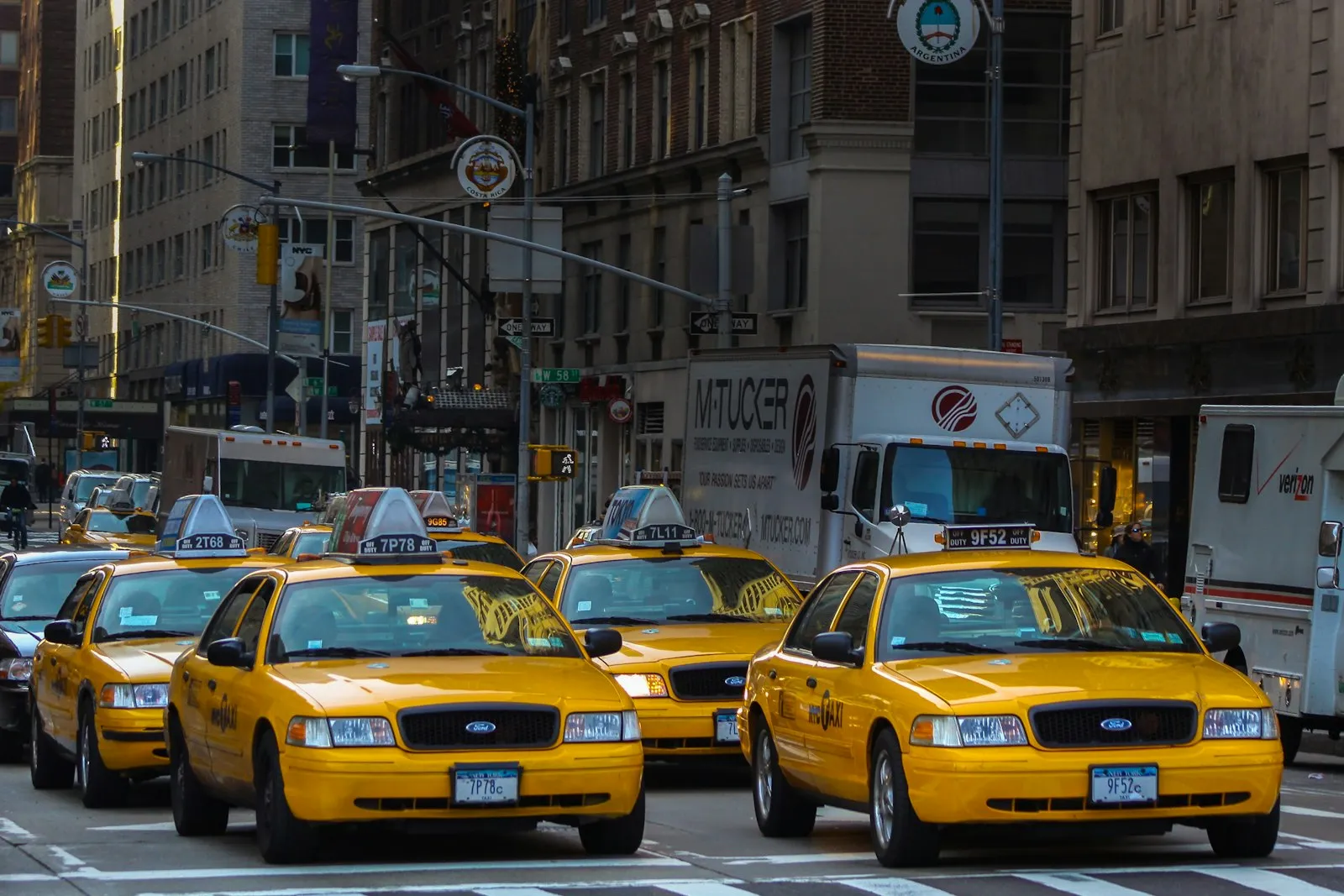
Taxi cases are not regular car cases. The cab is a commercial vehicle. It carries its own insurance. It is licensed by the city. The driver may work for a fleet, a base, or an app. That means more paperwork, more insurers and more people who would rather you go away.
Here’s what you need to know first:
- Your medical bills start with no-fault. It doesn’t matter who caused the crash.
- You have 30 days to file the no-fault application. Miss it and you can lose those benefits.
- Pain and suffering is a separate claim. It needs a “serious injury” under New York law.
- Fault matters more than it used to. A 2026 change can bar recovery for someone found mostly at fault.
- The clock is running. Most injury lawsuits must be filed within three years. Some deadlines are much shorter.
Who Pays Your Bills? Follow the Money
New York is a no-fault state. That’s the starting point. Personal injury protection, or PIP, pays your medical bills, lost earnings and other basic economic loss. It pays no matter who was at fault. The rule is in Insurance Law § 5102.
Whose PIP? It depends on where you were.
- You were a passenger in the cab. You generally claim PIP from the vehicle you were riding in. That’s the taxi’s policy.
- You were walking or biking. You generally claim PIP from the vehicle that hit you.
- You were driving your own car. Your own policy usually handles your no-fault benefits. The claim against the cab for pain and suffering is separate.
How much PIP is there? The state minimum is $50,000 per person. TLC-licensed vehicles carry more. That includes yellow and green taxis, for-hire vehicles, Uber and Lyft cars, and limos. Since March 1, 2026, the TLC requires $100,000 in PIP per person for those vehicles. That figure was recently reduced, so ignore older websites that quote a higher number.
Then there’s liability coverage. That’s the money for pain and suffering and for losses no-fault doesn’t cover. A medallion taxi must carry at least $100,000 per person and $300,000 per occurrence. Those are minimums. The actual policy can be bigger. Other parties can be on the hook too, like a fleet owner or another driver.
| Coverage | What it pays | The number |
|---|---|---|
| PIP, ordinary car | Medical, lost earnings, basic economic loss | $50,000 per person (state minimum) |
| PIP, TLC vehicle | Same, for taxi, FHV, app and limo crashes | $100,000 per person since March 1, 2026 |
| Liability, medallion taxi | Pain and suffering, losses beyond no-fault | $100,000 per person / $300,000 per occurrence minimum |
Want the official view? The NYC Taxi & Limousine Commission licenses these vehicles. The Department of Financial Services explains auto insurance for consumers.
Flushing Meadows Corona Park and the Unisphere: Where the Cabs Go
Corona’s front yard is Flushing Meadows Corona Park. It’s one of the biggest parks in the city. In the middle sits the Unisphere, the giant steel globe left from the 1964–65 World’s Fair. People come for photos. They come for the fountains, the soccer fields and the bike paths. The Queens Museum sits right next to the globe. The New York Hall of Science and the Queens Zoo are in the park too. So is the USTA Billie Jean King National Tennis Center, home of the US Open. Citi Field is just across the way.

All that draws cars. Lots of them. Here’s how taxi and for-hire traffic tends to move around the park:
- Event crowds. Ballgames, tennis and big park events send waves of riders out at once. Cabs and app cars stack up, double-park and pull U-turns hunting for fares.
- Park edges. Drop-offs bunch up along 111th Street and the streets near the Queens Museum and the Hall of Science. Families with strollers. Kids on scooters. Drivers watching their phones for the next ride.
- Highway ramps. The Grand Central Parkway, the Long Island Expressway and the Van Wyck all wrap around the park. Cabs merge fast, often on their way to or from LaGuardia or JFK.
- The 7 train hand-off. Riders spill out of the Mets–Willets Point and 111 St stations and hail whatever is closest. Pickups happen wherever a driver can stop, not where it’s safe.
A cab that stops short for a fare is still a cab that stopped short. Being “on the job” is no excuse for a careless move.
The Streets That Cause Trouble
You know these streets. So do we. Corona is dense, busy and loud. A few spots come up again and again when people describe taxi crashes:
- Roosevelt Avenue. It runs under the elevated 7 line. Steel columns block sight lines. Cabs weave around them. Pedestrians step out between parked cars.
- Junction Boulevard. Heavy shopping traffic, buses and constant curbside stops. A cab cutting to the curb is a cab cutting across a lane.
- Northern Boulevard. Wide and fast on Corona’s north edge. Left turns are risky. Speed makes everything worse.
- 108th Street and 111th Street. Key routes toward the park. Busy with families, cyclists and drivers looking for parking.
- Corona Plaza near 103 St. A pedestrian space by the train. Crowds, vendors and cars all trying to share the edges.
Common causes? Sudden stops for fares. Doors swung open into bike riders. Right turns through crosswalks. Running the light to beat the train crowd. Drivers glancing at a dispatch app. Fatigue at the end of a long shift. Each one can be evidence of negligence.
Going to the city’s street-safety data? The Vision Zero data feeds are public. We won’t quote numbers here. We’d rather look at your crash, your street and your evidence.
Pain and Suffering: The Bar You Have to Clear
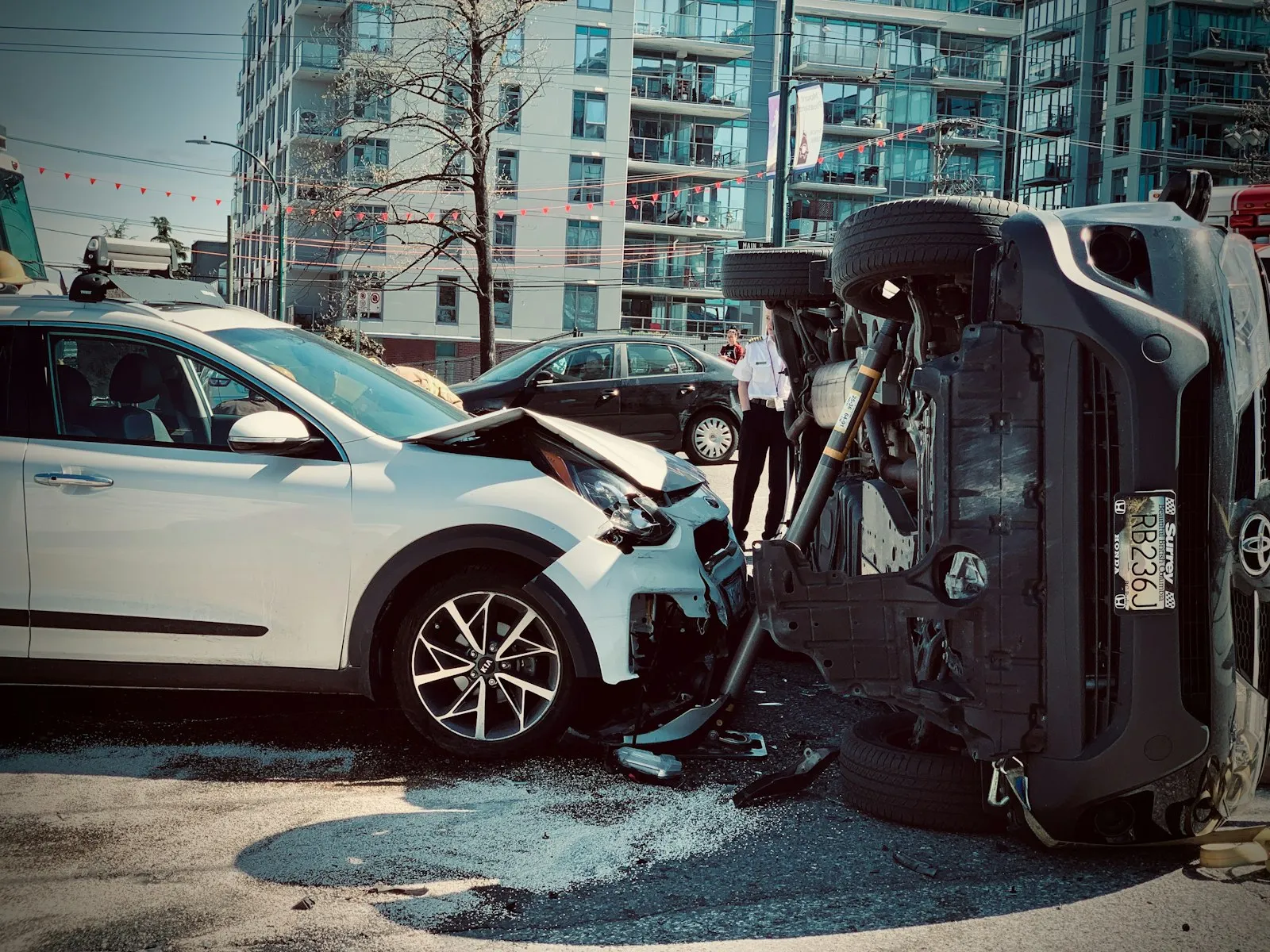
No-fault covers your bills. It does not pay for pain. To sue the cab for pain and suffering, you need a “serious injury” as defined in Insurance Law § 5102(d). In 2026 the legislature changed that list. There are now eight categories:
- Death
- Dismemberment
- Significant disfigurement
- Fracture
- Loss of a fetus
- Permanent loss of use of a body organ, member, function or system
- Permanent consequential limitation of use of a body organ or member
- Significant limitation of use of a body function or system
Notice what’s missing. A category that used to exist was removed by the 2026 budget. So the medical record matters more than ever. Imaging. Range-of-motion testing. Specialist notes. Consistent treatment. Gaps in care get used against you.
The order of questions changed too. Under Insurance Law § 5104, the jury now decides fault before it decides serious injury.
Fault Now Has a Cutoff
This is the big one. For motor-vehicle injury lawsuits started on or after May 26, 2026, a new rule applies. It’s in CPLR 1411(b).
- Your fault is 50% or less? Your recovery is reduced by your share.
- Your fault is greater than the defendant’s (or all defendants combined)? You recover nothing.
- It applies based on when the suit is filed, not when the crash happened.
That puts pressure on the fault fight. Insurers will try to push blame onto you. You crossed mid-block. You were on your phone. You stepped out without looking. We push back with evidence: video, witnesses, the cab’s trip data and the scene itself.
One more change. New Insurance Law § 5104(d) caps non-economic damages at $100,000 for an at-fault claimant who was driving uninsured (with a short-lapse exception of under 30 days), was convicted of impaired driving, or was convicted of a felony committed while driving. It does not cap economic damages. It does not cap other people’s claims. It does not apply to wrongful death. Most passengers and pedestrians will never come near it. But it’s good to know.
Deadlines. Don’t Guess.
| What | Deadline | Source |
|---|---|---|
| No-fault (PIP) application | 30 days from the accident | 11 NYCRR 65-1.1 |
| Notice of claim against NYC or MTA vehicles | 90 days | General Municipal Law 50-e |
| Personal injury lawsuit | 3 years | CPLR 214(5) |
| Wrongful death lawsuit | 2 years (pecuniary damages only) | EPTL 5-4.1 |
Hit by a city bus or other city vehicle as part of the same crash? That 90-day notice is short. Don’t sit on it. And remember: three years sounds long until you need records, experts and witnesses who’ve moved away.
What We Do for You
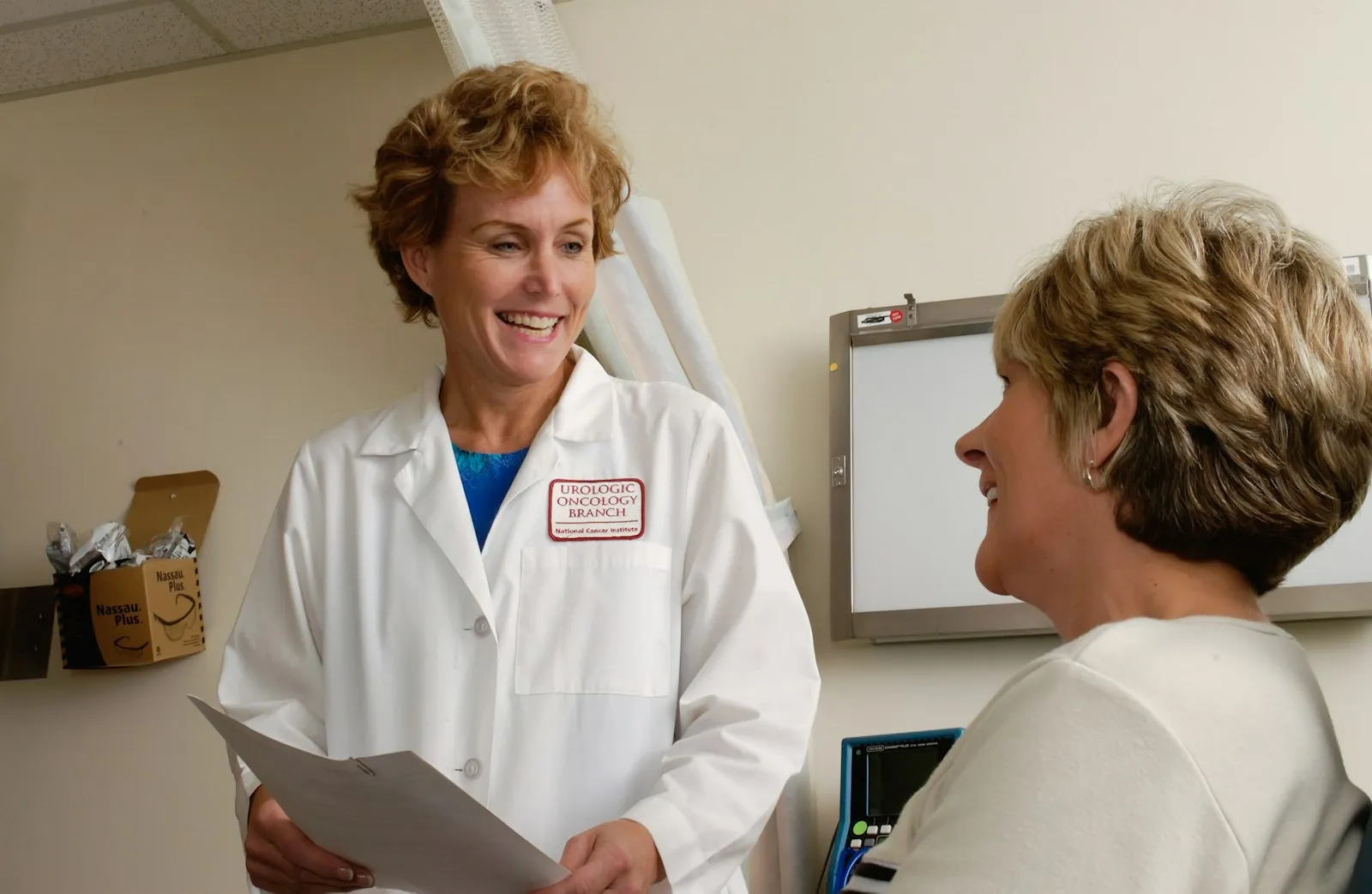
You focus on getting better. We handle the rest. Here’s the work:
- We file on time. No-fault application, any notice of claim, and the lawsuit if needed.
- We find the insurers. The cab’s policy, the owner’s, the base’s or the app’s, and any other driver’s.
- We lock down evidence. Store and bus cameras along Roosevelt Avenue get recorded over. We move fast to request footage and records.
- We build the injury proof. We work with your doctors so the record shows what the serious-injury law requires.
- We deal with the adjusters. You stop taking their calls. We take them.
- We negotiate, and we’re ready for court. Queens cases are filed in Queens County Supreme Court. We know the drill.
Can’t get to our office? We’ll come to your home, the hospital or a video call. We speak Spanish, Russian and English. Phones are answered 24/7. And there’s no fee unless we win.
Want to see the kind of work we do? Read our settlements page. Want the bigger picture on crashes in general? Our car accident practice page covers it.
Taxi Accident FAQs
I was in the back seat. Can I sue my own cab driver?
Yes, if the driver was at fault and you have a serious injury. You can also have a claim against another driver who caused the crash. Your PIP benefits generally come from the cab you were riding in.
It was an Uber or Lyft, not a yellow cab. Is that different?
App cars in New York City are TLC-licensed for-hire vehicles. The same $100,000 PIP requirement applies to them since March 1, 2026. Liability coverage depends on the policy in place for that car and that trip, so we request the actual policy rather than guess.
What if I was partly at fault?
For suits filed on or after May 26, 2026, you can still recover if your share is 50% or less. Your award is reduced by that share. If your fault is greater than the defendants’, you recover nothing. That’s why evidence matters early.
Do I need a police report?
Call 911 at the scene if anyone is hurt. Get the report number. Drivers may also need to file an MV-104 with the New York DMV. We can help you sort out what applies.
How long do I have?
Thirty days for the no-fault application. Ninety days for a notice of claim against a city or MTA vehicle. Three years for most injury lawsuits. Two years for wrongful death. Call early anyway.
My crash happened before May 26, 2026. Does the new fault rule apply?
It depends on when the lawsuit is filed, not the crash date. A suit filed on or after May 26, 2026 falls under the new rule, according to DFS Circular Letter 2026-01.
How much is my case worth?
No honest lawyer can say from a web page. It depends on your injuries, your treatment, fault and the coverage available. We’ll give you a straight assessment after we review the facts.
Will it cost me anything to talk to you?
No. The case review is free. If we take your case, you pay no fee unless we win. More common questions are on our FAQ page.
About Corona: Local FAQs
Which subway serves Corona?
The 7 train. It runs elevated over Roosevelt Avenue with stops at Junction Blvd, 103 St–Corona Plaza and 111 St. Mets–Willets Point is the stop for Citi Field and the tennis center.
What neighborhoods border Corona?
Elmhurst, Jackson Heights and East Elmhurst. Flushing sits across the park. We also cover taxi crashes in Elmhurst and Jackson Heights.
What’s the ZIP code?
Most of Corona is 11368.
Where’s the nearest big hospital?
NYC Health + Hospitals/Elmhurst is next door in Elmhurst. In an emergency, call 911 and go where the ambulance takes you.
Where would my case be filed?
Corona is in Queens County. Injury lawsuits are typically filed in Queens County Supreme Court in Jamaica. You can find court information at nycourts.gov.
Any tips for driving near the park on game days?
Give yourself time. Expect cabs and app cars to stop without warning. Watch for crowds crossing outside the crosswalks. If you can, take the 7 instead.
What else is worth seeing in Corona?
The Louis Armstrong House Museum, the Lemon Ice King of Corona, and the Queens Museum by the Unisphere. Plenty of good food along Roosevelt Avenue too.
Read Next: Taxi Crashes After a Game or Concert
Crashes near the park spike when the crowds let out. We wrote a separate guide on what to do if it happens to you. Read our guide to taxi accidents in Corona after an event.

Get a Free Case Review Today
You don’t have to figure this out alone. Call 718.775.3110. Tell us what happened. We’ll tell you where you stand. No pressure. No fee unless we win.
Prefer to write? Use our contact form. Our office is at 1 Cross Island Plaza, Suite 325, Rosedale, NY 11422. We’re open Monday to Friday, 9 to 6, and our phones are answered 24/7. Can’t travel? We’ll meet you at home, in the hospital or by video. Hablamos español. Мы говорим по-русски.
Attorney Advertising. This is general information about New York law, not legal advice, and reading it does not create an attorney-client relationship. Laws change, and every case depends on its own facts. Prior results do not guarantee a similar outcome.