
Broad Channel is an island community in the middle of Jamaica Bay. Bungalows and homes stand close together along streets that run off Cross Bay Boulevard, and neighbors, along with their dogs, share very little space. When a dog attack happens here, the injured person usually knows the owner, and often knows the dog. That familiarity makes many people unsure whether to pursue a claim at all, or what doing so would involve.
This page answers the second question. It describes, stage by stage, what happens when you retain Yakov Mushiyev & Associates after a dog bite, from the first telephone call through settlement or, when necessary, trial. Every case is different, but the sequence below reflects how a dog bite case is generally organized.
Before the first call
Several things are best done before a lawyer is involved, or at least without waiting for one. Seek medical treatment promptly. Identify the dog’s owner and ask whether the dog is vaccinated against rabies. File a bite report with NYC Health inside the first 24 hours, using the city’s animal bite reporting page. Photograph the wounds, your clothing and the location, and gather the names of any witnesses. These steps protect your health first and your claim second.
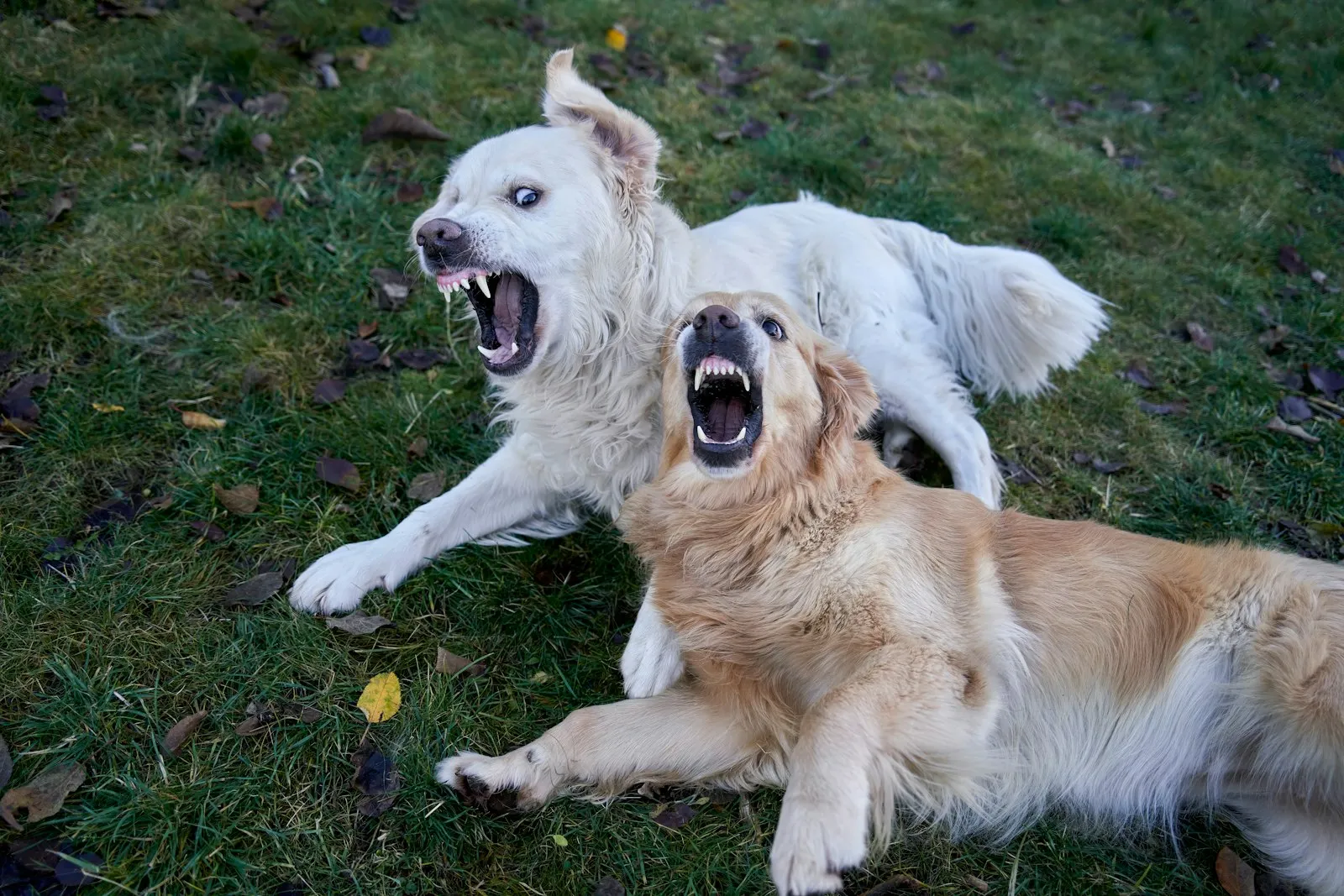
The stages of a dog bite case with our firm
Stage 1: The free consultation
The process begins with a conversation. You describe what happened, where, and what treatment you have received so far. We ask about the dog’s history, the owner’s identity and any contact you have had with an insurer. There is no charge for this consultation. If we take the case, we work on a contingency basis, which means no fee unless we win. We can speak with you in English, Russian or Spanish, and we can meet at your home, at the hospital or by video if travel is difficult.
Stage 2: Taking over communications
Once retained, we notify the owner’s insurance carrier that you are represented. From that point, adjusters contact us rather than you. This matters because insurers often seek a recorded statement early, and you are entitled to decline to give one before speaking with counsel. Most claims of this kind are paid by the owner’s homeowners or renters insurance, not by the neighbor personally, so the negotiation is typically with an insurance company.
Stage 3: Investigating liability
New York generally requires proof that the owner knew or should have known the dog had “vicious propensities,” the standard stated by the Court of Appeals in Collier v. Zambito (2004). Our investigation is directed at that question. We look for prior bites, reports of growling, snapping or lunging, a history of jumping on people, “Beware of Dog” signs, evidence that the dog was kept chained or muzzled, and complaints by neighbors. In a community as close-knit as Broad Channel, neighbors are frequently the best source of this information.
We also check whether the dog has been declared dangerous. Under Agriculture & Markets Law § 123, the owner of a dog found to be dangerous is strictly liable for the medical costs of its attacks. Where a landlord knew of the dog and had the power to remove it, or where a property owner kept a dangerous dog on the premises, we evaluate those parties as well. Our premises liability practice covers the property side of these cases.
Stage 4: Documenting your injuries
While the investigation proceeds, we gather your medical records and bills. Dog bite injuries can include puncture wounds, lacerations, infection, nerve or tendon damage, fractures from being knocked down, and scarring that may require plastic surgery. If the dog’s vaccination could not be confirmed, rabies shots become part of the treatment record. We also document emotional harm, which can be significant, particularly for children. Continuing photographs of your wounds as they heal are often among the most persuasive evidence in the file.
Visiting our office from Broad Channel
Our office is located at 1 Cross Island Plaza, Suite 325, Rosedale, NY 11422. The map that follows shows the route from Broad Channel to our door.
Stage 5: The demand
When your medical picture is reasonably clear, we prepare a demand to the insurer. It sets out the facts, the evidence of the owner’s knowledge, and the full scope of your damages: medical bills, anticipated future care such as scar revision, lost wages, pain and suffering, and disfigurement. Timing is a judgment call. Settling before the extent of scarring or nerve damage is known can leave compensation on the table.
Stage 6: Negotiation
The insurer responds, often with a lower figure and sometimes with arguments that you share responsibility. New York applies pure comparative fault, so any compensation is reduced by the injured person’s share of fault but is not barred. We address those arguments with the evidence. Our guide to comparative negligence in New York explains the rule in more detail.
Stage 7: Filing a lawsuit, if needed
Not every claim resolves through negotiation. When it does not, we file suit. The general deadline is three years under CPLR § 214, and for a child that period is generally tolled until age 18 under CPLR § 208. Claims involving city property or a public authority usually require a notice of claim within 90 days, which is one reason early contact with counsel matters.
Stage 8: Discovery, settlement or trial
After filing, both sides exchange information. Records about the dog, such as veterinary and licensing documents, may be obtained, and witnesses may be questioned under oath. Many cases settle during this phase. Those that do not proceed to trial, where a jury decides liability and damages. At each point, the decision to accept or reject an offer remains yours.
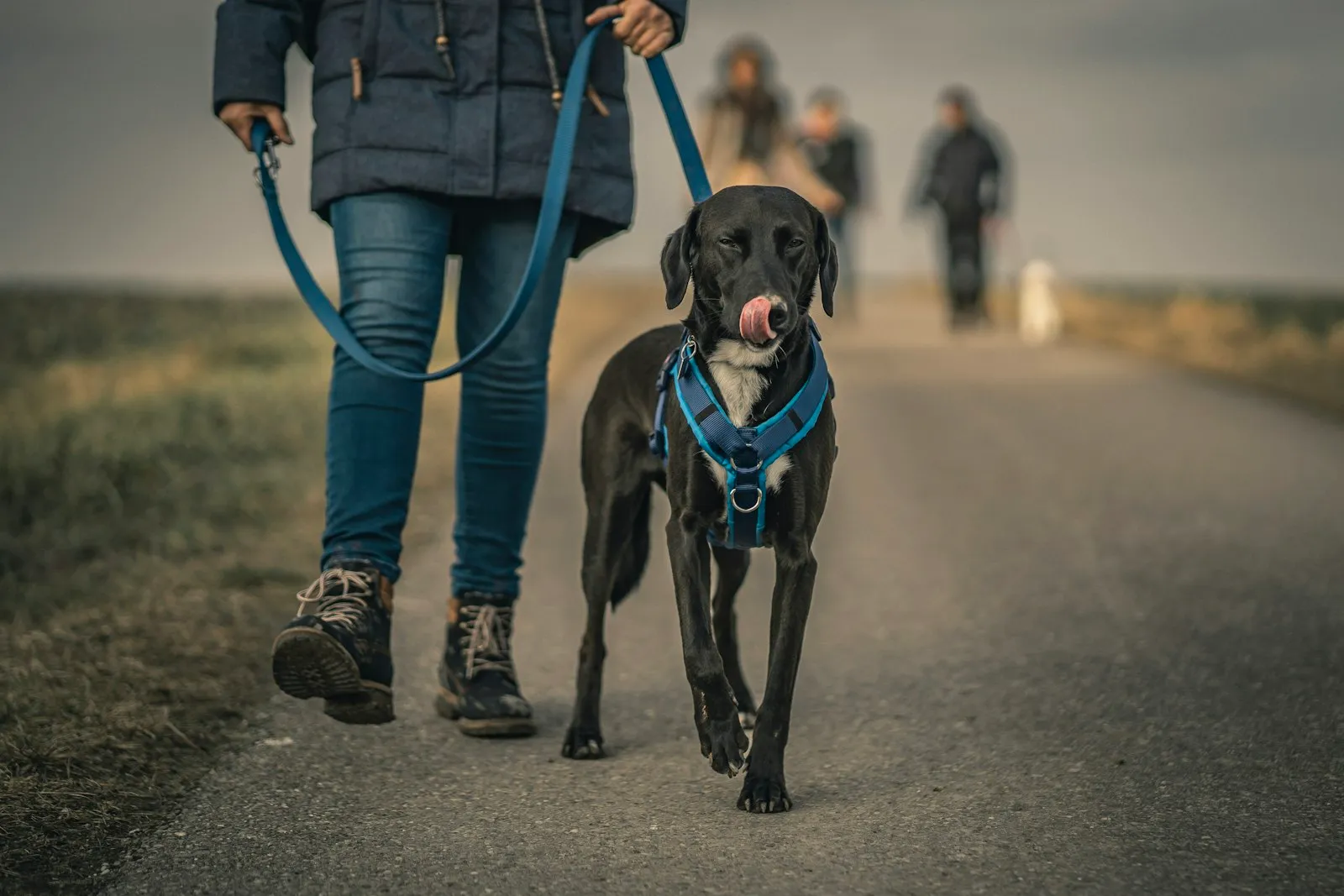
Your role while the case is pending
Clients sometimes ask what is expected of them once a lawyer is involved. The answer is modest but important. Attend every medical appointment and follow your doctors’ instructions, because gaps in treatment are routinely cited by insurers to argue an injury was minor. Keep taking photographs of your wounds as they heal. Save bills, receipts and records of time missed from work. Avoid discussing the incident on social media. And tell us promptly if anyone from the insurer, or the owner, contacts you directly.
If you were bitten while working, for example while making a delivery on a Broad Channel street, you generally receive workers’ compensation through your employer and may also have a separate claim against the dog owner. We coordinate the two so that neither is overlooked.
About the firm
Yakov Mushiyev & Associates is a personal injury practice in Rosedale that has recovered over $80 million for injured New Yorkers. We represent people hurt by dogs across Queens, including the Rockaways; our Queens accident lawyer page lists the areas we serve. Anyone looking for a dog bite lawyer in Broad Channel may also find our dog bite practice overview and our summary of New York dog bite laws helpful.

Residents of the peninsula across the bay can consult our pages for a dog bite lawyer in Rockaway Beach, a dog bite lawyer in Rockaway Park, a dog bite lawyer in Belle Harbor and a dog bite lawyer in Far Rockaway.
Beginning the process
Stage 1 starts with a phone call to 718.775.3110 or a note through our contact page. A Broad Channel dog bite lawyer from our office will review the circumstances with you and outline the next steps, at no cost to you.
Attorney Advertising. This description of the dog bite claim process is provided as general information and does not constitute legal advice. Outcomes depend on the facts of each case.