
You probably moved to Arverne, or stayed here, partly for the ocean. So did a lot of dog owners. On a good evening you’ll pass plenty of them between the newer buildings and the sand. Most of those dogs are fine. When one isn’t, and you or your child gets hurt, it helps to know that the place where it happened shapes what comes next. So let’s walk through the neighborhood together, stop by stop, and then talk about your rights.

Stop One: The Rockaway Boardwalk
The boardwalk is where you’re most likely to meet a dog you don’t know. Owners come from all over the peninsula, and in warm weather the foot traffic gets heavy. Dogs that are calm at home can get overwhelmed by joggers, scooters, strollers and other dogs passing inches away.
What tends to go wrong: long retractable leashes that let a dog reach across the walkway, dogs let off leash near the sand, and two dogs that start fighting while people nearby try to pull them apart.
What you can do: give unfamiliar dogs a wide berth, keep your own dog close when another approaches, and don’t reach between fighting dogs with your hands. If you are bitten, take a quick photo of the spot and ask anyone nearby for a phone number before they walk off. On a boardwalk, witnesses scatter fast.
In New York City, a dog in public generally has to be on a leash no longer than six feet, according to the NYC Health guide for dog owners. Off-leash time is limited to designated areas and hours, which you can check on the NYC Parks dog areas page. An owner who ignores those rules on the boardwalk may have a harder time arguing they were careful.
Stop Two: Arverne by the Sea
The homes and buildings of Arverne by the Sea put a lot of families close together. You share sidewalks, entryways and sometimes lobbies with neighbors whose dogs you see every day. That familiarity is nice, but it also means a dog’s bad habits are often well known on the block.
What tends to go wrong: a dog that rushes out an open door, a dog that lunges at kids on bikes, or one that has already snapped at someone and never been dealt with.
What you can do: if a neighbor’s dog has growled, snapped or lunged at you before, write it down with the date. Mention it to building management in writing. Those notes can matter later, because New York law generally asks whether the owner knew, or should have known, the dog had “vicious propensities.” That’s the rule from Collier v. Zambito (2004). Complaints you and your neighbors made are one of the best ways to show it.
If you rent, the building’s owner may also have a role. A landlord can be responsible when it knew about a dangerous dog and had the power to have it removed.
Stop Three: Beach 73rd Street
Streets that run down toward the water, like Beach 73rd Street, carry a steady mix of residents heading to the beach and dog owners heading to the boardwalk. Front yards and driveways sit right beside the sidewalk.
What tends to go wrong: a dog behind a low fence or loose in a yard charges someone walking past. Delivery workers and mail carriers are frequent targets.
What you can do: notice “Beware of Dog” signs and dogs kept chained in yards. Those details can show an owner already understood the risk. If you were bitten while working, you generally have workers’ compensation through your employer, and you may also have a separate claim against the dog’s owner.
Stop Four: Rockaway Beach Boulevard
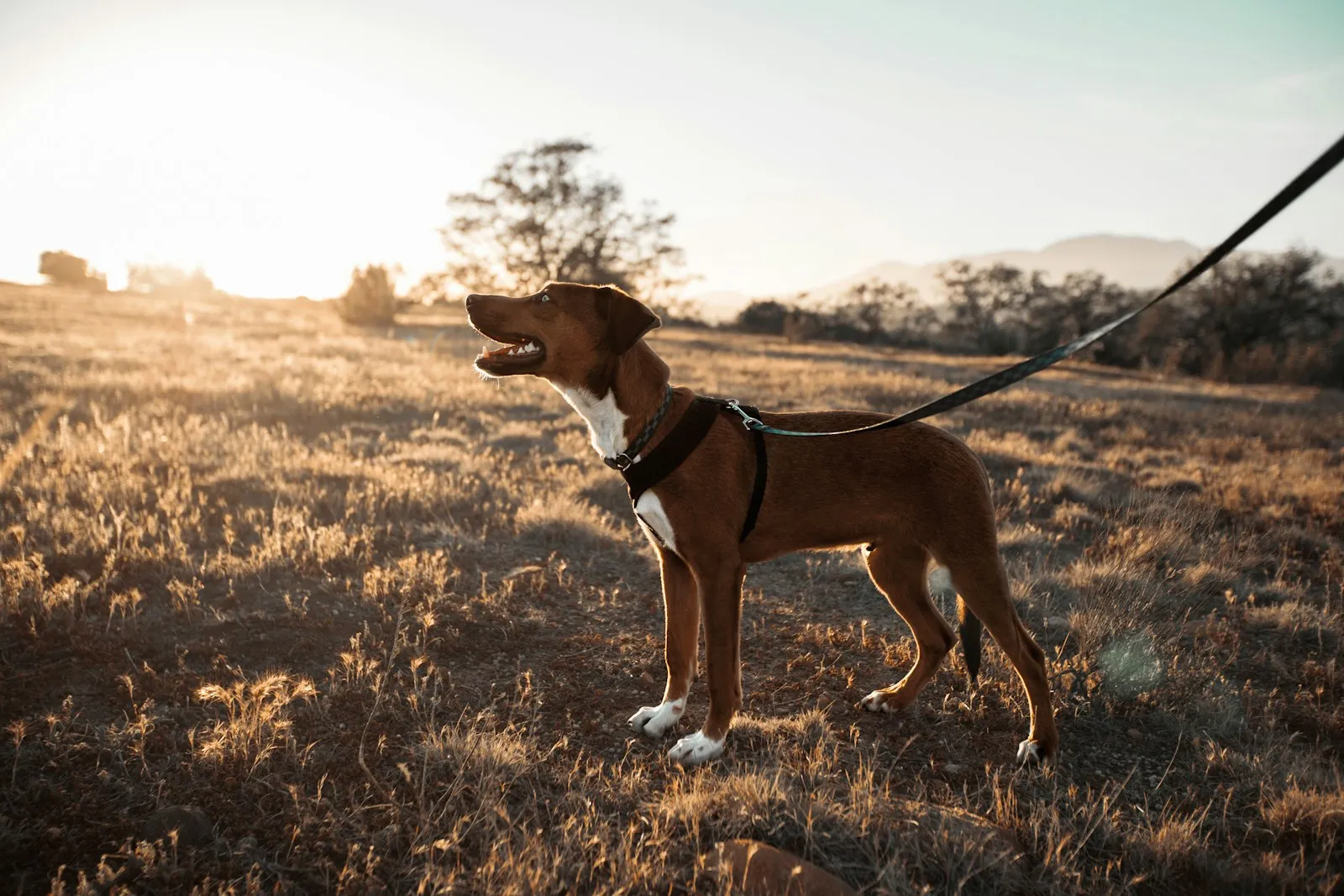
This is where errands happen. Rockaway Beach Boulevard brings together shoppers, people tying their dogs outside a store for a minute, and kids walking home. Busy sidewalks mean dogs get startled and people get close.
What tends to go wrong: a dog tied up outside a shop bites someone passing by, or a dog on a loose leash jumps on an older person and knocks them down. A fall can cause a fracture even without a single tooth mark.
What you can do: if a dog was on a business’s property, such as a guard dog, note the name of the business. Businesses and property owners can answer for a dangerous dog kept on their premises. If you fell, tell the doctor exactly how, so the record connects the injury to the dog.
Wherever It Happened, Do These Things
- Get medical care right away. Dog bites get infected easily.
- Find out who owns the dog, and ask whether it’s had its rabies shots. If no one can confirm it, you may need rabies treatment.
- Let NYC Health know about the bite within 24 hours.
- Photograph your wounds over time, your torn clothes, and the place it happened.
- Get names and numbers from anyone who saw it.
- Keep your bills and records together.
Your Rights, in Plain Language
You may be able to recover your medical bills, the cost of future care such as scar revision, the wages you lost, and compensation for pain, suffering and disfigurement. You usually aren’t taking money from your neighbor’s pocket. In most cases the owner’s homeowners or renters insurance pays. You can say no to a recorded statement from that insurer until you’ve talked with a lawyer. We explain this more in our post on who pays after a dog attack.
If you think you might share some of the blame, don’t let that stop you. New York’s pure comparative fault rule reduces your recovery by your share but doesn’t block it. And if a dog was already declared dangerous, the owner is strictly liable for your medical costs under Agriculture & Markets Law § 123.
You generally have three years to file a lawsuit, and a child’s time is usually paused until 18. If city or public housing property is involved, a notice of claim is typically due within 90 days, so please don’t wait on that kind of case. For a fuller explanation, read our New York dog bite law guide.
You Don’t Have to Sort This Out Alone
A dog bite lawyer in Arverne from our firm can handle the insurer, gather the evidence and keep track of your deadlines while you focus on healing. Our firm has recovered more than $80 million for New Yorkers hurt by others’ carelessness. Your first consultation is free, and you owe no fee unless we win. We speak English, Russian and Spanish, and we can meet you at home, at the hospital or on video. Learn more on our dog bite injury page or our Queens accident lawyer page.
When you’re ready, call 718.775.3110, or reach us through our contact page. We’ll listen first.
If the bite happened a little way down the beach, you’re still in the right place. We also have pages for a dog bite lawyer in Far Rockaway, a dog bite lawyer in Rockaway Beach, and a dog bite lawyer in Rockaway Park.
Getting to Our Office From Arverne
You’ll find us at 1 Cross Island Plaza, Suite 325, Rosedale, NY 11422. The map below lays out the route from Arverne. Prefer to talk before making the trip? An Arverne dog bite lawyer from our team can start with you by phone.

Attorney Advertising. This page shares general information for people in Arverne and is not legal advice. Every situation is different.