
An e-bike crash in Sunnyside rarely ends at the scene. The rider who went down on Skillman Avenue, or the pedestrian clipped while crossing Queens Boulevard under the 7 train, often learns over the following weeks what the collision actually did to the body. That medical picture, more than anything else, shapes what a claim is worth and which rules apply to it. This guide is organized the way an injury case is organized: by the harm itself.
Yakov Mushiyev & Associates represents riders, delivery workers and pedestrians hurt in these collisions throughout Queens. As an e-bike accident lawyer Sunnyside families can reach by phone or video, our firm starts every file with one question: what exactly is injured, and how do we prove it?
Why the Injury Comes First
When a car strikes an e-bike rider, New York treats the rider as a non-occupant of that car. Under Insurance Law § 5103, the vehicle’s no-fault coverage generally pays medical bills and part of lost wages, and the application should generally be filed within 30 days. No-fault does not pay for pain and suffering, though. To pursue those damages against the driver, the injured person generally must show a “serious injury” as defined in Insurance Law § 5102(d), which includes categories such as a fracture or a significant limitation of use of a body function or system. Our no-fault claims guide covers that first layer of benefits in more depth.
In short, the diagnosis is not only a medical matter. It frequently decides whether a lawsuit for full compensation is available at all.
When the Head Takes the Impact
What it means medically. A rider thrown forward can strike the pavement, a windshield or a parked car. Concussions and other traumatic brain injuries may produce headaches, dizziness, light sensitivity, memory gaps and changes in mood or sleep. Some symptoms surface days later, which is why an early evaluation matters even when the rider walked away.
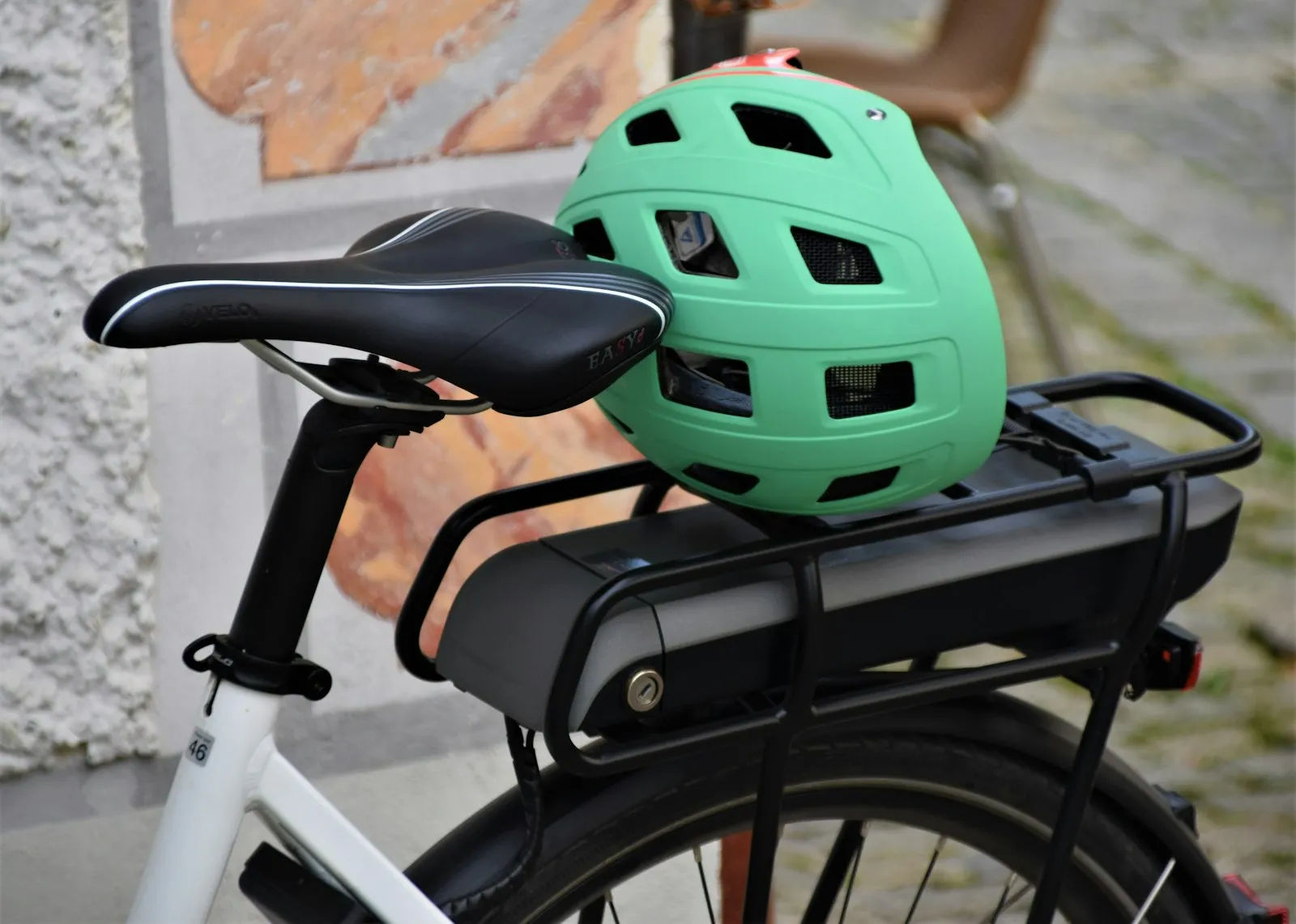
What it means for the claim. Brain injuries are often invisible on a standard scan, so the case depends on consistent treatment records, neurological testing and the injured person’s own account over time. A written log helps; see our article on keeping an injury and symptom diary. Helmet use can come up here. Under New York’s pure comparative fault rule in CPLR § 1411, riding without a helmet may reduce recovery, but it does not bar it.
Fractured and Broken Bones
What it means medically. Riders instinctively reach out to break a fall, so wrist and forearm fractures are common. Collarbones break when a shoulder meets the ground, and legs are vulnerable when a car or door strikes the side of the bike. Some breaks heal in a cast; others require plates, screws and months of therapy.
What it means for the claim. A fracture is one of the listed categories of serious injury, which usually makes the threshold easier to meet than it is for soft-tissue harm. The value still depends on surgery, lasting stiffness, and whether the person can return to the same job. Our page on fracture claims and serious injury explains how these cases are evaluated.
Scars Left by Road Rash
What it means medically. Sliding across asphalt scrapes away layers of skin. Deep abrasions can become infected, need grafting, and leave permanent discoloration or raised scars, particularly on the face, arms and knees.
What it means for the claim. Photographs taken during healing, at regular intervals, become the most persuasive record. Significant disfigurement is itself a serious injury category under the statute, so documenting it carefully is worth the effort.
Injuries to the Neck and Spine
What it means medically. The spine absorbs the force of an ejection or a hard landing. Injuries range from strains to herniated discs that press on nerves, causing radiating pain, numbness or weakness, and in the gravest cases to damage of the spinal cord itself.
What it means for the claim. Insurers commonly argue that disc problems were pre-existing. The response lies in imaging, measured range-of-motion findings and a treating doctor who can connect the condition to the crash. When the injury keeps someone from working, the lost-income piece needs its own proof; our guide on proving inability to work walks through it.
Internal and Facial Injuries
Blunt force from a handlebar or a car hood can bruise organs or cause internal bleeding that is not obvious at first. Dental and facial injuries, including broken teeth and jaw fractures, are also common when a rider pitches forward. Emergency imaging, surgical notes and dental records carry these parts of the case.
Where These Crashes Happen Around Sunnyside
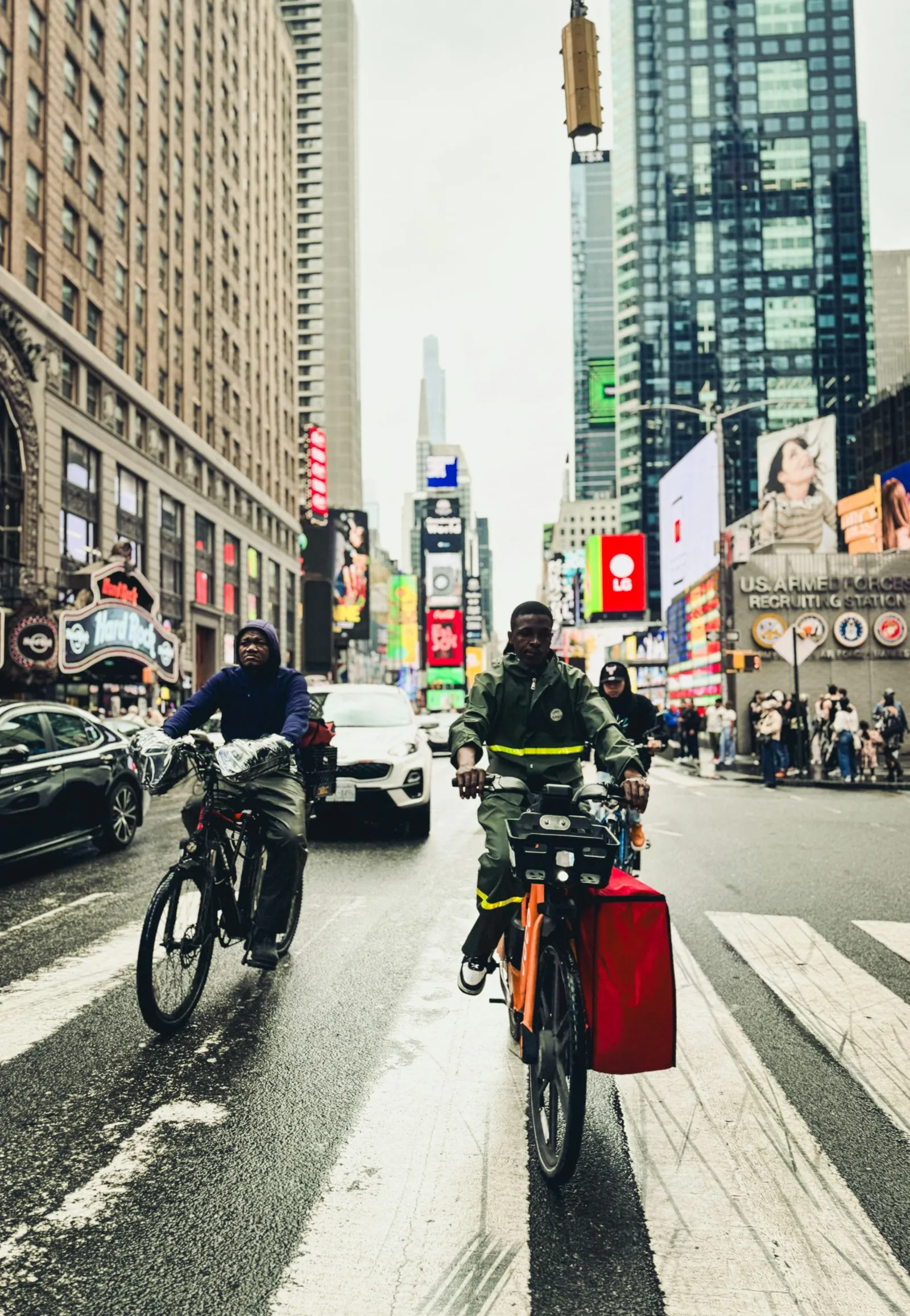
The neighborhood mixes quiet residential blocks near Sunnyside Gardens and the shared courtyards of the garden co-ops with heavy commercial traffic. Riders and delivery workers move between those streets and busier corridors all day. City rules, summarized by NYC DOT, cap e-bikes at 15 mph on city streets, require riders to be at least 16, and prohibit sidewalk riding. When a crash happens, how both parties followed those rules will be examined closely.
We also handle claims for neighbors across northwest Queens. Readers may find the pages for an e-bike accident lawyer in Woodside, an e-bike accident lawyer in Long Island City, an e-bike accident lawyer in Astoria and an e-bike accident lawyer in Jackson Heights useful, along with our broader Queens accident lawyer page.
Time Limits That Apply to Every Injury
Most injury lawsuits in New York must generally be started within three years under CPLR § 214. Claims against the city for a defective road or bike lane require a notice of claim within 90 days. Medical treatment tends to stretch out, so waiting until recovery is complete before speaking with an e-bike accident attorney can leave too little time.
Speaking With Our Firm
Attorney Yakov Mushiyev and the team have recovered over $80 million for injured New Yorkers. Working with an electric bike accident lawyer costs nothing up front: consultations are free, there is no fee unless we win, and we speak English, Russian and Spanish. If you are recovering at home or in the hospital, we can come to you or meet by video. Details on how we handle these matters appear on our scooter and e-bike accident practice page.
Our office sits at 1 Cross Island Plaza, Suite 325, Rosedale, NY 11422. Driving directions from Sunnyside appear on the map below.
To describe your injuries to a Sunnyside e-bike accident lawyer, call 718.775.3110 or send a message through our contact form, and we will explain where your case stands.
Attorney Advertising. This guide offers general information about New York injury law and is not legal advice for any particular situation.