
Each summer, Rockaway Beach absorbs a large influx of visitors. They arrive with towels, surfboards and, frequently, dogs. The result is a stretch of the city where residents, day-trippers and animals that have never met share the same boardwalk, the same crosswalks on Shore Front Parkway and the same crowded sidewalks along Rockaway Beach Boulevard. When a bite occurs in that setting, the first legal question is rarely “how bad is it?” It is “who is answerable?” The tables below set out the most common scenarios, the parties who may bear responsibility, and the first practical step for each.
Responsibility at a Glance
| Where or how the bite occurred | Who may be responsible | First step |
|---|---|---|
| On the Rockaway boardwalk, by a visitor’s dog | The dog’s owner, usually through a homeowners or renters policy | Get the owner’s name, address and phone before they leave the beach |
| By an off-leash dog near the surf area in the Beach 90s | The owner; off-leash conduct outside designated areas may also help show carelessness | Photograph the dog, the owner and the location; note the time |
| By a neighbor’s dog in an apartment building | The owner, and possibly the landlord if it knew of the dog’s aggression and could have removed it | Put any earlier complaints to management in writing and keep copies |
| By a dog kept at a store or business | The owner and the business or property owner, including for guard dogs | Record the business name and address; ask whether cameras cover the area |
| On city property or in public housing | The owner, and potentially a public entity | Speak with a lawyer promptly; a 90-day notice of claim usually applies |
| While working (delivery, utility, dog walking) | Your employer’s workers’ compensation, plus a possible claim against the owner | Report the injury to your employer and get medical care |
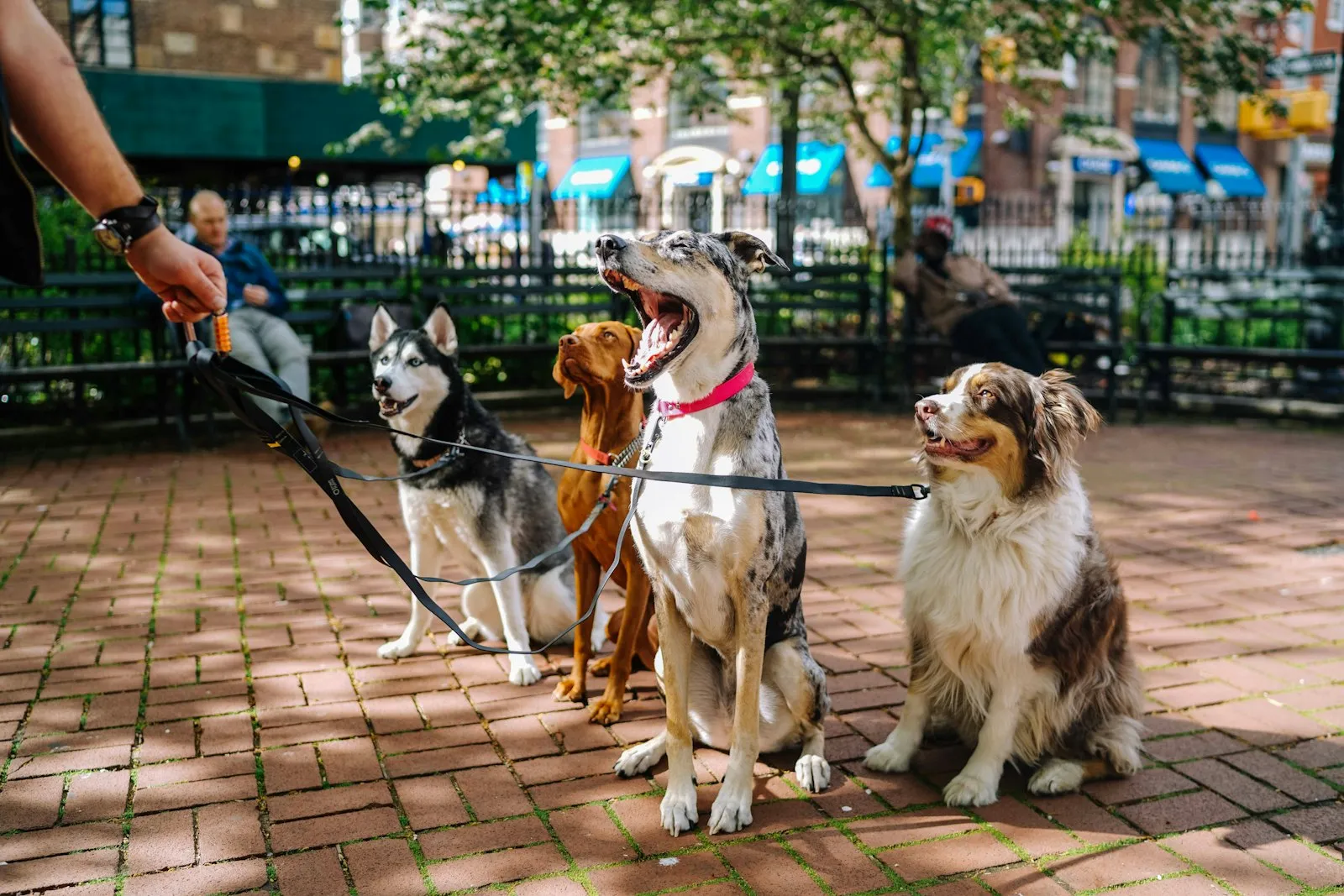
The Standard of Proof in New York
Identifying a responsible party is only the beginning. New York generally requires the injured person to show that the owner knew, or should have known, that the dog had vicious propensities. The Court of Appeals articulated that standard in Collier v. Zambito (2004). The rule applies to the owner and, in adapted form, to landlords and businesses: they must have had knowledge of the danger.
The second table sets out the types of evidence that can establish that knowledge and where such evidence is typically found.
| Evidence of known aggression | Where it is often found |
|---|---|
| Prior bites | Health department records, neighbors, prior claims |
| Growling, snapping or lunging at people | Witnesses, neighbors, building staff |
| Jumping on or knocking down people | Witnesses and earlier complaints |
| A “Beware of Dog” sign | Photographs of the home or business |
| Keeping the dog chained or muzzled | Photographs, witnesses, the owner’s own statements |
| Complaints about the dog | Landlord or management files, messages between neighbors |
One exception deserves mention. Where a dog has previously been found “dangerous,” Agriculture & Markets Law § 123 makes the owner strictly liable for the medical costs its attacks cause. Our article on how New York law treats dog bites in Queens discusses this further.
Leash Rules and the Summer Crowd
City rules require a dog in public to be on a leash of six feet or less, as the NYC Health owner’s guide explains, and off-leash time is permitted only in designated areas and hours listed by NYC Parks. A visitor who lets a dog run loose along the boardwalk has not complied with those rules. That does not, by itself, satisfy New York’s standard for owner liability, but it forms part of the picture an attorney presents.
Directions to Our Office
Yakov Mushiyev & Associates is located at 1 Cross Island Plaza, Suite 325, Rosedale, NY 11422. The embedded map charts the route from Rockaway Beach to the office.
Deadlines That Govern Your Claim
| Situation | General deadline | Source |
|---|---|---|
| Adult suing a private dog owner | 3 years to file suit | CPLR § 214 |
| Child bitten | Time generally paused until age 18 | CPLR § 208 |
| Claim involving the city or public housing | Notice of claim usually within 90 days | GML § 50-e |
| Reporting the bite | Within 24 hours | NYC Health |
Visitors should note that these deadlines apply regardless of where they live. A person from another borough or state who was bitten on the boardwalk is subject to the same New York time limits.

When the Owner Is a Visitor
A bite by a resident’s dog usually leaves a trail: an address, neighbors who know the animal, a building with management records. A bite by a visitor’s dog on a crowded summer afternoon is different. The owner may be gone within minutes, and with them the easiest route to insurance coverage and to proof of the dog’s history. For that reason, the steps taken in the first hour carry unusual weight on this part of the peninsula.
If you are able, ask the owner for a name, a phone number and a home address, and photograph the dog and its tags. Ask directly whether the dog is vaccinated against rabies; if that cannot be confirmed, your doctor may recommend post-exposure rabies treatment. Ask bystanders to stay a moment or to text you their contact details. Note any nearby businesses whose cameras may face the boardwalk or the street. Then seek medical attention, even for a wound that appears minor, because bacteria carried into a puncture can cause infection within a short time.
Afterward, photograph the wound as it heals, keep damaged clothing, and preserve every receipt. Those records, together with the bite report to NYC Health, often allow an attorney to locate an owner who left the scene.
Compensation and Insurance
Recoverable damages in a dog bite injury claim may include medical expenses, future treatment such as scar revision, lost earnings, pain and suffering, and disfigurement. Injuries range from punctures and lacerations to infection, nerve or tendon damage, fractures from falls, and emotional trauma, which is especially common in children. Where the dog’s rabies vaccination cannot be confirmed, the cost of rabies shots is also part of the claim.
Payment ordinarily comes from the owner’s homeowners or renters insurance. You are entitled to decline the insurer’s request for a recorded statement until you have consulted counsel. No-fault automobile coverage does not extend to dog bites. If the insurer contends that you contributed to the incident, New York’s pure comparative fault system reduces, but does not bar, your recovery. Our New York dog bite law guide and our dog bite practice page explain these principles in greater detail.
Retaining a Dog Bite Lawyer in Rockaway Beach
The firm’s recoveries for injured clients across New York exceed $80 million. The initial consultation is free, and fees are contingent: nothing is owed unless we win. Consultations are available in English, Russian and Spanish, and we will meet at your home, in the hospital or by video. Summer visitors who have returned home can work with us remotely.
To arrange a consultation with a Rockaway Beach dog bite lawyer, telephone 718.775.3110 or submit your details through the firm’s contact page. Information about our broader practice is on the Queens accident lawyer page.
Elsewhere on the Peninsula
The firm also maintains resources for residents of adjacent communities: a dog bite lawyer in Rockaway Park, a dog bite lawyer in Arverne, a dog bite lawyer in Belle Harbor and a dog bite lawyer in Breezy Point.

Attorney Advertising. The material on this page is provided as general information concerning New York dog bite law. It does not constitute legal advice, and no attorney-client relationship arises from reading it.