
Imagine a Saturday morning in Juniper Valley Park. You are walking the loop near the ball fields with a coffee in one hand, and a dog on a long, slack leash comes around the bend. Its owner is looking down at a phone. The dog lunges, and before anyone can react, its teeth close on your forearm. The owner pulls it back, apologizes, and insists it has never done anything like that before. A minute later you are standing on the path with blood running toward your wrist, a torn sleeve, and a head full of questions.
That moment is made up. Nothing about it is far-fetched, though. Middle Village is built around that park, and families, athletes and dog owners all share the same paths. So let’s walk through the rest of the story the way a dog bite lawyer in Middle Village would explain it to you. The legal side is more manageable than it feels while you are still shaking.

Scene one: you look after your body first
In our imagined morning, the smartest next move is not calling anyone about a lawsuit. It is getting the wound cleaned and examined. Dog teeth push bacteria deep under the skin, and a bite that looks small can turn into an infection within a day or two. Puncture wounds, torn skin, and damage to a nerve or tendon in the hand or forearm all need a doctor’s eyes. If the dog knocked you down on the path, a wrist or hip fracture is possible too.
Before you leave the park, if you can manage it, ask the owner two things: their name and contact information, and whether the dog’s rabies vaccination is up to date. If they cannot confirm the vaccination, your doctor may recommend rabies shots. That is unpleasant, but it is far better than guessing.
Scene two: the report and the photos
Once you are patched up, you (or the clinic) should report the bite to the city. NYC Health asks that animal bites be reported within 24 hours. The report creates an official record that the bite happened and helps the city track the dog’s vaccination status.
Then take pictures. Photograph the wound today, and keep photographing it as it heals, because scars change over weeks and months. Save the torn sleeve. Snap the spot on the path where it happened. If a jogger or another parent saw the whole thing, get their phone number. These small steps become your strongest evidence later.
Scene three: the owner’s story and what the law asks
Remember the owner saying the dog had never done that before? That sentence matters more than you might think. In New York, the owner is generally responsible when they knew or should have known the dog had “vicious propensities.” The state’s highest court set out that rule in Collier v. Zambito in 2004.
So the question becomes: was there a warning sign? Proof can come from many places, including:
- an earlier bite, or earlier episodes of growling, snapping or lunging at people
- a habit of jumping on strangers
- a “Beware of Dog” sign on the owner’s house on one of the side streets off Metropolitan Avenue or Eliot Avenue
- the dog being kept chained or muzzled
- complaints from neighbors
Neighbors on a block of attached and detached homes tend to notice when a dog behaves badly, and that shared knowledge can surface during an investigation. There is also a separate path. If the dog has been officially found “dangerous,” Agriculture & Markets Law § 123 makes the owner strictly liable for the medical costs its attacks cause.
The leash matters too. City rules call for dogs in public to be on a leash no longer than six feet, and off-leash time is allowed only in designated dog areas and hours. A long, loose lead on a crowded path is a detail worth noting.
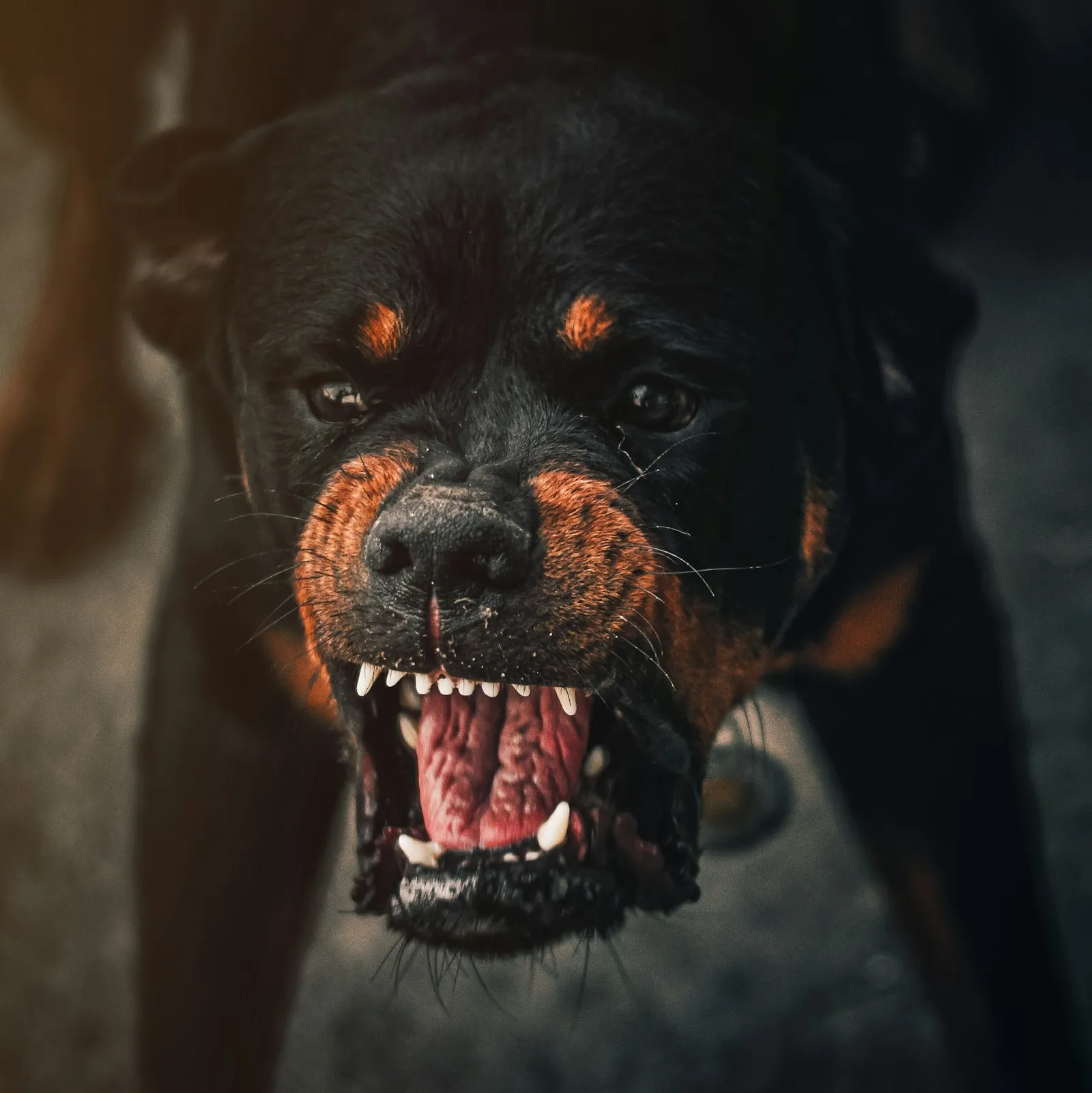
Scene four: a phone call from an insurance company
A week or so after our imagined bite, your phone rings. It is an adjuster from the owner’s homeowners insurance, friendly and eager to “get your side of the story” on a recorded line. This is normal. Most dog bite claims are paid by homeowners or renters insurance, not out of the neighbor’s pocket, which often eases people’s worry about suing someone who lives nearby.
You do not have to give that recorded statement before you speak with a lawyer. It is fine to say you will call back. What you say early can be used to shrink your claim later, so it pays to get advice first. One more point people often ask about: your no-fault car insurance has nothing to do with a dog bite, so that is not where the bills go. Our article on who pays after a dog attack in Queens goes into this in more depth.
Scene five: “you shouldn’t have walked so close”
Sometimes the owner or the insurer suggests you did something to provoke the dog. Maybe you reached out, or maybe you walked too close. Even if some of that were true, it does not end your case. New York follows pure comparative fault, which means any recovery is reduced by your share of the blame, but it is not wiped out. You can read more in our guide to shared fault in New York.
Scene six: adding up what you lost
As the weeks go by, the true cost of that Saturday comes into focus. A claim can seek payment for:
- emergency care, follow-up visits, and any rabies treatment
- future care, including scar revision or plastic surgery
- wages you lost while your arm healed
- pain and suffering
- disfigurement, especially on visible areas like the hands or face
Emotional effects count as well. Plenty of adults find they flinch every time a dog passes on the sidewalk, and children can have nightmares for months.

Scene seven: the clock in the background
There is a deadline running quietly the whole time. In most cases you have three years from the bite to file a lawsuit under CPLR § 214. If the person bitten is a child, that clock is generally paused until they turn 18. When a city agency or public housing is involved, a notice of claim is usually required within just 90 days. Three years sounds generous, but evidence fades, witnesses move, and the dog’s history gets harder to prove.
How this story could end with us beside you
Here is where a Middle Village dog bite lawyer changes the ending. At Yakov Mushiyev & Associates, we gather the bite report, medical records and photos, track down the dog’s history, and deal with the insurer so you do not have to. Our firm has recovered over $80 million for injured New Yorkers. The consultation is free, and you pay no fee unless we win. We speak English, Russian and Spanish, and we can meet you at home, at the hospital, or over video if getting around is hard right now.
You can learn more about how we handle these cases on our dog bite practice page or on our Middle Village injury lawyer page. If your bite happened just over the line, we also have pages for a dog bite lawyer in Glendale, a dog bite lawyer in Rego Park, and a dog bite lawyer in Forest Hills.
When you are ready to talk it through, call 718.775.3110 or send a note through our contact form. You can tell us your version of the story, and we will tell you plainly where it could go.
The drive from Middle Village
Our office is at 1 Cross Island Plaza, Suite 325, Rosedale, NY 11422. The map below traces the route from Middle Village to our door, in case you would rather meet in person.
Attorney Advertising. The scenario above is hypothetical, and this page offers general information only. Nothing here is legal advice, and no lawyer-client relationship starts until we both agree to one.