
Your child was bitten. You are scared, angry and tired. This guide is for you.
Brookville is small and quiet. Families walk to Brookville Park. Neighbors walk their dogs along Brookville Boulevard and the paths near the wetlands on the Nassau border. Kids and dogs cross paths every day. Usually that is a good thing. Sometimes it ends at a pediatric emergency room.
Below: what to do now, what the injuries can mean, how the law treats a child’s claim, and when to call for help.
Kids Are Bitten More Than You Might Think
According to the American Veterinary Medical Association, millions of people in the U.S. are bitten by dogs every year. Hundreds of thousands need medical attention. About half of all victims are children. Small bodies. Faces near a dog’s head. Quick movements. It adds up.
Right Now: Your First Steps
- Get your child seen. Pediatrician, urgent care or ER. Today. Bites on the face, hands and neck need a doctor’s eyes.
- Find the owner. Name. Address. Phone.
- Ask about rabies. Is the dog vaccinated? If no one can confirm it, your child may need rabies shots.
- Report it. NYC asks that animal bites be reported to the Health Department within 24 hours. Use the city’s animal bite reporting page.
- Take pictures. Wounds now. Wounds next week. Wounds next month. Torn clothes. The exact spot.
- Get witnesses. Other parents. Other walkers. Names and numbers.
- Save paper. Every bill, every note, every receipt.
Injuries That Hit Children Hard
Wounds
Punctures and tears. Punctures look small but go deep. They trap bacteria. Watch for redness, swelling and fever. Deep bites can damage nerves or tendons in small hands.
Falls
A big dog can knock a child flat. That can mean a broken wrist or arm on top of the bite.
Scars
Kids grow. Scars grow with them. A facial scar may need plastic surgery years from now. That future cost belongs in the claim today.
Fear
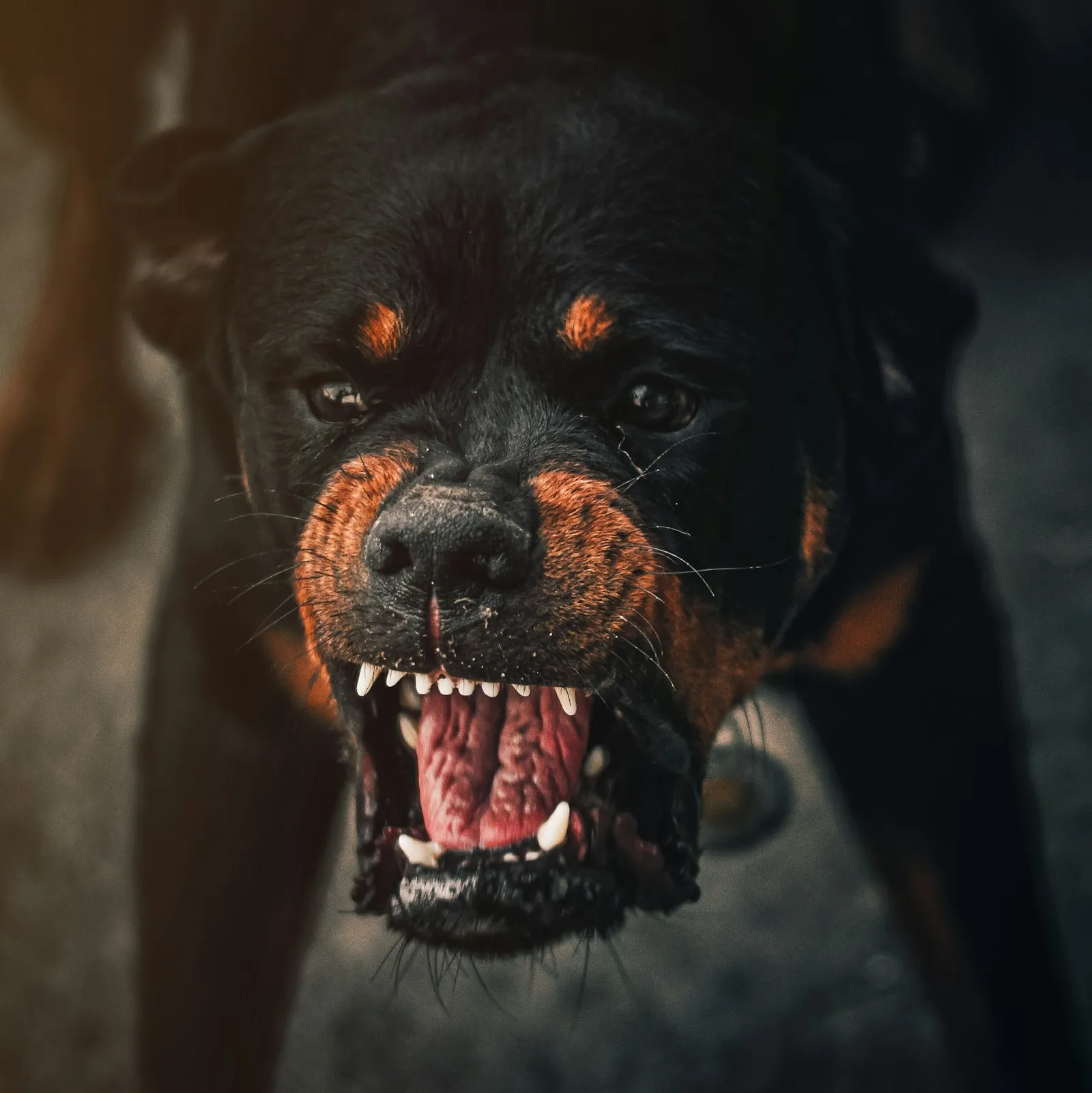
This is the injury parents underestimate. Nightmares. Refusing to go outside. Panic at a barking dog. Trouble at school. Emotional trauma is especially common in children after an attack. Counseling records help show it.
Keeping a Record at Home
Start a simple notebook. Date every entry. Short notes are fine.
- How the wound looks today.
- Pain your child describes, in their own words.
- Missed school days, and missed activities like sports or camp.
- Bad dreams, clinging, bedwetting, new fears.
- Every appointment and every prescription.
Months from now, memory blurs. The notebook will not. Insurers pay attention to details written down at the time. So do judges.
Talking With Your Child
Keep it calm. Keep it simple. Let them tell the story once, then write it down. Do not coach. Do not quiz them again and again. A young child’s account can change with repetition, and that can hurt later.
Tell them it was not their fault. Many kids blame themselves. Many also stop wanting to go to the park. Take that seriously. Mention it to the pediatrician.
When the Dog Belongs to Someone You Know
This is the hardest version. A relative’s dog. A friend’s dog at a birthday party. A neighbor two houses down.
Many parents stop here. They do not want to cause trouble. Remember how these claims are usually paid: through insurance, not out of the friend’s savings. The claim is how your child’s future scar surgery gets funded. You can make a claim and stay on good terms. Many families do.
If the dog lived in a rental, the landlord may share responsibility. That applies when the landlord knew the dog was vicious and could have had it removed.
Is Anyone Responsible?
Often, yes. New York usually requires proof that the owner knew or should have known the dog had “vicious propensities.” That is the rule from Collier v. Zambito (2004), decided by New York’s highest court.
Proof can come from:
- earlier bites
- growling, snapping or lunging
- jumping on people
- a “Beware of Dog” sign
- a dog kept chained or muzzled
- complaints from other families
Parents at the park talk. If other kids have been snapped at, someone usually knows. That knowledge matters.
If the dog was officially declared “dangerous,” the owner is strictly liable for medical costs under Agriculture & Markets Law § 123.
Leash rules help too. City guidance calls for dogs to be on a leash of six feet or less in public. See the Health Department’s responsible dog owner guide. Off-leash time is allowed only in designated areas and hours, listed by NYC Parks.
If It Happened at the Park
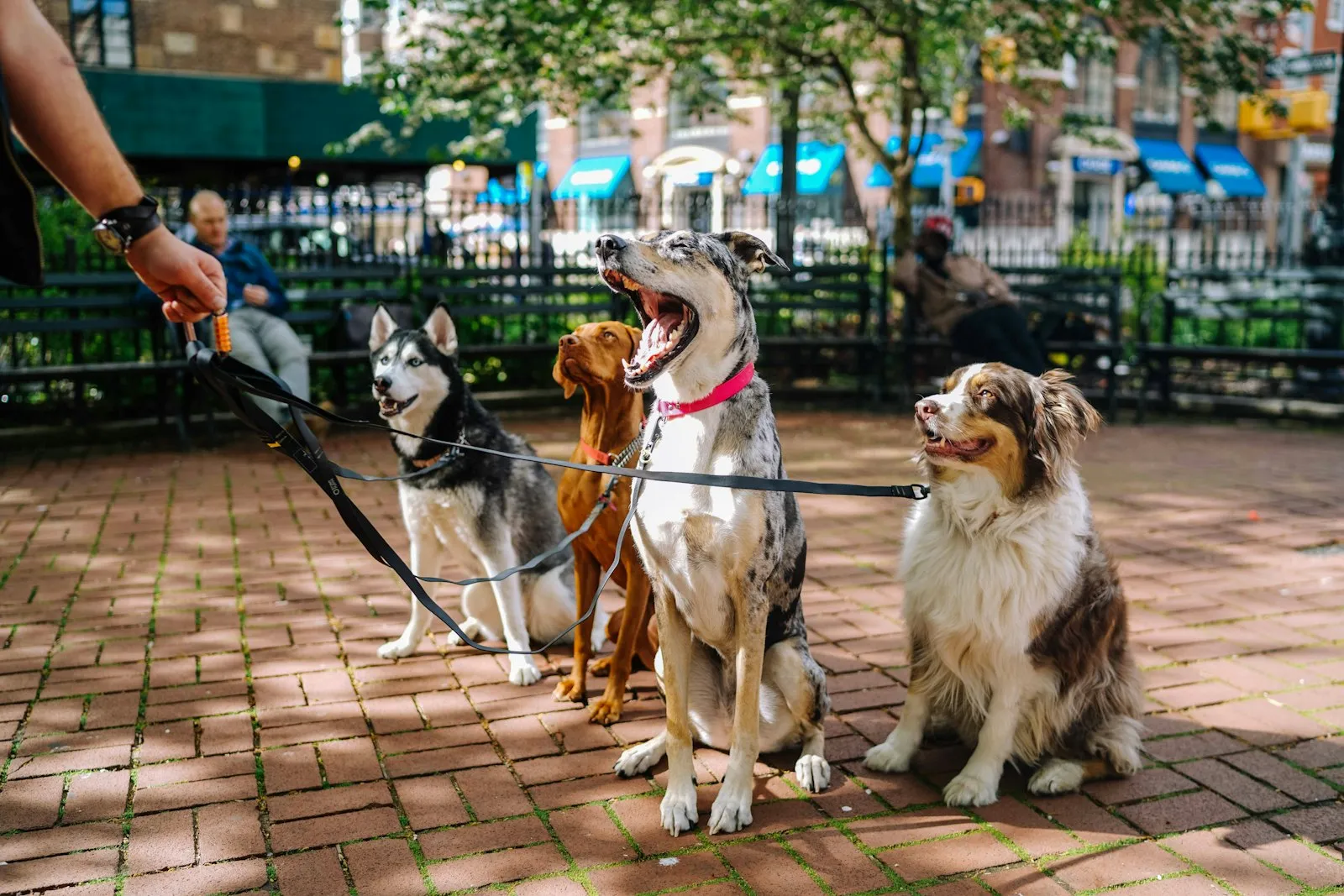
Brookville Park is a favorite spot for dog walkers. That makes it a common place for a child to meet a strange dog.
After a bite there, move fast. Owners at a park can leave within minutes. Nobody has their address. So:
- Ask the owner for a name and phone number before they walk off.
- Photograph the owner and the dog if they refuse.
- Note the time, the path and anything nearby, such as a bench or a sign.
- Was the dog on a leash? How long was it? Write that down.
- Ask other adults to stay a moment and share contact details.
An unknown owner makes the rabies question urgent. Tell the doctor right away.
Our Office
We are at 1 Cross Island Plaza, Suite 325, Rosedale, NY 11422. From Brookville, it is a short trip. The map shows the route.
Who Pays
Usually the owner’s homeowners or renters insurance. Not the neighbor personally. That matters in a small community where everyone knows everyone.
The insurer may call you. You do not have to give a recorded statement. Talk to a lawyer first. Your car’s no-fault policy will not help. It does not cover dog bites.
Will they say your child provoked the dog? Maybe. New York uses pure comparative fault. A share of blame reduces the award. It does not wipe it out.
What a Child’s Claim Can Cover
- Medical bills so far
- Future care, including scar revision
- Pain and suffering
- Disfigurement
The Deadline Is Different for Kids
Adults generally get three years to sue under CPLR § 214. For a child, the clock is generally paused until age 18 under CPLR § 208.
Do not treat that as a reason to wait. Witnesses move. Dogs change homes. Records get lost. And one exception is strict: if public housing or a city agency is involved, a notice of claim is usually due within 90 days.
Read more in our New York dog bite law guide and our Rosedale dog bite attorney article.
Why Parents Call Us
A Brookville dog bite lawyer at Yakov Mushiyev & Associates handles the insurer, the evidence and the paperwork. You handle your kid.
- Free consultation.
- No fee unless we win.
- More than $80 million won for injured clients.
- English, Russian and Spanish.
- We come to you: home, hospital or video.
Call 718.775.3110. Or write to us through the contact page. We will call back. For background, see our dog bite practice and our Brookville injury lawyer page.

Nearby Families
Just over the line? See our pages for a dog bite lawyer in Rosedale, a dog bite lawyer in Springfield Gardens, or a dog bite lawyer in Laurelton. A dog bite lawyer in Brookville is closer than you think.
Attorney Advertising. Written for parents as general information. Not legal advice about your child’s case.