
Hiring a lawyer after a dog bite shouldn’t feel like a mystery. So here’s the whole process, laid out in order. What happens. When. What we do. What you do. No surprises.
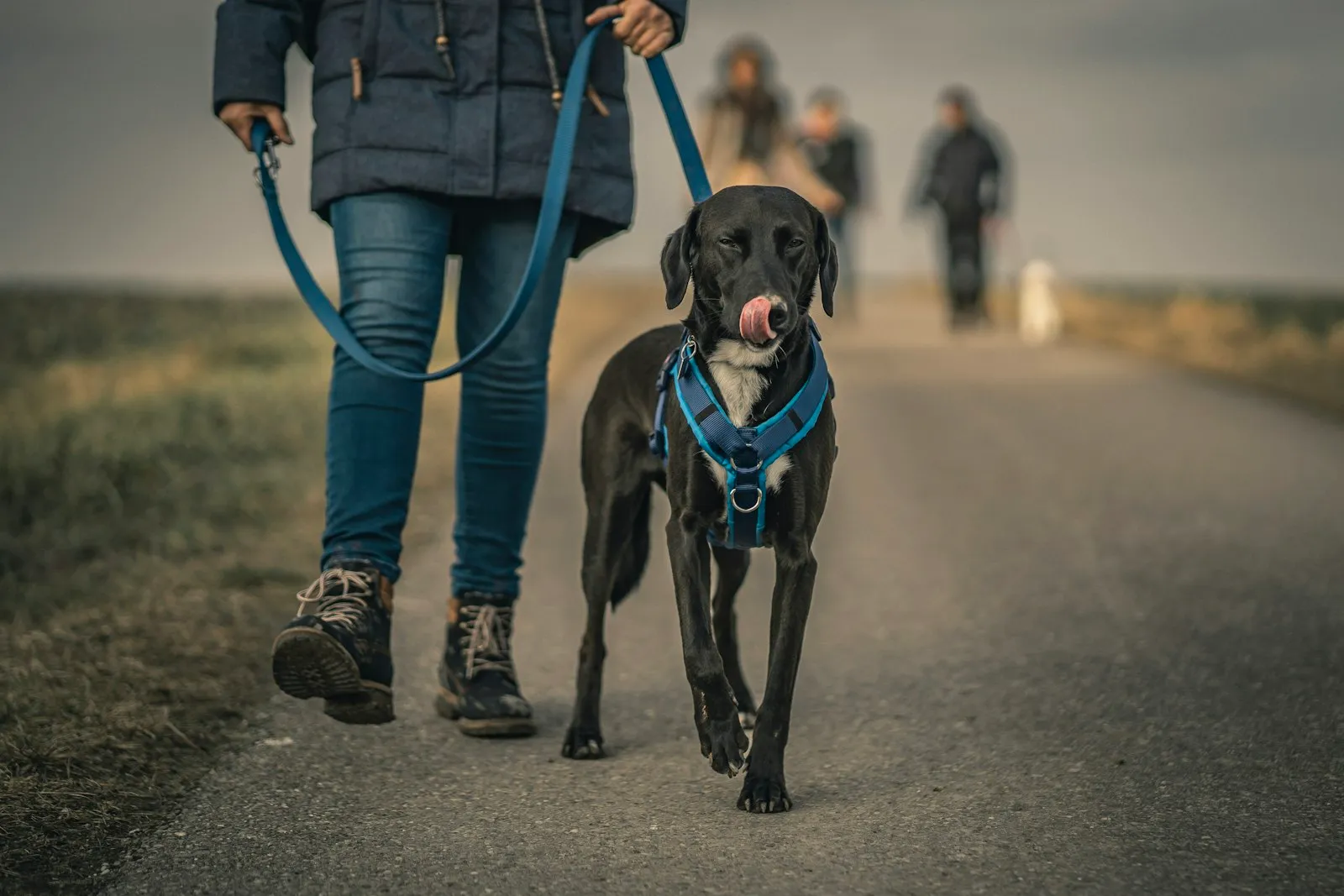
Beechhurst is a walking neighborhood. Residents of the waterfront co-op complexes take their dogs along the Cross Island Parkway promenade, down to Powell’s Cove Park, and through the quiet streets near 166th Street. Most walks end fine. When one doesn’t, this is what working with a Beechhurst dog bite lawyer at our firm looks like, from first call to final check.
Stage 1: The first call
You call 718.775.3110. Or you write to us through the contact page. Either works.
We ask what happened. Where. When. Whose dog, if you know. How badly you’re hurt. We listen. The call is free. You’re under no obligation.
If you haven’t seen a doctor yet, we’ll tell you to go. Treatment comes first. Always.
Stage 2: Meeting in person, or not
Next, we meet. That can be at our Rosedale office. It can be at your apartment. It can be at your hospital bed. It can be on video. You pick.
We speak English, Russian and Spanish. Bring whatever you have: photos, discharge papers, the owner’s name, a neighbor’s phone number. If you have nothing yet, that’s fine too.
We explain the fee. It’s a contingency fee. There’s no fee unless we win. Nothing up front.
Questions clients ask at this meeting
“Will my neighbor have to pay me out of pocket?” Usually not. Insurance handles most claims. More on that in Stage 6.
“The dog belongs to someone in my building. Is that awkward?” It can be. We handle the contact. You don’t have to confront anyone in the elevator.
“I was bitten while working. Does that change things?” Yes. Employees hurt while working usually have workers’ compensation available through their employer. You may also have a separate claim against the dog’s owner. We sort out both.
“My insurance card says no-fault. Does that cover this?” No. No-fault car insurance doesn’t apply to dog bites.
“How long will this take?” It depends on your injuries. We can’t value a case until we know how you heal. Small cases move faster. Serious ones take longer. We’ll give you regular updates at every stage.
“What if I only have a small scar?” Tell us anyway. A small scar on a face or hand can matter. So can one that needs revision later.
Stage 3: Locking down the evidence
This stage moves fast. Evidence disappears. Here’s what we do in the first weeks:
- Confirm the bite was reported to NYC Health. It should be reported within 24 hours through the city’s animal bite reporting page.
- Identify the owner and check the dog’s rabies vaccination status.
- Gather your photos. We’ll ask you to keep taking them as the wound heals.
- Photograph the spot where it happened, whether it’s a lobby, a path or a parking area.
- Collect names and numbers of witnesses.
- Keep your torn clothing. Don’t wash it.
Your job here is small. Heal. Keep records. Send us receipts. Don’t talk to the owner’s insurer yet.
Stage 4: Building the liability case
New York law sets the bar. Generally, we have to show the owner knew or should have known the dog had “vicious propensities.” That’s the rule from Collier v. Zambito (2004).
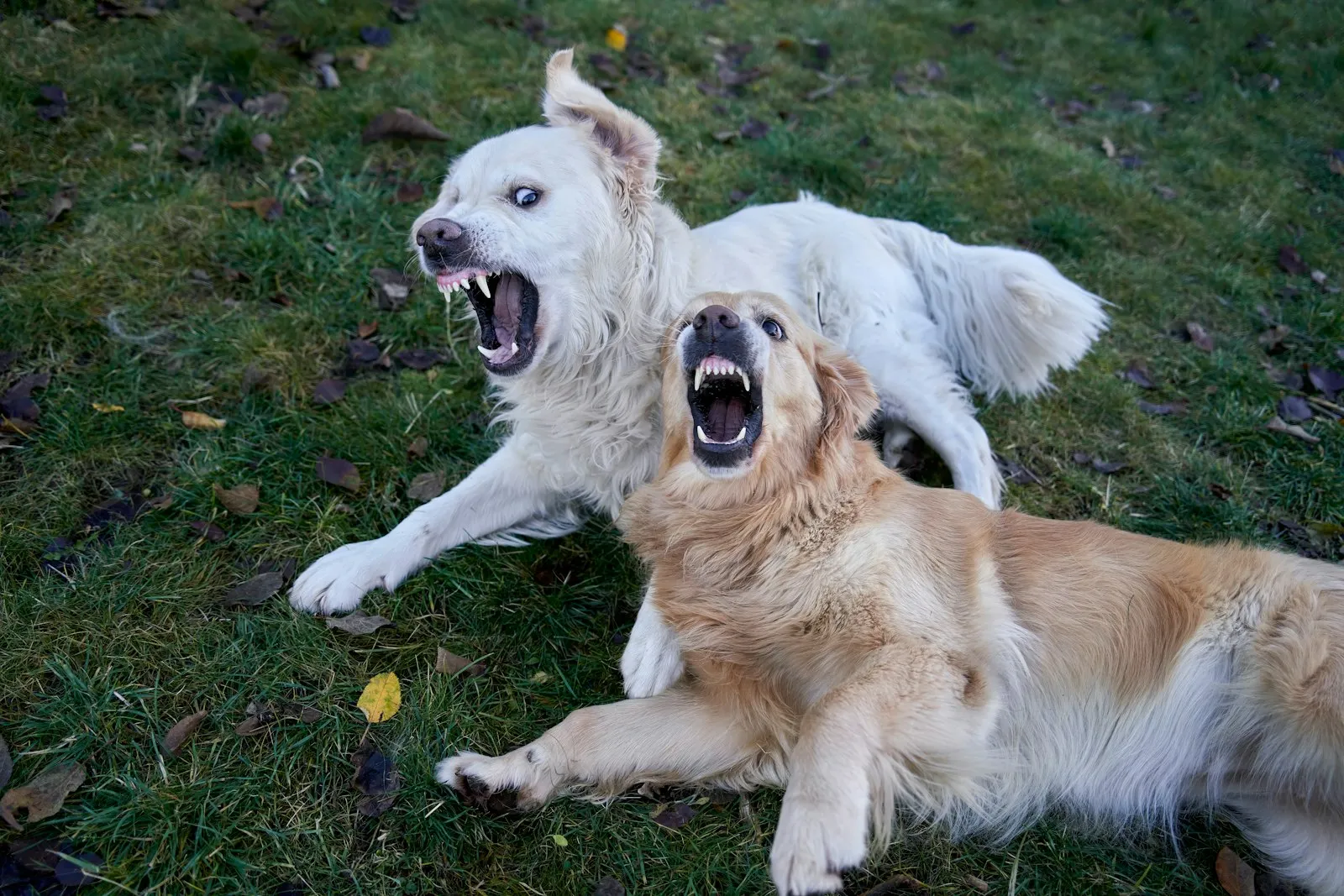
So we look for proof. Earlier bites. Growling. Snapping. Lunging. Jumping on people. A “Beware of Dog” sign. A dog kept chained or muzzled. Complaints.
Co-op living matters here. Many Beechhurst residents live in co-op buildings. Boards and management companies hear about problem dogs. They get complaints. They send letters. If the board or management knew about a dangerous dog, they can become part of the case. So can a landlord that knew and had the power to remove the dog. We request those records.
If the dog was officially found dangerous, it’s simpler. Under Agriculture & Markets Law § 123, the owner is strictly liable for the medical costs.
Stage 5: Tracking your injuries
While you recover, we follow your treatment. Punctures. Stitches. Infection. Rabies shots, if vaccination couldn’t be confirmed. Nerve or tendon damage. Any fracture from a fall. Scars that may need plastic surgery later. Fear and anxiety, too.
We don’t rush this. Settling before we know the full picture means leaving money behind. Future scar revision costs money. We want that counted.
Stage 6: The insurance claim
Most claims are paid by the owner’s homeowners or renters insurance. Not the owner’s own pocket. In a co-op, that may be the owner’s own unit policy. A building’s policy can matter if the board or management is involved.
We open the claim. We handle the adjuster. You don’t give a recorded statement. You’re allowed to decline one before speaking with a lawyer, and we’ll speak for you.
If the insurer argues you were partly to blame, we answer it. New York uses pure comparative fault. Your recovery gets reduced by your share. It doesn’t disappear.
Stage 7: The demand
When treatment levels off, we send a demand package. It lays out everything:
- Medical bills.
- Future care, including scar revision.
- Lost wages.
- Pain and suffering.
- Disfigurement.
The photos you took matter most here. A wound on day one. The same wound at week three. The scar at month four. Pictures persuade.
Stage 8: Negotiation
The insurer responds. Usually low. We push back with evidence. Offers go back and forth. We report every offer to you. You decide whether to accept. It’s your case.
What do we weigh before advising you? The strength of the proof about the dog. The size of the policy. How your scar is expected to look in a year. What a jury might think. We explain our view in plain terms. Then we wait for your answer. No pressure to take the first number, or the second.
Stage 9: Lawsuit, if needed
Some insurers won’t be fair. Then we file suit. Adults generally have three years to sue under CPLR § 214. For children, the time is generally paused until 18. We don’t wait for the last minute.
A lawsuit brings formal discovery. Depositions. Records from vets, the co-op and the owner. Many cases settle during this stage. Some go to trial. Either way, we’re with you.
Stage 10: Getting paid
When the case resolves, the money comes to our firm’s account. We pay any liens and costs. We take our agreed fee. You get the rest, with a written breakdown. Then the case is closed.
Who you’ll be working with

Over the years the firm has won back more than $80 million for people injured in New York. We know northeast Queens. For the legal background, read our overview of New York dog bite laws or our post about a dog bite attorney in Rosedale. The full dog bite practice page and our Queens accident lawyer page cover more.
Not in Beechhurst? We handle cases next door too:
- Dog bite lawyer in Whitestone
- Dog bite lawyer in Bay Terrace
- Dog bite lawyer in Bayside
- Dog bite lawyer in Douglaston
Step zero: start the clock on your side
Ready? Stage 1 takes one phone call. Dial 718.775.3110 and ask for a dog bite lawyer in Beechhurst. Our office: 1 Cross Island Plaza, Suite 325, Rosedale, NY 11422. The map shows the drive over from Beechhurst.
Attorney Advertising. This page describes our general process and offers general information only. It is not legal advice, and every case is different.