
Jamaica is one of the busiest transportation hubs in Queens. The LIRR, the E, J and Z subway lines, the AirTrain to JFK, dozens of bus routes and a steady stream of yellow cabs, green cabs and app-based cars all meet within a few blocks of Sutphin Boulevard and Archer Avenue. When that much for-hire traffic shares the road with commuters, shoppers and travelers carrying luggage, collisions happen. If you were hurt in one, this guide explains how a taxi accident claim in Jamaica works under New York law as it stands in 2026, what deadlines apply, and how a taxi accident lawyer in Jamaica from Yakov Mushiyev & Associates, P.C. can help you pursue it.
This page is organized like a legal guide: first the rules that decide who pays, then the deadlines, then the local factors that shape a Jamaica case, and finally the questions clients ask us most. If you would rather talk it through, call 718.775.3110. Consultations are free and available in English, Russian and Spanish.
Part 1: The Legal Framework for a Taxi Accident in Jamaica, Queens
A crash involving a yellow taxi, a green Boro Taxi, a livery car or an Uber or Lyft is still a motor-vehicle accident, so New York’s no-fault system applies first. What changes is the insurance that sits behind the vehicle. Vehicles licensed by the NYC Taxi and Limousine Commission carry their own required coverages, and those requirements shifted this year.
1.1 No-fault (PIP) benefits come first
New York is a no-fault state. Personal injury protection, usually called PIP, pays medical expenses, lost earnings and other basic economic loss regardless of who caused the crash, under Insurance Law § 5102(a). The statewide minimum is $50,000 per person. For TLC-licensed vehicles, the required PIP amount is $100,000 per person as of March 1, 2026. The TLC reduced the requirement from its former $200,000 level when it implemented Local Law 90 of 2025.
Which policy pays your PIP depends on where you were:
- Taxi passengers generally claim PIP from the vehicle they were riding in.
- Pedestrians and cyclists generally claim from the vehicle that struck them.
- Drivers of other cars hit by a cab normally start with their own policy’s no-fault coverage.

1.2 Stepping outside no-fault: the serious injury threshold
No-fault does not pay for pain and suffering. To bring a claim against the at-fault driver for those losses, the injury must meet the “serious injury” definition in Insurance Law § 5102(d). The 2026 state budget (Chapter 58, Part EE) narrowed that definition by removing the category that was based on days of missed normal activity. Eight categories remain:
- Death
- Dismemberment
- Significant disfigurement
- Fracture
- Loss of a fetus
- Permanent loss of use of a body organ, member, function or system
- Permanent consequential limitation of use of a body organ or member
- Significant limitation of use of a body function or system
Because the list is shorter, the medical record matters more than ever. Consistent treatment, imaging where it is appropriate, and doctors who document how an injury limits you are the building blocks of a threshold argument.
1.3 Fault is decided first, and it can bar recovery
Two 2026 changes affect how fault is handled in motor-vehicle injury lawsuits filed on or after May 26, 2026, regardless of when the accident happened (see DFS Circular Letter 2026-01):
- Modified comparative fault. Under new CPLR 1411(b), a claimant whose share of fault is greater than the defendant’s (or all defendants’ combined) recovers nothing. A claimant at 50% or less has the award reduced in proportion. Claims that do not involve a motor vehicle remain under CPLR 1411(a).
- Order of decision. Under Insurance Law § 5104, the fact-finder must decide fault before deciding whether there is a serious injury.
- A narrow cap. New § 5104(d) caps non-economic damages at $100,000 for an at-fault claimant who was driving uninsured (with a short-lapse exception of under 30 days), was convicted of impaired driving, or was convicted of a felony committed while driving. It does not cap economic damages, other people’s claims, or wrongful death claims.
Under the 2026 rules, an insurer that can push your share of fault above the driver’s can defeat the claim entirely. Evidence about how the crash happened is no longer a detail; it can decide whether there is a case at all.
1.4 Liability coverage on a medallion cab
Once a claim moves beyond no-fault, the at-fault vehicle’s liability coverage comes into play. For a medallion yellow taxi, the TLC’s minimum is $100,000 per person and $300,000 per occurrence. Other for-hire categories, including app-based rideshare vehicles, have their own insurance arrangements, and we confirm the actual policies in each case rather than assume a number. The New York State Department of Financial Services publishes consumer information on auto coverage.
Part 2: Deadlines at a Glance
Every taxi case runs on several clocks at once. Missing one can cost benefits or the right to sue, so we put them side by side:
| Step | Deadline | Source |
|---|---|---|
| No-fault (PIP) application | 30 days from the accident | 11 NYCRR 65-1.1 |
| Notice of claim against a New York City or MTA vehicle (for example, a city bus involved in the crash) | 90 days | General Municipal Law § 50-e |
| Personal injury lawsuit | 3 years | CPLR 214(5) |
| Wrongful death lawsuit | 2 years (pecuniary damages only) | EPTL 5-4.1 |
The wrongful death statute still limits recovery to pecuniary loss; the Grieving Families Act was vetoed for a fourth time in December 2025. If a family member was killed in a crash, speak with a lawyer promptly so the estate can be set up and the two-year window protected.
Part 3: Road Conditions That Shape Jamaica Taxi Cases
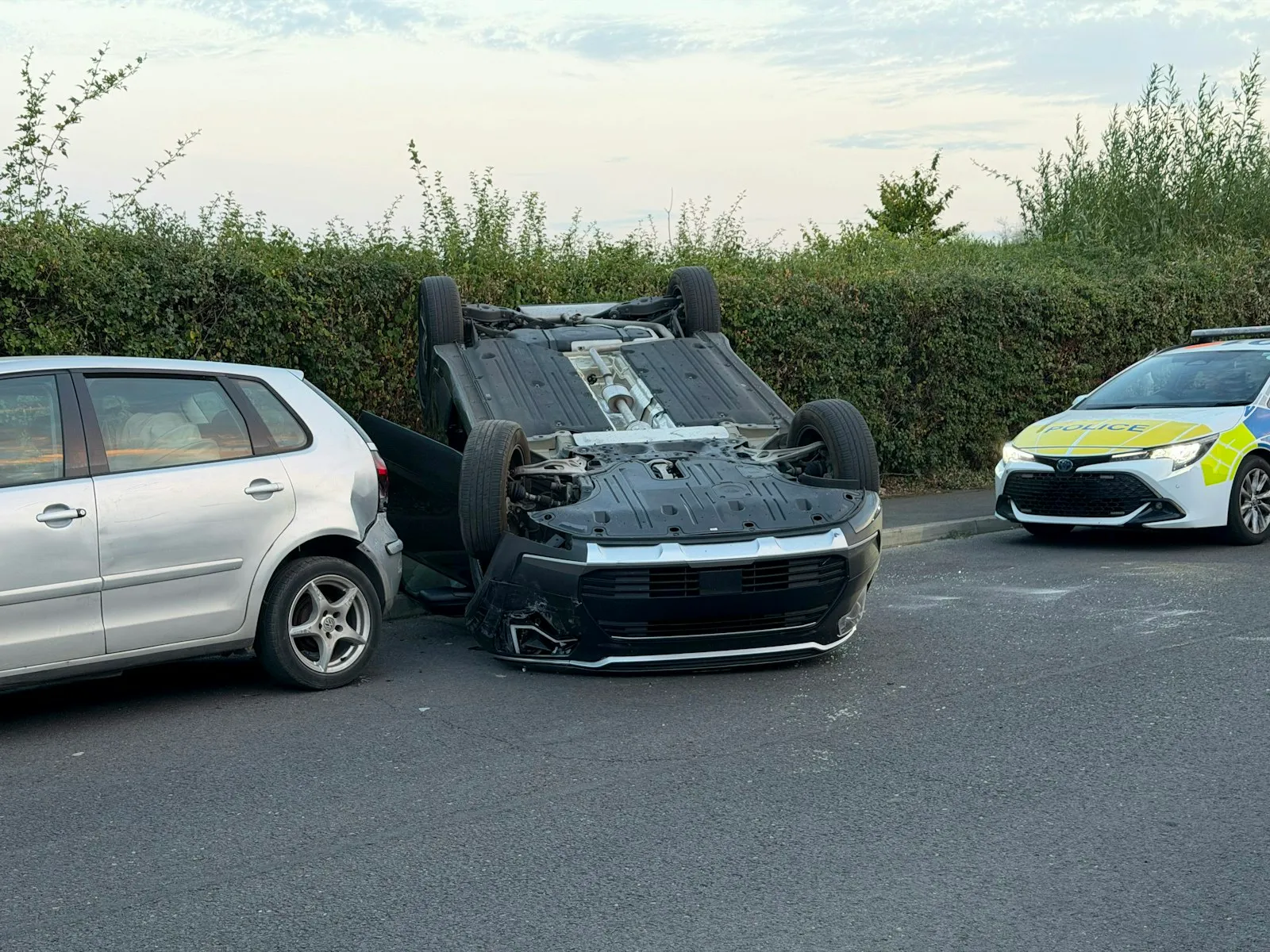
Every neighborhood has its own traffic personality. In Jamaica, several features show up again and again when we reconstruct how a for-hire collision happened:
- Transit-hub curb pressure. Cabs and app cars stop to load and unload near the Sutphin Blvd–Archer Ave station, the Jamaica Center–Parsons/Archer station and the LIRR. Sudden stops, double-parking and doors opening into traffic are common sources of claims.
- Bus-heavy corridors. Archer Avenue, Jamaica Avenue and Hillside Avenue carry heavy bus traffic. When a city bus is part of the crash, the 90-day notice of claim rule can apply.
- Expressway connections. The Van Wyck Expressway carries airport-bound traffic toward JFK, and drivers hurrying to make a flight or pick up a fare merge on and off at speed.
- Dense pedestrian crossings. The shopping blocks of Jamaica Avenue and the 165th Street pedestrian mall draw large crowds, so turning taxis meet people in crosswalks constantly.
- Major cross streets. Sutphin Boulevard, Parsons Boulevard, Merrick Boulevard and Guy R. Brewer Boulevard all feed into the commercial core, creating busy multi-lane intersections.
New York City publishes traffic safety data through its Vision Zero data feeds. We do not quote crash counts on this page, but in an individual case that kind of public data, along with any available video and the TLC trip record, can help show what happened at a specific corner.
Part 4: Top Destinations — Jamaica Center, King Manor Museum and the AirTrain JFK Link
Three destinations define much of the for-hire traffic in Jamaica.
Jamaica Center
Downtown Jamaica, centered on Jamaica Avenue around Parsons Boulevard and 165th Street, is a major shopping, government and transit district. York College of the City University of New York is nearby, and the Jamaica Center–Parsons/Archer subway station serves the E, J and Z lines. People come for stores, offices, courts and connections to buses. That means constant taxi and app-car pickups along Jamaica and Archer Avenues, cabs pulling in and out of bus-lane curbs, and passengers stepping out on the traffic side.
King Manor Museum
King Manor, in Rufus King Park on Jamaica Avenue, was the home of Rufus King, a signer of the U.S. Constitution. Today it operates as a historic house museum, and the surrounding park is a green pause in the middle of the commercial strip. Visitors, school groups and park users cross Jamaica Avenue here, and drop-offs at the park edge can put passengers next to moving buses and cars.
The AirTrain JFK link at Sutphin Blvd–Archer Ave
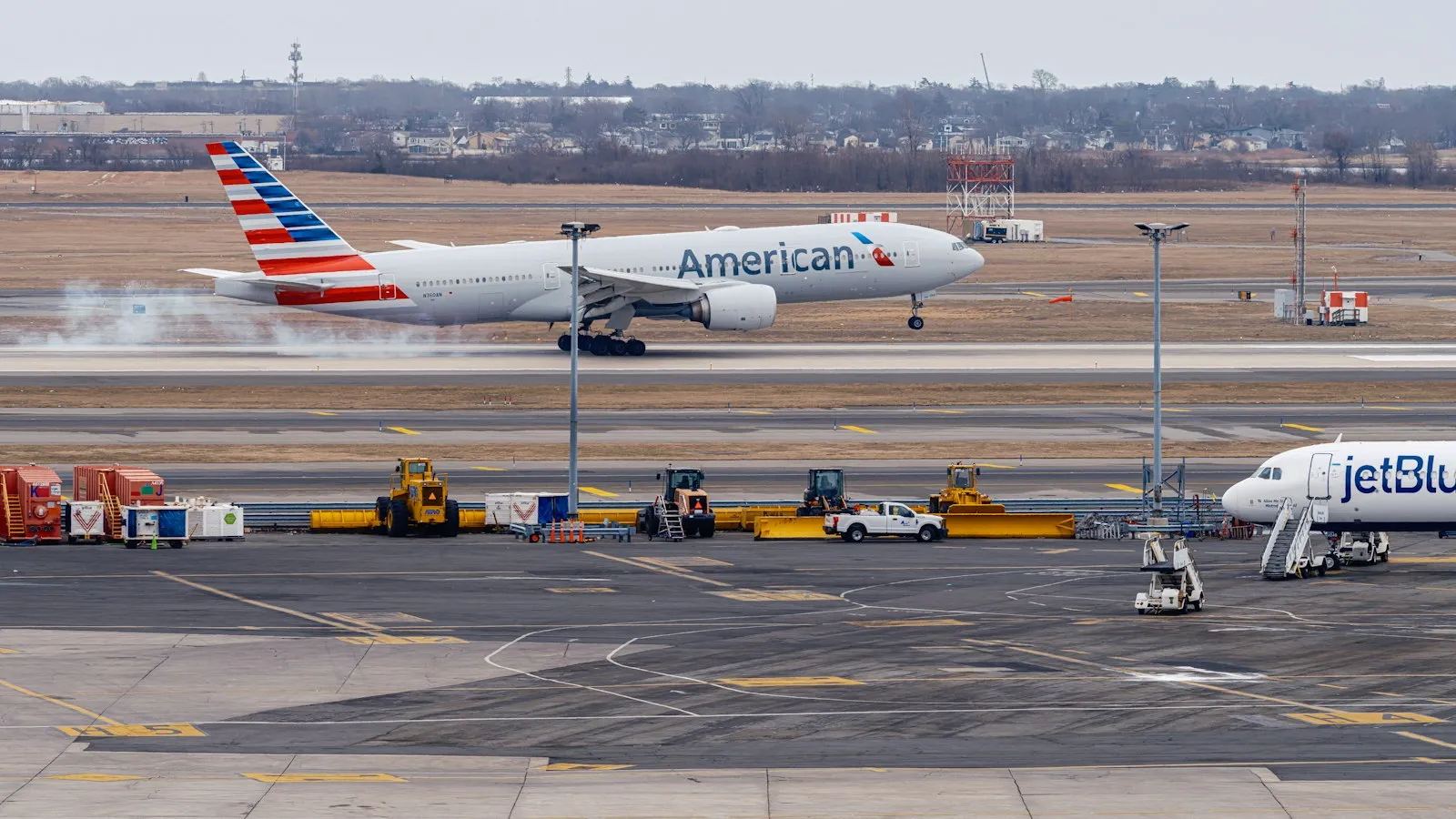
The Sutphin Blvd–Archer Ave–JFK Airport station connects the E, J and Z subway lines and the Long Island Rail Road’s Jamaica station with the AirTrain that runs to JFK International Airport. Travelers with suitcases arrive by cab and app car, transfer to the AirTrain, or come back from the airport and look for a ride home. The result is a concentrated pickup and drop-off zone on Sutphin Boulevard and Archer Avenue, with taxis stopping and merging near crosswalks used by people focused on their bags and their schedules.
Part 5: How Our Firm Handles a Jamaica Taxi Claim
Our office at 1 Cross Island Plaza in Rosedale is a short drive from downtown Jamaica, and we regularly meet clients at home, in the hospital or by video. Here is how a typical matter proceeds:
- Free case review. We listen, identify every vehicle and policy involved, and flag the deadlines that apply to you.
- No-fault filing. We help get the PIP application in within the 30-day window so medical bills and lost wages start moving.
- Evidence preservation. We request police reports, look for video from storefronts and transit areas, and seek the TLC records tied to the vehicle and driver.
- Medical documentation. We coordinate records that address the serious injury categories that still exist after the 2026 changes.
- Fault analysis. Because fault is now decided first and can bar recovery, we build the liability picture early.
- Negotiation or litigation. We pursue the liability claim and, where needed, file suit within the three-year limit.
You pay no fee unless we win. Our office is open Monday through Friday, 9 a.m. to 6 p.m., and phone intake is available 24/7. You can read more about our broader car accident practice, browse past results, or see our general personal injury FAQ. For a deeper look at how this year’s changes play out in this neighborhood, read our article on taxi accidents in Jamaica, Queens under the 2026 rules.

Taxi Accident FAQs
I was a passenger in a cab. Whose insurance covers my medical bills?
Generally, a passenger claims no-fault (PIP) benefits from the vehicle he or she was riding in. For TLC-licensed vehicles, the required PIP is $100,000 per person as of March 1, 2026.
A taxi hit me while I was crossing the street. Where do I start?
Pedestrians and cyclists generally claim PIP from the vehicle that struck them. File the no-fault application within 30 days of the accident, and keep copies of everything you submit.
Can I sue the taxi driver for pain and suffering?
Only if your injury meets one of the eight serious injury categories in Insurance Law § 5102(d). The category based on days of missed activity was removed in 2026, so the remaining categories, such as fracture or significant limitation of use of a body function or system, must be supported by medical evidence.
What if the insurance company says I was partly at fault?
For motor-vehicle injury lawsuits filed on or after May 26, 2026, CPLR 1411(b) applies: if your fault is greater than the defendant’s (or defendants’ combined), you recover nothing; if it is 50% or less, your award is reduced by your share.
My accident happened in 2025. Do the new rules apply to me?
The 2026 fault and damages changes apply to lawsuits filed on or after May 26, 2026, regardless of the accident date, according to DFS Circular Letter 2026-01. A lawyer can review how they affect your timing.
How long do I have to file a lawsuit?
Generally three years for personal injury under CPLR 214(5), and two years for wrongful death under EPTL 5-4.1. If a New York City or MTA vehicle was involved, a notice of claim is due within 90 days.
Is an Uber or Lyft crash handled the same way as a yellow cab crash?
App-based vehicles in New York City are TLC-licensed, so the same $100,000 PIP requirement applies as of March 1, 2026. Liability coverage depends on the specific policies in place, which we identify during the investigation.
What does it cost to hire your firm?
Nothing up front. The consultation is free, and you pay no fee unless we win.
About Jamaica: Local FAQs
Which subway lines serve Jamaica?
The E, J and Z trains stop at Sutphin Blvd–Archer Ave–JFK Airport and at Jamaica Center–Parsons/Archer. The F train runs along Hillside Avenue to its terminal at Jamaica–179th Street.
How do people get from Jamaica to JFK?
Many take the AirTrain from the Sutphin Blvd–Archer Ave station, which also connects to the LIRR’s Jamaica station. Others go by taxi or app car, often by way of the Van Wyck Expressway.
Which neighborhoods border Jamaica?
Neighbors include Jamaica Estates, Hollis, St. Albans, South Jamaica, Richmond Hill and Briarwood. If your crash happened nearby, see our pages for a taxi accident lawyer in South Ozone Park and a taxi accident lawyer in Rosedale.
Which hospitals are near Jamaica?
Jamaica Hospital Medical Center sits by the Van Wyck Expressway, and Queens Hospital Center is on 164th Street. In an emergency, call 911 and go where paramedics direct you.
Where would a Jamaica injury lawsuit be filed?
Jamaica is in Queens County. The Queens County Supreme Court’s civil courthouse is on Sutphin Boulevard in Jamaica itself. Court information is available from the New York State Unified Court System.
Any tips for getting dropped off near the transit hub?
Ask the driver to pull fully to the curb before you open the door, exit on the sidewalk side, and watch for buses using the curb lanes on Archer and Jamaica Avenues.
Map of Jamaica, Queens
Our firm serves clients throughout Jamaica and the surrounding parts of southeast Queens. Visit our Jamaica accident lawyer page for help with other kinds of injury cases in the neighborhood.

Get a Free Case Review From a Jamaica Taxi Accident Lawyer
The 30-day no-fault deadline arrives quickly, and the 2026 rules reward early, careful work on fault and medical proof. Call 718.775.3110 or contact us online for a free review of your taxi, livery or rideshare accident. We visit clients at home, in the hospital or by video, in English, Russian or Spanish.
Yakov Mushiyev & Associates, P.C.
1 Cross Island Plaza, Suite 325, Rosedale, NY 11422
Phone: 718.775.3110
Attorney Advertising. This is general information about New York law, not legal advice, and reading it does not create an attorney-client relationship. Laws change, and every case depends on its own facts. Prior results do not guarantee a similar outcome.