
A car came through the intersection and slammed into your door. Side impacts give you almost nothing between you and the other vehicle. The injuries can be serious. The next few days matter. Yakov Mushiyev & Associates, P.C. is a personal injury firm in Rosedale. As a T-bone accident lawyer in Queens, we move fast to lock down evidence, open your insurance claims and protect your rights. This page tells you what to do, in order, starting now.
Read it once. Then act on it. If you can’t act on it because you are hurt, have a family member call us.
What a T-Bone Accident Lawyer in Queens Does for You Immediately
Side-impact cases turn on who had the right of way. That question gets harder to answer every day that passes. Here is what we do in the first days:
- Request the police report and identify the responding precinct.
- Send preservation letters to nearby businesses, bus operators and building managers for video.
- Look for traffic and red light camera footage and signal timing information where available.
- Photograph and document the vehicles before repair or salvage.
- Open and monitor your no-fault claim so medical bills start moving.
- Take every insurance call so you don’t have to.
You focus on treatment. We focus on proof.
Get Medical Care Today. Not Tomorrow.
Side impacts hit the body from an angle it is not built to absorb. Common injuries include head and neck trauma, shoulder and hip injuries, rib fractures, pelvic fractures, and internal injuries. Some don’t hurt right away. Adrenaline masks them.
- Go to the ER or urgent care, even if you think you’re fine.
- Tell the doctor which side of the car was hit and where your body struck the door, window or console.
- Report every symptom: headache, dizziness, numbness, chest pain, abdominal pain.
- Follow up with your own doctor or a specialist within days.
- Keep every discharge paper and prescription.
Why the urgency? Because the insurer will look for a gap between the crash and your first treatment. A gap becomes an argument that something else caused your injury. Close the gap.
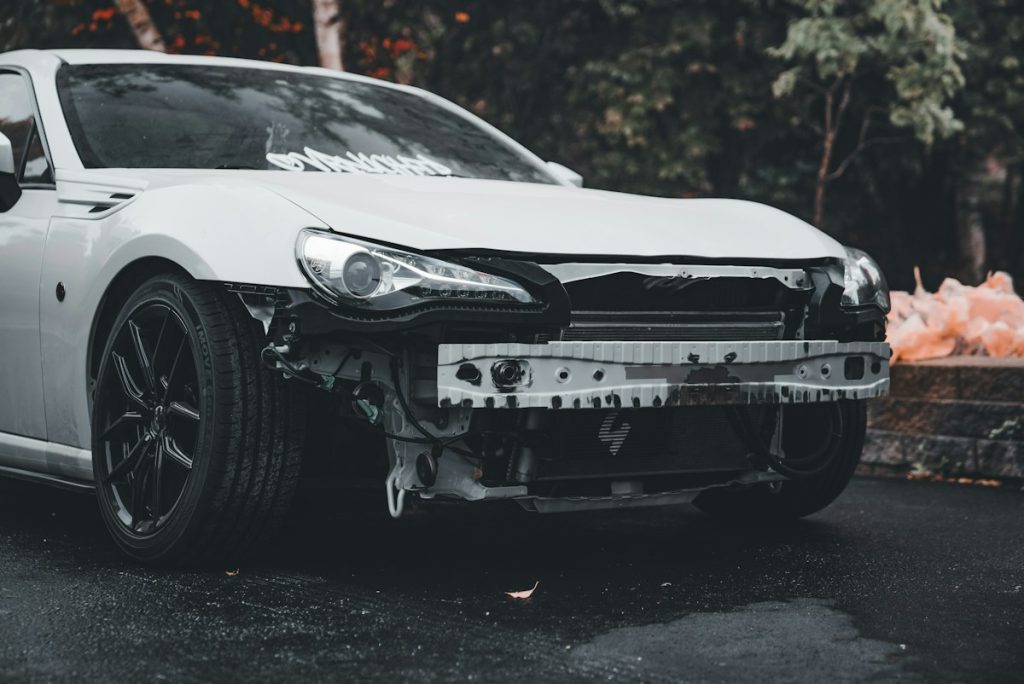
Lock Down the Evidence Before It Disappears
Right-of-way disputes are won with evidence. Collect what you can. We will get the rest.
At the scene, if you can
- Photograph both cars where they stopped, from several angles.
- Photograph the traffic signals, stop signs and lane markings.
- Photograph skid marks and debris.
- Get names and phone numbers of witnesses. Ask them what color the light was.
- Note cameras on stores, homes, buses and poles nearby.
- Get the other driver’s license, plate, insurance and vehicle owner information.
In the next 48 hours
- Write down exactly what happened while it is fresh. Where were you going? What did you see? What color was your light?
- Don’t repair or junk your car until it has been documented.
- Save your dashcam file if you have one. Copy it somewhere safe.
- Call us so preservation letters go out. Many video systems overwrite footage within days.
File the Right Paperwork on Time
Deadlines in a T-bone case are short. Miss one and you can lose benefits.
- DMV report. Drivers must generally file form MV-104 within 10 days if anyone was injured or killed, or if property damage exceeds $1,000.
- No-fault application. Generally due within 30 days. No-fault pays basic economic loss up to $50,000 per person regardless of fault: medical bills, 80% of lost earnings up to $2,000 per month, and up to $25 a day for other reasonable expenses. Motorcyclists are not covered by New York no-fault.
- Notice of Claim. If a city vehicle or public authority vehicle hit you, a Notice of Claim is generally due within 90 days under General Municipal Law §50-e. Lawsuit generally within one year and 90 days.
- SUM and MVAIC notices. If the other driver was uninsured or fled, notify your insurer and, where no other coverage exists, MVAIC as soon as possible. These deadlines are strict.
- Lawsuit. Most personal injury suits must be filed within three years under CPLR 214(5).
Stop Talking to the Other Driver’s Insurer
They will call. They will be friendly. They will ask for a recorded statement. Don’t give one.
In a T-bone crash, one sentence can be turned into a fault argument. “I think the light was turning yellow.” “I didn’t see them coming.” “I was in a bit of a hurry.” Each of those can be used to shift blame to you. You have no obligation to give the other driver’s insurer a recorded statement. Say: “Please contact my attorney.” Then call us.
Also stop posting. No photos of the car. No updates about your injuries. No check-ins. Defense teams read social media.
Understand the Right-of-Way Fight
Almost every T-bone case comes down to one question: who had the right to be in the intersection? Typical scenarios:
- Red light running. One driver enters on red and strikes the side of a car crossing on green.
- Left turn across traffic. A driver turns left in front of oncoming traffic and gets hit broadside, or a turning driver strikes a car already in the intersection.
- Stop sign violations. A driver rolls through a stop sign at a residential corner and broadsides a car on the through street.
- Driveways and parking lots. A driver pulls out of a driveway, gas station or lot into traffic without yielding.
- Service road merges. Drivers cutting across service roads and main lanes on wide boulevards.
Each driver often says their light was green. Without video or independent witnesses, the insurer may call it a “he said, she said” case and offer little. That is why evidence comes first.
Fault can also be shared. Maybe the other driver ran the red light, but the insurer claims you were speeding. New York allows fault to be divided.
2026 update: For motor-vehicle injury actions commenced on or after May 26, 2026, amended CPLR 1411 means a claimant more than 50% at fault recovers nothing. At 50% or less, recovery is reduced by the claimant’s share. The 90/180-day serious injury category was also removed. In a right-of-way dispute, that 50% line is critical. Gather evidence early.
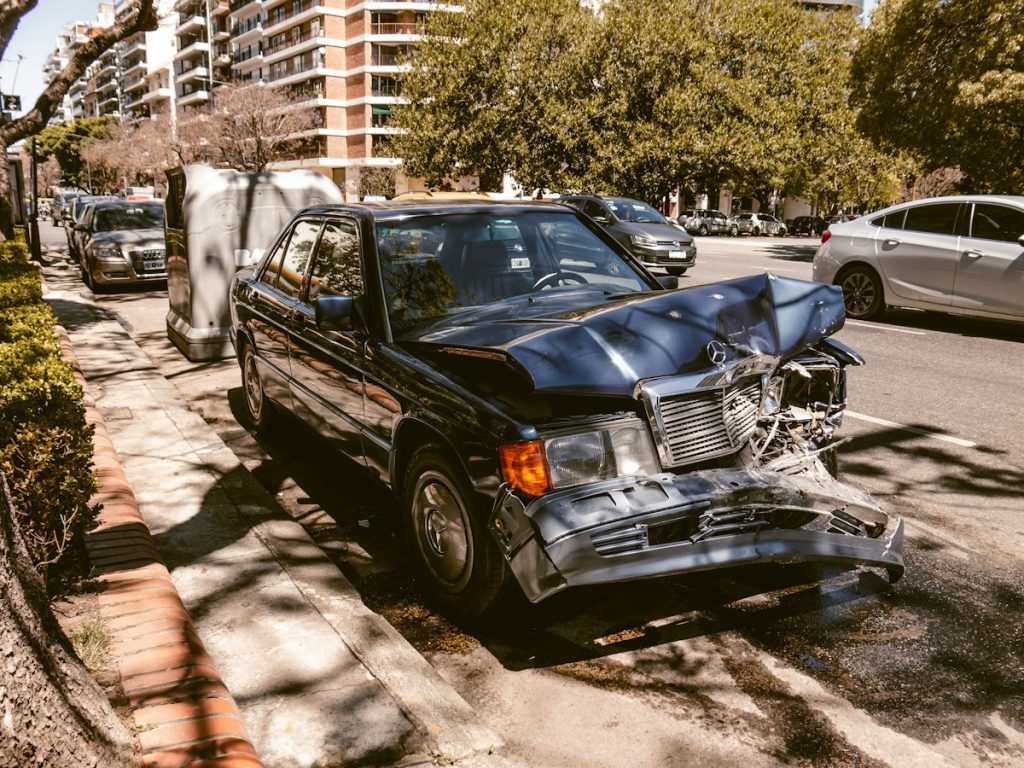
Know What Unlocks Full Compensation
No-fault covers your basic economic losses. It does not cover pain and suffering. To recover for pain and suffering after a car crash in New York, you generally must show a “serious injury” under Insurance Law §5102(d).
T-bone crashes often cause injuries that clearly qualify, such as fractures. Others, like shoulder tears, disc injuries and concussions, require careful documentation. Do these things:
- Attend every appointment.
- Get imaging when your doctor recommends it.
- Ask your doctor to record specific limitations, such as range of motion, in measurable terms.
- Keep a short daily log of pain, sleep and tasks you can’t do.
Economic losses above no-fault, like wages above the $2,000 monthly cap or medical costs past $50,000, can be pursued against the at-fault driver regardless of the threshold.
Look Beyond the Driver Who Hit You
The driver is not always the only one responsible. Check for:
- The vehicle owner. Under VTL §388, an owner can be liable when a permissive driver is negligent.
- An employer. If the driver was working, such as making deliveries or driving a company vehicle, the employer or a contracting company may share responsibility.
- A commercial truck operator. Trucks running lights on wide boulevards can cause devastating side impacts, and commercial policies may apply.
- A city or public authority. If a city vehicle or MTA bus was involved, the 90-day Notice of Claim rule applies.
- Your own SUM coverage. If the at-fault driver’s limits are too low.
Watch These Queens Intersections and Corridors
T-bone crashes cluster where wide roads cross. Queens Boulevard, with its main lanes and service roads, creates complicated crossing movements. Northern Boulevard, Woodhaven Boulevard, Hillside Avenue, Jamaica Avenue, Merrick Boulevard and Francis Lewis Boulevard all have busy signalized intersections with heavy left-turn volumes. Highway ramps along the Van Wyck and the Long Island Expressway feed traffic onto local streets at speed. In southeast Queens near our office, intersections along Merrick Boulevard, Springfield Boulevard, Sunrise Highway and the Conduit Avenue corridor see frequent side-impact crashes. Residential stop-sign corners across the borough are a constant risk too.
Three Queens Landmarks and the Side-Impact Risks Nearby
Steinway & Sons Piano Factory in Astoria
Steinway & Sons has built pianos at its factory in Astoria since the late 1800s. The company helped shape the surrounding area, and its name lives on in Steinway Street. The factory sits in a mixed industrial and residential part of northern Astoria, near the Grand Central Parkway and not far from LaGuardia Airport. Delivery trucks, workers’ cars and through traffic share local streets with stop-sign intersections. Cross-traffic crashes at these corners are common when drivers roll through stops or misjudge gaps. If you’re hit here, note any commercial vehicles and their company markings.
Jamaica Bay Wildlife Refuge
The Jamaica Bay Wildlife Refuge is part of the Gateway National Recreation Area and is managed by the National Park Service. It sits along Cross Bay Boulevard in Broad Channel, with ponds, trails and a visitor center that attract birdwatchers and families. Cross Bay Boulevard is a fast, busy corridor linking Howard Beach to the Rockaway peninsula. Turning into or out of the refuge’s parking area means crossing that traffic. Drivers who misjudge oncoming speed can cause serious side-impact crashes. Take your time turning here.
The Ralph Bunche House in Kew Gardens
The Ralph Bunche House in Kew Gardens was the home of Ralph Bunche, the United Nations diplomat who became the first African American to win the Nobel Peace Prize. The house is a National Historic Landmark on a quiet residential street. Nearby, though, is some of the most complex traffic in the borough: Queens Boulevard, Union Turnpike and the Kew Gardens Interchange, where the Van Wyck, Grand Central Parkway and Jackie Robinson Parkway meet. Drivers leaving the highways and entering local streets at speed create real T-bone risk at Kew Gardens intersections.
Directions to Our Rosedale Office from the Steinway Factory in Astoria
From the Steinway & Sons factory in Astoria, get on the Grand Central Parkway eastbound. Stay on it past LaGuardia Airport and Flushing Meadows Corona Park, then take the Cross Island Parkway south. Follow the Cross Island Parkway to its southern end in Rosedale, near the Belt Parkway, where Cross Island Plaza sits just off the parkway near Brookville Boulevard. Our office is in Suite 325.
Avoid These Six Mistakes After a Side-Impact Crash
We see the same errors again and again. Each one is avoidable. Each one can cost you.
- Apologizing at the scene. “Sorry” is a reflex. In a right-of-way dispute, it can be quoted as an admission. Check on the other driver. Don’t apologize for the crash.
- Guessing about the light. If you aren’t sure what color the light was at the moment of impact, say so. A wrong guess hurts more than an honest “I’m not certain.”
- Skipping the ER because nothing feels broken. Rib fractures, internal bleeding and concussions can feel minor for hours. Get checked.
- Letting the car go too fast. The damage pattern on the doors, pillars and frame shows angle and force. Once the car is crushed at a salvage yard, that evidence is gone.
- Signing forms without reading them. Some insurer authorizations are broader than necessary. Some releases end your claim. Have a lawyer review anything you’re asked to sign.
- Waiting to see how you feel. Deadlines run while you wait. Video gets overwritten while you wait. Call early. Decide later.
None of these mistakes is fatal on its own. Together, they hand the insurer an easy story. Don’t give them one.
Keep Reading, Then Call
Hit in northeast Queens? See our page for a T-bone accident attorney in Bellerose. Want a calmer, family-focused walkthrough of side-impact claims? Read our full guide to T-bone accident claims in Queens. Hit broadside at a ramp or on a high-speed road? Our Queens highway accident lawyer page covers those crashes. Broadsided by a box truck or tractor-trailer? See our truck accident lawyer page for Queens. Quick answers live on our injury FAQ page, and you can check the neighborhoods we serve.
Fast Answers: T-Bone Crash Questions
Both of us say we had the green light. What happens now?
This is the most common T-bone dispute. It gets resolved with evidence: video from businesses, buses or traffic cameras, independent witnesses, signal timing information, and the damage pattern on each car. Your own consistent account matters too. Don’t speculate about the light to anyone but your lawyer. Act quickly, because video often disappears within days.
Can I check if a red light camera caught the crash?
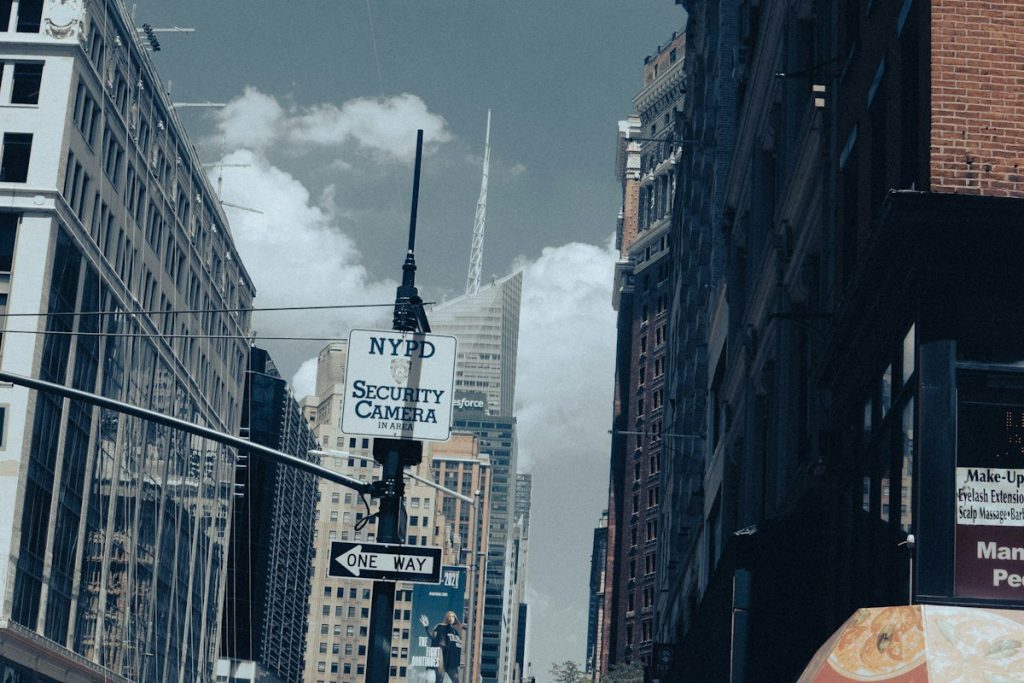
NYC’s red light cameras are designed to photograph violations, and footage or images are not always available or retained in a way that helps an injury claim. It’s still worth asking. A lawyer can pursue available records through proper channels, along with nearby private cameras, which are often the better source. Speed matters either way.
I was turning left when I got hit. Am I automatically at fault?
No. Left-turning drivers generally must yield to oncoming traffic, so insurers often start by blaming the turning driver. But the other driver may have been speeding, running a red, or driving without due care. Fault depends on the facts. A careful investigation can shift or divide fault. Don’t accept blame at the scene or on the phone.
The other driver got a ticket. Does that win my case?
A ticket helps, but it is not the end of the analysis. It shows the officer’s view of the violation. Your claim still needs evidence connecting the violation to the crash and proving your injuries. A guilty plea to the ticket can be stronger evidence. If no ticket was issued, you can still prove fault through other evidence.
What injuries are typical in a side-impact crash?
Common ones include concussions and other head injuries, neck and back injuries, shoulder and hip injuries, rib and pelvic fractures, and internal injuries. The side of the car you were sitting on matters. A near-side occupant usually takes the most direct force. Get checked thoroughly even if you feel okay.
My car was totaled. How is that handled?
Property damage is a separate claim from your injury claim. If your car is a total loss, the at-fault driver’s insurer, or your own collision coverage, generally pays its fair market value before the crash, subject to policy terms. Get your own documentation of the car’s condition and options. Don’t let a quick total-loss settlement pressure you on the injury claim.
I was a passenger in a car that got T-boned. Who do I claim against?
Passengers usually get no-fault benefits through the policy on the car they were riding in. For pain and suffering and losses beyond no-fault, a passenger may claim against whichever driver was at fault, or both if fault is shared. Passengers rarely share blame, which often makes their claims cleaner.
Should I see my own doctor or the insurance company’s doctor?
See your own doctors for treatment. The no-fault insurer may later schedule an independent medical examination with a doctor it chooses. You generally need to attend. Be truthful and consistent. Write down how long the exam lasted and what was done. Your own doctors’ records remain the backbone of your claim.
How much is my T-bone case worth?
No honest lawyer can tell you on day one. Value depends on the severity and permanence of your injuries, your medical costs, lost income, how clear fault is, and available insurance. Anyone promising a number early is guessing. We will give you a realistic assessment once we understand your treatment and the evidence.
How soon should I call a lawyer after a T-bone crash?
Today, if you can. Right-of-way evidence like video disappears fast, and no-fault and other notice deadlines start running immediately. Calling early doesn’t commit you to anything. It gives you information and protects your options.
Call a T-Bone Accident Lawyer in Queens Now
Don’t wait for the insurer to decide what happened at that intersection. A T-bone accident lawyer in Queens can start protecting the evidence today. Call Yakov Mushiyev & Associates, P.C. at 718.775.3110 or contact our office online. We’re at 1 Cross Island Plaza, Suite 325, in Rosedale.
Related reading: T-Bone Accident Lawyer in Queens: a guide for families after a side-impact crash.
General information, not legal advice. Attorney Advertising. Prior results do not guarantee a similar outcome.