
Most dog bite cases in New York are won or lost on a single question: what did the owner know before the bite? The injury may be obvious and the medical bills may be well documented, yet the claim can still fail if there is no proof that the owner was aware of the animal’s dangerous tendencies. For that reason, the work of a Kew Gardens dog bite lawyer is, in large part, the work of an investigator.
What follows is a guide to that investigation. It explains the legal standard, the kinds of evidence that meet it, and the sources our office examines when building an animal bite claim for someone hurt in Kew Gardens, whether on Lefferts Boulevard, along the eastern edge of Forest Park, or inside one of the apartment buildings near Austin Street.
The Legal Standard: Knowledge of “Vicious Propensities”
In Collier v. Zambito (2004), the New York Court of Appeals held that an owner is generally liable for injuries caused by a dog when the owner knew or should have known of the animal’s vicious propensities. The phrase is broader than it sounds. It does not require that the dog have bitten someone before. It covers any tendency to behave in a way that puts others at risk.
Courts have looked at conduct such as:
- earlier bites or attacks, on people or on other animals
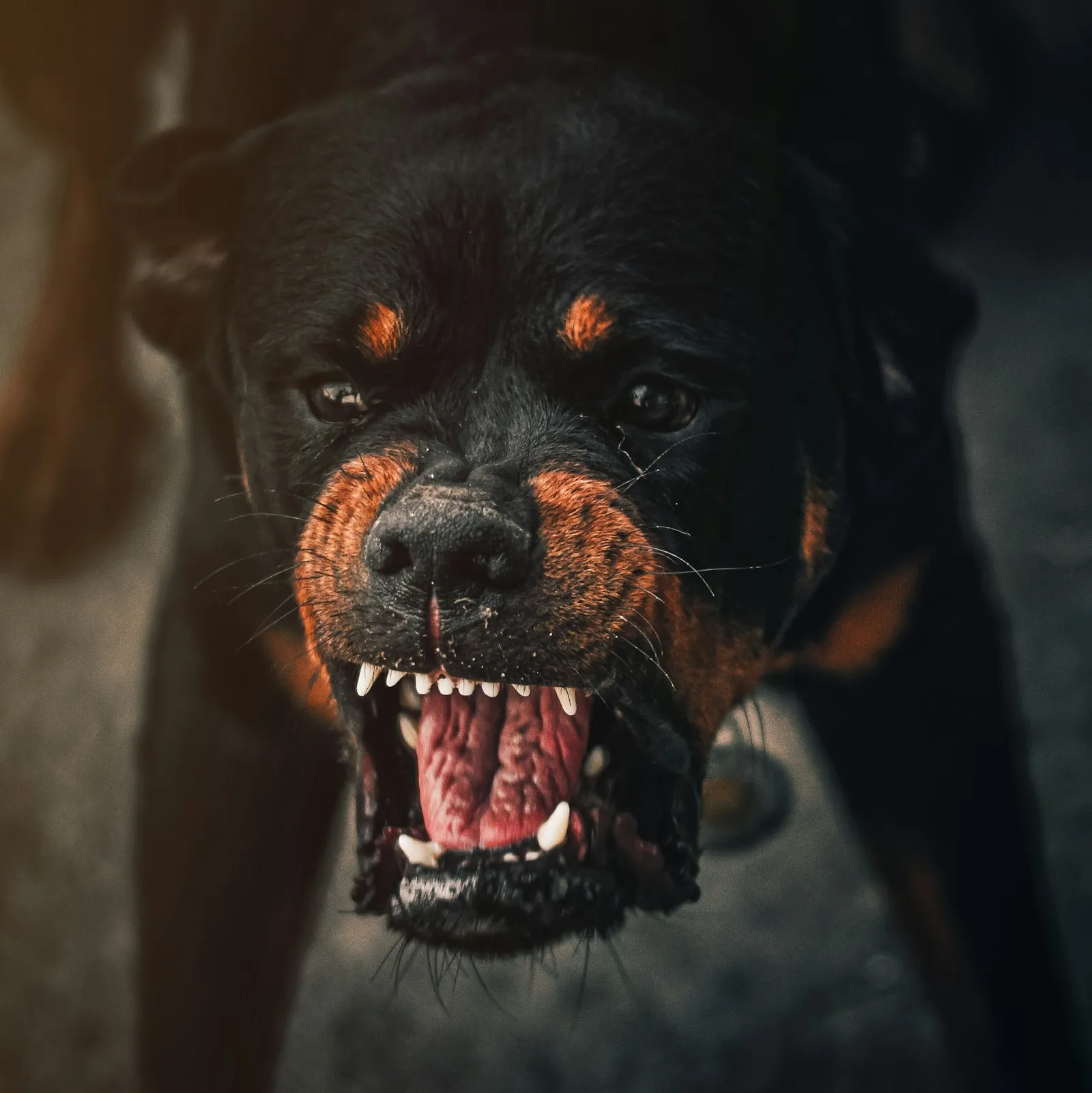
- growling, snapping or baring teeth at passersby
- lunging at people or pulling hard against the leash toward them
- jumping on people in a way that knocks them down or frightens them
- a “Beware of Dog” sign posted by the owner
- keeping the dog chained, confined or muzzled because of its behavior
- complaints from neighbors, tenants or building staff
The practical consequence is plain. The injured person must gather evidence that exists outside the moment of the bite itself, and much of it is held by other people.
Where the Evidence Is Found
1. Neighbors and building staff
In a neighborhood of apartment buildings and closely spaced Tudor homes, people notice dogs. A neighbor may recall that the dog snapped at a child in the hallway. A doorman or superintendent may have been asked to speak with the owner. We interview these witnesses early, while their memories are fresh, and we ask specific questions: when, where, who else was present, and whether the owner was told.
2. Prior complaints to 311 and the building
Complaints about an aggressive or unleashed dog may have been made to the city through 311, or in writing to a landlord, co-op board or management company. Written complaints are valuable because they carry a date and show that someone put the owner, or the building, on notice.
3. Records of earlier bites
New York City requires that animal bites be reported to the Department of Health, and anyone bitten should file a report through the NYC Health animal bite page within 24 hours. Those reports create a record. Where a dog has bitten before, that history can be highly persuasive evidence of the owner’s knowledge.
4. Signs, chains and muzzles
Physical precautions tell their own story. An owner who posts a warning sign, keeps the dog tethered, or muzzles it on walks has often done so for a reason. We photograph the property and ask witnesses how the dog was usually kept.
5. Veterinary, training and shelter records
A veterinarian’s notes may describe a dog as aggressive or difficult to handle. Trainers may have been hired to address biting. A shelter or rescue may have recorded behavioral concerns at the time of adoption. In litigation, these records can be obtained through discovery.
6. Dangerous dog proceedings
If the dog was previously found “dangerous” under Agriculture & Markets Law § 123, the owner is strictly liable for the medical costs of its attacks. Such a finding substantially simplifies that portion of the case.
7. Licensing and compliance
City rules require dogs to be licensed, vaccinated against rabies from four months of age, and kept on a leash no longer than six feet in public, as summarized in the city’s responsible dog owner guide. Failure to follow those rules does not by itself prove knowledge of vicious propensities, but it may be part of the overall picture.
Evidence the Injured Person Can Preserve
An investigation is only as good as its starting material. The person who was bitten is often in the best position to secure it, provided they act quickly.
- Identify the owner. Obtain a name, address and the dog’s rabies vaccination status.
- Photograph everything. Record the wounds on the first day and at intervals as they heal, together with torn clothing and the exact location.
- Collect witness information. A phone number taken on the sidewalk may be impossible to find later.
- Write down what you heard. Statements like “he’s never done that before” or “he’s been nervous lately” can matter.
- Keep medical records. Emergency care, follow-up visits, antibiotics and any rabies shots should all be documented.
Parties Beyond the Owner
Evidence of knowledge may also point to others. A landlord that knew of a tenant’s dangerous dog and had the power to remove it can be held liable. Co-op boards and management companies may be involved when they had notice. A business that keeps a guard dog, or a property owner who allows a dangerous dog on the premises, can also bear responsibility. Our premises liability page discusses property-owner duties more generally.
How the Evidence Translates Into Compensation
Once liability is established, the claim turns to damages: medical bills, future care such as scar revision, lost wages, pain and suffering, and disfigurement. Payment usually comes from the owner’s homeowners or renters insurance. If the defense argues the victim bears some fault, New York’s pure comparative fault rule reduces the recovery proportionally rather than barring it.
For a broader treatment of these principles, see our articles on New York dog bite law as applied in Queens and New York dog bite statutes.
Time Limits That Affect the Investigation
The general deadline to sue is three years under CPLR § 214. For minors, the period is generally tolled until age eighteen under CPLR § 208. Claims involving city property or public housing usually require a notice of claim within ninety days. Evidence, however, does not wait for deadlines: witnesses move, complaint records become harder to locate, and wounds heal before they are photographed.
Retaining Counsel
More than $80 million has been recovered by this firm on behalf of New Yorkers who were hurt. Consultations are free, and we represent dog bite clients on a contingency basis, with no fee unless we win. We work in English, Russian and Spanish and will meet at your home, in the hospital or by video.
To discuss the facts with a dog bite lawyer in Kew Gardens, call 718.775.3110 or submit the details through our contact page. Background on our practice is available on the dog bite practice area page and our Kew Gardens injury lawyer page.
Where the incident occurred in a bordering neighborhood, the relevant pages are those for a dog bite lawyer in Forest Hills, a dog bite lawyer in Briarwood and a dog bite lawyer in Jamaica Hills.

Office Location and Directions
Our office is located at 1 Cross Island Plaza, Suite 325, Rosedale, NY 11422. The embedded map charts the route from Kew Gardens to that address.
Attorney Advertising. The material on this page is provided for general informational purposes and does not constitute legal advice or create an attorney-client relationship.