
Most dog bite claims are not lost in a courtroom. They are weakened, often without anyone noticing, in the first days and weeks after the bite, through choices that seemed sensible at the time. This page identifies the errors we see most frequently, explains why each one causes harm under New York law, and sets out what to do instead.
The setting matters, too. Bayside draws a steady crowd to the restaurants of Bell Boulevard, to Crocheron Park and Fort Totten Park, and to the platform and streets around the Bayside LIRR station. Families and dogs share all of those spaces. A bite in any of them raises the same basic questions, and the same avoidable mistakes.
Mistake one: treating the wound as minor
A bite that stops bleeding quickly can still carry bacteria deep into tissue. People who skip the doctor sometimes return days later with an infection, and by then the insurer has a ready argument that the delay, not the dog, caused the harm.
Instead: seek medical care the same day. Describe the event accurately to the provider so the record reflects a dog bite. Follow the treatment plan and attend follow-up appointments. Puncture wounds, lacerations, nerve or tendon damage, fractures from being knocked down, and possible scarring all need to be documented from the start.
Mistake two: leaving without the owner’s information
In the confusion after an attack, many victims let the owner walk away. On a busy block like Bell Boulevard or in a large park, finding that person later can be difficult.
Instead: if it is safe, obtain the owner’s name and contact details and ask whether the dog is vaccinated against rabies. If the owner leaves, note the dog’s appearance, the direction they went, and anyone nearby who may know them. Where vaccination cannot be confirmed, doctors may recommend rabies shots, which is a further reason the owner’s identity matters.
Mistake three: not reporting the bite
Some people assume reporting is unnecessary or will create trouble for a neighbor. But New York City asks that animal bites be reported to the Health Department within 24 hours, and the report becomes an official record of the date, place and dog involved.
Instead: file through the city’s animal bite reporting page promptly.
Mistake four: photographing only once
A single photo from the emergency room shows a fresh wound. It does not show the infection that developed, the stitches, or the scar that remained. Insurers value claims partly on what they can see.
Instead: photograph the wound on the first day and at regular intervals as it heals. Photograph torn or bloodied clothing, and keep the clothing itself. Photograph the location, including any gate, fence or sign.
Mistake five: assuming there is no case because the dog “never bit before”
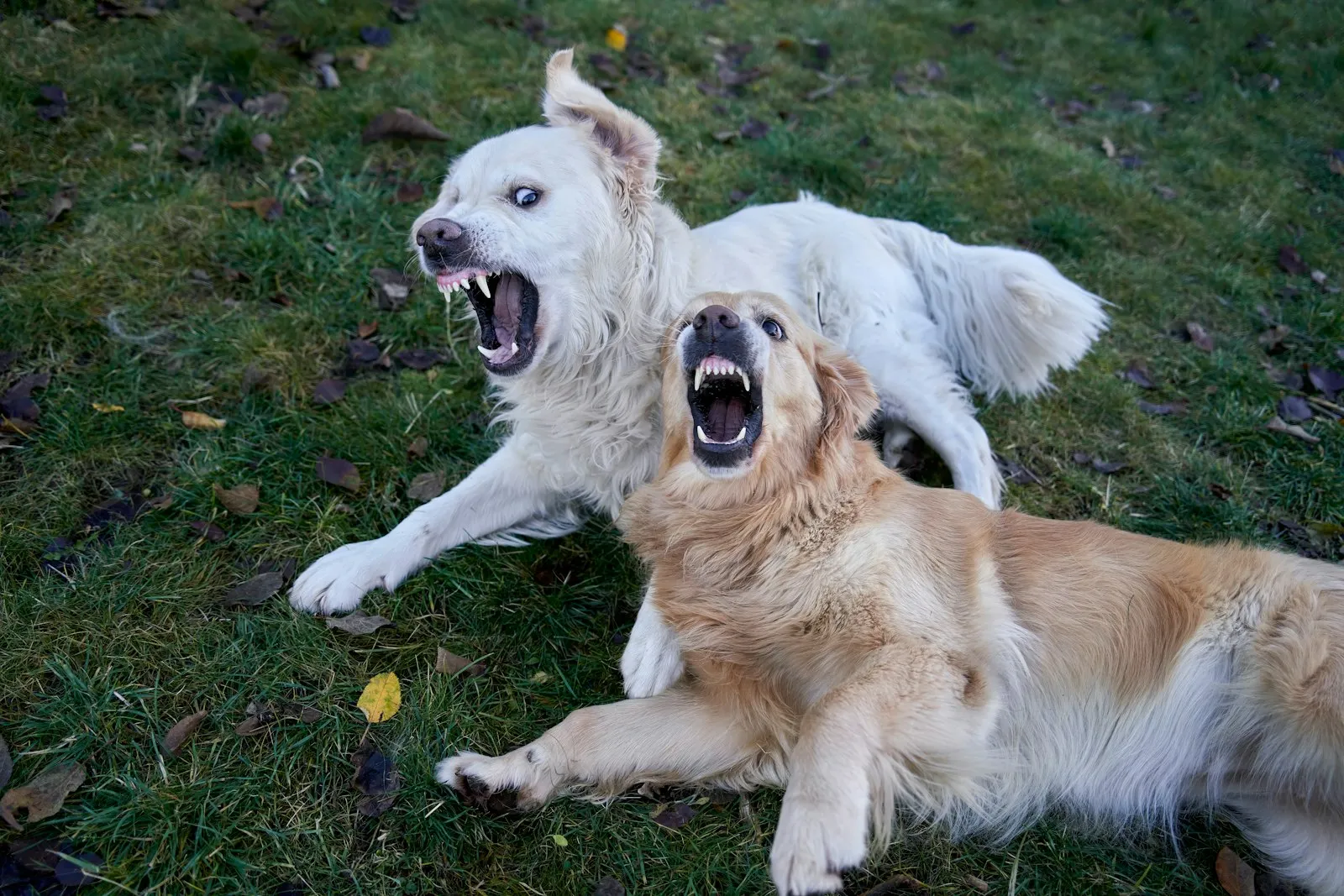
It is true that New York generally requires proof that the owner knew or should have known the dog had “vicious propensities,” a standard the Court of Appeals set out in Collier v. Zambito (2004). But a prior bite is only one form of proof. Growling, snapping, lunging, jumping on people, a “Beware of Dog” sign, keeping the dog chained or muzzled, and complaints can each support the claim.
Instead: write down everything you and others observed about the dog, before and during the attack, and let a lawyer evaluate whether the evidence is sufficient.
Mistake six: giving the insurer a recorded statement
Adjusters for the owner’s homeowners or renters insurer often call soon after a claim is reported. Their questions may seem routine, yet a recorded answer can be used to minimize the injury or suggest the victim was at fault.
Instead: decline a recorded statement until you have spoken with counsel. You are entitled to do so. It is also worth knowing that the insurer, not the neighbor personally, usually pays such claims, which our article on who pays after a dog attack explains further.
Our office and the route from Bayside
Yakov Mushiyev & Associates is at 1 Cross Island Plaza, Suite 325, Rosedale, NY 11422. The map traces the drive from Bayside; home, hospital and video meetings are also available.
Mistake seven: accepting that partial fault means no claim
An owner or insurer may assert that you approached the dog, reached toward it or ignored a warning. Victims sometimes accept that argument and walk away.
Instead: recognize that New York applies pure comparative fault. Any compensation is reduced by your share of fault, but it is not barred. Our guide to comparative negligence discusses how the reduction works.
Mistake eight: overlooking other responsible parties
Victims often focus only on the owner. Yet a landlord that knew of a dog’s vicious propensities and had the power to remove it may be liable. A business can be responsible for a dangerous dog on its property. In buildings with co-op boards or management companies, those parties may also be involved if they knew about the dog. And if a dog was officially found dangerous, Agriculture & Markets Law § 123 makes its owner strictly liable for the medical costs of its attacks.
Instead: let a Bayside dog bite lawyer examine who controlled the property and what each party knew.
Mistake nine: confusing the insurance systems
Some victims submit bills to their own car insurer. Don’t look to no-fault auto benefits; they cover car crashes, not animal attacks. Workers bitten on the job are in a different position again: they generally receive workers’ compensation through the employer and may also hold a separate claim against the dog owner.
Mistake ten: misjudging the deadline
The general limit for a lawsuit is three years under CPLR § 214, and for children it is generally paused until age 18. The more dangerous error concerns public entities. If a claim involves the city or public housing, a notice of claim is usually due within 90 days under General Municipal Law § 50-e. Missing it can be very costly.
Instead: consult a lawyer early, even if you believe you have years to act.
Mistake eleven: settling before the injury is understood
An early offer is tempting, particularly when bills arrive. But scars can require plastic surgery later, and emotional effects, especially in children, may emerge over months. The AVMA notes that about half of dog bite victims are children, which is one reason future care deserves careful attention.
Instead: wait until the medical picture is clear. A complete claim can include medical bills, future care and scar revision, lost wages, pain and suffering, and disfigurement.
Avoiding these errors with counsel

A dog bite lawyer in Bayside can prevent most of these mistakes simply by being involved early. Yakov Mushiyev & Associates has recovered over $80 million for injured New Yorkers, and consultations are free, with no fee unless we win. Russian- and Spanish-speaking clients are served in their own language, as are English speakers.
The prudent course is a short conversation now: telephone 718.775.3110 or write to us through the contact page. Additional material appears on our dog bite practice page, our Bayside injury lawyer page, and in our summary of New York dog bite laws.
Residents of neighboring communities are served as well. Separate pages address the needs of those seeking a dog bite lawyer in Bay Terrace, a dog bite lawyer in Oakland Gardens, a dog bite lawyer in Auburndale, or a dog bite lawyer in Little Neck.
Attorney Advertising. The foregoing is general information about common errors after a dog bite in New York and should not be relied on as legal advice for any individual matter.