
Out in Arverne, an e-bike makes a lot of sense. The ocean breeze is right there, the boardwalk stretches along the beach, and Rockaway Beach Boulevard gets you most places you need to go. But when a ride ends in a crash, the first question anyone asks is usually “Were you following the rules?” It’s worth knowing what those rules actually are, and why they matter to your claim.
So we’ll start with the rules themselves, the state ones and the city ones, and then look at how following them, or slipping on one, can shape who pays and how much. If you’d prefer to just talk, Yakov Mushiyev & Associates picks up at 718.775.3110.
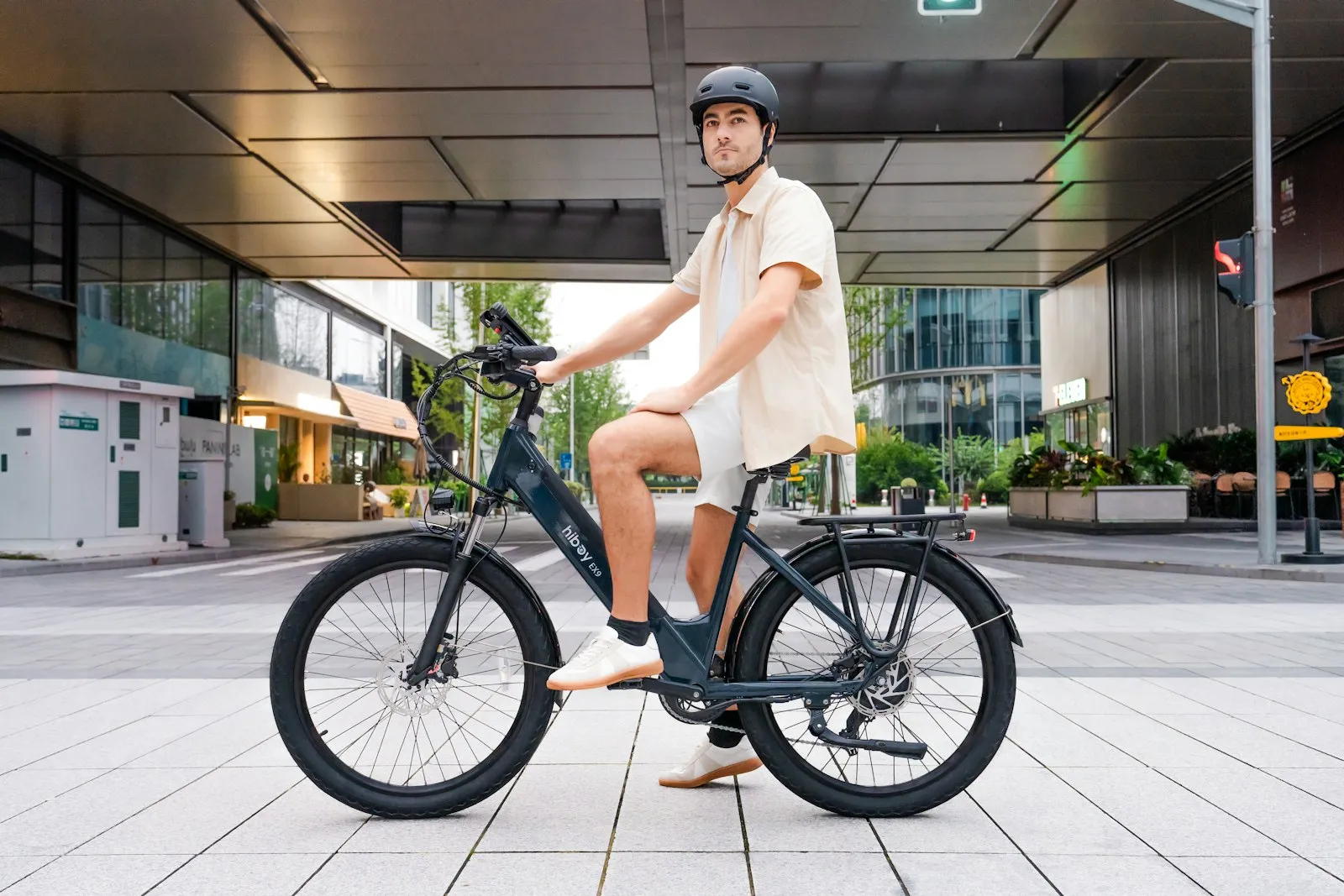
Part One: The Rules You Ride Under
Which class is your e-bike?
New York sorts e-bikes into three classes under Vehicle and Traffic Law § 102-c:
| Class | How the motor works | Top assisted speed |
|---|---|---|
| Class 1 | Pedal-assist only | 20 mph |
| Class 2 | Throttle | 20 mph |
| Class 3 | Assisted, higher speed | 25 mph, allowed only in a city of 1 million or more, meaning NYC |
If your machine is throttle-only and faster than these classes, it may be classified differently, more like a moped. Our page on moped and scooter accident claims explains what that changes.
State rules
Under VTL § 1242, no one under 16 may operate an e-bike. Generally, you may ride on roads where the posted limit is 30 mph or lower. Sidewalks are off-limits unless local law allows them, and cities can add rules of their own.
City rules
New York City adds a few more, listed on the NYC DOT e-bike page:
- No faster than 15 mph on any city street, whatever your bike’s class.
- A helmet is mandatory if you ride a Class 3 bike or ride as part of your job.
- You have to be 16 or older to ride.
- No riding on sidewalks.
- Your place is in the bike lane or on the street.
Why an e-bike isn’t a “car” in the eyes of the law
VTL § 125 excludes bicycles with electric assist from the definition of motor vehicle. That single line explains a lot about how insurance works for you, as you’ll see below.
Part Two: What the Rules Mean for Your Claim
If you followed them
Say you were riding at a steady pace on Rockaway Beach Boulevard, wearing your helmet, and a driver turned into you near Beach 73rd Street. Your compliance makes the driver’s carelessness stand out. The car’s no-fault insurance generally pays your medical bills and part of your lost wages, because you count as a non-occupant under Insurance Law § 5103. That claim form typically has to go in within a month. For pain and suffering, New York generally requires a “serious injury,” such as a fracture or a significant limitation of use.
If you broke one
Maybe you were over 15 mph, or you’d left your helmet at home. That doesn’t mean you have no case. The state follows a pure comparative fault rule, set out in CPLR § 1411. Your share of fault may reduce what you recover, but it doesn’t bar you from recovering. A driver who ran a stop sign is still responsible for their part. Our guide to comparative negligence walks through examples.
If an e-bike rider hit you on foot
Perhaps you were walking near Arverne by the Sea when a rider came up onto the sidewalk. Since e-bikes aren’t motor vehicles, no-fault generally doesn’t cover the bike. Your claim would run against the rider, and depending on the facts, possibly their homeowners or renters insurance (policies vary) or a business responsible for them. We can’t promise a payer, but we can look for one. More is on our pedestrian accident page.
If the road or the bike broke the rules
Sometimes nobody on the street is at fault. A crumbling roadway or a damaged bike lane can support a claim against the city, but you’ll generally need to serve a notice of claim within 90 days. And if your brakes failed or your battery caught fire, NYC’s Local Law 39 of 2023, which requires e-bikes sold, leased or rented in the city to meet UL 2849 and batteries UL 2271, may help support a product liability claim against the maker or seller. Please keep the bike as it is.
If you were working
Employees generally receive workers’ compensation. If you ride through an app, you may be treated as an independent contractor, and that shapes which benefits you can reach. A separate claim against a negligent driver may exist too. Our work injury team can explain.
Keeping Your Claim Strong
Whatever happened, a few habits help: take photos, get the police report number, collect witness contacts, and ask nearby buildings or buses for video quickly. Keep your helmet and bike. Hold on to delivery app trip data. And remember the general three-year deadline to file suit under CPLR § 214.
Help From Yakov Mushiyev & Associates
We’ve recovered over $80 million for injured New Yorkers. Your consultation is free, and there’s no fee unless we win. We speak English, Russian and Spanish, and we’ll meet you at home, at the hospital or by video. If you’re looking for an e-bike accident lawyer Arverne neighbors can reach easily, we’d be glad to help you sort out how these rules fit your crash. You’ll find more on our e-bike and scooter practice and our Queens accident lawyer page.
Other Rockaway riders can visit our pages for an e-bike accident lawyer in Rockaway Beach, an e-bike accident lawyer in Far Rockaway, and an e-bike accident lawyer in Broad Channel.
Coming in from the peninsula? We’re at 1 Cross Island Plaza, Suite 325, Rosedale, NY 11422, and the map shows your route from Arverne.
Not sure which rule applies to your crash? You don’t need to figure that out alone. Call 718.775.3110 or fill out our short contact form, and an electric bike accident lawyer will look at what happened with you. An e-bike accident attorney can tell you in one conversation whether the rules help or hurt your case. There’s no cost to hear from an Arverne e-bike accident lawyer.
This explainer of e-bike rules is general information only and should not be read as legal advice for any specific Arverne crash. Attorney Advertising.