
Ridgewood runs on a particular rhythm: the M train rattling overhead, the Q55 inching down Myrtle Avenue, delivery bikes slipping between double-parked vans, and a steady stream of yellow cabs, green Boro Taxis and app-booked rides dropping people at the curb. Most of those trips end with nothing more dramatic than a tip. When one ends in a crash, though, the paperwork, the insurance calls and the injuries can take over your life fast. If you were hurt in or by a taxi in Ridgewood, a taxi accident lawyer in Ridgewood can help you sort out who pays, which deadlines apply and what the 2026 changes to New York law mean for your claim.
Yakov Mushiyev & Associates, P.C. represents passengers, pedestrians, cyclists and other drivers hurt in taxi, Boro Taxi, Uber, Lyft and limousine crashes across Queens. We meet clients in English, Russian and Spanish, and we can come to your home, your hospital room or your screen. There is no fee unless we win. If you would rather skip the reading and just talk, call 718.775.3110. Phone intake runs 24/7.
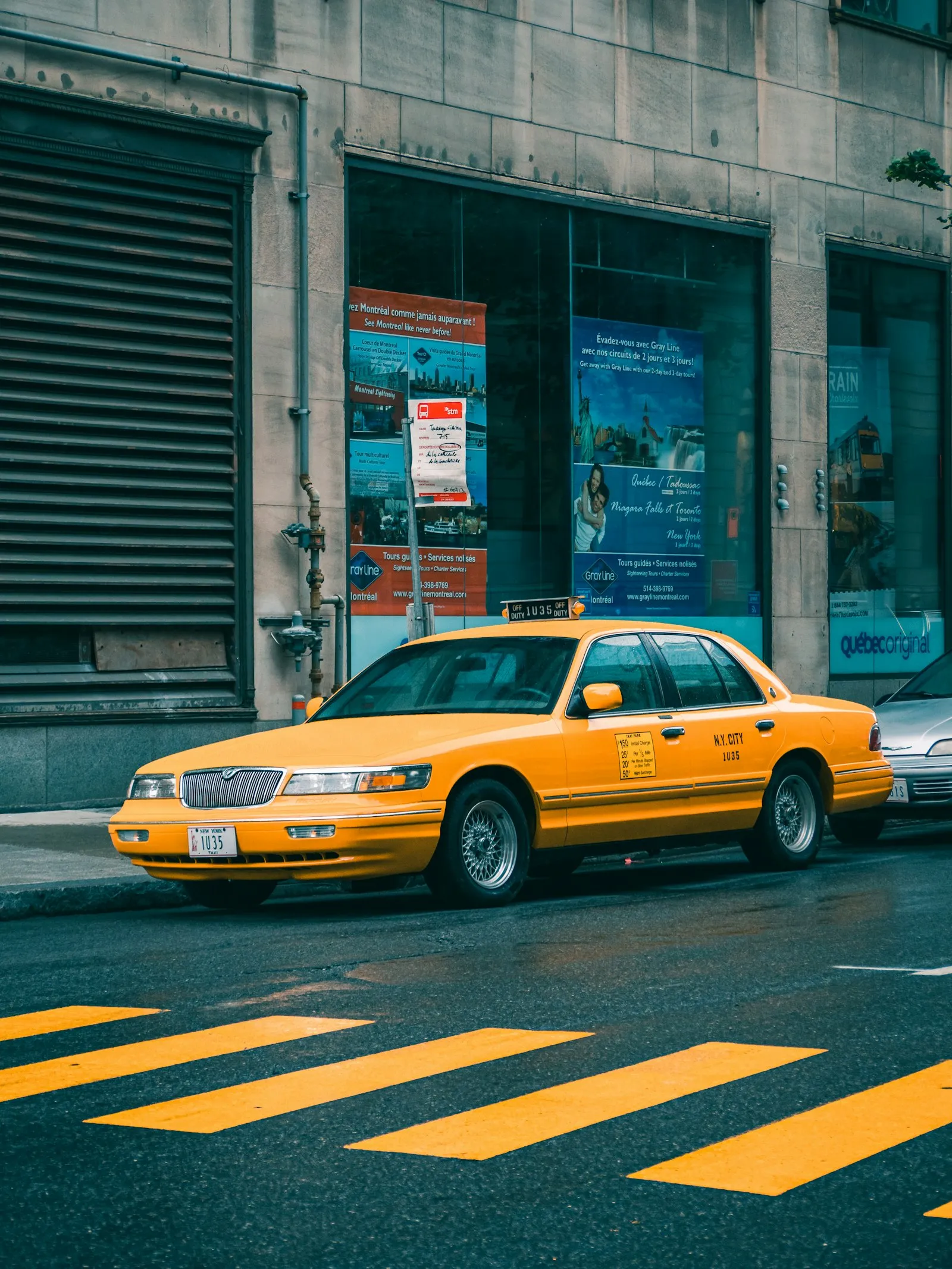
Elevated Trains, Narrow Streets and a Lot of Curbside Stops
Ridgewood is not a highway neighborhood. It is a grid of brick row houses, corner stores and busy commercial strips, and that shapes how taxi crashes happen here. Speeds are usually lower than on an expressway, but the number of conflict points is high: a cab pulling over for a fare, a door swinging open into a bike lane, a pedestrian stepping out between parked cars to catch a bus.
A few patterns come up again and again on streets like these:
- Sudden curbside stops. Taxi and for-hire drivers often stop wherever the passenger points, which on Myrtle Avenue or Fresh Pond Road can mean mid-block, in a bus stop or in a travel lane.
- Dooring. A passenger who opens a rear door without looking can knock a cyclist or scooter rider to the pavement.
- Turns across crosswalks. Drivers hunting for an address or glancing at a navigation app may turn into a crosswalk where people have the light.
- Shadows under the el. Streets running beneath or beside elevated track can have columns, uneven lighting and tight sight lines that make it harder to see a person stepping off the curb.
- The border shuffle. Ridgewood shares a long edge with Bushwick in Brooklyn, so plenty of trips cross the borough line on Wyckoff Avenue, Myrtle Avenue and Flushing Avenue. That can affect which police precinct writes the report.
None of these patterns decides who is at fault in your case. Fault depends on what actually happened, and proving it usually takes photos, video, witness names and the police report. But knowing the common setups helps us ask the right questions early, before camera footage gets recorded over.
Who Pays After a Ridgewood Taxi Crash? A Plain-English Map
New York is a no-fault state. In practice that means your first source of money for medical bills and lost wages is usually Personal Injury Protection, or PIP, which pays basic economic loss regardless of who caused the crash under Insurance Law § 5102. The statewide minimum is $50,000 per person. Vehicles licensed by the NYC Taxi & Limousine Commission (yellow cabs, green Boro Taxis, for-hire vehicles including Uber and Lyft cars, and limos) must carry $100,000 in PIP per person. That figure was reduced effective March 1, 2026, so older articles you find online may be out of date.
| If you were… | No-fault (PIP) usually comes from… | A claim beyond no-fault may be possible against… |
|---|---|---|
| A passenger in the taxi or rideshare | The vehicle you were riding in | Whichever driver (or drivers) caused the crash, if you meet the serious injury threshold |
| A pedestrian hit by a cab | The vehicle that struck you | The taxi driver and owner, if fault and serious injury can be shown |
| A cyclist hit or doored | The vehicle that struck you | The driver, owner and in some cases the passenger who opened the door |
| A driver of another car | Generally your own policy | The taxi driver and owner if the cab caused the crash |
Beyond no-fault, a yellow medallion taxi must carry liability coverage of at least $100,000 per person and $300,000 per occurrence. Other vehicles involved may have their own policies. Sorting out which policies apply, and in what order, is one of the first things we do. The New York State Department of Financial Services also publishes consumer information on auto insurance if you want to read up on the basics.
What 2026 Changed, Minus the Legalese
The 2026 state budget rewrote several rules for motor-vehicle injury cases. If you were hurt in a cab on Fresh Pond Road last year and have not filed yet, these changes can still apply to you, because they turn on when the lawsuit is filed rather than when the crash happened.
The serious injury list got shorter
To sue for pain and suffering after a car or taxi crash, you generally must show a “serious injury” under Insurance Law § 5102(d). The 2026 budget removed one category from that list. There are now eight: death; dismemberment; significant disfigurement; a fracture; loss of a fetus; permanent loss of use of a body organ, member, function or system; permanent consequential limitation of use of a body organ or member; and significant limitation of use of a body function or system. Medical documentation matters more than ever.
Fault now has a tipping point
Under the new CPLR 1411(b), in motor-vehicle injury actions commenced on or after May 26, 2026, a claimant whose share of fault is greater than the defendant’s (or the defendants’ combined) recovers nothing. If your share is 50% or less, your recovery is reduced in proportion. And under Insurance Law § 5104, the jury or judge decides fault before deciding whether the injury is serious.
A narrow cap for certain at-fault drivers
A new $100,000 cap on non-economic damages applies to an at-fault claimant who was driving uninsured (with a short exception for lapses under 30 days), was convicted of impaired driving, or was convicted of a felony committed while driving. It does not cap economic damages, other people’s claims or wrongful death. For most taxi passengers and pedestrians, it simply will not come up.
Under the 2026 rules, the fight over who caused the crash happens first. A case that looks open-and-shut on the sidewalk can look very different once the other side starts assigning blame. Evidence gathered in the first days is what keeps your share of fault where it belongs.
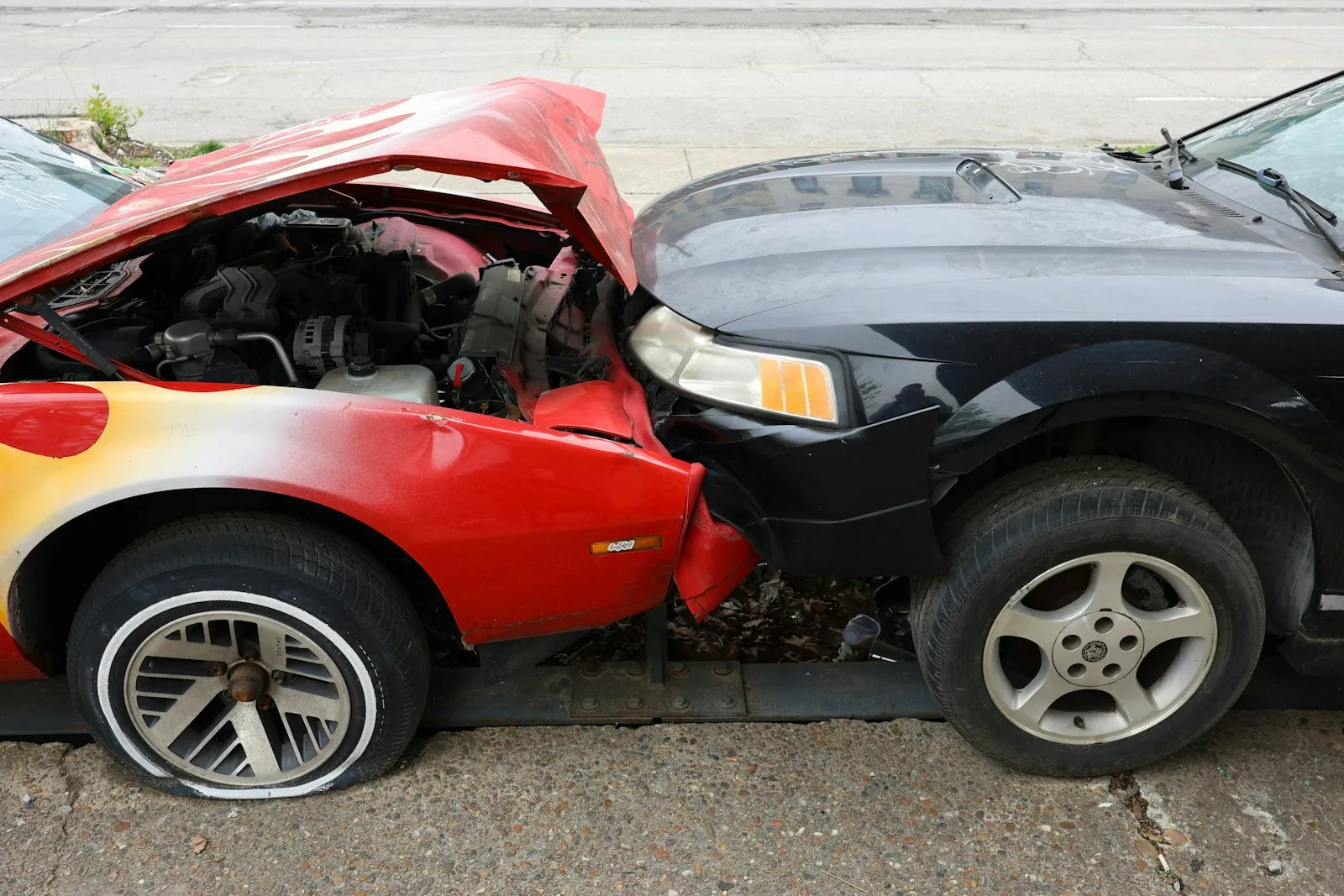
The Clock Starts at the Curb: Deadlines Worth Circling
Taxi claims have a stack of deadlines, and the short ones are the ones that trip people up. Here they are in the order they usually come due:
- 30 days: the deadline to file a written application for no-fault benefits. Miss it and the insurer may deny PIP entirely.
- 90 days: the deadline to serve a notice of claim if a New York City or MTA vehicle was involved, such as an MTA bus on Myrtle Avenue or a city-owned vehicle.
- 2 years: the deadline for a wrongful death action, which in New York still allows pecuniary damages only.
- 3 years: the general deadline to file a personal injury lawsuit under CPLR 214(5).
You should also file a police report and, where required, a report with the New York State DMV. Three years sounds like a long time until you spend the first year in physical therapy.
Myrtle Avenue, the Onderdonk House and Ridgewood Reservoir
Ask a local where people actually go in Ridgewood and you will likely get three answers: shopping on Myrtle, a bit of history at the Onderdonk House, and a walk around the Ridgewood Reservoir. Each one draws a different kind of taxi traffic.
The Myrtle Avenue shopping district
Myrtle Avenue is Ridgewood’s main commercial street, lined with clothing shops, bakeries, pharmacies, restaurants and banks. It is where people run errands, meet friends and, on weekends, linger. The western end meets Wyckoff Avenue at the Myrtle–Wyckoff Avenues station, where the L and M trains connect, so a lot of trips start or end right there. Cabs and app-based cars pull over constantly to drop off shoppers with bags and parents with strollers, often alongside buses and delivery trucks. Expect pedestrians crossing mid-block, cars backing out of tight spots, and doors opening into traffic.
The Vander Ende–Onderdonk House
On Flushing Avenue near the Brooklyn line sits the Vander Ende–Onderdonk House, a Dutch colonial stone farmhouse that is one of the oldest buildings in New York City. It is now a museum and community space run by the Greater Ridgewood Historical Society, and it hosts tours and events. The surrounding blocks are more industrial than residential, with trucks, warehouses and wide turns. Visitors arriving by cab are often dropped on Flushing Avenue itself, where truck traffic and limited curb space make getting in and out of a car a little more nerve-racking than it should be.
Ridgewood Reservoir
The Ridgewood Reservoir, inside Highland Park on the Brooklyn–Queens border, is a former water supply reservoir whose basins have grown into woodland and wetland. A paved path loops around it, popular with walkers, runners and birders. Many visitors come by car or for-hire vehicle and get dropped near the Highland Park entrances, close to the Jackie Robinson Parkway, where drivers are merging, turning and looking for a spot to pull over. Joggers crossing to the park and cars making quick drop-offs are a recipe for close calls.

How a Ridgewood Taxi Claim Actually Moves
Every case is different, but most follow a recognizable path. Here is what working with us typically looks like, from the first phone call on:
- Free case review. We listen, ask about the crash and your injuries, and tell you honestly whether we think we can help.
- No-fault paperwork, fast. We help get the PIP application in within the 30-day window so medical bills and lost wages start moving.
- Evidence hunt. We request the police report, identify the TLC vehicle and its insurer, and look for video from storefronts, buses and dashboard cameras before it disappears.
- Medical picture. We gather records and work with your doctors so the file clearly shows how your injury fits New York’s serious injury categories.
- Negotiation. We present the claim to the insurers and push for a fair settlement.
- Litigation if needed. If the insurers will not be reasonable, we file suit, typically in Queens County Supreme Court, and keep pushing.
Why People in Ridgewood Pick Up the Phone and Call Us
- We focus on injury cases. Car, taxi and rideshare crashes are core work for our firm. You can read more on our car accident practice page.
- We speak your language. Consultations are available in English, Russian and Spanish.
- We come to you. Home, hospital and video visits are available, which matters when you can barely get down the stairs of a Ridgewood walk-up.
- No fee unless we win. You do not pay attorney fees out of pocket to get started.
- We are a Queens firm. Our office is in Rosedale, and we handle cases throughout the borough, including our Ridgewood accident practice and nearby Glendale taxi accident cases.
Curious about how cases like these have been resolved? Our settlements page lists past outcomes, with the reminder that every case turns on its own facts. For a deeper dive into what to do right after a crash, read our article on the first 72 hours after a taxi accident in Ridgewood.
Taxi Accident FAQs
I was a passenger. Whose insurance covers my medical bills?
Generally, a passenger claims no-fault benefits from the vehicle they were riding in. For a TLC-licensed taxi or for-hire car, that PIP coverage must be at least $100,000 per person as of March 1, 2026.
A cab hit me while I was crossing Myrtle Avenue. Where do I start?
Pedestrians generally claim no-fault benefits from the vehicle that struck them. Get the application filed within 30 days, get medical care and keep every record. If your injury qualifies as serious, you may also have a claim against the driver and owner.
Does it matter whether it was a yellow cab, a Boro Taxi or an Uber?
All of them are TLC-licensed vehicles subject to the TLC’s insurance rules, so the no-fault starting point is similar. The specific policies, owners and companies involved differ, which affects who we notify and who we pursue.
What if the other side says I was partly to blame?
For motor-vehicle lawsuits filed on or after May 26, 2026, if your fault is greater than the defendants’ you recover nothing; if it is 50% or less, your award is reduced by your share. That is why evidence on fault matters so much.
My crash happened before May 26, 2026. Do the new rules apply?
They can. According to the state’s guidance, the new rules apply to lawsuits filed on or after May 26, 2026, regardless of when the accident happened.
What counts as a “serious injury” now?
The list has eight categories, including fractures, significant disfigurement, permanent consequential limitation of use of a body organ or member, and significant limitation of use of a body function or system. Your doctors’ records are the key evidence.
How long do I have to file a lawsuit?
Generally three years for personal injury and two years for wrongful death. If an MTA or city vehicle was involved, a notice of claim is due within 90 days. More general answers are on our FAQ page.
About Ridgewood: Local FAQs
Which subway lines serve Ridgewood?
The M train runs through the neighborhood with stops at Seneca Avenue, Forest Avenue and Fresh Pond Road, and the L and M meet at Myrtle–Wyckoff Avenues on the Brooklyn border.
What are the main streets to know?
Myrtle Avenue, Fresh Pond Road, Metropolitan Avenue, Forest Avenue, Wyckoff Avenue and Flushing Avenue carry much of the neighborhood’s car, bus and taxi traffic.
What neighborhoods border Ridgewood?
Ridgewood borders Bushwick in Brooklyn to the west, Maspeth to the north, Middle Village to the east and Glendale to the southeast.
What ZIP code and police precinct cover Ridgewood?
Ridgewood uses ZIP code 11385, which it shares with Glendale. The NYPD’s 104th Precinct covers the neighborhood, so that is usually where a crash report on the Queens side is filed.
Where is the nearest hospital?
Wyckoff Heights Medical Center sits just across the border in Bushwick and is the closest major hospital for much of Ridgewood. In an emergency, call 911 and go where the ambulance crew takes you.
Which court would hear a Ridgewood taxi injury case?
Ridgewood is in Queens County, so a lawsuit filed in Queens would generally go to Queens County Supreme Court in Jamaica. The New York State Unified Court System has information on court locations.
Any parking and traffic tips?
Street parking near the Myrtle Avenue shopping district fills up fast, especially on weekends. Leave extra time, watch for buses pulling out, and give cyclists room before opening a door.

Get a Free Case Review From a Ridgewood Taxi Accident Lawyer
The insurance company already has people working on its side of your crash. You deserve someone on yours. Call Yakov Mushiyev & Associates, P.C. at 718.775.3110 any time, day or night, or send us a message online. Our office is at 1 Cross Island Plaza, Suite 325, Rosedale, NY 11422, and we are happy to come to you in Ridgewood. Office hours are Monday through Friday, 9 to 6, with phone intake 24/7.
Attorney Advertising. This is general information about New York law, not legal advice, and reading it does not create an attorney-client relationship. Laws change, and every case depends on its own facts. Prior results do not guarantee a similar outcome.