
E-bike cases are won or lost on proof. Two people may describe the same collision at Utopia Parkway and Union Turnpike in completely different ways, and an insurer will side with whichever version the evidence supports. The problem is that much of the best evidence disappears within days. This guide comes from Yakov Mushiyev & Associates, which serves as an e-bike accident lawyer in Utopia and throughout Queens. It identifies the categories of proof that tend to decide e-bike claims, explains how each one is preserved, and closes with the legal principles that evidence is ultimately measured against.
1. Video Footage
Video is the single most persuasive form of evidence in a traffic case because it removes the dispute over who did what. In a neighborhood like Utopia, possible sources include storefront cameras along Union Turnpike, doorbell cameras on residential blocks, MTA buses that passed the scene, and cameras on buildings in the streets near St. John’s University.
How to preserve it: Most private systems record over themselves on a rolling basis, sometimes within a few days. Write down every camera you notice and ask the owner right away. An e-bike accident attorney can send a formal preservation letter to businesses and agencies so the footage is not deleted while the claim develops.
2. Delivery App and Phone Data
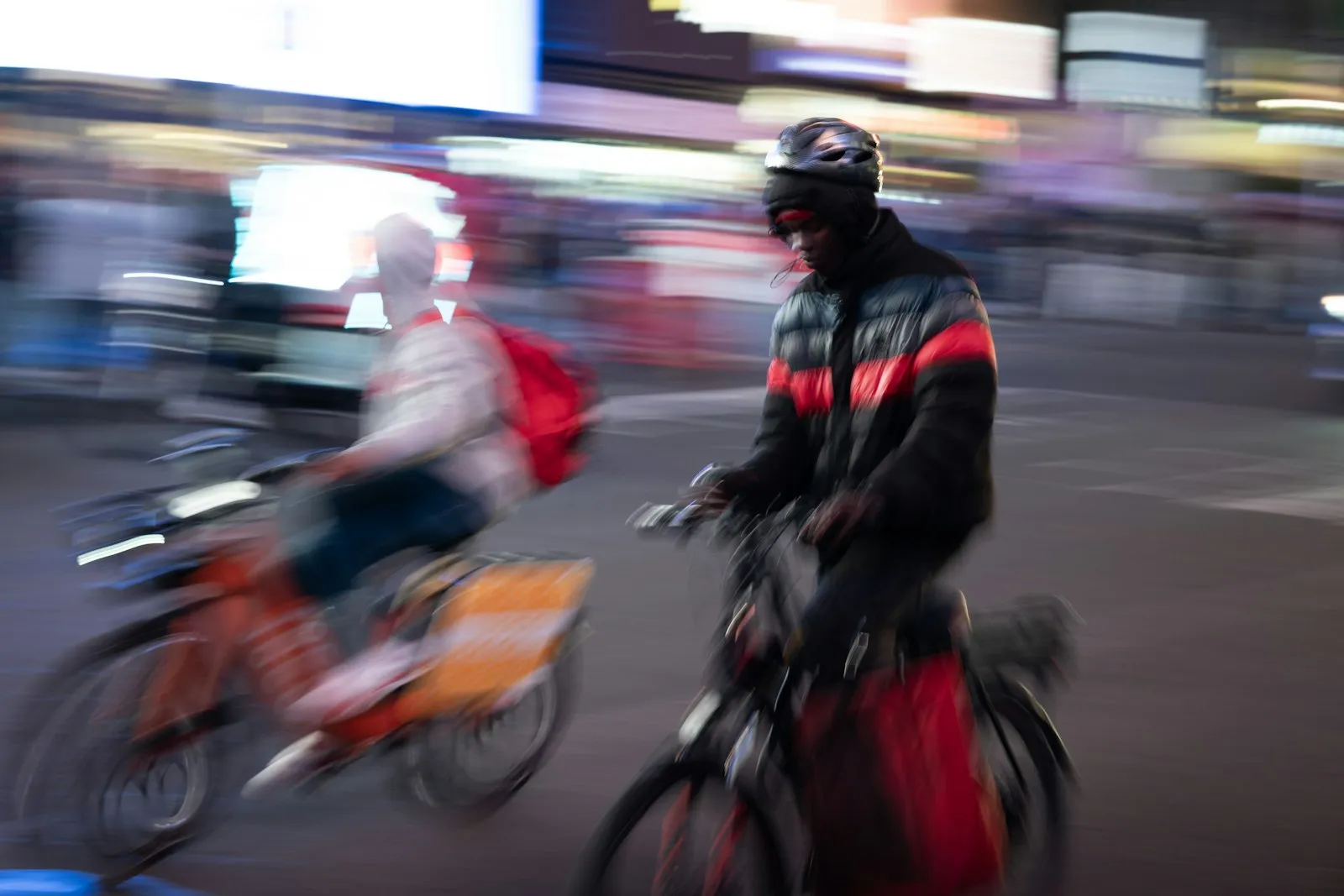
Riders working for delivery platforms generate a detailed digital trail: GPS location, speed, route, order timestamps and the moment the trip ended. That data can confirm where the rider was, how fast the bike was moving, and whether the rider was on the job, which matters for workers’ compensation questions under the Workers’ Compensation Board’s rules for workers. Our work injury practice addresses how classification as an employee or contractor affects benefits.
How to preserve it: Take screenshots of the trip history in the app the same day. Do not delete the app or reset the phone. Formal requests to the company can follow later, but your own records are the backstop.
3. The Bike, the Battery and the Helmet
The physical equipment tells its own story. Scrapes and dents show the point of impact. A bent fork suggests a frontal strike; damage to the rear wheel suggests the rider was hit from behind. If the crash involved a brake failure or a battery fire, the bike itself may be the central exhibit in a product liability claim against the maker or seller. New York City requires e-bikes sold, leased or rented in the city to meet UL 2849, and batteries to meet UL 2271, as described in the city’s announcement on Local Law 39 of 2023.
How to preserve it: Do not repair, sell or discard the bike. Store it somewhere safe, following FDNY lithium-ion battery safety guidance if the battery was damaged. Keep the helmet as well, even if it is cracked.
4. Eyewitness Accounts and Police Records
Independent witnesses carry weight because they have no stake in the outcome. A pedestrian waiting at a bus stop or a driver stopped at the light can confirm the signal phase, the speed of the car, or a sudden turn. The police report ties the parties, vehicles and insurers together.
How to preserve it: If you are able, ask witnesses at the scene for their names and numbers. Write down the police report number. Where officers did not respond, a report can often still be filed afterward. Aggregate crash information is also published through NYC Open Data’s collision records, though it is no substitute for the report itself.
5. Scene Photographs
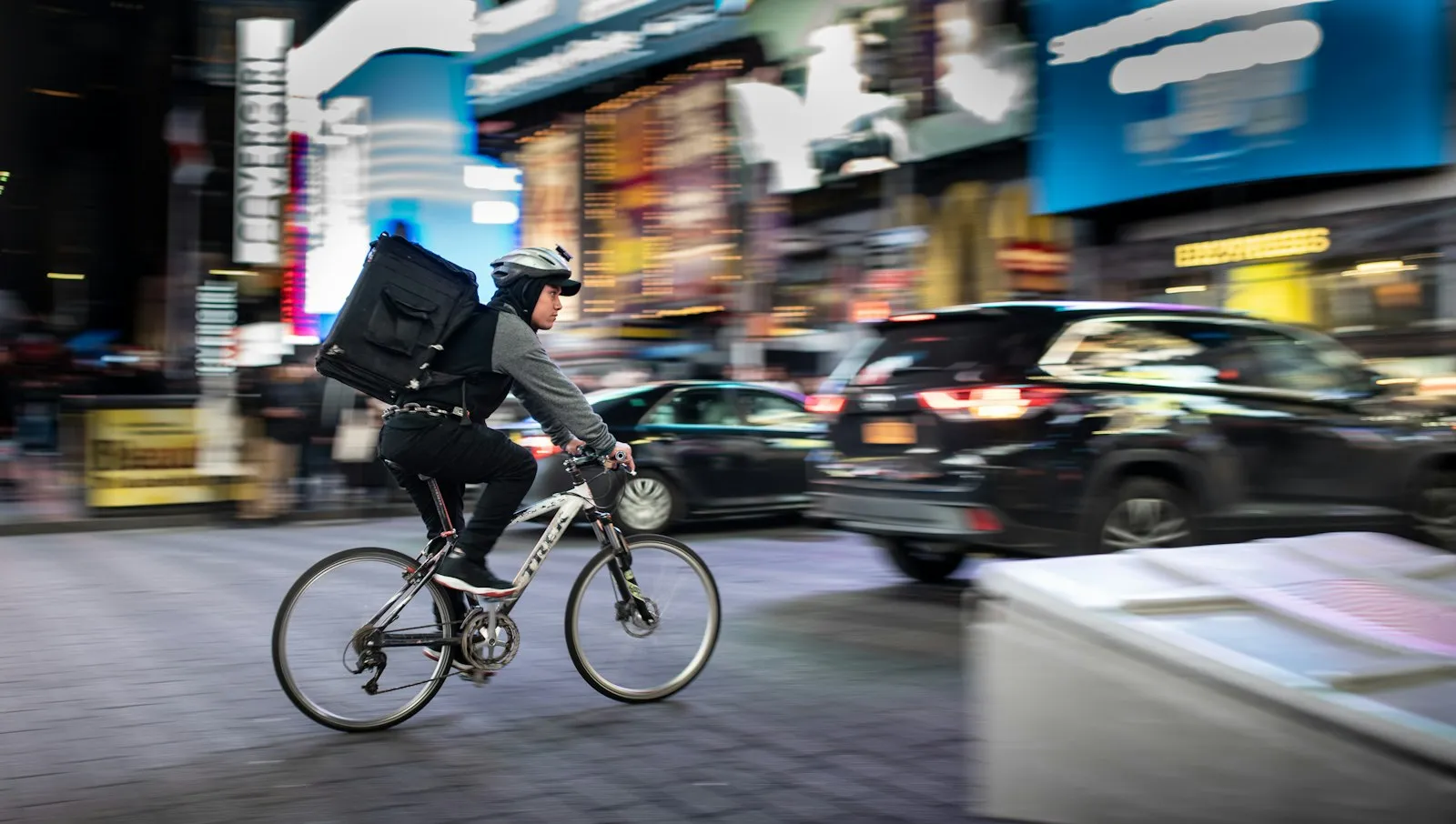
Photos of the intersection, skid marks, debris, lane markings, signs and any road defect help reconstruct the event. In disputed cases, an expert can use these images with measurements to rebuild the sequence of the crash, an approach explained in our article on how an accident reconstructionist can help.
How to preserve it: Photograph wide shots and close-ups. Return later at the same time of day to capture lighting and traffic patterns if you were unable to take pictures that day.
6. Medical Records and an Injury Diary
Medical documentation links the crash to specific harm: head injuries, fractures, road rash, spinal damage or dental and facial trauma. Gaps in treatment are routinely used by insurers to argue an injury was minor. A daily diary fills in what charts leave out, such as sleep, pain levels and missed activities; our guide to keeping an injury diary offers a template.
How to preserve it: Seek care promptly, attend follow-ups, and keep every bill, prescription receipt and work note.
The Legal Standards the Evidence Must Meet
- No-fault benefits: a rider struck by a car is generally covered as a non-occupant under Insurance Law § 5103, with the application generally due within 30 days.
- Serious injury: pain-and-suffering claims against a driver generally require proof of a serious injury, such as a fracture or significant limitation.
- Shared fault: under CPLR § 1411, a rider partly at fault, for example for speeding or riding without a helmet, may see the award reduced but not barred.
- Deadlines: generally three years to sue under CPLR § 214, and a 90-day notice of claim for defects in city roads or bike lanes.
For broader context on riders in the borough, see our discussion of e-bike delivery and bike-lane crashes in Queens and our main e-bike accident practice page.

Putting the Evidence to Work
An electric bike accident lawyer’s first job is to lock down proof before it is lost. As a Utopia e-bike accident lawyer, attorney Yakov Mushiyev and his staff act quickly on preservation letters, records requests and expert review. The firm has recovered over $80 million for injured New Yorkers, offers a free consultation, and charges no fee unless it wins. We speak English, Russian and Spanish, and we can meet you at home, in the hospital or by video. More about the community is on our Utopia accident lawyer page.
Clients visit us at 1 Cross Island Plaza, Suite 325, Rosedale, NY 11422. The embedded map charts the trip from Utopia.
Adjacent communities are covered as well. Readers may want our pages for an e-bike accident lawyer in Fresh Meadows, an e-bike accident lawyer in Kew Gardens Hills, an e-bike accident lawyer in Pomonok or an e-bike accident lawyer in Auburndale.
To start preserving your evidence now, phone 718.775.3110 or reach us through the firm’s contact page.
The material on this page is general information on evidence in New York e-bike claims and should not be taken as legal advice. Attorney Advertising.