
Living in Glen Oaks means sharing space. Whether you’re in one of the Glen Oaks Village co-ops or up in North Shore Towers, you pass your neighbors’ dogs in courtyards, hallways, lobbies and elevators every day. Most of those encounters are friendly. When one isn’t, you’re left with a wound, a doctor’s bill and a long list of questions. We’ve gathered the ones people ask us most and answered them as simply as we can.
Your Questions, Answered
I was just bitten. What should I do first?
Take care of your body first. Get the bite looked at by a doctor, even if it seems minor. Dog bites can push bacteria deep under the skin, and an infection can set in a day or two later. Then, if you can, find out who owns the dog and ask whether it’s up to date on its rabies shots. If nobody can confirm that, your doctor may recommend rabies treatment to be safe.
Do I have to report it to anyone?
Yes. New York City asks that animal bites be reported to the Health Department within 24 hours. You can learn how on the NYC Health animal bite page. If it happened on co-op grounds, it also makes sense to tell building management in writing, and to keep a copy of what you sent.
What should I be saving or photographing?
More than you might think. Photograph your wounds today and again as they heal. Keep the torn shirt or pants. Take pictures of where it happened, whether that’s the elevator, the path through the courtyard or a stretch of sidewalk along Union Turnpike. Write down the names and numbers of anyone who saw it, and hang on to every receipt, bill and doctor’s note. If your building has security cameras in the lobby or elevator, ask management right away to save the footage from that day, because many systems record over old video after a short time.
The dog never bit anyone before. Do I still have a case?
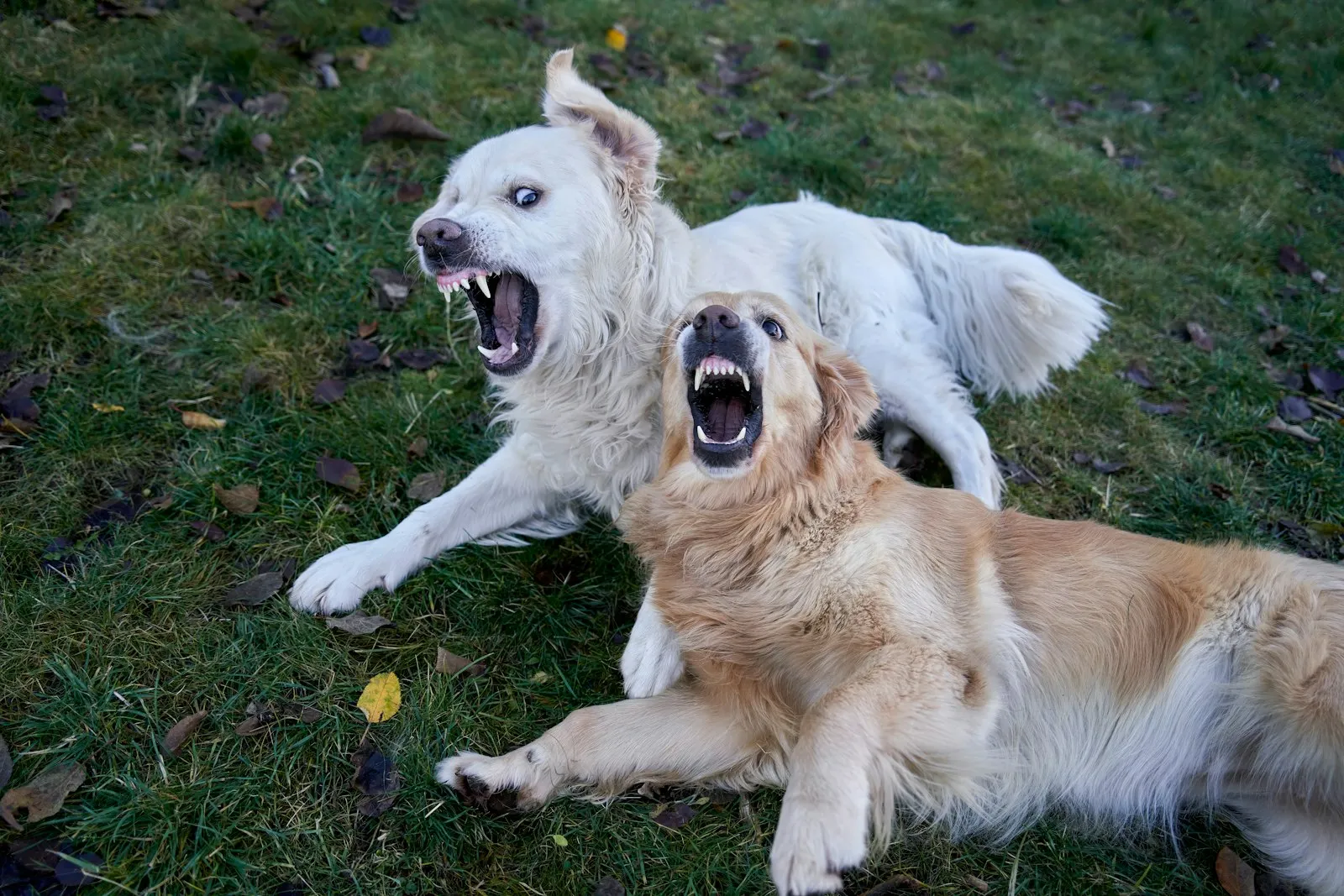
Possibly. In New York, you usually need to show that the owner knew, or should have known, that the dog had “vicious propensities.” That phrase comes from a 2004 Court of Appeals case, Collier v. Zambito. But a prior bite is only one way to show it. Growling, snapping, lunging at people, jumping on neighbors, a muzzle, a “Beware of Dog” sign or earlier complaints can all count. In a building with shared halls, neighbors often remember exactly how a dog behaved in the elevator.
There’s also a separate rule for dogs officially found to be “dangerous.” Under Agriculture & Markets Law § 123, the owner of such a dog is strictly liable for the medical costs its attacks cause.
Can the co-op board or management company be responsible?
Sometimes, yes. This is a question we hear a lot in Glen Oaks. If the board or managing agent knew about a dog’s vicious propensities, for example through complaints from other shareholders, and had the power to do something about it, they may share responsibility. The same basic idea applies to landlords in rental buildings. Complaint letters, emails to management and board minutes can all become useful evidence. The firm’s page on premises liability explains how property owners can be responsible for conditions on their property.
My neighbor is a nice person. Will they have to pay me out of pocket?
Usually not. In the typical case, the check comes from the owner’s homeowners or renters policy. In a co-op, that’s often the shareholder’s own apartment policy. Bringing a claim is how that coverage gets used; it isn’t about taking money from your neighbor’s savings. You can read more in our article on who pays after a dog attack.
An insurance adjuster called me. Should I talk to them?
You don’t have to give a recorded statement before you’ve spoken with a lawyer, and it’s often wise not to. Adjusters are polite, but their job is to keep payouts low. It’s fine to say you’ll call back after you’ve had advice. And in case you’re wondering, your car’s no-fault insurance won’t cover a dog bite.
What if they say it was partly my fault?
That doesn’t end your claim. New York follows pure comparative fault, which means any money you recover is reduced by whatever share of the blame is placed on you, but you aren’t shut out. So if someone says you reached toward the dog or walked too close, your case can still move forward. Our guide to shared fault in New York goes into more detail.
What kinds of injuries and losses can a claim cover?
Dog bites cause more harm than people expect. We see puncture wounds, torn skin, infections, nerve or tendon damage and fractures from being knocked to the ground, which is a real concern for older residents. Scars may need plastic surgery later. Emotional trauma is common, especially for children, who may become afraid of every dog in the building.
A claim can ask for your medical bills, future care such as scar revision, lost wages, pain and suffering, and disfigurement.
How long do I have?
Generally three years from the bite to file a lawsuit, under CPLR § 214. For a child, the clock is generally paused until they turn 18. If a city agency or public housing is involved, a notice of claim is usually due within just 90 days. It’s much easier to gather evidence early, while neighbors remember and cameras in the lobby may still have footage.
Why talk to a Glen Oaks dog bite lawyer instead of handling it myself?
You certainly can call the insurer on your own. But a lawyer can track down the dog’s history, look into what the board or management knew, deal with the adjuster, and put a fair number on your scarring and time off work. At Yakov Mushiyev & Associates, the first conversation is free, and we work on contingency, so you pay no fee unless we win. The firm has recovered more than $80 million for injured New Yorkers. We speak English, Russian and Spanish, and we’re happy to visit you at home, see you in the hospital or meet by video. Learn more about our dog bite practice.
Do you help people outside Glen Oaks?
We do, all across Queens. If your bite happened a little further away, you might look at our pages for a dog bite lawyer in Bellerose, a dog bite lawyer in Floral Park, or a dog bite lawyer in Queens Village. You can also see our wider Queens accident lawyer page.
Talk With Someone Today
If a neighbor’s dog hurt you or your child, you don’t have to figure this out alone. Give us a call at 718.775.3110 and tell us what happened, or reach out through the contact form and we’ll get back to you. Choosing a dog bite lawyer in Glen Oaks who knows how co-op buildings work can make the whole process calmer.
Getting to Our Office
We’re located at 1 Cross Island Plaza, Suite 325, Rosedale, NY 11422. The map here shows the drive from Glen Oaks, heading south toward our office near the Cross Island Parkway.
Attorney Advertising. The answers above are general information for Glen Oaks residents, not legal advice for your situation.