
A dog bite does not happen all at once. There is the moment itself, over in seconds, and then a long stretch of hours, days and months where small choices shape what comes next. In Ridgewood, where historic brick row houses and walk-up apartments line busy streets and people pass dogs on narrow sidewalks every few steps, a lot of neighbors will face some part of this. We laid this page out as a timeline so you can find exactly where you are and see what is still ahead.
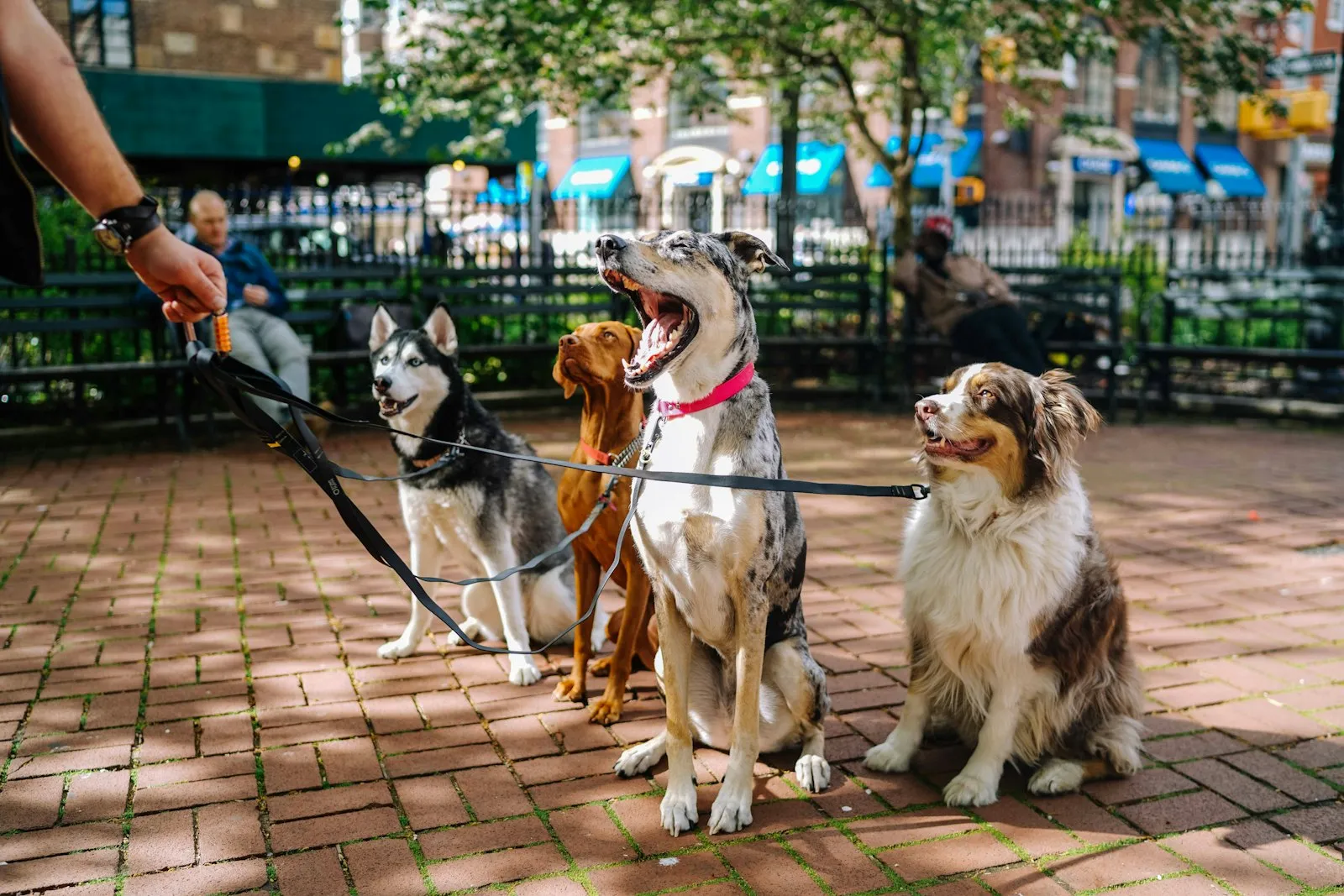
The first hour
Get somewhere safe, then get help. Wash the wound with soap and water if you can, press a clean cloth on it, and go to urgent care or the emergency room. Dog bites carry bacteria deep into the tissue, and hands, faces and legs can hide damage to nerves and tendons that is not obvious at first.
While you are still at the scene, try to learn who owns the dog. A name, an apartment number, a phone number. Ask whether the dog has had its rabies shots. If the owner walked off, notice which building they went into. On a block of row houses near Fresh Pond Road, that detail alone can be enough to find them later.
The same goes if the bite happened in Grover Cleveland Park. Note the path or field, the time, and whether the dog was on a leash. City rules expect dogs in public to stay on a leash of six feet or less, with off-leash time only in marked areas and hours, so those small facts can matter later.
If someone saw it happen, ask for their number. People on the Myrtle Avenue shopping strip are often in a hurry, and they will not be easy to find tomorrow.
The first day
Within 24 hours, the bite should be reported to NYC Health. Sometimes the hospital files it; if you are not sure, make the report yourself. It puts the bite on the record and helps the city check the dog’s vaccination status. If nobody can confirm the dog was vaccinated, your doctor may start you on rabies shots.
Take photos today. The wound, any bruising, the torn jeans or jacket, the stretch of sidewalk or the stairwell where it happened. Put everything in one folder on your phone.
The first week
This is when the wound either starts to calm down or shows signs of trouble. Watch for redness, warmth, swelling or fever, and go back to the doctor if you see any of them. Infection is one of the most common problems after a bite.
It is also often the week the phone rings. The dog owner’s homeowners or renters insurance company may call and ask for a recorded statement. You can say no for now. Most dog bite claims are paid through that insurance, not by the owner out of pocket, so you are not taking money from a neighbor’s savings. Still, the adjuster’s job is to pay as little as possible, and it is wise to speak with a lawyer first. Car insurance, by the way, has nothing to do with this; no-fault does not cover dog bites.
If you live in a walk-up and the dog belongs to another tenant, this is a good week to write down everything you remember about that dog. Did it bark and lunge at people in the hallway? Did anyone complain to the landlord? Was it ever muzzled? Those memories fade quickly.
The first months
As you heal, the questions get bigger. Here is what usually happens in this stretch.
Looking into the dog’s past
In New York, an owner is generally responsible when they knew or should have known their dog had “vicious propensities,” a rule the Court of Appeals set out in Collier v. Zambito (2004). Proof can include earlier bites, growling, snapping, lunging, jumping on people, a “Beware of Dog” sign, keeping the dog chained or muzzled, and complaints. If a dog has officially been found “dangerous,” the owner is strictly liable for the medical costs of its attacks.
Checking whether the landlord knew
In Ridgewood’s apartment buildings, the landlord can be part of the picture. A landlord may be liable if it knew about the dog’s vicious propensities and had the power to remove it. Tenant complaints, emails and notes from the super can all help show what the building knew. Our overview of New York dog bite laws explains this in more detail.
Tracking your losses
Keep every bill and receipt. A claim can include medical costs, future care such as scar revision, wages you lost, pain and suffering, and disfigurement. Keep photographing the scar as it changes. Pay attention to how you feel, too; being afraid of dogs after an attack is common, and for children the fear can be strong.

Getting a second set of eyes
Many people wait until the medical bills pile up before they talk to anyone. You do not have to. A short, free call with a dog bite lawyer in Ridgewood can tell you which records to keep, what to say (and not say) to the insurer, and whether the landlord should be notified in writing. That call costs nothing and commits you to nothing.
Handling blame
If the other side says you were partly at fault, New York’s pure comparative fault rule means your recovery is reduced by your share, not erased.
Resolution
Most claims end with a settlement negotiated with the insurer. Some go to court. Either way, deadlines apply, and they are worth knowing now.
| Situation | General deadline |
|---|---|
| Adult bitten by a privately owned dog | 3 years to sue (CPLR § 214) |
| Child bitten | Time generally paused until age 18 (CPLR § 208) |
| City property or public housing involved | Notice of claim usually within 90 days (GML § 50-e) |
Where we come in along the way
You can call a Ridgewood dog bite lawyer at any point on this timeline, and earlier is usually easier. Yakov Mushiyev & Associates can help you save evidence, deal with the insurer, look into the owner’s and landlord’s knowledge, and add up the full cost of your injury. The firm has recovered over $80 million for injured people in New York. The first conversation is free, and there is no fee unless we win. We speak English, Russian and Spanish, and we are glad to come to your home, visit you in the hospital, or meet by video.
Read more on our dog bite injury practice page, our Ridgewood injury lawyer page, or our post about a dog bite attorney near our Rosedale office.
Neighbors just across a boundary line can turn to our pages for a dog bite lawyer in Wyckoff Heights, a dog bite lawyer in Glendale, a dog bite lawyer in Middle Village, or a dog bite lawyer in Forest Hills.
Wherever you are on the timeline, the next step is simple. Call us at 718.775.3110, or leave a message on our contact page and we will get back to you.
Coming to see us
We are at 1 Cross Island Plaza, Suite 325, Rosedale, NY 11422. Here is the way from Ridgewood to our office on the map.
Attorney Advertising. We wrote this timeline as general information for Ridgewood readers. It is not legal advice, and every case depends on its own facts.