
After an e-bike crash, advice arrives from everywhere: a cousin, a coworker, a group chat, the driver’s insurance adjuster. Some of it is right. Quite a lot of it is not, and acting on a wrong idea can cost a rider real money. So we have collected the misunderstandings we hear most often from people along Liberty Avenue, Jamaica Avenue and Lefferts Boulevard, and set each one next to what New York law generally says. Think of it as a first conversation with an e-bike accident lawyer in Richmond Hill, minus the waiting room.
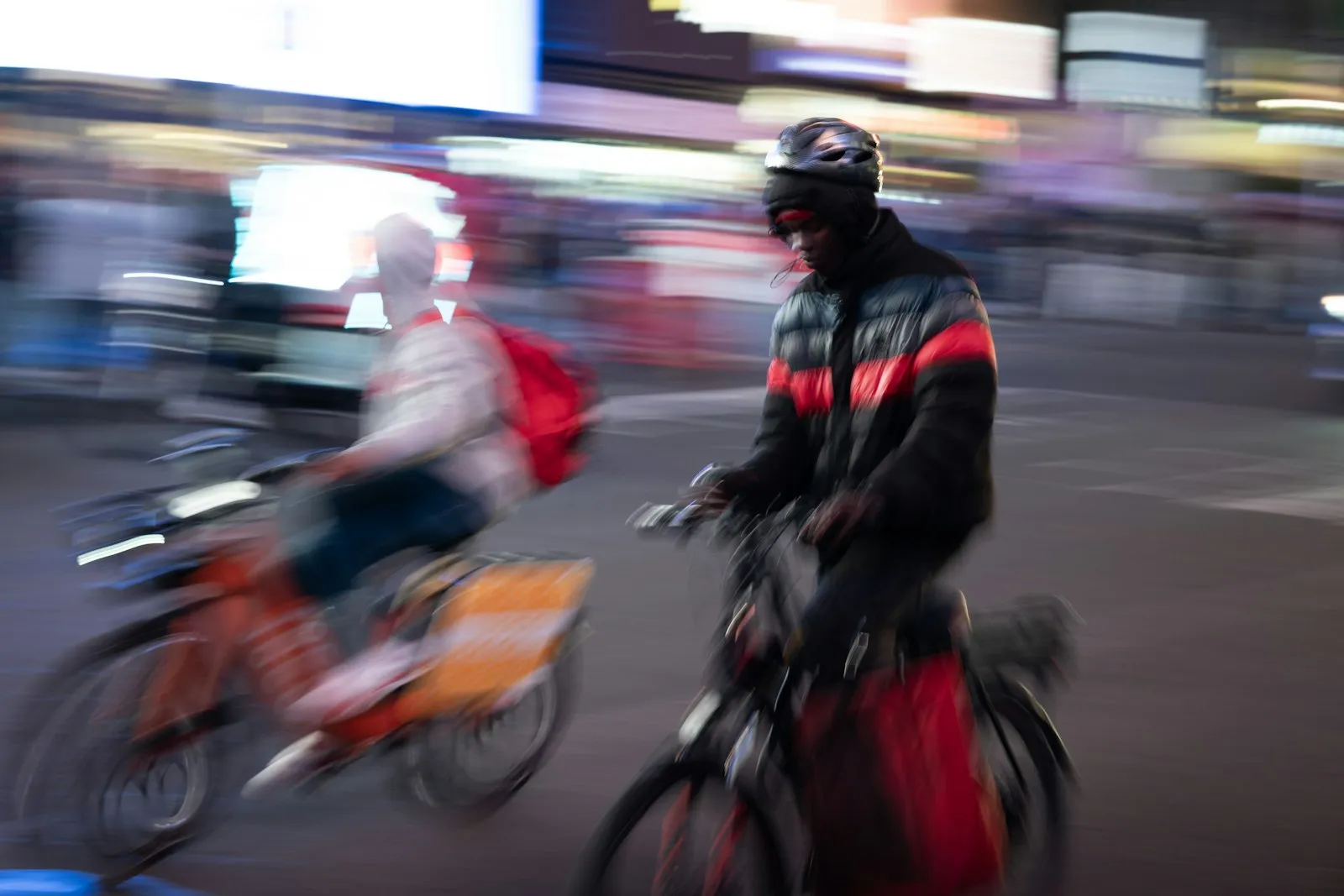
Myth: “I was on an e-bike, so I’m treated like a motorcycle and can’t use no-fault.”
What’s really true: Vehicle and Traffic Law § 125 leaves bicycles with electric assist out of the definition of a motor vehicle. So if a car hit you while you rode a legal e-bike, you are generally a non-occupant of that car. Its no-fault insurance usually covers your medical bills and part of your lost pay. File the application quickly, generally within 30 days.
One caution. A faster, throttle-only machine that looks and acts like a moped may be classified differently. If that sounds like your ride, our page on scooter and moped accident claims in NYC is a better fit.
Myth: “No helmet means no case.”
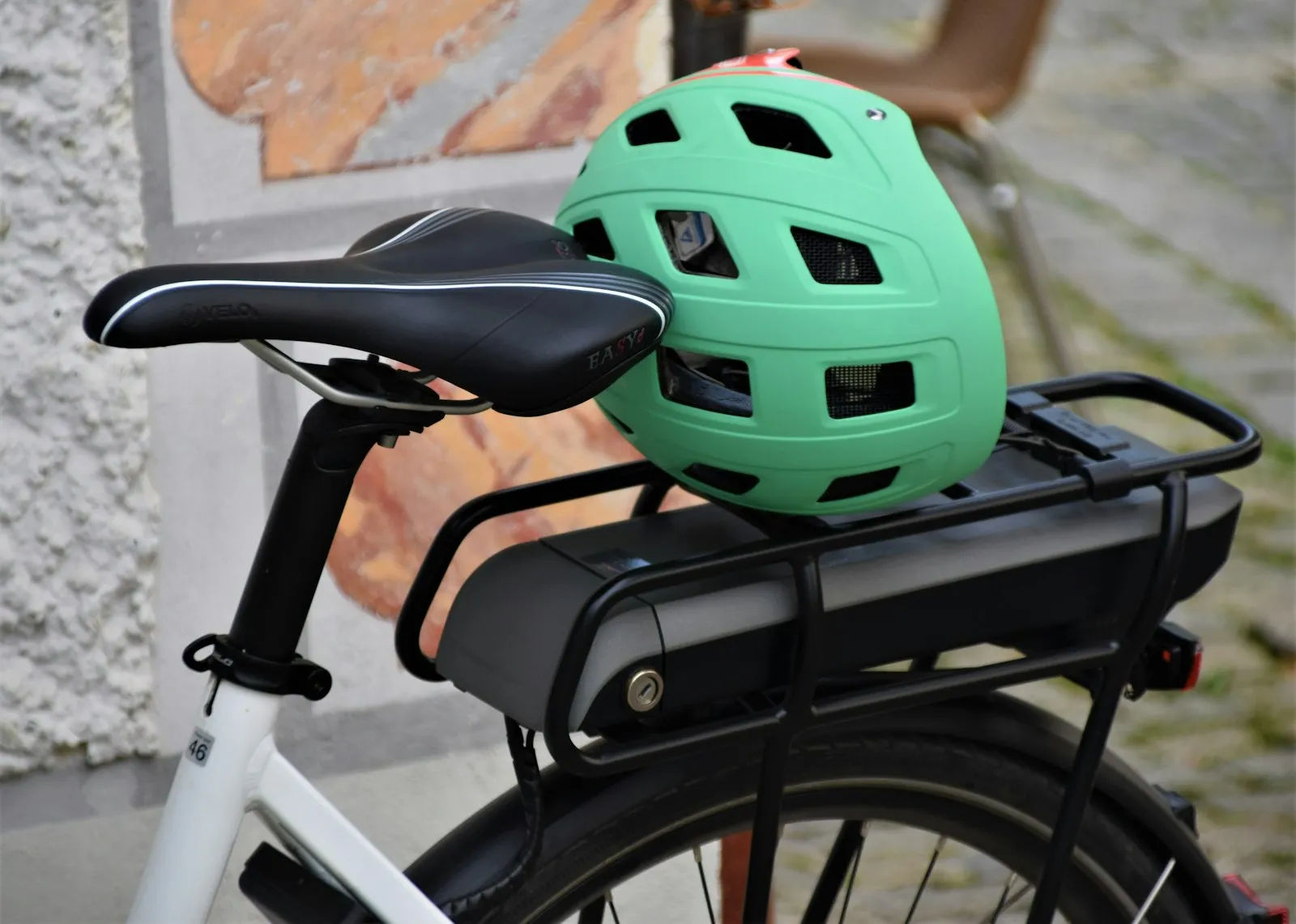
What’s really true: New York uses pure comparative fault, set out in CPLR § 1411. Your share of blame, if any, reduces the award by that percentage. It does not shut the door. That holds whether the argument is about a helmet, your speed or where you were riding. Our guide to comparative negligence gives examples. Helmets are still required on Class 3 bikes and for anyone riding for work, so wearing one is always the smart choice.
Myth: “The driver said sorry, so the insurance company will be fair.”
What’s really true: An apology at the curb rarely survives the claims department. Adjusters look for reasons to lower what they pay, and a recorded statement you give while sore and shaken can be used for exactly that. Before you talk to the other side’s insurer, it is worth a free conversation with an electric bike accident lawyer. The same caution applies in our everyday car accident cases.

Myth: “Delivery riders can’t sue anyone because the app handles it.”
What’s really true: It depends on how you are classified. Employees generally receive workers’ compensation. Many app-based riders are treated as independent contractors, which affects what benefits are available. Either way, if a careless driver caused the crash, a separate claim against that driver may also exist. Our work injury practice can help sort out which path applies.
Myth: “If my battery or brakes failed, it’s just bad luck.”
What’s really true: A defective bike or battery can support a product liability claim against the company that made or sold it. New York City’s Local Law 39 of 2023 requires e-bikes sold, leased or rented in the city to meet UL 2849, and batteries to meet UL 2271. The city’s announcement on enforcing those standards explains the background. Keep the bike, the battery, the charger and the receipt.
Myth: “I have plenty of time, so I’ll deal with it later.”
What’s really true: The general deadline for an injury lawsuit in New York is three years. But shorter clocks hide inside that one. No-fault forms are due in about 30 days. A claim against the city for a pothole or broken bike-lane surface generally needs a notice of claim within 90 days. And video from stores along Liberty Avenue or from passing buses may be recorded over within days.
Myth: “A sprain isn’t worth pursuing.”
What’s really true: Some injuries that start as “just a sprain” turn out to be fractures, torn ligaments or head injuries once imaging is done. To seek pain and suffering from a driver, New York generally requires a serious injury as defined in Insurance Law § 5102(d), such as a fracture or a significant limitation of a body part. Only proper medical follow-up can tell you where you stand. Once your doctors have a clearer picture, an e-bike accident attorney can weigh the records against that standard and tell you plainly what the claim looks like.
A few facts worth knowing before you ride
- Riders must be at least 16, under VTL § 1242.
- City streets carry a 15 mph limit for e-bikes.
- Sidewalk riding is not allowed; stick to bike lanes and the street.
- If an e-bike hits a pedestrian, no-fault generally does not apply to the bike, and the claim usually goes against the rider.
Where to go from here
We help people all over southern Queens, from the edge of Forest Park down toward the bay. Our general Richmond Hill accident lawyer page covers other kinds of injuries in the neighborhood, and our scooter and e-bike accidents page explains the practice as a whole. Friends or relatives a few stops away might prefer our page for an e-bike accident lawyer in Woodhaven, the one for an e-bike accident lawyer in Ozone Park, the e-bike accident lawyer in South Ozone Park page, or our e-bike accident lawyer in Jamaica page.
Our office is at 1 Cross Island Plaza, Suite 325, Rosedale, NY 11422, and this map lays out the way there from Richmond Hill. If getting around is hard right now, we can meet at your home, at the hospital or over video instead.
Let’s clear up your own questions
Heard something about your case that doesn’t sound right? Ask us. A Richmond Hill e-bike accident lawyer at Yakov Mushiyev & Associates will go over it with you at no cost, in English, Russian or Spanish. Attorney Yakov Mushiyev and the team have recovered over $80 million for injured New Yorkers, and you owe no fee unless we win. Call 718.775.3110, or reach out through our contact form whenever it suits you.
Nothing here is legal advice; it is general information about New York e-bike claims. Attorney Advertising.