
When you live in Pomonok, your neighbors’ dogs aren’t down the street. They’re in the elevator with you, in the hallway outside your door, in the courtyard where your kids play. Most of the time that’s fine. But if one of those dogs bit you, one of the first things you’re probably wondering is: who is actually responsible for this? The answer is often “more than one person,” and knowing who they are can make a real difference to your recovery. Let’s go through them one at a time.
Start Here: The Rule Behind Every Claim
Before we look at each party, you should know the basic test New York uses. In most cases, you’ll need to show that the person responsible knew, or should have known, that the dog had “vicious propensities.” That’s the standard the Court of Appeals set out in Collier v. Zambito (2004).
What counts as knowing? Things like an earlier bite, growling, snapping, lunging, jumping on people, a “Beware of Dog” sign, keeping the dog chained or muzzled, or complaints from other residents. In a building full of neighbors, those complaints are often easier to find than you’d think. You may remember some yourself.
1. The Dog’s Owner
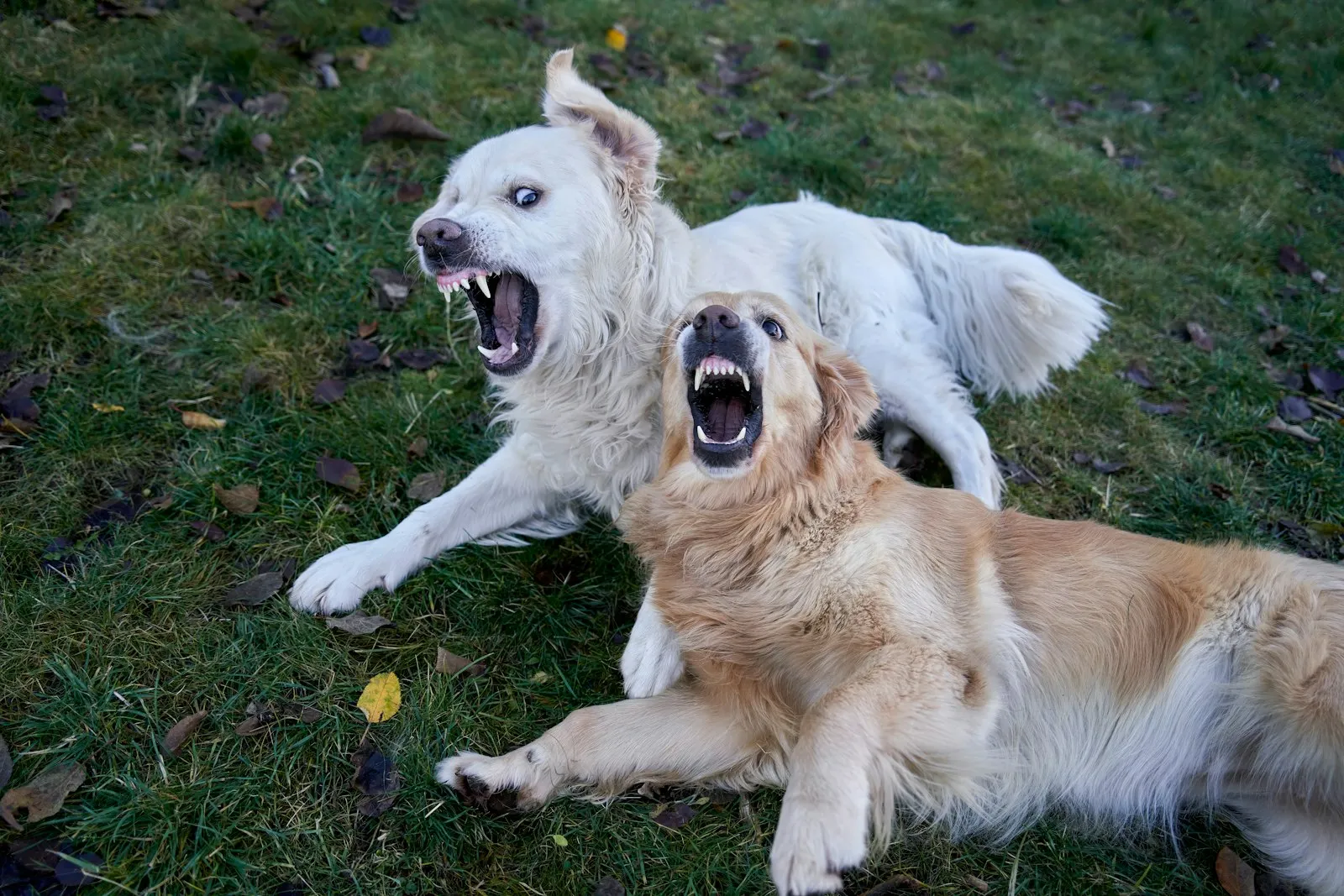
This is where almost every case begins. If the owner knew their dog was aggressive and you were hurt anyway, they’re responsible for your losses.
You might be uneasy about going after a neighbor you see every day. That’s a very human reaction. Here’s what helps: most dog bite claims are paid by the owner’s homeowners or renters insurance, not out of the neighbor’s pocket. In an apartment complex, renters insurance is the policy to ask about.
And if the dog was officially declared “dangerous,” the owner is strictly liable for the medical costs its attacks cause under Agriculture & Markets Law § 123. You don’t have to prove what they knew to recover those bills.
2. The Landlord
If you were bitten in a hallway, stairwell or lobby, the building’s landlord may share responsibility. New York law allows that when the landlord knew about the dog’s vicious propensities and had the power to remove the dog, for example through the lease.
So think back. Did you or anyone else complain to the management office about this dog? Did a super or porter ever get snapped at? Those moments can show the landlord knew and did nothing. Our page on premises liability explains how property owners can be held accountable more generally.
3. Co-op and Condo Boards
If you live in the Electchester co-ops or another cooperative nearby, the board and management company may be part of your case. Boards can be involved when they knew about a dangerous dog. Many co-ops keep records of resident complaints, board minutes and letters to shareholders about pets.
You don’t have to dig those records out yourself. Just tell us complaints were made, even secondhand.
4. A Business With a Guard Dog
Maybe you weren’t bitten at home at all. Perhaps it happened at a shop along Kissena Boulevard, or on a lot that keeps a dog to protect the property. A business or building owner can be responsible for a dangerous dog on its premises, and that includes guard dogs.
If you were there as a customer or passerby, you had every reason to expect to be safe. Take note of any signs, fences or chains you saw. A “Beware of Dog” sign doesn’t excuse the business. It can actually show they knew.
5. Dog Walkers and Sitters
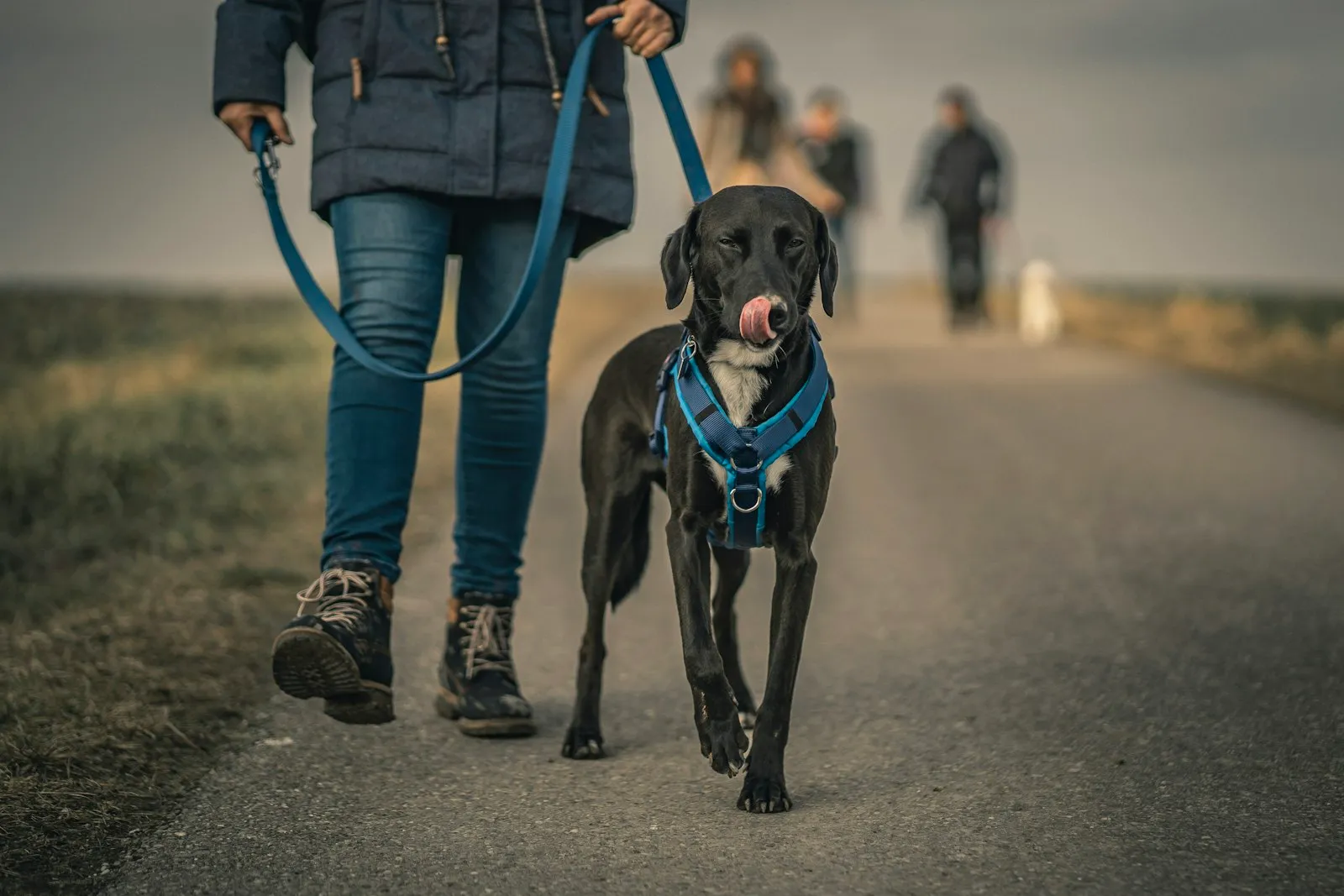
Around the area near Queens College, you’ll often see someone walking a dog that isn’t theirs. If a walker or sitter was in control of the dog when you were bitten, you’ll want their name, their company if they have one, and the owner’s details too.
How responsibility plays out here depends on the facts, including what each person knew about the dog and who was supposed to be controlling it. The owner remains the first place we look. But we’ll ask every question, because you deserve to know all your options. City rules also require dogs in public to be on a leash of six feet or less, according to the Health Department’s responsible dog owner guide.
6. City Housing
This one needs special attention, and it’s especially important in Pomonok. The Pomonok Houses are public housing. If your claim involves NYCHA or other city property, you usually must file a formal notice of claim within 90 days, under General Municipal Law § 50-e.
That’s a very short window, and it’s easy to lose while you’re healing. If your bite happened on public housing grounds, reach out as soon as you can so the notice gets filed properly and on time.
What About You?
You might worry that the dog’s owner or an insurer will blame you. Maybe you stepped too close, or tried to break up a fight. New York uses pure comparative fault, so any compensation would be reduced by your share of blame, but not taken away.
And if you were bitten while at work, say making a delivery or doing a repair in the complex, you’d generally get workers’ compensation through your employer. Separately, the owner could still be answerable to you.
Taking Care of Yourself First
Whoever turns out to be responsible, your health comes first. Here’s a short list to follow:
- Get medical care right away. Punctures can become infected, and bites can damage nerves or tendons.
- Ask the owner whether the dog’s rabies shots are current. Without that confirmation, doctors may start rabies shots.
- Make sure the health department hears about the bite within a day.
- Photograph your wounds, including as they heal, plus torn clothing and the spot where it happened.
- Get names and numbers of witnesses, including neighbors and building staff.
- If an insurer calls, you can decline a recorded statement until you’ve talked with a lawyer.
Recoverable losses may include treatment costs, later scar work, missed pay, pain and suffering, and disfigurement. Children in particular can carry emotional trauma, and that counts too. Our article on who pays after a Queens dog attack goes deeper on insurance, and our overview of New York dog bite law covers the legal background.
How Much Time You Have
Outside the 90-day notice for city claims, you generally have three years to file a lawsuit. If the person bitten was a child, that time is generally paused until age 18 under CPLR § 208.
Talk With a Dog Bite Lawyer in Pomonok
You shouldn’t have to untangle owners, landlords, boards and city agencies on your own. A Pomonok dog bite lawyer from our office can do that for you. Across all its cases, the firm has collected more than $80 million for hurt New Yorkers. We offer a free consultation, charge no fee unless we win, and speak English, Russian and Spanish. Home visits, hospital visits and video meetings are all options.
When you’re ready, give us a call at 718.775.3110, or tell us what happened through our contact page. You can also read more about our dog bite work or our broader Queens accident practice. If you were bitten a little outside the neighborhood, you may find our pages for a dog bite lawyer in Kew Gardens Hills, a dog bite lawyer in Flushing, or a dog bite lawyer in Fresh Meadows helpful.
Visiting Us
Our office sits at 1 Cross Island Plaza, Suite 325, Rosedale, NY 11422. Use the map to see the route from Pomonok to our building, whether you’re driving or getting a ride.
Attorney Advertising. This page shares general information about who may be liable for a dog bite in New York. It isn’t legal advice, and your own situation may differ.