
If you were hurt in a yellow cab, a green Boro Taxi or an app-based car in Kew Gardens, you probably have more questions than answers right now. Who pays the hospital bill? Does it matter that you were a passenger? Is there a deadline running already? This page takes those questions one at a time, in plain language, so you can see where you stand before you talk to anyone. When you are ready, the attorneys at Yakov Mushiyev & Associates, P.C. will review your case for free at 718.775.3110, and you never pay a fee unless we win.
Kew Gardens is a small neighborhood with a lot of traffic passing through it. Queens Boulevard, Union Turnpike and Metropolitan Avenue all carry it, the Kew Gardens Interchange ties together several highways at its edge, and Queens Borough Hall and the criminal courthouse draw a steady stream of visitors who arrive by cab. Taxis and for-hire vehicles are part of daily life here, and so, unfortunately, are taxi crashes.
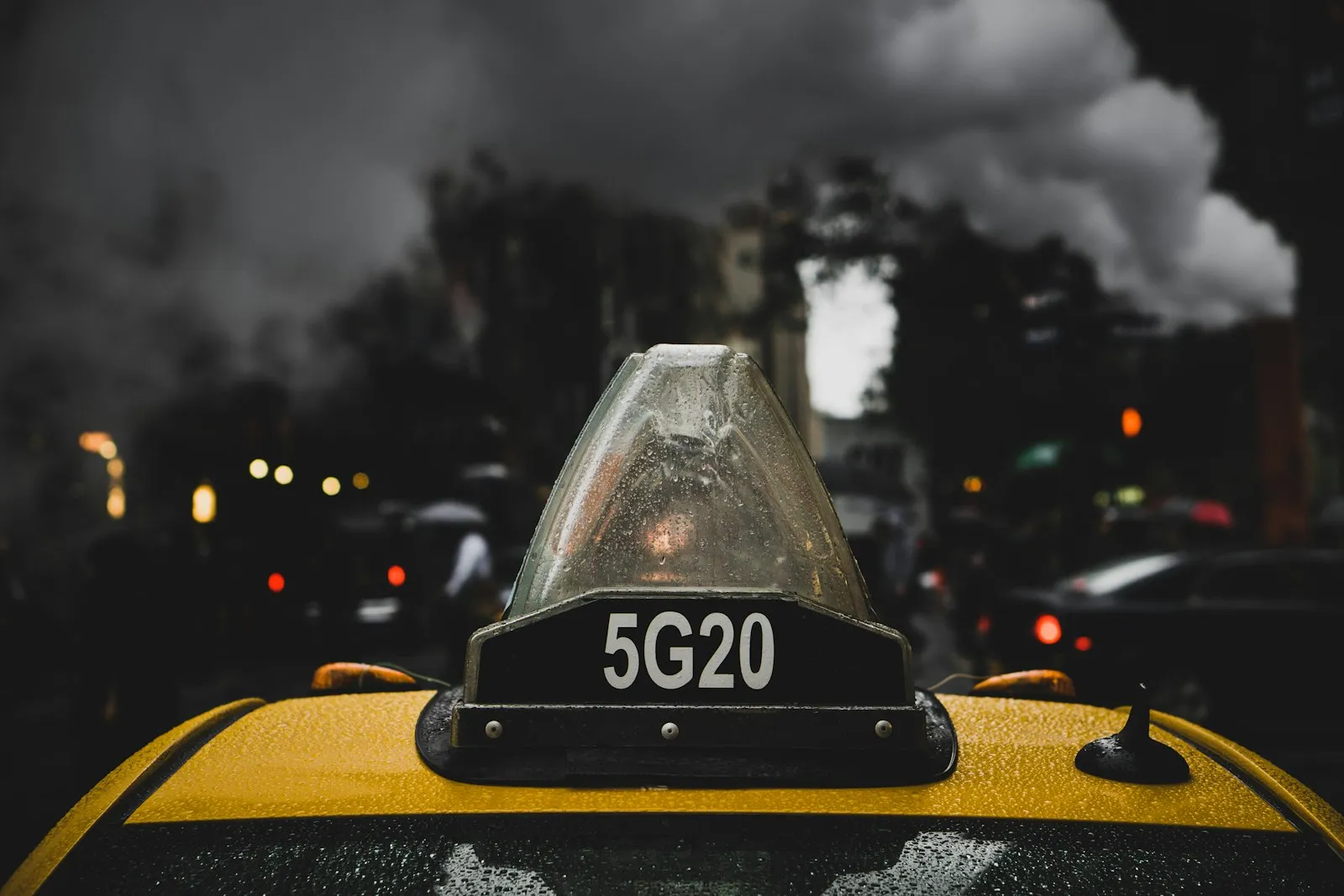
First, Take a Breath: What Happens Right After a Taxi Crash?
Most people feel shaken and unsure after a collision, and that is normal. The good news is that New York’s system is designed to start paying basic costs quickly, without anyone first having to prove who caused the crash. Your job in the first days is simply to protect your health and keep a few records. A short checklist helps:
- Get medical care. Go to an emergency room or urgent care the same day if you can, and tell the provider you were in a vehicle crash.
- Write down the cab details. The medallion or license number on the roof light or rear of the car, the driver’s TLC license, the company name, and the plate.
- Save your trip record. If you booked through an app, screenshot the ride receipt before it scrolls out of view.
- Photograph the scene. Vehicle positions, damage, traffic signals, road conditions and any visible injuries.
- Collect witness names and numbers. Pedestrians near Borough Hall or on Lefferts Boulevard are often the most neutral observers.
- Calendar the no-fault deadline. Your application for no-fault benefits is generally due within 30 days of the accident.
You do not need to argue fault with the driver, and you do not need to give a recorded statement to an insurance adjuster before you have had advice. Being polite and brief is enough.
Who Pays for My Medical Bills and Lost Wages?
New York is a no-fault state. Under Insurance Law § 5102, personal injury protection, usually called PIP, pays for medical treatment, a portion of lost earnings and certain other basic economic loss, regardless of who caused the crash. Which policy pays depends on where you were when you were hurt:
| Where you were | Whose no-fault coverage usually applies first |
|---|---|
| Riding as a passenger in a taxi or app-based car | The policy on the vehicle you were riding in |
| Walking across Queens Boulevard or another street | The policy on the vehicle that struck you |
| Riding a bicycle | The policy on the vehicle that struck you |
| Driving your own car when a cab hit you | Generally your own auto policy’s no-fault coverage |
The state minimum for PIP is $50,000 per person. Vehicles licensed by the NYC Taxi and Limousine Commission carry their own requirement. Effective March 1, 2026, the TLC requirement for yellow and green taxis, for-hire vehicles, app-based cars and limousines was cut from $200,000 to $100,000 per person, under a TLC rule implementing Local Law 90 of 2025. In practical terms, a passenger with serious injuries may reach the limit of no-fault coverage sooner than in past years, which makes the liability claim described below more important.
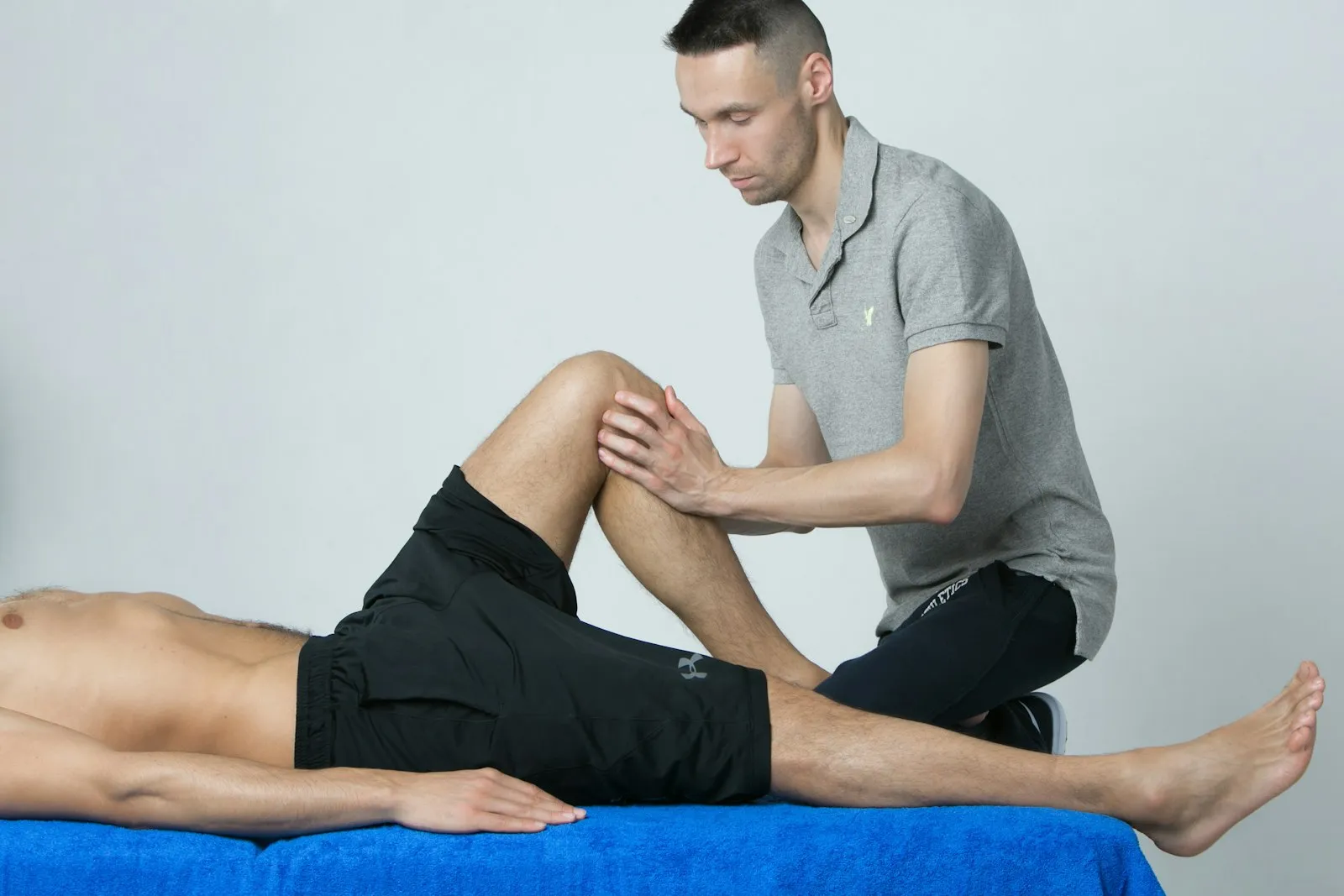
Can I Sue the Cab Driver or Company for Pain and Suffering?
Sometimes, yes. No-fault covers economic loss, but to step outside it and seek compensation for pain and suffering, a person hurt in a car crash generally must show a “serious injury” as defined in Insurance Law § 5102(d). The 2026 state budget (Chapter 58, Part EE) rewrote that definition. One former category was removed, and there are now eight:
- Death
- Dismemberment
- Significant disfigurement
- Fracture
- Loss of a fetus
- Permanent loss of use of a body organ, member, function or system
- Permanent consequential limitation of use of a body organ or member
- Significant limitation of use of a body function or system
Medallion taxis must carry liability insurance of at least $100,000 per person and $300,000 per occurrence. Depending on the facts, a claim may also reach other drivers involved in the crash, a vehicle owner or a fleet operator. We look at every policy that might apply, not just the first one an adjuster mentions.
The order matters now. Under Insurance Law § 5104, the judge or jury must decide fault before deciding whether your injury is “serious,” so preparing the fault evidence early is no longer optional.
What If Some of the Blame Falls on Me?
This is one of the biggest changes in 2026, so it is worth reading slowly. New CPLR 1411(b) applies to motor-vehicle personal injury lawsuits under Insurance Law Article 51 that are commenced on or after May 26, 2026, regardless of when the accident happened:
- If your share of fault is greater than the defendant’s (or the defendants’ combined share), you recover nothing.
- If your share is 50% or less, your recovery is reduced in proportion to your fault.
- Claims that are not motor-vehicle claims remain under the older proportional rule in CPLR 1411(a).
A new Insurance Law § 5104(d) also caps non-economic damages at $100,000 for an at-fault claimant who was driving uninsured (with a narrow exception for a lapse under 30 days), was convicted of impaired driving, or was convicted of a felony committed while driving. That cap does not limit economic damages, other people’s claims or wrongful death claims. The Department of Financial Services explained these changes in Circular Letter 2026-01. For a typical taxi passenger, fault is rarely theirs at all, but for a pedestrian or another driver, an insurer may try to shift blame, and the new threshold gives that argument real weight.
How Long Do I Have?
Several clocks can run at the same time. Missing one can close a door that would otherwise be open, so here they are side by side:
| Deadline | Time limit | Source |
|---|---|---|
| No-fault (PIP) application | 30 days from the accident | 11 NYCRR 65-1.1 |
| Notice of claim against NYC or an MTA vehicle | 90 days | General Municipal Law § 50-e |
| Personal injury lawsuit | 3 years | CPLR 214(5) |
| Wrongful death lawsuit | 2 years | EPTL 5-4.1 |
Wrongful death recovery in New York remains limited to pecuniary (financial) losses; the Grieving Families Act was vetoed for a fourth time in December 2025. If a city bus or another public vehicle was also involved in your Kew Gardens crash, the 90-day notice deadline is the one to watch most closely.
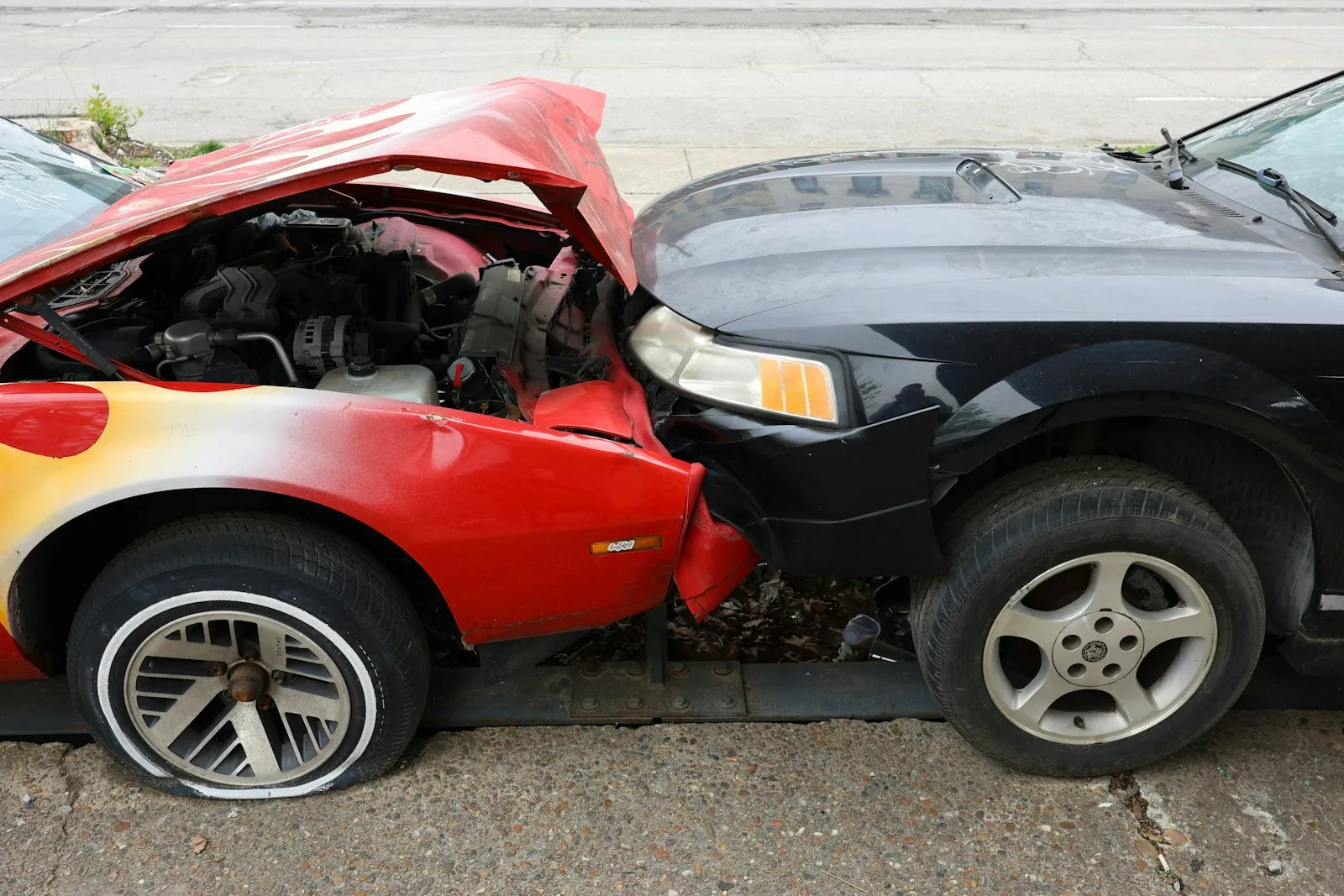
Where Do Taxi Crashes Tend to Happen in Kew Gardens?
We do not publish crash counts here, and you can review official street-safety data through the city’s Vision Zero data feeds. What we can describe is the kind of road layout that tends to produce disputes in this neighborhood:
- Queens Boulevard is a wide road with main lanes and service roads. Cabs slipping between them, and pedestrians crossing several lanes in one light cycle, create classic conflict points.
- The Kew Gardens Interchange, where the Grand Central Parkway, Van Wyck Expressway, Jackie Robinson Parkway, Union Turnpike and Queens Boulevard meet, is full of merges and lane changes, including by cabs heading to and from JFK and LaGuardia.
- Union Turnpike near the subway station sees quick curbside drop-offs, which can lead to door-opening incidents and sudden stops.
- Lefferts Boulevard and Austin Street near the LIRR station have narrower lanes, double-parked deliveries and riders getting in and out of cars.
- Metropolitan Avenue and the streets bordering Forest Park mix park visitors, cyclists and through traffic.
Forest Park and the Borough Hall Courthouse Area: Why So Many Cabs?
Two destinations shape much of the taxi traffic in and around Kew Gardens. To the southwest is Forest Park, one of the largest parks in Queens, with wooded hiking trails, a golf course, a historic carousel, a bandshell for summer concerts, and ballfields. Families, runners and event-goers arrive from all over the borough, and many of them come and go by cab or app-based car. Drop-offs cluster along Park Lane South, Metropolitan Avenue and the roads that lead into the park, and the Jackie Robinson Parkway runs through the park itself, adding fast-moving through traffic close to people unloading strollers and bikes.

To the north, along Queens Boulevard, is Queens Borough Hall and the Queens criminal courthouse next door. Jurors, witnesses, attorneys, defendants and family members all need to arrive on time, and many rely on taxis. The result is a busy curb on weekday mornings, with cabs stopping where they can, passengers stepping out on the traffic side, and drivers pulling back into a wide, fast boulevard. If you were hurt while getting into or out of a cab near the courthouses, the precise spot and the way the driver stopped can matter a great deal, so note it while it is fresh.
Why Talk to Mushiyev Law About a Kew Gardens Taxi Claim?
You do not need a lawyer to file a no-fault application. Many people do benefit from one, though, especially when injuries are significant or fault is disputed. Here is what we bring:
- Close by. Our office at 1 Cross Island Plaza in Rosedale serves all of Queens, and we can meet you at home, in the hospital or by video.
- Three languages. Consultations are available in English, Russian and Spanish.
- Current on the 2026 changes. We build the fault case first, because that is the order a jury now follows.
- Every source of coverage. TLC-licensed vehicles, fleet owners, other motorists and your own policy can all play a role.
- No fee unless we win. You pay nothing up front for our legal work.
To learn more about how we handle vehicle cases in general, see our car accident practice, our settlements page, and the broader Kew Gardens accident lawyer page. If you want a step-by-step look at the first week after a crash, our article on what to do after a taxi accident in Kew Gardens walks through it. We also help people hurt in neighboring areas, including Forest Hills and Richmond Hill.
Taxi Accident FAQs
I was a passenger. Do I need to prove the cab driver was at fault?
Not for no-fault benefits. As a passenger you generally claim PIP from the vehicle you were riding in, whoever caused the crash. Fault matters later, if you pursue a claim for pain and suffering against the driver or drivers responsible.
Is an Uber or Lyft crash handled differently from a yellow cab crash?
App-based vehicles in New York City are licensed by the Taxi and Limousine Commission, so they fall under the same TLC PIP requirement of $100,000 per person that took effect March 1, 2026. The specific insurers and policies can differ, which is one reason to identify the vehicle and trip details carefully.
What if my injury is a fracture?
A fracture is one of the eight serious-injury categories in Insurance Law § 5102(d). That can allow a claim for non-economic damages beyond no-fault, subject to the fault rules described above.
My lawsuit hasn’t been filed yet. Do the new 2026 rules apply to my accident from last year?
Generally yes. The changes apply to lawsuits filed on or after May 26, 2026, regardless of the accident date, as DFS explained in Circular Letter 2026-01.
Should I file a police report?
If police respond, ask for the report number. Drivers involved in crashes may also have a duty to file an MV-104 report with the New York DMV. If you are unsure whether that applies to you, ask us during your free review.
How much is my taxi accident case worth?
No honest lawyer can tell you that at the start. Value depends on the injuries, treatment, lost income, available insurance and the fault picture. We will explain the factors in your case once we have reviewed the records.
Where can I read more about New York auto insurance?
The Department of Financial Services keeps a consumer guide on auto insurance and no-fault. Our general FAQ page covers common questions too.
About Kew Gardens: Local FAQs
How do people get around Kew Gardens without a car?
The E and F subway trains stop at Kew Gardens–Union Turnpike, and the Long Island Rail Road’s Kew Gardens station sits near Lefferts Boulevard and Austin Street. Many residents combine transit with cabs and app-based rides, especially at night or to the airports.
What neighborhoods border Kew Gardens?
Forest Hills lies to the west, Richmond Hill to the south, Briarwood to the east and Kew Gardens Hills to the north, with Forest Park along the southwest edge.
What is the ZIP code for Kew Gardens?
Kew Gardens is served mainly by ZIP code 11415.
Which hospitals are near Kew Gardens?
Jamaica Hospital Medical Center is a short drive south and east, and Long Island Jewish Forest Hills is nearby to the west. In an emergency, call 911 and go where the EMS crew takes you.
Is Queens Borough Hall the court where my injury case would be heard?
Usually not. Borough Hall houses borough offices, and the courthouse beside it on Queens Boulevard handles criminal matters. Civil personal injury cases in Queens County Supreme Court are generally heard at the courthouse on Sutphin Boulevard in Jamaica. You can look up courts through the New York State Unified Court System.
Any tips for driving and parking near Borough Hall?
Expect heavy weekday traffic and limited curb space on Queens Boulevard. If you are taking a cab to the courthouses, ask to be let out on the curb side of the service road rather than in a travel lane.
Ready to Talk? Your Free Case Review Starts Here

You do not have to sort this out alone. Call 718.775.3110 any time; phone intake is available 24/7, and our office is open Monday through Friday, 9 to 6. You can also send us a message online. We will listen, explain your options in English, Russian or Spanish, and tell you honestly whether we can help. There is no fee unless we win.
Yakov Mushiyev & Associates, P.C.
1 Cross Island Plaza, Suite 325
Rosedale, NY 11422
718.775.3110
Attorney Advertising. This is general information about New York law, not legal advice, and reading it does not create an attorney-client relationship. Laws change, and every case depends on its own facts. Prior results do not guarantee a similar outcome.