
After a dog attack, the first legal question is not how much the claim is worth. It is who is answerable for it. In Richmond Hill, the answer depends heavily on where the bite happened. A bite on the porch of one of the neighborhood’s Victorian homes raises different issues than one inside a rented apartment, in a shop on Liberty Avenue, or along the southern edge of Forest Park. This guide examines each potentially responsible party in turn, explains what New York law generally requires to hold that party accountable, and identifies the evidence that tends to matter most.
The governing rule, in brief
New York does not make every dog owner automatically liable for every bite. Instead, the Court of Appeals held in Collier v. Zambito (2004) that an injured person generally must show the owner knew or should have known of the dog’s “vicious propensities.” Evidence of that knowledge may include prior bites; growling, snapping or lunging at people; jumping on people; a “Beware of Dog” sign; keeping the dog chained or muzzled; and complaints about the animal. That principle, knowledge of the dog’s dangerous tendencies, runs through the analysis of nearly every party discussed below.
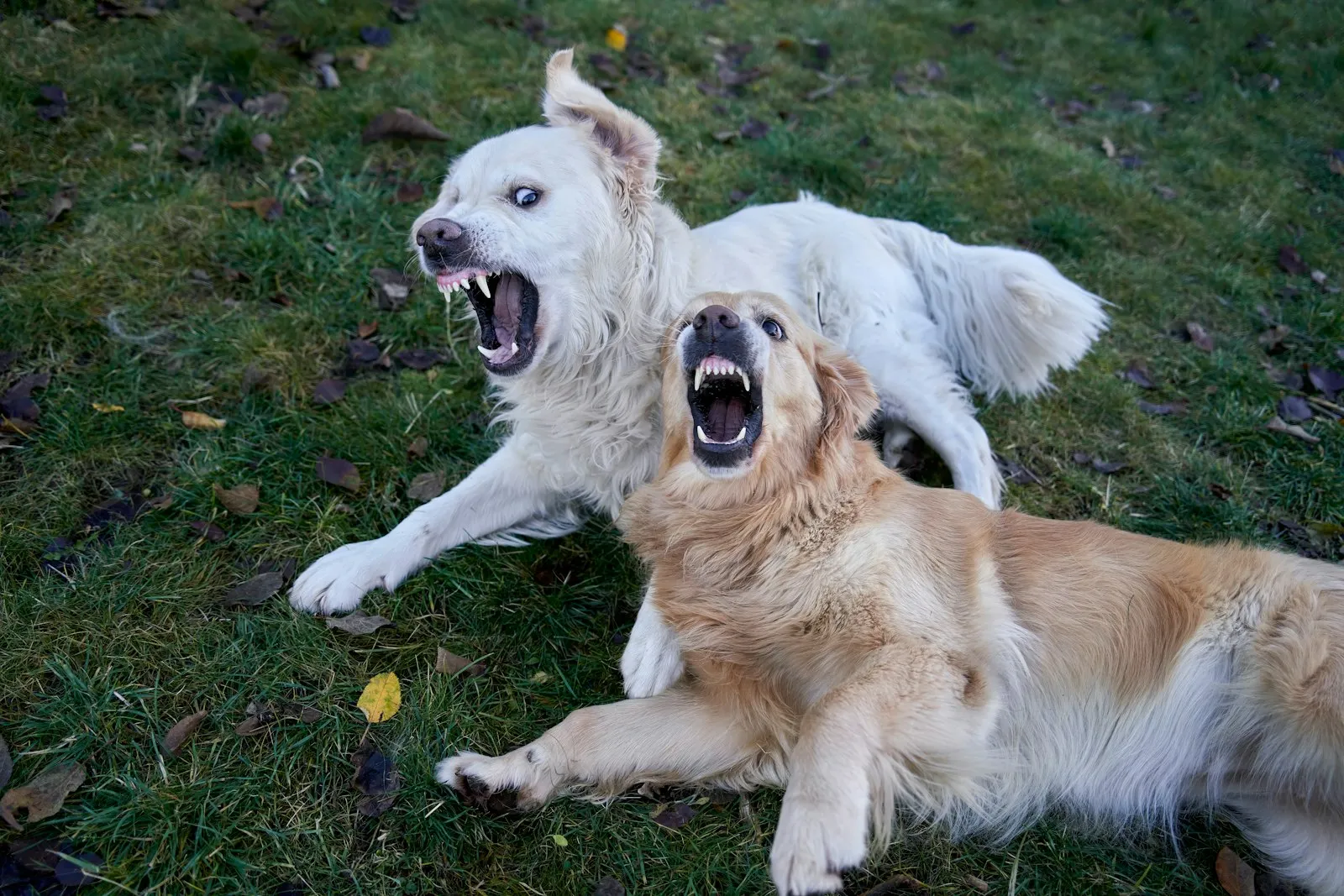
1. The dog’s owner
The owner is the primary defendant in most cases. The central inquiry is what the owner knew before the attack. In a neighborhood of detached homes and close-set yards along the side streets off Lefferts Boulevard, neighbors frequently observe a dog’s behavior over a long period, and their recollections can establish that the owner was on notice.
A separate rule applies to dogs that have been formally found “dangerous.” Under Agriculture & Markets Law § 123, the owner of such a dog is strictly liable for the medical costs its attacks cause, regardless of what the owner knew.
Photographs of the wound, a copy of the bite report, and the names of anyone who saw the dog’s earlier conduct all bear directly on the owner’s liability. As for payment: most claims against owners are resolved through the owner’s homeowners or renters insurance. The owner rarely pays personally. Victims may decline to give the insurer a recorded statement until they have consulted counsel.
2. The landlord
Where the dog belongs to a tenant, the building owner may share liability. A landlord can be held responsible if it knew of the dog’s vicious propensities and had the power to remove the dog from the premises, for instance through the lease. Both elements matter. Evidence often includes written tenant complaints, communications with a superintendent or managing agent, and lease provisions governing pets. Richmond Hill’s older multi-family houses and apartments above storefronts on Jamaica Avenue are the kind of properties where this question commonly arises.
3. The co-op or condominium board
Boards and management companies stand in a similar position. When a co-op board or building management knew about a dangerous dog, it may be drawn into the claim. The investigation typically focuses on meeting minutes, correspondence and incident reports showing that the board had been told about the animal’s behavior before the attack.
4. A business, including one with a guard dog
A building owner or business can be responsible for a dangerous dog kept on its property. Guard dogs are the clearest example: an animal kept precisely because it is intimidating raises obvious questions about what the business knew. Customers and delivery workers entering a store, yard or lot along Liberty Avenue may encounter such animals. Claims of this kind often overlap with premises liability principles, since the property’s condition and control are at issue.
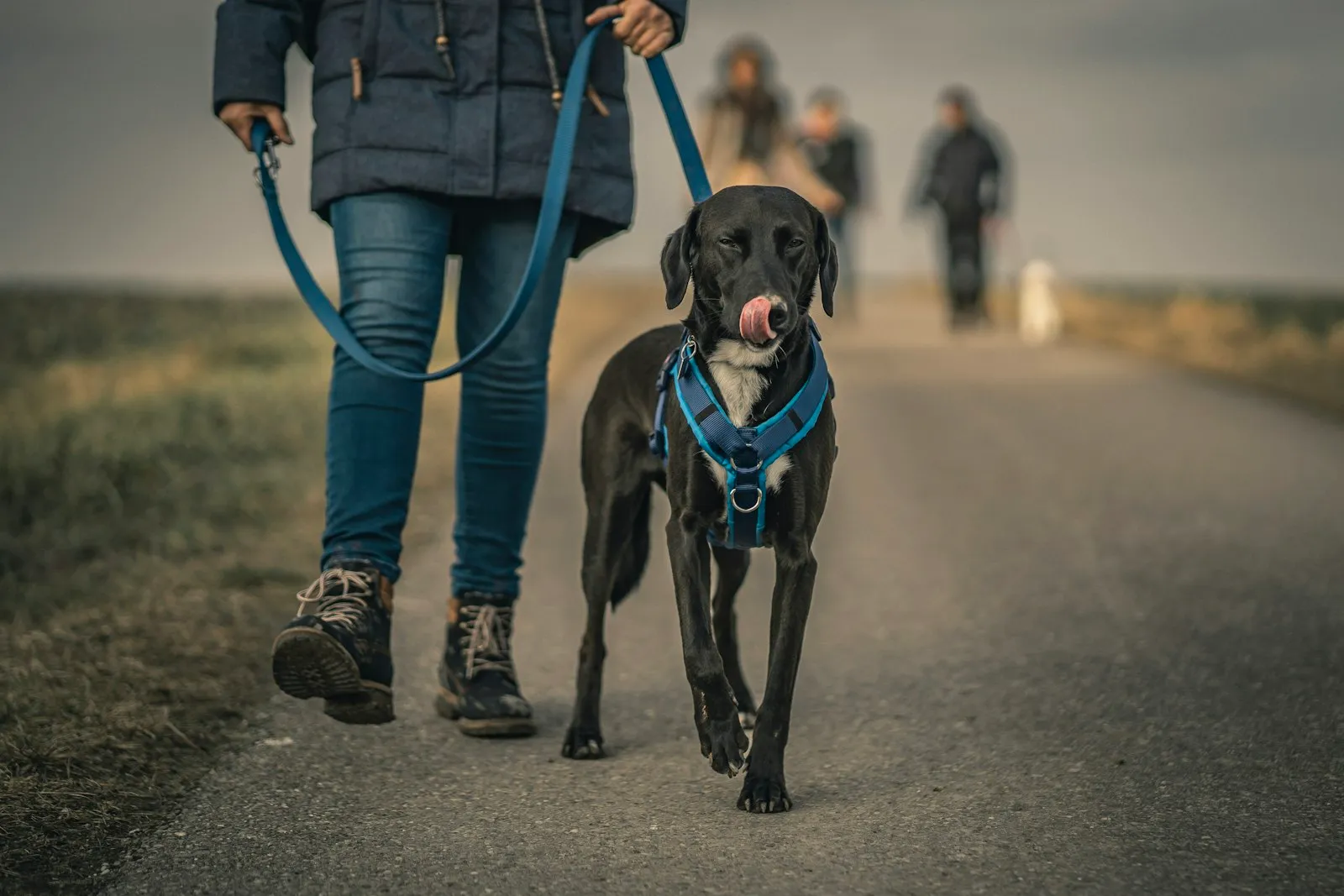
5. A dog walker or pet sitter
Professional walkers are a familiar sight on commercial strips and park paths. When a dog bites while in a walker’s or sitter’s care, the analysis becomes fact-specific. We would examine what the walker had been told about the dog, how many animals were being handled, and whether city leash rules were followed; the city’s Be a Responsible Dog Owner guide calls for a leash of six feet or less in public. The owner’s own knowledge, and the owner’s insurance, remain the starting point of the analysis.
6. City agencies and public housing
Where a claim involves city property or public housing, such as NYCHA, the procedure differs sharply. A notice of claim usually must be filed within 90 days under General Municipal Law § 50-e. Missing that window can jeopardize the claim, which is why early consultation is especially important in these cases. Ninety days passes quickly for someone who is still attending wound checks and follow-up appointments.
A summary of potential defendants
| Party | What generally must be shown | Evidence that often matters |
|---|---|---|
| Owner | Knew or should have known of vicious propensities; strict liability for medical costs if the dog was declared dangerous | Prior incidents, neighbor accounts, warning signs |
| Landlord | Knowledge of the dog’s propensities plus power to remove it | Complaints, lease terms, super’s records |
| Co-op or condo board | Knowledge of the dangerous dog | Minutes, emails, incident reports |
| Business or property owner | Responsibility for a dangerous dog on its property | Guard dog use, signage, prior complaints |
| City or public housing | Notice of claim, usually within 90 days | Timely filing, housing records |
Issues that cut across every defendant
Comparative fault
New York follows pure comparative fault. If the victim is found partly responsible, compensation is reduced by that percentage but is not barred.
Workers bitten on the job
Mail carriers, delivery drivers and home health aides bitten while working generally receive workers’ compensation through their employer and may also hold a separate claim against the dog owner.
Limitations periods
Generally, suit must be filed within three years under CPLR § 214. For minors, CPLR § 208 generally tolls that period until age 18.
Damages
Recoverable losses can include medical bills, future care and scar revision, lost wages, pain and suffering, and disfigurement. Injuries in these cases range from punctures and lacerations to infection, nerve or tendon damage, fractures from falls, rabies treatment when vaccination cannot be confirmed, and emotional trauma.
Identifying the right defendant is the work of a Richmond Hill dog bite lawyer
Victims often assume there is only one possible defendant and only one insurance policy. In practice, a thorough investigation may reveal a landlord’s knowledge, a board’s inaction or a business’s guard dog, and each can change the outcome. A dog bite lawyer in Richmond Hill who knows where to look can make that difference. Yakov Mushiyev & Associates has recovered over $80 million for injured New Yorkers, offers a free consultation, and charges no fee unless we win. We speak English, Russian and Spanish and will meet you at home, in the hospital or by video.
For a statutory overview, consult our summary of New York dog bite laws. Our dog bite practice area and Richmond Hill injury lawyer page describe our broader work. We also maintain pages for readers in adjoining neighborhoods: a dog bite lawyer in Jamaica, a dog bite lawyer in Woodhaven, and a dog bite lawyer in Ozone Park.
To discuss which parties may be responsible in your case, telephone 718.775.3110 or write to us through our contact page.

Office location and directions
The firm’s office is located at 1 Cross Island Plaza, Suite 325, Rosedale, NY 11422. The following map displays the route from Richmond Hill.
Attorney Advertising. This guide describes general principles of liability under New York law and is provided for information only. It does not constitute legal advice.