
Almost everyone who calls an MTA bus accident lawyer in Queens arrives with a few beliefs that sound reasonable and turn out to be wrong. You have three years to sue. The bus has cameras, so the truth will come out. A hard stop is just part of riding the bus. Some of these myths are repeated by friends; others are simply left uncorrected by the people on the other side of the claim. Either way, they cost injured riders money and sometimes their entire case.
Yakov Mushiyev & Associates, P.C. represents people hurt on and around MTA buses throughout Queens, from riders on Select Bus Service routes to pedestrians, cyclists and drivers struck by buses. Our office is in Rosedale, at 1 Cross Island Plaza. This page takes the most common misconceptions one at a time and sets the record straight. For a broader walk-through of the MTA claims process, including how the 50-h hearing works and how compensation is calculated, see our complete guide to MTA bus accident claims in Queens.
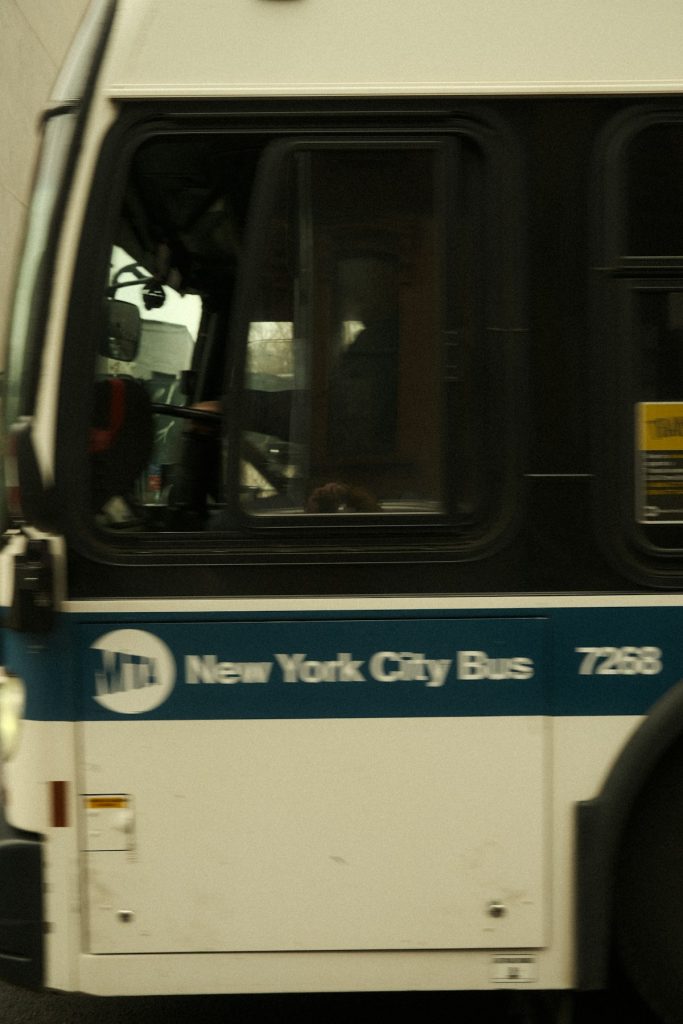
Why People Call an MTA Bus Accident Lawyer in Queens
A claim involving a public transit bus is not like a fender-bender between two private cars. The defendant is a public entity with its own statutes, its own claims procedures and a much shorter clock. Our job is to handle those requirements correctly from the first week, so that the strength of your case is decided on the facts rather than lost on a technicality.
In practice, that means we:
- Identify the correct public entity that operated the bus and file a timely Notice of Claim against it.
- Request preservation of onboard and exterior camera footage and other records before routine deletion.
- Coordinate your no-fault benefits so medical bills and lost wages are being paid while the claim develops.
- Prepare you for the sworn 50-h examination if the agency demands one.
- Document your injuries to meet New York’s serious injury threshold for pain-and-suffering damages.
Learn more about the people who will handle your case on our about the firm page.
Myth 1: “I Have Three Years to Decide Whether to Sue”
Fact: For most private injury claims in New York, the statute of limitations is three years. For claims against NYC Transit, MTA Bus and many other public authorities, the timeline is far shorter. A Notice of Claim generally must be served within 90 days of the accident, under General Municipal Law section 50-e and Public Authorities Law section 1212. The lawsuit itself generally must be filed within one year and 90 days.
The Notice of Claim is a formal written document that describes when, where and how the accident happened and the nature of the injuries. It is not the same as telling a bus operator you were hurt, filing a complaint on a website, or calling a customer service line. You can read the governing statutes on the State Senate’s pages for General Municipal Law 50-e and Public Authorities Law 1212.
Myth 2: “The MTA, NYC Transit and the City Are All the Same Defendant”
Fact: Buses in Queens are operated by different entities within the transit system. Many routes are run by New York City Transit, while others, especially in parts of Queens that were once served by private bus lines, are run by MTA Bus Company. These are legally distinct organizations. Naming and serving the correct entity matters, and a notice served on the wrong one can create avoidable problems.
The route, the depot and the vehicle number usually point to the right defendant. If you remember the route number or have a photo of the bus, keep it. The MTA’s official website lists routes and service information that can help confirm details later.
Myth 3: “If the Bus Didn’t Hit Anything, There’s No Case”
Fact: Many MTA bus injuries happen without any collision at all. A bus lurches forward before a rider is seated, brakes hard to avoid a car cutting into the bus lane, pulls away while someone is still on the steps, or kneels unevenly at a curb. Standing passengers can be thrown into poles and seat backs; older riders are especially vulnerable to falls.
These cases are real, but they are not automatic. Riders accept the ordinary starts and stops of city bus travel, so the evidence has to show that what happened went beyond normal operation, or that the operator did something careless, such as accelerating before a passenger was safely aboard. Witness accounts and onboard video are often the deciding evidence. Doors closing on a rider, or a bus stopping well away from the curb so a passenger steps into a gap, raise their own questions of care.
Myth 4: “No-Fault Covers Everything, So I Don’t Need a Claim”
Fact: No-fault insurance pays basic economic loss up to $50,000 per person, including necessary medical expenses, 80 percent of lost earnings up to $2,000 per month, and up to $25 per day for other reasonable expenses. The application is generally due within 30 days of the accident. That is helpful, but it is not full compensation.
No-fault never pays for pain and suffering. It does not cover lost earnings above the monthly cap, and a serious injury can exhaust the $50,000 limit. Recovering those losses requires a claim against the responsible party, which, for an MTA bus, means meeting the 90-day notice requirement. Waiting to see whether no-fault is enough is how many people miss that window.
Myth 5: “Any Injury Lets Me Sue for Pain and Suffering”
Fact: Because a bus is a motor vehicle, New York’s serious injury threshold applies. Under Insurance Law section 5102(d), a claimant must show an injury such as a fracture, significant disfigurement, permanent loss of use of a body organ, member, function or system, a permanent consequential limitation, a significant limitation of use of a body function or system, or death. The full list is on the Senate’s Insurance Law 5102 page.
The threshold is proved with medical evidence, not with how badly you feel. Imaging, measured range-of-motion testing and treating physicians who connect the limitation to the accident carry the weight. That is why prompt and consistent treatment matters so much in an MTA case.
2026 update: For motor vehicle personal injury actions commenced on or after May 26, 2026, the “90/180-day” category has been removed from the serious injury definition, and amended CPLR 1411 bars recovery for a claimant whose fault exceeds the defendants’ combined fault (more than 50 percent). At 50 percent or less, recovery is reduced by the claimant’s share. These changes were signed in late May 2026.
Myth 6: “The Bus Cameras Will Prove Everything, Automatically”
Fact: Many MTA buses carry cameras, and the footage can be decisive. But video is not kept forever, and nobody is obligated to send it to you without a request. Footage is commonly retained for a limited period and then recorded over. A prompt preservation request, and later formal discovery, are how that evidence gets into your case.
Video also has blind spots. A camera may show a rider falling but not the car that cut in front of the bus, or show the street but not the step where a passenger tripped. Witness names, your own photos, and a description written while memories are fresh fill those gaps. If you were injured, write down the route, direction, time, and the nearest cross street as soon as you can.
Myth 7: “If I Wasn’t Holding the Pole, I Lose”
Fact: New York uses comparative fault. If a rider shares some responsibility, recovery is reduced by that percentage, not automatically eliminated. Under the 2026 change for motor vehicle cases commenced on or after May 26, 2026, recovery is barred only if the claimant’s fault is greater than 50 percent. You can read the amended rule on the Senate’s CPLR 1411 page.
In practice, the question is whether anything you did actually contributed to the injury. A rider who was moving toward a seat as the bus pulled away, or who had nothing within reach to hold because the bus was crowded, is in a very different position from someone who ignored clear warnings. Insurers often raise this argument; the evidence decides it.
Myth 8: “Only Passengers Can Bring Claims Against the MTA”
Fact: Pedestrians in crosswalks, cyclists in bike lanes, and drivers of other vehicles are all injured by buses, and each can have a claim. Buses make wide right turns, pull in and out of stops across bike lanes, and have large blind spots. Vehicle and Traffic Law section 1146 requires every driver, including bus operators, to exercise due care to avoid pedestrians and cyclists. The same 90-day notice rule applies to these claims when the bus belongs to a public transit entity.
Other types of public and commercial vehicles raise similar timing and evidence problems. Our pages for tractor-trailer crash victims in Queens and for workers hurt on Queens construction sites, including those struck by vehicles near work zones, explain how those claims differ.
Myth 9: “Missing the 90-Day Deadline Ends Everything”
Fact: Missing the deadline is serious, but it is not always the end. New York law allows a court, in its discretion, to grant permission to serve a late Notice of Claim, as long as the application is made within the time allowed to bring the lawsuit. Courts weigh factors such as whether the public entity learned the essential facts within the 90 days and whether the delay harmed its ability to investigate.
Relief is never guaranteed, and the factors can work against you. The lesson is not that the deadline is flexible; it is that if you have already missed it, you should speak with a lawyer right away rather than assume the claim is gone.
Myth 10: “The 50-h Hearing Is Just an Informal Conversation”
Fact: A 50-h examination is sworn testimony, taken under oath, usually with a court reporter, by a lawyer representing the public entity. It typically happens after the Notice of Claim is served and before a lawsuit is filed. Questions cover your background, the accident, your injuries, your treatment, your employment and your medical history.
The transcript can be used later in the case, and inconsistencies between your testimony and your medical records can be used to challenge your credibility. Preparation does not mean rehearsing a script; it means reviewing the facts, your records and the kinds of questions to expect so you can answer accurately and calmly.
Riders from eastern Queens and the Nassau border can also reach us through our Bellerose MTA bus accident attorney page.
Three Queens Landmarks Served by MTA Buses
The Lewis Latimer House
The Lewis Latimer House in Flushing is a museum honoring Lewis Howard Latimer, the Black inventor and draftsman who drew patent drawings for Alexander Graham Bell’s telephone and improved the manufacture of carbon filaments for electric lamps. The modest frame house, where he lived for decades, was moved a short distance to its current site and is now a city landmark that hosts exhibits and education programs. Many visitors arrive by bus through downtown Flushing, one of the busiest bus hubs in the borough. The crowded stops and constant pull-outs around Main Street and Northern Boulevard are a frequent setting for rider falls and pedestrian contact with buses.
LaGuardia Airport
LaGuardia Airport, in East Elmhurst on the shore of Flushing Bay, handles domestic flights for millions of travelers and recently completed a major terminal rebuild. Because there is no direct subway service, buses play an outsized role: the Q70 LaGuardia Link connects the airport to subway and Long Island Rail Road connections in Jackson Heights and Woodside, and the M60 Select Bus Service runs toward Manhattan. Riders boarding with luggage, standing in crowded aisles and moving between curbside stops face real fall risks, and the airport’s congested roadways put buses, taxis and rideshares in close quarters.
Resorts World New York City at Aqueduct
Resorts World New York City is a casino and entertainment complex in South Ozone Park, built on the grounds of the Aqueduct Racetrack near JFK Airport. It draws visitors around the clock, many arriving by bus or by the A train’s Aqueduct station along North Conduit Avenue. The surrounding roads, including Rockaway Boulevard, the Conduit Avenues and the nearby Belt Parkway, carry fast traffic close to bus stops and parking areas. Late-night riders and pedestrians crossing these wide roads are vulnerable. The complex is also only a short drive west of our Rosedale office.
Directions to Our Rosedale Office from the Lewis Latimer House
From the Lewis Latimer House in Flushing, make your way to the Van Wyck Expressway and take it south past Kew Gardens and Jamaica toward JFK Airport. Take the Belt Parkway east toward Rosedale and exit near the interchange with the Cross Island Parkway, then follow local streets to 1 Cross Island Plaza, Suite 325. The Van Wyck is often congested near the Kew Gardens Interchange and the airport, so allow extra time.
MTA Bus Injury Myths: Quick Answers
Is a complaint to MTA customer service the same as a Notice of Claim?
No. A customer service complaint, a 311 report or a conversation with the bus operator does not satisfy the legal requirement. A Notice of Claim is a formal written document, sworn and served on the correct public entity, that describes the time, place and manner of the accident and the injuries. It generally must be served within 90 days. Reporting the incident informally is still useful as a record, but it does not replace the notice.
Does it matter which route I was on?
Yes. The route, direction and bus number help identify which transit entity operated the bus, which depot it came from, and which camera footage and operator records to request. If you do not remember the number, a receipt from your fare payment, the time of day, and the stops where you boarded and were injured can help reconstruct it. Write these details down as soon as you can.
Can I bring a claim if I was hurt getting on or off the bus?
Often, yes. Injuries during boarding and exiting are common: a bus pulling away while a rider is still on the steps, doors closing on someone, or a bus stopping far from the curb so a passenger steps into a gap or onto an uneven surface. The question is whether the operator failed to use reasonable care. Photos of the stop and curb, and the names of anyone who saw it, are valuable.
My child was hurt on an MTA bus. Do the same deadlines apply?
The 90-day Notice of Claim requirement still applies and should be met on time. New York law has some special rules for minors that can affect the later deadline to sue, but relying on those rules without legal advice is risky, and evidence like video disappears regardless of the child’s age. The safest course is to treat the 90-day window as firm and act promptly.
Does the MTA pay my medical bills while my case is pending?
Medical bills and lost wages are generally handled through no-fault benefits, up to $50,000 per person, not through the injury claim itself. Which policy or claims process pays no-fault for a bus rider depends on New York’s priority rules and your household’s auto coverage. The application is generally due within 30 days. Pain and suffering and losses above no-fault are pursued separately through the Notice of Claim and lawsuit.
I was in my car when an MTA bus sideswiped me. Is my case different?
Your no-fault benefits would typically come through your own auto policy, and your claim for losses beyond no-fault would be against the transit entity that operated the bus. The 90-day Notice of Claim deadline applies even though you were not a passenger. Photographs of both vehicles, the bus number, and the police report details are especially important for sideswipe and lane-change crashes.
Do I need to attend the 50-h hearing in person?
The public entity may demand an oral examination, and attending is generally a condition of pursuing the lawsuit. Scheduling and format can sometimes be discussed, especially for people with medical limitations. Your lawyer attends with you, and the testimony is under oath. Failing to appear without a valid reason can create serious problems for the claim, so treat the date as mandatory.
Can I get the bus video myself?
Individuals sometimes try, but the more reliable path is a written preservation request followed by formal discovery once a case is filed. The key goal early on is not to obtain the footage immediately; it is to make sure it is not recorded over. A prompt letter identifying the route, date, time and bus helps the agency locate and preserve the correct recording.
Will the MTA settle, or does every case go to trial?
Many claims against public transit entities are resolved without a trial, but there is no guarantee either way. Resolution depends on the evidence, the injuries, and whether the parties can agree on value. Preparing a case as if it could go to trial, with complete medical records and preserved evidence, tends to support a fair resolution at any stage.
How far is your office from where most MTA bus crashes happen?
Our Rosedale office at 1 Cross Island Plaza is near the Belt and Cross Island Parkways, convenient to southeast Queens and reachable from Flushing, Jamaica and the airport areas. Many clients are able to handle much of the process by phone and email, and in-person meetings can be scheduled when needed. Our service area page lists the neighborhoods we work with.
Talk to an MTA Bus Accident Lawyer in Queens Before the Clock Runs
The biggest myth of all is that there is plenty of time. With a 90-day notice requirement, there usually is not. An MTA bus accident lawyer in Queens at our firm can identify the correct transit entity, serve the Notice of Claim, request preservation of video, and keep your no-fault benefits moving. Call Yakov Mushiyev & Associates, P.C. at 718.775.3110 or contact our Rosedale office online. We are at 1 Cross Island Plaza, Suite 325, Rosedale, NY 11422, and we work with clients across the Queens neighborhoods we serve.
Related reading: Our step-by-step guide to MTA bus accident claims in Queens.
General information, not legal advice. Attorney Advertising. Prior results do not guarantee a similar outcome.