
You were walking down an aisle, through a lobby or down a staircase you have used a hundred times, and suddenly you were on the floor. Within a day or two, someone from an insurance company may call to ask “a few quick questions.” Those questions are not small talk. They are designed to establish that nobody knew about the spill, the loose tread or the wet tile before you fell, because in New York that single issue, notice, decides more slip and fall cases than anything else.
If you are searching for a slip and fall accident lawyer in Rego Park, this guide explains how New York premises liability law really works, what store owners and landlords are required to do, and how to protect the proof that most often disappears in the first week. Yakov Mushiyev & Associates, P.C. handles slip, trip and fall claims throughout Queens. For a free consultation, call 718.775.3110. There is no fee unless we recover.
The Three Questions Every Rego Park Slip and Fall Case Turns On
Property owners in New York are not insurers of everyone who walks through the door. They must keep their property reasonably safe under the circumstances. To win, an injured person generally has to show three things:
- A dangerous condition existed. A puddle, a crushed grape, a torn mat, a broken stair nosing, a missing handrail, an unlit hallway.
- The owner created it or had notice of it. This is where most cases are won or lost.
- The condition caused your fall and your injuries. You need to be able to identify what made you fall, not just that you fell.
That third point catches people off guard. “I don’t know what happened, I just went down” is a sentence that defense lawyers use to win dismissal. If you do not remember, that is honest and fine, but it means witnesses, video and the physical scene become even more important.
Actual Notice, Constructive Notice and Recurring Conditions
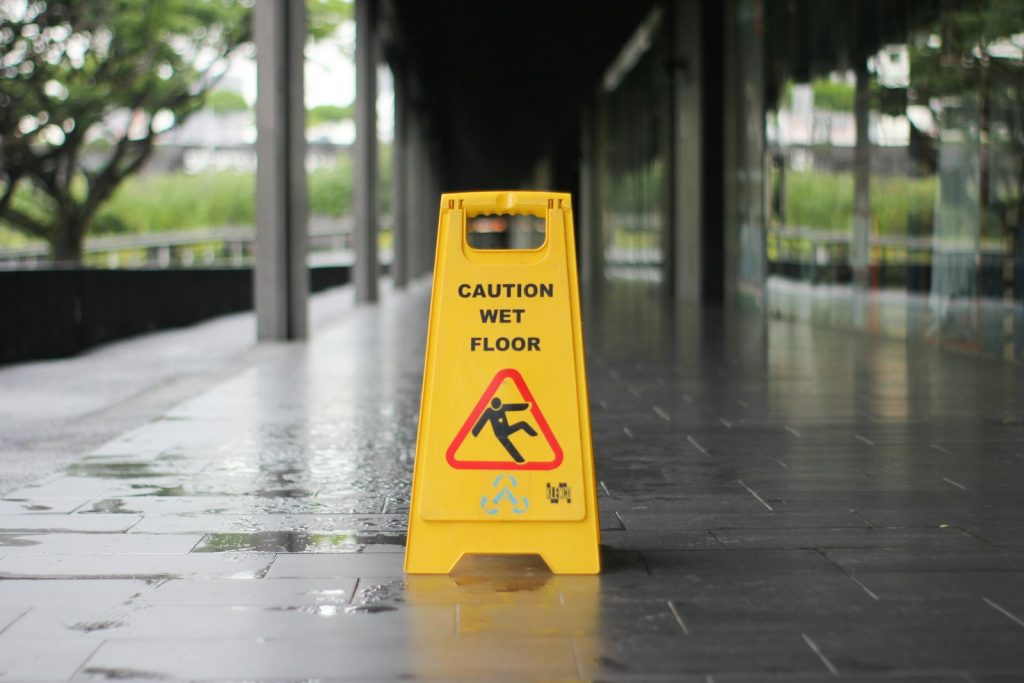
Actual notice means the owner or its employees knew about the hazard. A customer told a cashier about broken glass in aisle 6; a tenant emailed management about a wobbly step; a porter put out a wet floor sign and then removed it while the floor was still wet. Complaint logs, emails and work orders prove actual notice.
Constructive notice means the hazard was visible and apparent and existed long enough that a reasonable owner should have found and fixed it. A spill with cart tracks and footprints through it, or a dried, dirty edge, suggests it sat there for a while. A fresh, clean puddle suggests the opposite. Store sweep logs and inspection schedules matter here: if a supermarket claims it inspects every aisle every 30 minutes, we ask for the records proving it actually did on the day you fell.
Created the condition means notice doesn’t matter at all. If a store employee mopped the entrance without a sign, or a building’s contractor left a drop cloth on the stairs, the owner is responsible for its own work.
New York also recognizes a recurring condition theory: if an owner knew a particular hazard kept coming back in the same spot, such as a roof leak that drips into the same lobby corner whenever it rains, or a freezer case that routinely leaks, the owner may be charged with notice of each recurrence. General awareness that floors sometimes get wet is not enough, but a documented, routine problem in a specific place can be.
Where Slip and Fall Accidents Happen in Rego Park
Big-box stores and Queens Boulevard retail
The Rego Center complex near Junction Boulevard and the Long Island Expressway, and the retail strip along Queens Boulevard, see enormous foot traffic, especially on weekends and holidays. Common hazards include rain tracked in at entrances without enough mats, merchandise and packaging left on the floor during restocking, spilled drinks near food courts and checkouts, and escalator and parking-garage incidents. Large chains often have detailed incident-reporting procedures, which can help or hurt depending on how well they were followed.
Supermarkets and food stores on 63rd Drive
Produce sections, freezer aisles and floral displays generate water and debris constantly. Smaller grocery stores and specialty markets along 63rd Drive and nearby side streets may have narrow aisles, worn floors and stock-up activity during business hours. Grocery cases often depend on surveillance video and on whether employees followed the store’s own cleanup policies.
Apartment buildings, co-ops, lobbies and stairways
Rego Park is a neighborhood of apartment buildings, and many of the falls we handle happen inside them: freshly mopped lobby floors, worn marble steps, broken stair treads, burned-out stairwell lights, loose handrails, and icy entrance steps and courtyards. Under Multiple Dwelling Law §78, the owner of a multiple dwelling must keep it in good repair, and the NYC Building and Housing Maintenance Codes add specific requirements for things like stair lighting and handrails. In a co-op or condo, both the building and its managing agent may be responsible, depending on who controlled the area.
Public housing and public property
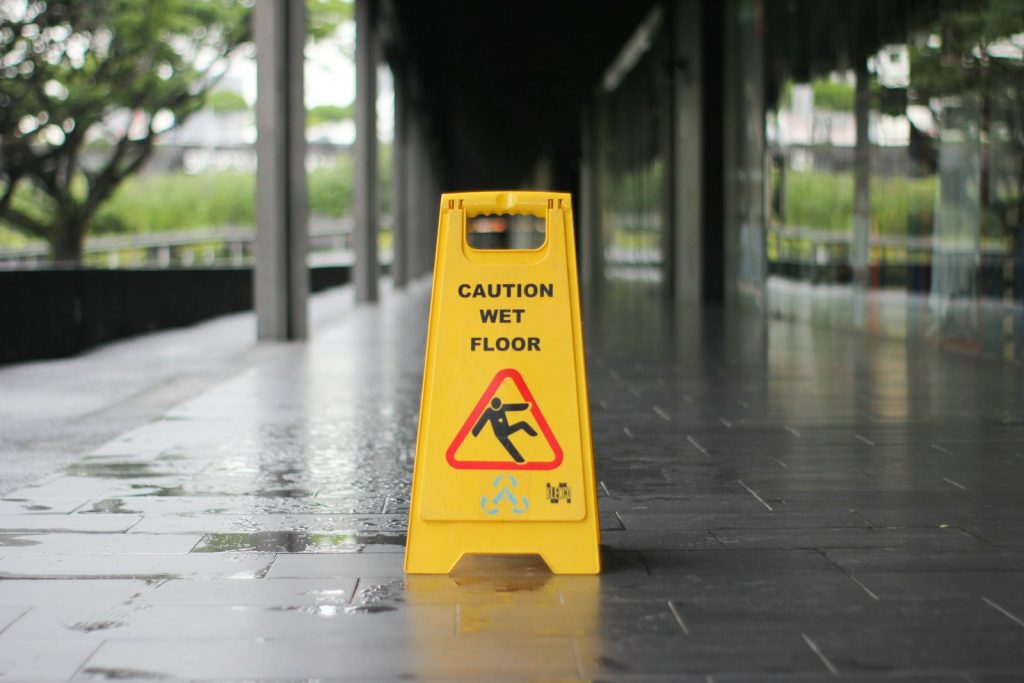
If you fell in a NYCHA development, a public school, a City building or another publicly owned property anywhere in Queens, the rules tighten sharply. A Notice of Claim generally must be served within 90 days under General Municipal Law §50-e, and a lawsuit usually has to be filed within one year and 90 days. Missing the 90-day deadline can sink an otherwise strong case, so if there is any public entity involved, call a lawyer right away.
Rain, Snow and the Storm-in-Progress Doctrine
Wet-weather falls are common in Rego Park, where most people walk from the subway or bus into stores and lobbies. New York law does not require an owner to keep a floor completely dry while it is raining or snowing, or to cover every inch of floor with mats. Under the storm-in-progress doctrine, an owner generally has no duty to remove snow and ice outdoors until a reasonable time after the storm ends.
That doctrine has limits. It does not protect an owner whose ice formed from a leaking gutter or a problem it created, ice that remained from a storm that ended days earlier, or a negligent cleanup effort that made things worse. Indoors, an owner who knows water is being tracked in can still be negligent if it ignored a growing puddle for a long time or laid down a mat that curled and became a tripping hazard. We use certified weather data to establish exactly when precipitation stopped.
Video Evidence: The Clock Starts the Day You Fall
Nearly every store at Rego Center and on Queens Boulevard, and most large apartment buildings, have security cameras. Video can show the condition, how long it was there, how many employees walked past it and exactly how you fell. Many systems automatically overwrite footage within days or weeks. A business that receives a written preservation demand and then lets video be erased may face court sanctions, but a business that never received a demand often just lets the system record over it.
That is why one of the first things we do is send preservation letters to the owner, the tenant, the managing agent and any nearby businesses whose cameras may have captured the scene. Here is what you can do in the meantime:
- Report the fall to a manager or super and ask for a copy of the incident report (they may refuse, but ask for the report number).
- Photograph the condition before it is cleaned up, including any lack of warning signs.
- Get names and phone numbers of witnesses and employees.
- Keep the shoes you were wearing.
- See a doctor that day; Elmhurst Hospital and Long Island Jewish Forest Hills are both near Rego Park.
- Don’t give a recorded statement or sign anything from an insurer before getting advice.
Deadlines for Rego Park Slip and Fall Claims
| Where you fell | Key deadline | Source |
|---|---|---|
| Private store, supermarket, restaurant, apartment building, co-op or condo | 3 years to file a lawsuit | CPLR 214 |
| City-owned building, public school or other City property | Notice of Claim within 90 days; suit within 1 year and 90 days | GML §§50-e, 50-i |
| NYCHA property | Notice of Claim within 90 days; suit within 1 year and 90 days | Public Housing Law §157; GML §50-e |
| Subway station (NYC Transit) | Notice of Claim within 90 days; suit within 1 year and 90 days | Public Authorities Law and GML §50-e |
The three-year statute of limitations under CPLR 214 sounds generous, but evidence does not wait three years. Video, witnesses and the condition itself are usually gone within weeks.

If You Were Partly at Fault
Insurers will say you were on your phone, wearing the wrong shoes or not looking. Even if that is partly true, New York’s pure comparative fault rule under CPLR 1411 reduces your recovery by your percentage of fault rather than barring it. That rule still governs slip and fall cases; the 2026 changes that cut off recovery for claimants who are more than 50% at fault apply only to motor-vehicle cases. An owner can also argue a hazard was “open and obvious,” but in New York that generally goes to your share of fault, not to whether the owner had a duty to keep the property safe.
Who Pays and What You Can Recover
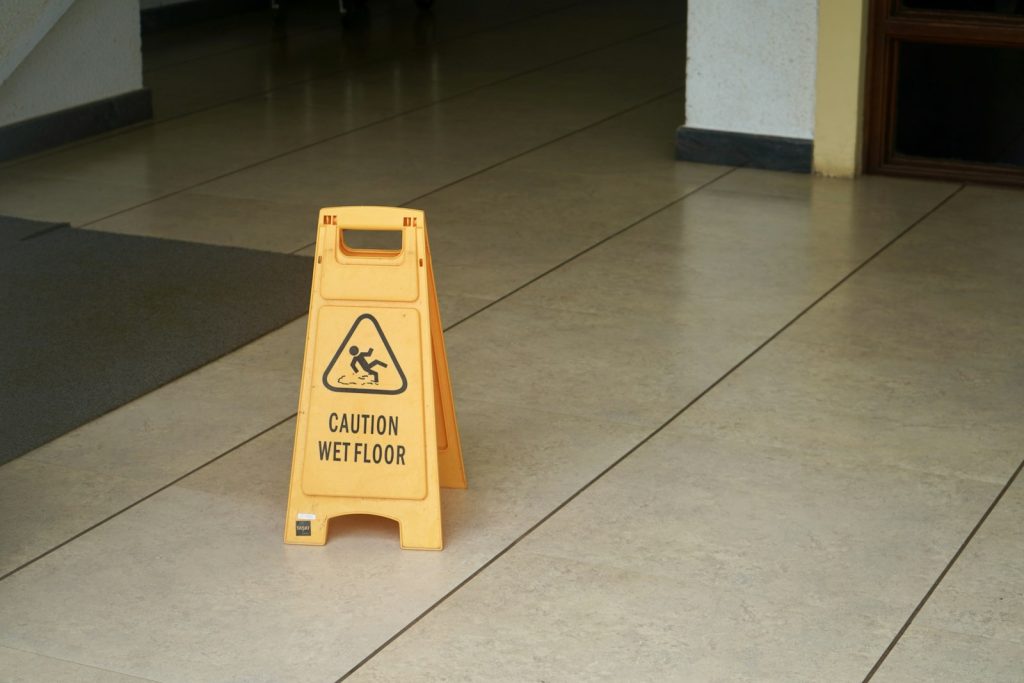
Slip and fall claims are paid by the property owner’s or business’s liability insurance, not by no-fault, which applies only to motor-vehicle accidents. Large retailers are often self-insured for part of each claim and use third-party administrators who handle claims aggressively. Apartment buildings and co-ops carry commercial general liability policies, and the managing agent or a cleaning or snow-removal contractor may have its own coverage. Some commercial policies also include a small medical payments benefit that pays regardless of fault. Your recovery can include medical expenses, lost earnings, future care, and compensation for pain, suffering and loss of enjoyment of life. Hip, wrist, ankle and shoulder fractures, knee and back injuries, and head trauma are the injuries we see most often.
How a Slip and Fall Accident Lawyer in Rego Park Works Your Case
We start by visiting the scene, because a photograph of the actual stair or floor tells us more than any description. Then we identify every party that had a hand in the property: the owner, the tenant, the managing agent and any outside maintenance contractor. We demand video, incident reports, cleaning logs and maintenance records, and in apartment cases we pull Department of Buildings and HPD violation history for the address. Once your treatment has progressed enough to understand the full extent of your injuries, we present a documented demand. If the insurer won’t pay a fair amount, we file in Queens County Supreme Court and take depositions of the employees and supers who were responsible for that floor.
As your Rego Park slip and fall lawyer, we also handle the practical problems: getting medical care when you have no health insurance, dealing with liens, and making sure you don’t sign away your rights. Learn more about our premises liability practice, or if you tripped on a broken public sidewalk rather than inside a property, see our page on hiring a sidewalk accident lawyer in Rego Park.
Serving Rego Park and Its Neighbors
Rego Park sits between Forest Hills, Elmhurst, Corona and Middle Village, with Queens Boulevard running through its center and Woodhaven Boulevard, Junction Boulevard and the Long Island Expressway along its edges. People shop at Rego Center, ride the M and R from the 63rd Drive–Rego Park station, and live in the apartment buildings and co-ops that line the blocks between Queens Boulevard and the LIE. We represent residents, workers and visitors hurt anywhere in the area. See our Rego Park accident lawyer page for the other types of cases we handle locally, or our Forest Hills slip and fall lawyer page if you fell just across Yellowstone Boulevard.
Directions from Rego Park to Our Office
Yakov Mushiyev & Associates, P.C.
1 Cross Island Plaza, Suite 325
Rosedale, NY 11422
Phone: 718.775.3110
Hours: Monday–Friday, 9:00 a.m.–6:00 p.m.
Home and hospital visits available
Driving: Take the Grand Central Parkway or the Van Wyck Expressway (I-678) south to the Belt Parkway east toward the Cross Island Parkway, then exit toward Rosedale. Cross Island Plaza is near the Queens–Nassau border; plan on roughly 25–40 minutes depending on traffic. Open directions in Google Maps.
Public transit: Ride the LIRR from Forest Hills station to Jamaica, change to a Far Rockaway Branch train to Rosedale station, and take a short cab to our office. If getting around is hard after your fall, we will come to you at home or in the hospital.
Slip and Fall Accident Lawyer in Rego Park: Frequently Asked Questions
The store says there’s no video. Is my case over?
No. Witnesses, photographs, incident reports, cleaning logs and employee testimony can all prove notice. And if the store received a preservation demand and still lost the video, a court may impose sanctions.
I slipped in my own apartment building’s lobby. Can I sue my landlord?
Yes, if the building owner or managing agent created the hazard or knew or should have known about it. Being a tenant does not waive your right to a safe common area.
It was raining when I fell at the entrance of a Queens Boulevard store. Do I have a claim?
Possibly. Owners are not required to keep entrances perfectly dry during rain, but they can be liable if they ignored a large accumulation for an unreasonable time or used a defective mat.
How long do I have to file?
Three years against a private owner. For City, NYCHA or transit property, a Notice of Claim is due within 90 days and suit within one year and 90 days.
Do I have to come to Rosedale to meet with you?
No. We regularly meet clients at home or in the hospital and can handle much of the case by phone and email.
Speak With a Slip and Fall Accident Lawyer in Rego Park
Call Yakov Mushiyev & Associates at 718.775.3110 or send us a message for a free consultation. We will tell you honestly whether you have a case and act quickly to preserve the evidence.
This page provides general information about New York law and is not legal advice. Reading it does not create an attorney-client relationship. Attorney Advertising. Prior results do not guarantee a similar outcome.