
When a school bus crashes in Rego Park, the person who calls us is almost never the person who was hurt. It is a mother who got a text from the school, a father who watched the bus pull away on 63rd Drive, a grandparent who handles pickup. The child is the injured party, but the parent has to make every decision, and the decisions come fast. If you are looking for a school bus accident lawyer in Rego Park, this page explains how these cases actually move in New York: who runs the buses, whose insurance pays first, what changes when the injured person is a minor, and which deadlines cannot be missed.
Why a School Bus Case Is Not an Ordinary Crash Case
Most yellow buses you see on Queens Boulevard and Woodhaven Boulevard are not driven by city employees. New York City Public Schools arranges student busing through its Office of Pupil Transportation (OPT), and the routes themselves are largely run by bus companies under contract. Eligible students at public schools, charter schools and many nonpublic schools ride those routes. Some routes, especially for students with disabilities, also carry a bus attendant whose job is to supervise the children on board.
That structure matters for three reasons. First, there can be several possible defendants: the bus company, its driver, another motorist, and in some situations a public entity. Second, a public entity brings its own short notice deadline. Third, the injured person is a child, which changes the statute of limitations, the way fault is measured and the way any settlement is approved. A routine fender-bender claim has none of these layers.
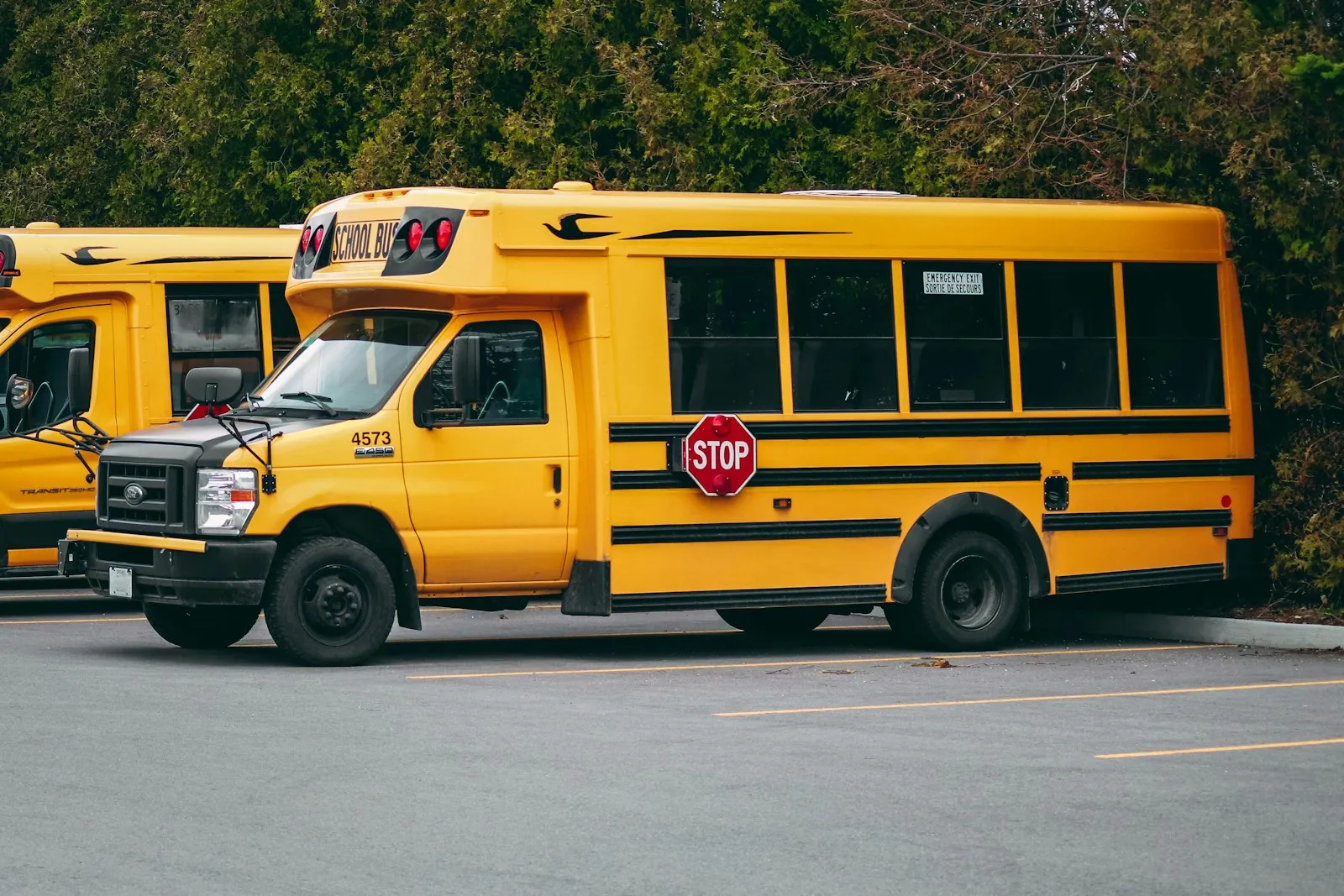
Who Can Be Responsible When a School Bus Crash Injures a Child
Liability follows conduct, not the color of the bus. In the cases we see, responsibility usually falls into one or more of these groups:
- The bus company and its driver. A contractor is generally responsible for the careless driving of its drivers on the job, and for its own failures in hiring, training, supervising and maintaining its fleet. Unsafe lane changes, taking a turn too fast onto Junction Boulevard, starting off before a child is seated or clear of the door, and letting a child off in the middle of traffic all fall here.
- Another driver. Many school bus injuries are caused by the car that rear-ended the bus, ran a light into its side, or passed it while children were crossing.
- A public entity. If the City, the school system or another public body played a role, for example a defective traffic signal or a road condition the City was responsible for, the claim against that entity follows the General Municipal Law rules described below.
The stop-arm law: passing a stopped school bus
New York’s Vehicle and Traffic Law §1174 requires a driver meeting or overtaking a stopped school bus from either direction to stop before reaching it while the bus is showing its red flashing signals to pick up or drop off passengers, and to stay stopped until the lights go off or the driver or a traffic officer signals that it is safe. A first conviction carries a fine of $250 to $400 and five license points, with higher penalties for repeat offenses. New York City also enforces the rule with stop-arm cameras mounted on school buses, which issue tickets to the vehicle owner.
A driver who violates §1174 and hits a child has broken a safety statute, which New York generally treats as negligence in itself, and stop-arm camera footage can be the strongest proof in the case. A school bus accident lawyer in Rego Park should ask about that footage on day one.
No-Fault Benefits for Children Hurt on or Near a School Bus
New York’s no-fault system pays medical bills and certain other expenses regardless of who caused the crash. The surprise for many parents is where that claim goes. Under the no-fault regulations, a person injured while riding in a bus is generally covered first under an auto policy in their own household, if the child is a named insured or relative under one, rather than under the bus company’s policy. Many school districts send parents notices saying exactly that. If no one in the child’s household has a car insurance policy, the bus’s insurer is generally the carrier that pays.
A child struck by an insured car while walking to or from the bus generally claims no-fault through the policy on the vehicle that hit them. Either way, the application for benefits (the NF-2) is generally due within 30 days of the accident. Late filing is one of the most common reasons legitimate claims get denied, so if your child was hurt this week, the no-fault form is the first thing to handle.
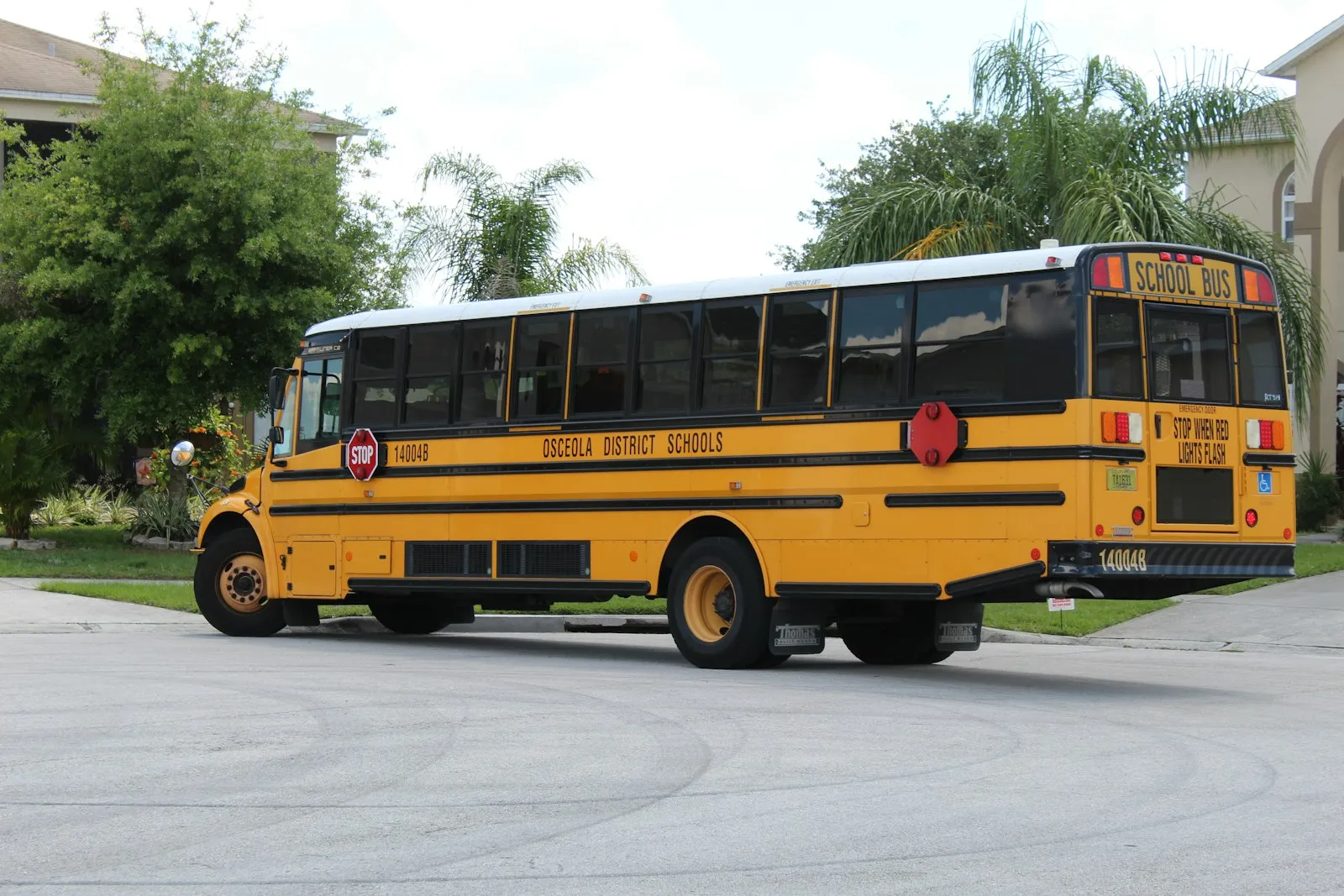
Serious Injury, Fault and the 2026 Changes
No-fault covers the basic economic losses. To recover for pain and suffering from the driver or company that caused the crash, New York requires a “serious injury.” Under the 2026 amendments to the Insurance Law, which apply to motor vehicle cases, there are now eight categories: death; dismemberment; significant disfigurement; fracture; loss of a fetus; permanent loss of use of a body organ, member, function or system; permanent consequential limitation of use of a body organ or member; and significant limitation of use of a body function or system. The old category for an injury that kept someone from usual activities for 90 of the first 180 days was removed.
The amendments also direct that fault be decided before the serious injury question, and new CPLR 1411(b) bars recovery for a claimant found more at fault than the defendants combined in motor vehicle injury actions commenced on or after May 26, 2026; a claimant 50% or less at fault has the award reduced proportionally. For a child seated on a bus, fault is rarely an issue at all. For a child pedestrian, a defense lawyer may try to argue the child ran out, but New York measures a child’s conduct against what is reasonable for a child of similar age, intelligence and experience, not an adult. And a driver who passed a stopped bus with its red lights flashing will have a difficult time shifting blame to the child.
Deadlines for a Rego Park School Bus Claim
Children’s cases have more time in some respects and less in others. Here are the main dates.
| Step | Deadline | What to know |
|---|---|---|
| No-fault application (NF-2) | Generally 30 days from the accident | Filed with the correct carrier, which is often a household auto policy. |
| Notice of Claim against a public entity | 90 days (General Municipal Law §50-e) | A child’s age does not automatically extend this; late notice requires a court’s permission. |
| Lawsuit against a public entity | 1 year and 90 days (GML §50-i) | Infancy tolling can extend the child’s time, but families should not count on it. |
| Lawsuit against a private bus company or driver | 3 years (CPLR 214) | For the child’s own claim, CPLR 208 generally pauses this clock until the child turns 18. |
| Parent’s own claim for the child’s medical expenses | 3 years | The parent’s derivative claim is generally not extended by the child’s age. |
Do not treat the infancy toll as a reason to wait: video is overwritten and the parent’s own claims are not extended. Claims against the City go through the Comptroller, which explains its process on its claim filing page; we prepare and serve the Notice of Claim for our clients so it is accurate and on time.
Infant Compromise Orders: Why a Judge Must Approve a Child’s Settlement
A parent cannot simply sign a release and accept a check on a child’s behalf in New York. Under CPLR 1207 and 1208, a settlement of a minor’s injury claim must be approved by the court through what is called an infant compromise order. The application typically includes a sworn statement from the parent explaining the accident and the settlement, an affirmation from the attorney explaining why the amount is fair and the fee requested, and a current medical report describing the child’s injuries and prognosis. The judge may want to see the child in person.

What to Do in the First Week After a School Bus Accident
- Get your child examined, even if they say they feel fine. Children often underreport pain, and concussion symptoms can appear later. Elmhurst Hospital and Long Island Jewish Forest Hills are both close to Rego Park.
- Write down the bus details: the company name, the bus number painted on the side or rear, the route number, the time and the exact location.
- Ask the school for an incident report and the name of the staff member who handled it. Keep copies of any letters from the school or from OPT.
- Request the police report. Crashes in Rego Park are typically handled by the NYPD’s 112th Precinct.
- Collect names of other parents whose children were on the bus, and of any crossing guard or bystander who saw what happened.
- Do not give a recorded statement to the bus company’s insurer before talking to a lawyer, and do not let your child be interviewed by an adjuster.
- File the no-fault application within 30 days, or let us do it.
Video is the evidence most at risk. Footage from onboard systems, stop-arm cameras and businesses along Queens Boulevard can be lost if no one asks for it promptly. A preservation letter from counsel puts the bus company on notice that the recordings must be kept.
School Bus Routes Around Rego Park: Where the Risks Are
Rego Park is a dense neighborhood of apartment buildings, attached homes and schools packed close together, and the morning bus run reflects that. Buses serve public schools such as P.S. 139 on 63rd Drive, P.S. 174 William Sidney Mount and J.H.S. 157 Stephen A. Halsey, along with the many yeshivas and private schools that families in the neighborhood attend. When parents ask a school bus accident lawyer in Rego Park where crashes happen, these places come up again and again:
- Queens Boulevard crossings. Children who get off a bus on the far side of Queens Boulevard have to cross one of the widest roads in the borough, with center lanes and service roads moving at different speeds.
- 63rd Drive near the Rego Center and the 63 Dr–Rego Park subway station. Buses stop near heavy shopping and transit foot traffic, delivery trucks double-park, and drivers turning in and out of the mall area may not see a small child.
- Woodhaven Boulevard and Junction Boulevard. High-volume corridors where impatient drivers are tempted to go around a bus that is loading.
- Long Island Expressway service roads. Fast traffic coming off the expressway meets residential streets and bus stops.
Damages a Family Can Recover
A child’s case is valued over a lifetime, not just through the end of the school year. Depending on the injuries, compensation may include:
- Medical and therapy costs not paid by no-fault, including future surgery, physical therapy and counseling
- Pain and suffering, past and future, once the serious injury threshold is met
- The effect of a lasting injury on the child’s education, activities and future earning ability
- Scarring and disfigurement, which courts take seriously for young people
- The parent’s own claim for the child’s medical expenses and the value of services lost

How We Work as Your School Bus Accident Lawyer in Rego Park
- We start with the deadlines: the no-fault application within 30 days and, if a public entity may be involved, the 90-day Notice of Claim.
- We identify the bus company, its insurer and the route, and send preservation letters for video, GPS and maintenance records.
- We get the police report and the school’s incident paperwork, and speak with other families whose children were on board.
- We work with your child’s pediatrician and specialists so the medical record actually describes how the injury affects school, sleep and play.
- We negotiate with the insurers and, if they will not pay fairly, file suit, usually in Supreme Court, Queens County.
- When the case resolves, we prepare the infant compromise papers and attend the hearing.
Attorney Yakov Mushiyev and our team handle children’s injury claims on a contingency fee, so there is no fee unless we recover. You can read more about our approach to bus accident cases generally, or see our main Rego Park accident lawyer page for other kinds of crashes in the neighborhood. If a parent was also hurt while driving, our guide to the steps to file a car accident claim in Queens covers the adult side of the claim.
Directions from Rego Park to Our Office
Yakov Mushiyev & Associates, P.C.
1 Cross Island Plaza, Suite 325
Rosedale, NY 11422
Phone: 718.775.3110
Hours: Monday to Friday, 9:00 a.m. to 6:00 p.m.
Home and hospital visits available
By car: From Rego Park, take the Van Wyck Expressway (I-678) south, or the Grand Central Parkway to the Van Wyck, then follow the Belt Parkway east toward the Cross Island Parkway and exit toward Rosedale. Our office is in Cross Island Plaza near the Queens–Nassau line. The drive typically takes 25 to 40 minutes depending on traffic.
By transit: Take the LIRR from Forest Hills station to Jamaica, transfer to a Far Rockaway Branch train to Rosedale station, then take a short cab ride to the office. With a hurt child at home, many families prefer that we come to them, and we do. Get directions on Google Maps.

School Bus Accident FAQs for Rego Park Parents
Can I sue the City if my child was hurt on a yellow school bus?
Usually the main claim is against the private bus company that runs the route under contract, and against any other driver who caused the crash. A claim against the City or another public entity is possible only if that entity’s own conduct contributed, and it requires a Notice of Claim within 90 days. Because the deadline is short, we evaluate this question at the start of every case.
My child seemed fine after the bus braked hard. Should I still see a doctor?
Yes. Children often say they are fine and then complain of headaches, neck pain or trouble concentrating a day or two later. A prompt exam protects your child’s health and creates a record that connects any injury to the accident.
Whose insurance pays my child’s medical bills after a school bus crash?
Under New York’s no-fault rules, a child injured as a bus passenger is generally covered first by an auto policy in the child’s household, if there is one. If no one in the household has auto insurance, the bus company’s insurer generally pays. The application is generally due within 30 days.
How long do we have to file a lawsuit for a child hurt on a school bus?
Against a private bus company, the general limit is three years, and for the child’s own claim that period is usually paused until the child turns 18. Claims against a public entity require a Notice of Claim within 90 days and suit within one year and 90 days. Parents’ own claims are not extended, so it is best to act quickly.
Which schools and areas in Rego Park see the most bus traffic?
Buses serve P.S. 139, P.S. 174, J.H.S. 157 and many private schools and yeshivas in and around Rego Park, and they travel heavily along Queens Boulevard, Woodhaven Boulevard, Junction Boulevard and 63rd Drive. Families can find route and eligibility information from the NYC Public Schools transportation office.
Do you meet families in Rego Park?
Yes. Our office is in Rosedale, but we regularly meet families at home, in the hospital or by video, so you do not have to travel with an injured child.
Talk to a School Bus Accident Lawyer in Rego Park Today
If your child was hurt on or near a school bus, the first 30 days decide a lot. Call 718.775.3110 or contact us online for a free consultation. We can come to your home or the hospital, and there is no fee unless we recover for your family.
This page provides general information about New York law and is not legal advice. Reading it does not create an attorney-client relationship. Every case depends on its own facts. Attorney Advertising.