
If you are reading this, chances are something happened on a ride you have probably taken a hundred times. Maybe it was the morning loop along the bay, a quick trip to the store on Northern Boulevard, or the commute across Queens Boulevard you know by heart. Then a car door, a careless turn, or a driver who never looked changed everything. We are sorry you are going through this. As a Bicycle Accident Lawyer in Queens, Yakov Mushiyev & Associates, P.C. is here to help neighbors like you get through it, from our office at 1 Cross Island Plaza in Rosedale.
We wrote this page the way we would talk to you over a cup of coffee: honestly, without jargon, and with a real sense of what riding in this borough is like. We will explain how we help, what the law means for you in everyday terms, and what to expect. For a practical, step-by-step timeline of what to do in the hours, days, and weeks after a crash, see our step-by-step guide for Queens bicycle crash victims.
How a Bicycle Accident Lawyer in Queens Can Lighten the Load
After a crash, life gets complicated fast. There are doctors to see, a bike to deal with, work you might be missing, and insurance companies calling. Our role is to take as much of that weight off your shoulders as we can, so you can focus on healing.
- We listen first. Every crash is different, and your story matters. We want to understand what happened, how you are feeling, and what worries you most.
- We handle the insurance companies. Adjusters can be friendly, but their job is to limit what their company pays. Once we are involved, they talk to us.
- We gather the proof. Video from nearby businesses, witness accounts, the police report, photos of the scene, and your medical records all help tell your story.
- We keep track of the deadlines. Some deadlines are surprisingly short. We make sure none slip by while you are recovering.
- We explain every step. You should never feel in the dark about your own case.
Our firm handles many kinds of injury matters, which you can see on our practice areas page. But bicycle cases have a special place for us, because they so often involve people who did nothing wrong except ride where they had every right to be.
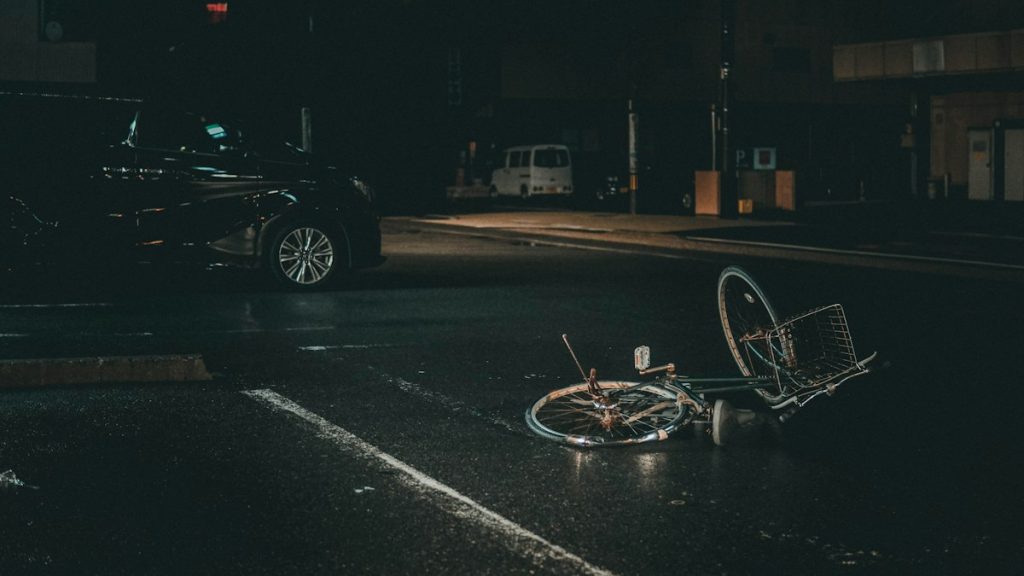
We Know the Streets You Ride
Queens is a wonderful place to ride and a challenging one too. The same streets that connect our neighborhoods can be unforgiving to cyclists.
Queens Boulevard has come a long way with its protected bike lanes, but its wide intersections still invite right-turning drivers to cut across riders. Northern Boulevard stays busy from Long Island City clear out to Little Neck, with buses pulling in and out and drivers changing lanes without signaling. Vernon Boulevard in Long Island City and Astoria draws riders heading toward the waterfront parks, while construction and delivery trucks crowd the road. Out in the Rockaways and Broad Channel, Cross Bay Boulevard and Rockaway Beach Boulevard fill with beach traffic in summer. And in neighborhoods like Bayside, Flushing, and Jamaica, double-parked cars and quick-opening doors are part of everyday riding.
We mention these places not to scare anyone off a bike, but because knowing the road helps us understand how your crash happened. When you tell us “the corner by the bakery on 37th Avenue” or “where the bike lane ends on the boulevard,” we can picture it, and we know where to look for cameras and witnesses.
What the Law Means for You, in Plain Terms
Legal language can feel cold when you are hurting. Here is what the main rules mean in kitchen-table terms.
Drivers have to watch out for you
New York law, in VTL §1146, requires drivers to use due care to avoid hitting bicyclists, pedestrians, and others. A driver who turns without looking, opens a car door into your path, or passes too close may have failed in that duty. “I didn’t see the cyclist” is not an excuse the law accepts lightly.
Your medical bills may start with the car’s insurance
Here is something many riders don’t know. When a bicyclist is struck by a car in New York, no-fault benefits are generally claimed through the vehicle’s insurer. No-fault pays basic economic loss up to $50,000 per person regardless of who caused the crash: necessary medical bills, 80% of lost earnings up to $2,000 per month, and up to $25 per day for other reasonable expenses. The application is generally due within 30 days of the accident, so it is one of the first things we help with. If you or a relative you live with has car insurance, that may affect which policy pays, so tell us about any auto insurance in your home.
Pain and suffering takes a “serious injury”
To recover for pain and suffering after a crash involving a car, New York requires proof of a “serious injury” under Insurance Law §5102(d). That includes things like fractures, significant disfigurement, permanent loss of use, and significant or permanent limitations in how a part of your body works. Broken wrists, collarbones, and elbows are sadly common for riders who are thrown from a bike, and those fractures fall within the law’s categories. For other injuries, careful medical documentation is what makes the difference.
Losses beyond no-fault
If your medical costs or lost earnings go past what no-fault pays, those extra economic losses can be pursued against the driver who caused the crash, whether or not your injury meets the serious injury threshold.
When fault is shared
Insurers sometimes try to put part of the blame on the rider: you were riding outside the bike lane, you didn’t have a light, you were going too fast. Sometimes those arguments have something to them; often they don’t. Either way, how fault is divided now matters more than it used to.
2026 update: For motor-vehicle personal injury lawsuits commenced on or after May 26, 2026, amended CPLR 1411 provides that an injured person found more than 50% at fault recovers nothing, and one found 50% or less at fault has their recovery reduced by that share. The 2026 law also removed the “90/180-day” category from the serious injury definition. For a cyclist hit by a car, that means fault evidence and medical documentation both carry more weight. Bicycle falls that do not involve a motor vehicle, such as a fall caused only by a road defect, remain under pure comparative fault.
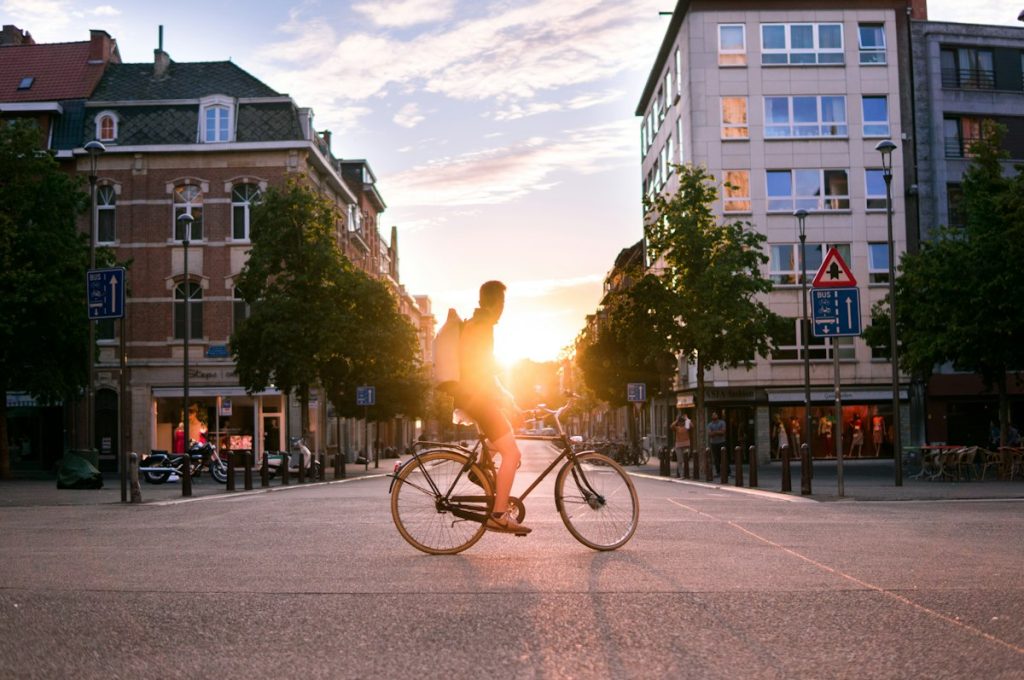
The Kinds of Crashes We Hear About Most
Every story is personal, but some patterns come up again and again among Queens cyclists.
The door that opened out of nowhere
Being “doored” is one of the most frightening things that can happen on a city bike. One moment the lane is clear; the next, a door swings open and there is nowhere to go. New York’s rules of the road restrict opening a vehicle door unless it is reasonably safe, and the person who opened it may be responsible. If a passenger opened the door, the driver and owner may also be part of the picture.
The turn across your path
Right-turning drivers crossing a bike lane and left-turning drivers who misjudge an oncoming rider cause many serious crashes. Intersection collisions like these share a lot with side-impact car crashes, which our page on T-bone accident claims in Queens explains in more detail.
The close pass and the sideswipe
A driver who squeezes past with inches to spare, or drifts into the bike lane while looking at a phone, can clip a rider’s handlebar and send them down hard. These crashes often happen fast, which makes witnesses and video especially valuable.
The pothole, the plate, the broken pavement
Sometimes there is no car at all. A deep pothole, a steel construction plate, or a crumbling edge can throw a rider. If the City may be responsible, a Notice of Claim is generally due within 90 days under General Municipal Law §50-e, and a lawsuit generally within one year and 90 days. In many City roadway cases, the City must have had prior written notice of the defect. If a utility or contractor dug up the road, they may be responsible instead. Please don’t wait on these; that 90-day window closes quickly.
If your crash involved an electric scooter rather than a bike, our page on electric scooter accident claims in Queens walks through the differences.
The Parts of Recovery Nobody Warns You About
A bike crash is not only about broken bones and bills. Many riders tell us about the quieter struggles too, and we think they deserve to be said out loud.
The fear of getting back on. Some people can’t look at their bike for months. Others find themselves flinching at every parked car. That anxiety is real, and it is worth mentioning to your doctor.
The lost routines. The Saturday ride with friends, the commute that cleared your head, the trips with your kids to the park. When those disappear, life feels smaller. These losses are part of what pain and suffering is meant to recognize, which is why we encourage clients to keep a few notes about the moments they miss.
The strain at home. When you can’t carry groceries, drive, or work, family members step in. That help is a gift, and it also tells the story of how much the injury has changed things.
The waiting. Healing takes time, and so do claims. We will be honest about where things stand, and we will check in so you are never left wondering.
Small Things That Make a Big Difference
You don’t need to become an expert. But a few simple habits help your claim and your recovery:
- Keep your damaged bike, helmet, and clothing; please don’t throw them out or repair them before they are photographed.
- Go to your medical appointments, and if you need to miss one, reschedule rather than letting it slide.
- Keep receipts for medications, rides to the doctor, and anything you had to buy because of the injury.
- Stay off social media about the crash. Even an innocent post can be twisted.
- Let us handle the insurance calls. If someone calls you, take their name and number and pass it along.
The NHTSA bicycle safety page also has helpful guidance for riders getting back on the road when they are ready.
Three Queens Spots Close to Every Rider’s Heart
Little Neck Bay and the Joe Michaels Mile
For many northeast Queens riders, the Joe Michaels Mile along Little Neck Bay is the ride. The waterfront path in Bayside runs beside the Cross Island Parkway, with the bay on one side and long views toward the Throgs Neck Bridge, and on a nice morning it is full of cyclists, joggers, and families. The path itself is separated from cars, but getting to it means crossing local streets and riding near parkway ramps where drivers are focused on merging. Riders coming and going through Bayside and Douglaston should take extra care at those crossings. The parkway beside it also happens to lead almost directly to our office.
Forest Hills Stadium
Forest Hills Stadium is the historic tennis stadium in Forest Hills, once home to major championship tennis and now a well-loved outdoor concert venue. It sits within a quiet, tree-lined residential area near Forest Hills Gardens, a short distance from Queens Boulevard and Austin Street. On concert nights, the neighborhood streets fill with pedestrians, rideshare cars, and drivers searching for parking, which makes riding through the area trickier than usual. Cyclists heading home along Queens Boulevard after a show should be especially alert to turning cars.
The Poppenhusen Institute in College Point
The Poppenhusen Institute is a historic nineteenth-century building in College Point that has served the community for generations as an educational and cultural center, and it is often noted as the site of one of the first free kindergartens in the country. Today it hosts classes, exhibits, and community events. College Point’s streets mix residential blocks with industrial and commercial traffic, including trucks heading to and from nearby businesses and the Whitestone Expressway area. Riders around College Point Boulevard and 14th Avenue should watch for wide-turning trucks and drivers backing out of loading areas.
Directions to Our Rosedale Office from Little Neck Bay
From the Joe Michaels Mile area along Little Neck Bay in Bayside, get on the Cross Island Parkway southbound. Follow it along the eastern edge of Queens, past the Long Island Expressway and the Grand Central Parkway, toward the Belt Parkway interchange. Exit for Rosedale near Brookville Boulevard; 1 Cross Island Plaza sits just off the parkway.
Questions Neighbors Ask About Bicycle Crashes
I feel guilty because I was riding a little outside the bike lane. Should I still call?
Yes, please do. Riders have good reasons to leave a bike lane — a double-parked truck, debris, a car door, a turning vehicle. Being outside the lane doesn’t automatically make you at fault. Even if some fault is assigned to you, you may still have a claim, though under the 2026 rules for motor-vehicle cases, the amount of fault matters a lot. Let us look at the whole picture before you judge yourself.
My child was hurt riding a bike. What should we do first?
Get your child checked by a doctor, even if they seem fine; kids often downplay pain. Keep the bike and helmet, take photos, and write down what happened while it’s fresh. A child’s claim has special rules, including court approval of settlements in many cases. We will walk your family through every step gently and carefully.
I don’t own a car. Can I still get no-fault benefits?
Often, yes. When a bicyclist is struck by a car, no-fault benefits are generally claimed through the vehicle’s insurer. If someone in your household owns a car with insurance, that policy may come into play instead. Either way, the application is generally due within 30 days, so don’t let it wait.
The driver was really kind and apologized. Do I have to make a claim against them?
A claim is made against the driver’s insurance, which exists exactly for situations like this. It doesn’t mean you think the driver is a bad person. Kind people make mistakes, and the insurance they pay for is meant to cover those mistakes. You can be gracious and still protect yourself.
I was riding a Citi Bike. Does that change anything?
The basic rules about the driver’s duty of care, fault, and deadlines still apply. Whether any additional coverage or terms are involved depends on the bike-share program and the circumstances. Keep your trip record from the app, and photograph the bike’s number and condition if you can.
Can I get help with my bike repairs too?
Yes. Damage to your bike, helmet, phone, clothes, and other belongings can be part of a claim against the driver who caused the crash. Keep the damaged items and get a written estimate from a bike shop before repairs if possible.
I’m nervous about going to court. Will I have to?
Many cases resolve without a trial. If a lawsuit is filed, you would likely answer questions under oath at a deposition, with us right beside you. We prepare you well ahead of time, so nothing catches you off guard.
What if the driver didn’t stop?
Call 911 and report it as soon as you can, and write down anything you remember about the car. If the driver can’t be found, your own or a household member’s uninsured motorist coverage, or MVAIC as a last resort, may help. Those have strict notice requirements, so please reach out quickly.
My injury isn’t that bad. Is it worth calling a lawyer?
It’s worth a conversation. Some injuries turn out to be worse than they first seem, and there are deadlines that apply no matter how minor things look. If it turns out you don’t need us, we’ll tell you honestly and point you in the right direction.
Can I come in on a weekend or talk by phone?
Call us to arrange a time that works for you. Many people start with a phone conversation, and we can review documents you send us before meeting in person at our Rosedale office.
Reach Out to a Bicycle Accident Lawyer in Queens Who Cares
You don’t have to figure all of this out alone. A Bicycle Accident Lawyer in Queens can handle the insurance companies, protect your deadlines, and help your family through a hard season, while you focus on getting well. If you ride near the Nassau border, our page on bicycle accident help in Bellerose may be useful, and our FAQ page answers more general questions.
Call Yakov Mushiyev & Associates, P.C. at 718.775.3110 or send us a note online. We’re right here in Rosedale, and we’d be glad to hear from you.
Related reading: Bicycle Accident Lawyer in Queens: a step-by-step guide after a crash.
General information, not legal advice. Attorney Advertising. Prior results do not guarantee a similar outcome.