
You fell on a Queens sidewalk. Maybe a raised slab caught your toe. Maybe a cracked flag gave way. Maybe ice that should have been cleared sent you down hard. Whatever happened, the next few days matter more than most people realize. Yakov Mushiyev & Associates, P.C. is a personal injury firm in Rosedale, and as a sidewalk accident lawyer in Queens we see the same problem again and again: good claims weakened by small delays. This page is a checklist. Short steps. Clear reasons. Do them in order.
Want the deeper legal background on who owns what and why? Read our detailed guide to sidewalk injury law in Queens. Here, we focus on action.
Hurt on a Queens Sidewalk? Who We Are as Your Sidewalk Accident Lawyer in Queens
We represent people injured on sidewalks, curbs, driveways, tree pits and bus stop pads across Queens, from Astoria to Far Rockaway. We find the responsible party. We preserve the evidence. We serve the right notices on time. We document your injuries and losses. We handle the insurance company and, when needed, the City.
Sidewalk claims are technical. Responsibility can sit with a building owner, a store tenant, a utility, a contractor or the City of New York. Deadlines can be as short as 90 days. That is why we move fast from the first call. If you fell close to the Nassau line, our page on sidewalk accident claims in Bellerose may also help. And you can read more about our firm and Yakov Mushiyev.
Now, the steps.
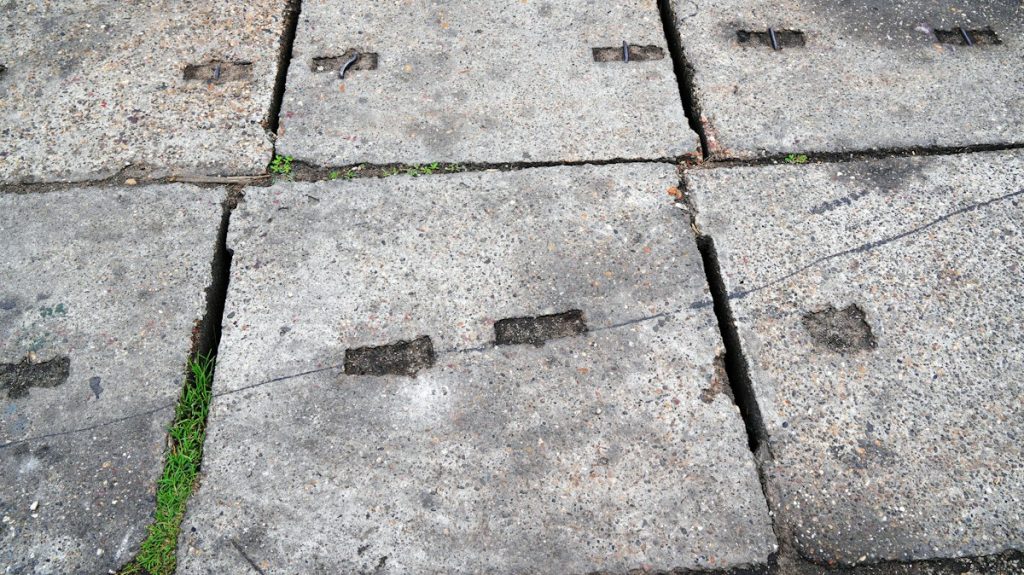
Step 1: Get Medical Care Now
Do not walk it off. Sidewalk falls cause broken wrists, fractured hips, torn ligaments, knee damage, facial injuries and concussions. Some of these do not announce themselves right away.
- Call 911 if you hit your head, cannot bear weight, or see an obvious deformity.
- Otherwise, go to an emergency room or urgent care the same day.
- Tell the provider exactly where and how you fell: “I tripped on a raised sidewalk slab in front of a store on Northern Boulevard.”
- Follow every referral. Orthopedist. Imaging. Physical therapy.
Why it matters: your medical record becomes the first official account of the accident. Gaps in treatment are what insurers use to argue you were not really hurt.
Step 2: Photograph the Sidewalk Before It Changes
Owners fix defects quickly after someone gets hurt. Snow melts. Debris gets swept. Photograph everything now, or ask a family member to go back within a day.
- Wide shots showing the building, the address and the nearest cross street.
- Medium shots showing the defect in context: the whole slab, the curb, the tree pit.
- Close-ups with a ruler, tape measure, coin or key next to the defect for scale.
- Photos from your eye level, the way you saw it while walking.
- Photos at the same time of day you fell, to show lighting and shadows.
- Your shoes and your injuries, on day one and as bruises develop.
Measure the height difference if you can. Note any patch marks, spray paint or markings from utilities. These can show who worked on the sidewalk and when.
Step 3: Write Down What Happened Today
Memory fades fast. Write a short account while it is fresh. Where were you going? What time was it? What was the weather? What were you carrying? What did you see, or not see, before you fell? Who helped you?
Get names and phone numbers of witnesses. Ask nearby store employees if they saw anything. Ask whether the store or building has cameras pointing at the sidewalk. Write down the names of anyone you speak with.
Keep your account private. Share it with your lawyer. Do not post it online.
Step 4: Find Out Who Is Responsible for That Stretch of Sidewalk
This is the step most people get wrong. In New York City, the owner of the property next to a sidewalk is generally responsible for maintaining it under Admin Code Section 7-210, and is generally liable for injuries caused by failing to do so. The main exception: owner-occupied one-, two- and three-family homes. There, the City generally remains responsible, subject to prior written notice rules under Admin Code Section 7-201.
Other parties can share responsibility:
- Store tenants whose leases require them to maintain the sidewalk.
- Utilities that own covers, gratings or vaults set into the walk.
- Contractors who recently dug up, patched or repaired the area.
- The MTA or City agencies at certain bus stops, subway entrances or public property.
- Neighboring owners when a driveway apron or curb cut crosses the walk.
We check property records, permits, complaints and lease terms to name every party that may be responsible. Naming the wrong party wastes months. Missing one can cost you a source of recovery.
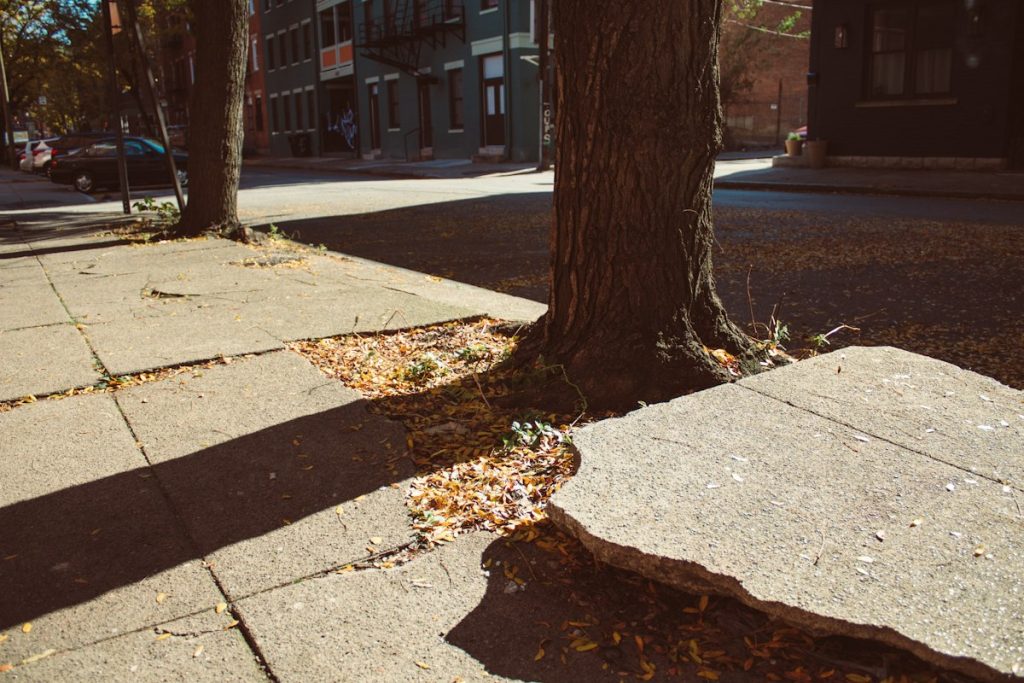
Step 5: Assume You Have Only 90 Days
The general personal injury deadline in New York is three years under CPLR 214(5). Do not rely on it. If the City of New York, a City agency or many public authorities may be responsible, a Notice of Claim generally must be served within 90 days of the fall under General Municipal Law Section 50-e. The lawsuit itself generally must follow within one year and 90 days.
The City can also demand a pre-suit examination, often called a 50-h hearing, where you answer questions under oath about the accident and your injuries. Prepare for it like a deposition. It matters.
Until a lawyer confirms who owns the sidewalk and whether a public entity is involved, treat the 90-day deadline as yours. Calendar it today.
Step 6: Do Not Give the Insurer a Recorded Statement
Expect a call. The building owner’s insurance carrier may reach out within days, sounding friendly and helpful. They will ask to record your version of events. They may send a medical authorization. They may suggest a quick payment.
Stop. Be polite. Say you will have your lawyer contact them. Then call one.
- Recorded statements are used to find phrases that shift blame onto you.
- Broad authorizations let insurers dig through years of unrelated medical history.
- Quick payments often come with a release that ends your claim for good.
You are generally not obligated to give the other side’s insurer a recorded statement. Protect your claim by routing communication through counsel.
Step 7: Keep Every Bill and Track Every Lost Day
Start a folder. Paper or digital. Put everything in it.
- Emergency room, imaging, specialist and therapy bills.
- Explanation of benefits statements from your health plan.
- Pharmacy receipts and equipment costs: braces, crutches, a shower chair.
- Pay stubs and a list of each missed day or shortened shift.
- Rides to appointments, paid help at home, childcare you had to arrange.
Also keep a short weekly note on pain and limits. Could not climb the stairs to the 7 train. Could not lift your grandchild. Could not stand through a work shift. These details show how the injury changed your life, which matters for pain and suffering.
A sidewalk fall is not a motor vehicle accident, so no-fault benefits generally do not apply. Use your health insurance for treatment now. Any lien gets addressed at the end of the case.
Step 8: Understand How Fault Will Be Argued
Expect the defense to say you should have seen the defect. Expect questions about your shoes, your phone, your pace and the lighting. In a sidewalk case, New York applies pure comparative fault under CPLR 1411. Any share of fault assigned to you reduces your recovery by that percentage. It does not wipe it out.
2026 update: New York’s 2026 amendments, effective May 26, 2026, introduced a modified comparative fault rule (no recovery above 50 percent fault) and changed the serious-injury threshold, but only for motor-vehicle personal injury actions commenced on or after that date. A sidewalk trip or slip is a premises case, so it remains under pure comparative fault, and the motor-vehicle serious-injury threshold does not apply.
Your photos, your measurements and your witnesses are the answer to blame-shifting. That is why Steps 2 and 3 come first.
Step 9: Know the Queens Sidewalk Hazards to Document
Every neighborhood has its own patterns. Name the hazard precisely when you report it and when you describe it to your doctor.
- Tree-root heaving. Common on residential blocks in Flushing, Bayside, Fresh Meadows and Rosedale.
- Raised or sunken flags. Slabs that shift after years of freeze and thaw.
- Broken curbs and curb cuts. Especially at busy crossings on Queens Boulevard and Hillside Avenue.
- Cellar doors and vault covers. Metal plates in front of older commercial buildings on Jamaica Avenue and Steinway Street.
- Utility covers and gratings. Loose, raised or sunken plates.
- Snow and ice. Owners must clear sidewalks within set times after a storm under City rules. Uncleared ice and refrozen melt are common causes of falls.
- Construction zones. Missing barriers, uneven temporary walkways, hoses and cables.

Step 10: Call a Sidewalk Accident Lawyer in Queens Before the Evidence Disappears
Do not wait until the cast comes off. Call early. A lawyer can send preservation letters for video and maintenance records, check ownership and permit history, file the Notice of Claim if the City or a public authority may be involved, and keep the insurer away from you while you heal.
Sidewalk falls often happen while people are on the way to somewhere else: a train, a bus, a parked car. If your fall happened inside a garage or a structure rather than on a public walk, see our page on Queens parking garage injury claims. If a vehicle struck you on or near the sidewalk, our Queens auto accident lawyer page explains the different rules that apply. The CDC’s fall resources are also worth a read, especially for older family members.
Three Queens Landmarks to Reach on Foot, Carefully
Queens has destinations worth walking to. Here are three, and what to watch for on the way.
Idlewild Park Preserve
Idlewild Park Preserve sits in southeastern Queens near Rosedale and Springfield Gardens, close to JFK Airport and just a short drive from our office. It protects salt marsh, wetlands and woodland along the edge of Jamaica Bay, and its nature center draws school groups and families. Sidewalks along the surrounding residential and industrial streets can be uneven, and some stretches near the park see limited foot traffic and maintenance attention. Because the preserve is City parkland, a fall on a path or walk that the City maintains can trigger the 90-day Notice of Claim rule.
Astoria Park
Astoria Park stretches along the East River in Astoria, with sweeping views of the Hell Gate Bridge and the Robert F. Kennedy Bridge. It is home to a large public pool that dates to the 1930s, a running track and waterfront paths along Shore Boulevard. On summer weekends, the surrounding sidewalks fill with families, joggers and people carrying coolers. Root-lifted sidewalks along the park’s edges and busy crossings near the bridge approaches are the kind of spots to photograph carefully after any fall.
The Queens County Farm Museum
The Queens County Farm Museum in Floral Park, on Little Neck Parkway, is a working farm whose land has been farmed since the 1600s, making it one of the longest continuously farmed sites in New York State. Visitors come for the farmhouse, animals, orchards and seasonal events. Grass, gravel and dirt surfaces mean uneven footing is part of the experience, while the residential sidewalks leading to the entrance are subject to the usual abutting-owner rules. If you fall on the way, document exactly where the sidewalk ended and the farm property began.
Directions to Our Rosedale Office from Idlewild Park Preserve
From Idlewild Park Preserve, head north on Brookville Boulevard toward the Belt Parkway and the Cross Island Parkway interchange. Cross Island Plaza sits just off that interchange in Rosedale; follow local signs into the office complex and come up to Suite 325. It is one of the shortest trips to our office from any Queens landmark, usually just a few minutes by car.
Quick Answers After a Queens Sidewalk Fall
Should I call 311 to report the broken sidewalk?
Reporting a hazard to 311 can help protect others, and it creates a record of the condition. But a 311 report made after your fall does not replace a Notice of Claim, and it does not preserve your rights against the City or a property owner. Take your photographs first, write down the complaint number if you file one, and talk to a lawyer about the formal notice deadlines that may apply to your fall.
I fell near a sidewalk shed or construction site. Who is responsible?
When construction affects a sidewalk, the property owner and the contractors doing the work may share responsibility for keeping pedestrians safe. That can include maintaining sidewalk sheds, temporary walkways, barriers and ramps, and keeping hoses, cables and debris out of the path. Photograph the work area, any permit postings and company names on equipment or signs. Those details help identify every responsible party.
I slipped on ice in front of a store. Is the store responsible?
Possibly. Abutting property owners in New York City are generally responsible for sidewalk maintenance, including snow and ice removal within the time limits set by City rules after a storm ends. A store tenant may also have that duty under its lease. Timing is important: when the storm ended, whether the owner cleared the walk, and whether a cleared area refroze. Weather records and photos help establish those facts.
Do I need a police report for a sidewalk fall?
Not necessarily. Police often do not respond to sidewalk falls unless someone calls 911. What matters more is a clear, early record: medical records describing how you fell, photographs, witness information, and any incident report made by a store or building. If police or EMS did respond, note the details so the records can be requested later.
I fell at a bus stop on the sidewalk. Is that the MTA’s responsibility?
It depends on exactly where you fell and what caused it. A bus stop pad or shelter may involve different parties than the regular sidewalk around it, including the City, the adjacent owner or transit-related entities. Claims against public bodies generally require a Notice of Claim within 90 days. Photograph the bus stop sign, shelter and exact spot of the fall so ownership can be traced.
What is a 50-h hearing, and do I have to attend?
A 50-h hearing is a pre-suit examination that the City and many public entities can demand after receiving a Notice of Claim. You answer questions under oath about the accident, your injuries and your background. If the entity properly demands it, attending is generally required before a lawsuit can proceed. Preparation with your lawyer is important, because your testimony can be used later in the case.
The owner says the store tenant is responsible. What happens now?
Finger-pointing between owners and tenants is common. The owner may have a statutory duty as the abutting owner, while the tenant may have taken on maintenance duties in the lease. Both can be named in a claim, and their insurers often sort out who pays between themselves. You should not have to resolve that dispute before your claim moves forward.
A utility cover or grating caused my fall. Who do I claim against?
Under City rules, owners of covers and gratings set into the street or sidewalk are generally responsible for maintaining them and the surrounding area. That owner may be a utility company, a building owner with a cellar vault, or another entity. Photograph any markings or company names stamped on the plate. Those markings are often the fastest way to identify the right party.
I am in the hospital. Can my family start the process for me?
Yes, family members can help right away. They can photograph the scene, collect witness information, request incident reports and contact a lawyer. Deadlines like the 90-day Notice of Claim generally keep running even while you are hospitalized, so it is important that someone act early. The claim itself is brought in the injured person’s name, and your lawyer will explain who can sign documents if you are unable to.
I don’t live in Queens. Can I still bring a claim for a fall here?
Yes. Visitors, commuters and delivery workers who are hurt on a Queens sidewalk have the same rights as residents. The claim is generally governed by New York law and the rules for the location where you fell. Working with a local firm helps with practical matters like site inspections, City notice procedures and Queens County court practice.
Call Our Rosedale Office Today
Do the steps. Then call us. Yakov Mushiyev & Associates, P.C. helps people hurt on sidewalks throughout Queens. Call 718.775.3110 or send us a message online, and we will review the facts, identify who may be responsible, and tell you which deadlines apply. Have more general questions first? Visit our FAQ page.
Related reading: Sidewalk Accident Lawyer in Queens: the myths insurers rely on, and the facts.
General information, not legal advice. Attorney Advertising. Prior results do not guarantee a similar outcome.