
If you tripped on a raised slab outside a house on 243rd Street, or caught your foot in a crumbling patch of concrete by a bus stop on Hillside Avenue, you probably have the same handful of questions every injured pedestrian has. As a Sidewalk Accident Lawyer in Bellerose families call when the ground literally gives way, Yakov Mushiyev & Associates, P.C. hears those questions every week. So instead of a lecture, this article is laid out the way a first consultation usually goes: you ask, we answer, plainly.
Everything below is general information about New York law. Every fall is different, and the details of your case matter, so treat this as a starting point for a real conversation rather than a final answer.
“Is a sidewalk fall really a legal case, or just bad luck?”
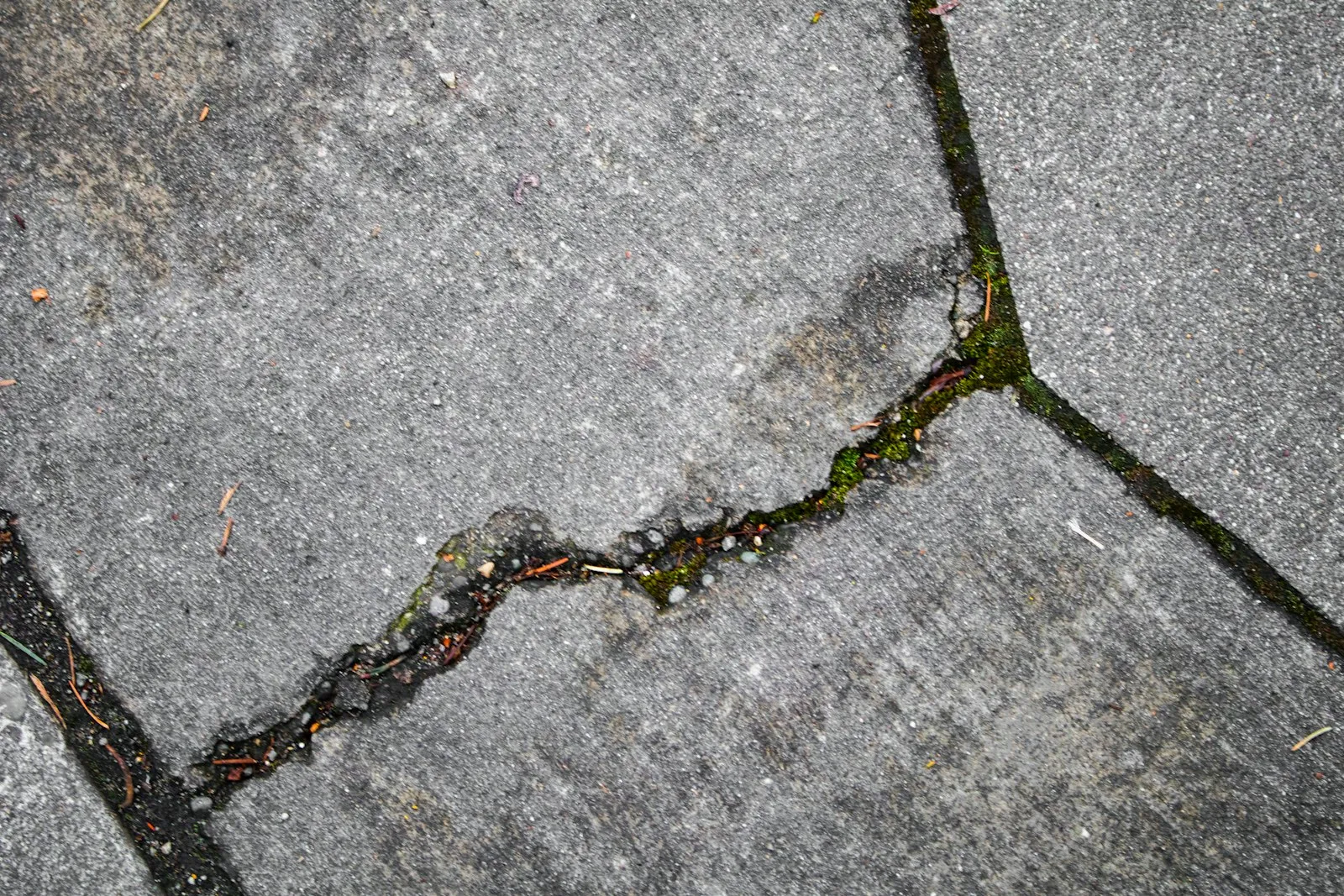
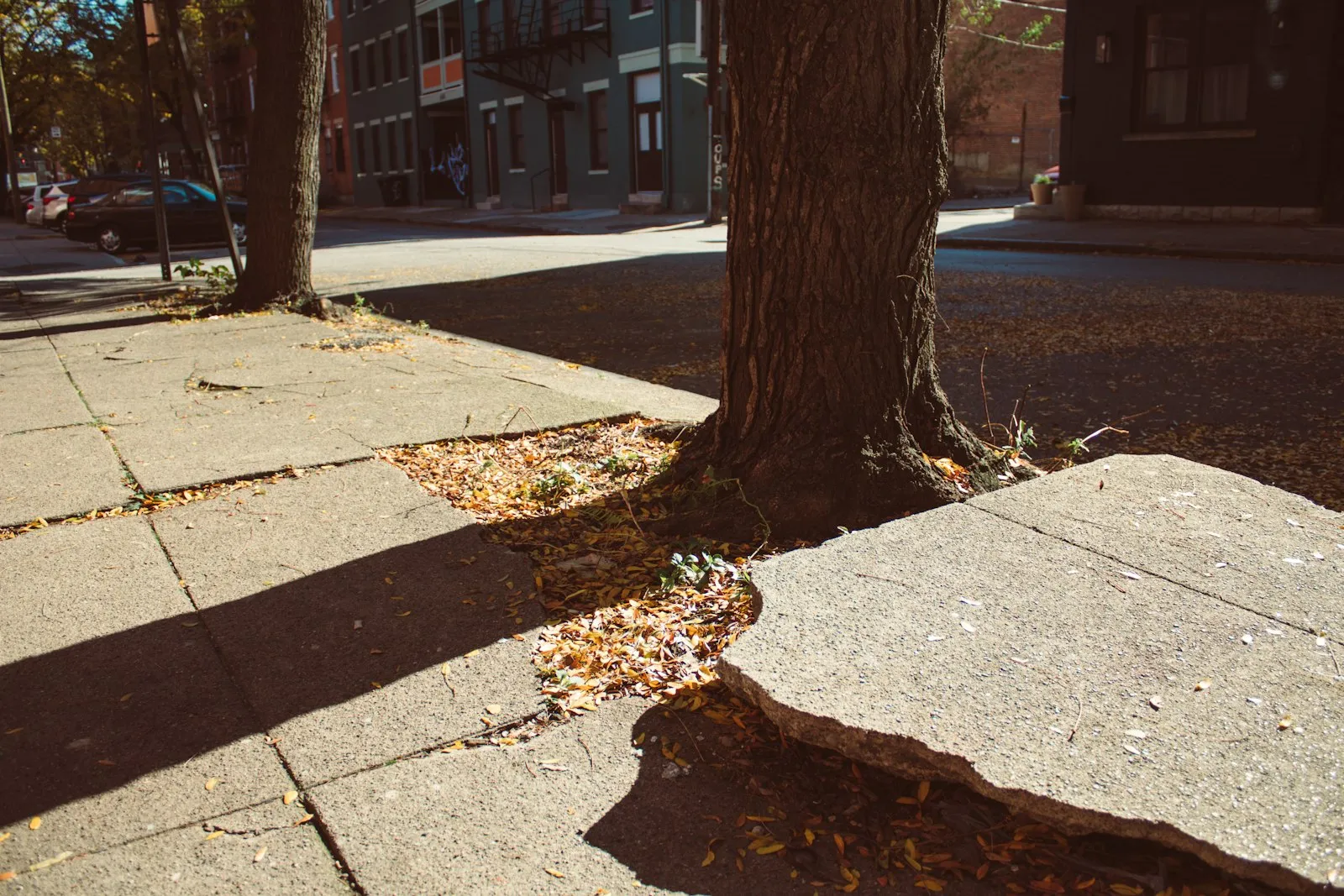
Sometimes it is just bad luck. People stumble on perfectly level pavement, and nobody owes them anything for that. But a large share of sidewalk falls in Queens are caused by conditions that someone had a legal duty to fix: slabs lifted an inch or more by tree roots, missing chunks of concrete, broken curbs, uncovered utility openings, sunken areas that collect ice, and sloppy temporary patches left behind after construction or utility work.
When a defect like that causes a fall and a real injury, New York law gives the injured person a way to recover medical costs not covered elsewhere, lost wages, and compensation for pain and suffering. The question is never “did you fall?” It is “who was responsible for that piece of sidewalk, did they know or should they have known it was dangerous, and how badly were you hurt?”
“Who is actually responsible for the sidewalk in front of a house in Bellerose?”
This is the question that surprises most people. In New York City, the sidewalk is not automatically the City’s problem. Under NYC Administrative Code §7-210, the owner of the property next to (or “abutting”) the sidewalk is generally responsible for keeping it in reasonably safe condition and can be sued if they fail to.
There is an important exception that matters a lot in a neighborhood like Bellerose, which is full of one- and two-family homes. Section 7-210 does not shift liability onto owners of owner-occupied one-, two- or three-family homes used exclusively for residential purposes. For those properties, the City of New York may be the responsible party instead, and that brings in a whole different set of rules and deadlines.
Here is a quick way to picture who may be on the hook:
| Where you fell | Who is often responsible | What that means for you |
|---|---|---|
| In front of a store, office, or apartment building on Hillside or Jamaica Avenue | The abutting commercial or multi-family property owner (and sometimes a tenant by lease) | Ordinary negligence claim; 3-year deadline in most cases |
| In front of an owner-occupied 1–3 family home | Often the City of New York | Notice of Claim within 90 days; prior written notice rules can apply |
| A curb, crosswalk, or pedestrian ramp | Frequently the City | Notice of Claim within 90 days |
| A spot dug up by a utility or contractor | The utility or contractor that did the work, sometimes alongside others | Work permits and records become key evidence |
| Across the line in Bellerose Village or Floral Park (Nassau) | Depends on village and town law | Often its own notice-of-claim and prior written notice rules |
That table is a simplification. Leases can shift sidewalk duties to tenants, a property can be mixed-use, and more than one party can share responsibility. Sorting that out early is one of the main reasons people hire counsel quickly.
“What if the City is responsible? Is that harder?”
It is not necessarily harder, but it is stricter. Claims against the City of New York require a Notice of Claim filed within 90 days of the fall under General Municipal Law §50-e, and a lawsuit generally must be started within one year and 90 days. Claims are filed with the NYC Comptroller’s Office.
The City also has a “prior written notice” rule for many sidewalk defects. In plain terms, the City often argues it cannot be liable unless it had been told in writing about the specific defect before your fall, or unless it created the hazard itself. Proving that can involve records from the NYC Department of Transportation, complaint histories, repair orders and permit files. That digging takes time, which is one more reason not to let the 90-day window drift.
Missing the 90-day Notice of Claim deadline is one of the most common and most painful mistakes in City sidewalk cases. A court can sometimes allow a late notice, but that relief is never guaranteed. If there is any chance the City owns the problem, act within weeks, not months.
“How big does a crack have to be?”
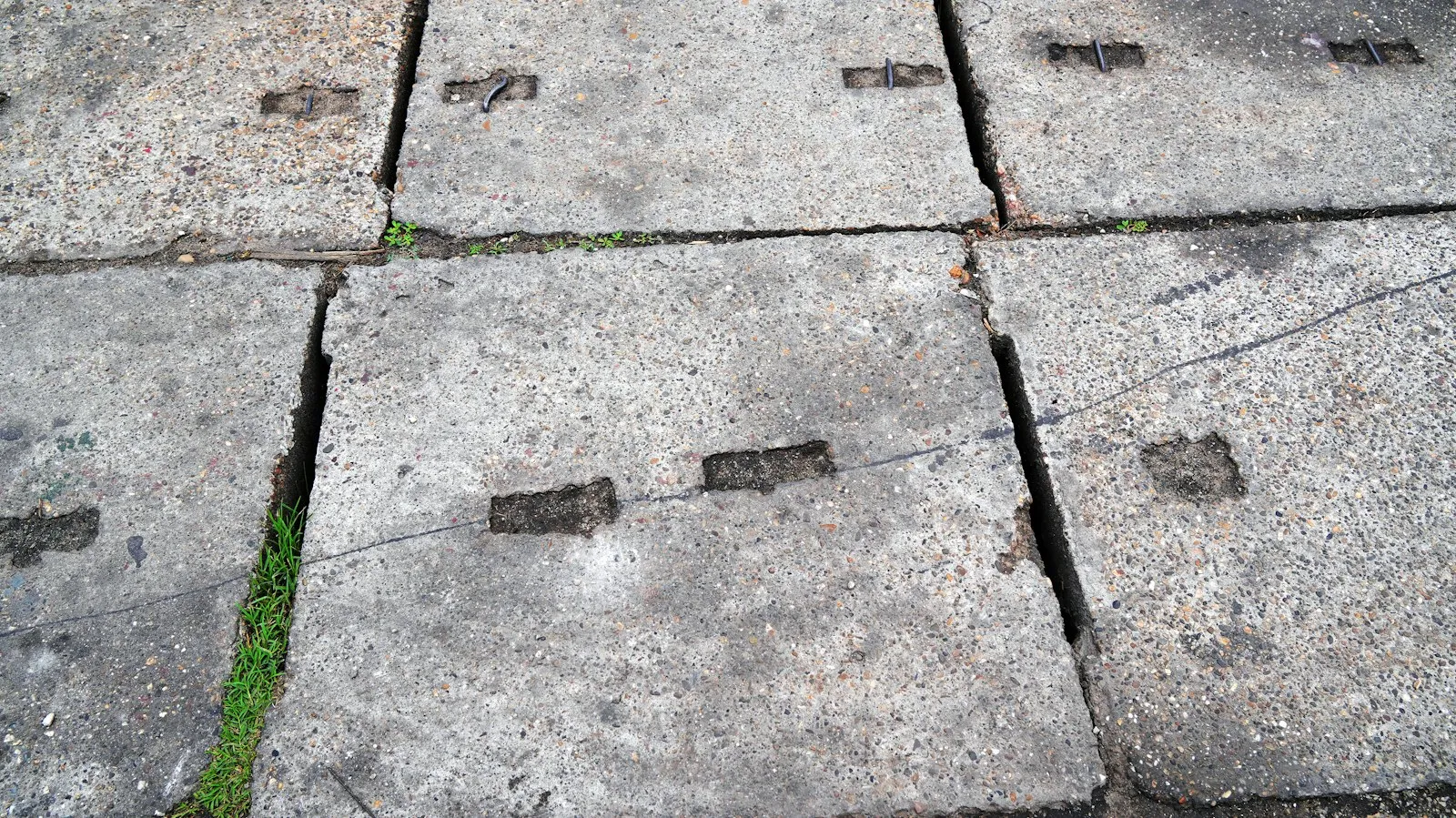
There is no magic number in New York. You will hear people mention “an inch,” but courts have rejected a strict height rule. Instead, they look at the whole picture: the width, depth and height of the defect, its shape and edges, the lighting, whether it was hidden by leaves or snow, the foot traffic, and where it sat relative to where people naturally walk.
Defendants often argue a defect was “trivial” and therefore not actionable. A small defect can still be dangerous if it acts like a trap, for example, a sharp half-inch lip at the edge of a bus stop where people look up for the Q43 instead of down at their feet. That is why measurements and photos taken from several angles, with something for scale like a coin or tape measure, are so valuable.
“What should I do in the days after I fall?”
Here is the short list we give callers:
- Get medical care first. The emergency department at Long Island Jewish Medical Center in New Hyde Park is right on the Queens–Nassau line and close to most of Bellerose. Wrist fractures, knee injuries, hip fractures, shoulder tears and head injuries are common in sidewalk falls, and some are easy to underestimate on day one.
- Photograph the defect before anyone repairs it. Get wide shots that show the house number or storefront, and close-ups with a ruler, coin, or your shoe for scale.
- Keep your shoes and clothing as they were. They can matter if the other side claims you were wearing something unsafe.
- Write down what happened while it is fresh: time, weather, lighting, where you were walking to, and anyone who helped you.
- Collect names of witnesses and neighbors. A neighbor who says “that slab has been raised for two years” can be powerful.
- Do not give recorded statements to a homeowner’s or business’s insurance company before you understand your rights.
- Call a lawyer early, especially if the fall happened in front of a one- to three-family home or at a curb, since the City may be involved.
“Will it hurt my case that I wasn’t watching where I walked?”
Probably not as much as you fear. Sidewalk falls are not motor-vehicle cases, so New York’s long-standing pure comparative fault rule under CPLR 1411 applies. If a jury decides you were partly at fault, for example 25% for looking at your phone, your damages are reduced by that percentage, not wiped out.
Update for 2026: You may have read that New York is changing its fault rules. The 2026 motor-vehicle reform package being discussed in Albany is aimed at car, truck and other motor-vehicle lawsuits. Sidewalk, slip-and-fall and other premises cases remain governed by pure comparative fault under CPLR 1411, so even a pedestrian who was partly careless can still recover a reduced amount.
That said, the insurance company will push hard on your share of the blame. Clear photos, good lighting evidence, and a straightforward account of where you were looking help keep that number realistic.
“How long do I have to bring a sidewalk accident claim?”
The answer depends on who the defendant is:
| Defendant | Key deadline |
|---|---|
| Private property owner, business or landlord | Generally 3 years from the fall under CPLR 214 |
| City of New York | Notice of Claim within 90 days; lawsuit within 1 year and 90 days |
| Other public bodies or Nassau villages and towns | Usually a short notice-of-claim period; check immediately |
| Wrongful death after a fall | Generally 2 years from the date of death |
Because you often cannot know who owns the defect until someone checks property records and occupancy, it is safest to assume the shortest deadline could apply until proven otherwise.
“What is my case worth?”
Honestly, nobody can tell you that responsibly on day one, and we will never quote a number to win your business. Value depends on the severity and permanence of your injuries, the treatment you need, time out of work, how clearly the defect can be tied to the responsible party, and the insurance available. A sprained ankle that heals in a few weeks and a hip fracture that requires surgery for a retiree on Commonwealth Boulevard are very different cases.
What we can tell you is what goes into a claim: past and future medical expenses, lost earnings and lost earning ability, and pain and suffering, including the loss of everyday things like walking to the Bellerose LIRR station, playing with grandchildren, or getting through a full shift.
“What does your firm actually do on a sidewalk case?”
When you hire Yakov Mushiyev & Associates, the work typically looks like this:
- Lock down the deadline. We identify whether the City, a homeowner, a business, a tenant, a utility or a contractor may be responsible, and file any Notice of Claim on time.
- Preserve the scene. We document the defect quickly, because sidewalks in Queens get patched, replaced, or ground down once an owner learns about a fall.
- Pull the records. Property ownership and occupancy records, DOT permits and violations, prior complaints, and repair history can show who knew what and when.
- Build the medical picture. We help you keep treatment organized and make sure your records clearly connect your injuries to the fall.
- Negotiate, and litigate when needed. Many claims resolve with an insurer. Some need to be filed in Queens County Supreme Court at 88-11 Sutphin Boulevard in Jamaica. We prepare every case as if it might go to trial.
You can read more about this practice on our premises liability page, our trip and fall page, and our Queens slip and fall lawyer page.
“Can I afford a lawyer?”
Yes. The consultation is free, and we work on a contingency basis: no fee unless we win. We can meet with you in English, Russian or Spanish, and if your injury makes travel hard, we can come to your home or the hospital, or meet by video. If you fell in Bellerose and have questions, the fastest step is a phone call to 718.775.3110 or a message through our contact page.
For broader neighborhood information, visit our Bellerose personal injury lawyer page. If your fall happened inside a store or on a wet floor rather than on the sidewalk, see our companion articles on trip and fall accidents in Bellerose and slip and fall accidents in Bellerose. Pedestrians struck by a car should read our Bellerose pedestrian accident guide.
Getting to our office from Bellerose
Our office is at 1 Cross Island Plaza, Suite 325, Rosedale, NY 11422, open Monday through Friday, 9 to 6. From Bellerose, get onto the Cross Island Parkway and head south toward the Belt Parkway. 1 Cross Island Plaza sits right off the Cross Island in Rosedale. Depending on traffic, the drive is roughly 15 to 20 minutes. If you are on crutches or recovering from surgery, just tell us, and we will arrange a home, hospital or video meeting instead.
Frequently Asked Questions
Who do I sue if I tripped on a sidewalk in front of a house in Bellerose?
It depends on the type of property. Under NYC Administrative Code §7-210, the owner of the abutting property is usually responsible, but owner-occupied one-, two- and three-family homes used only as residences are exempt, which can make the City of New York the responsible party. A lawyer can check ownership and occupancy records to figure out who the right defendant is.
Do I need a Notice of Claim for a sidewalk fall?
If the City of New York or another public entity may be responsible, yes. In most City cases, the Notice of Claim must be filed within 90 days of the fall, and the lawsuit must be started within one year and 90 days. Claims against private owners generally have a three-year deadline instead.
What if the sidewalk defect was covered by leaves or snow?
A hidden defect can actually support your case, because it made the hazard harder to see and avoid. Snow and ice on sidewalks also create separate duties for property owners to clear them within a reasonable time. Photos showing the conditions on the day of the fall are especially helpful.
Which hospital is closest if I fall in Bellerose?
Long Island Jewish Medical Center in New Hyde Park, right on the Queens–Nassau line, is the major trauma hospital near Bellerose. For serious injuries, call 911. Prompt treatment protects your health and also creates the medical record that documents your injuries.
I fell just over the line in Bellerose Village. Does NYC law still apply?
No. Bellerose Village and Floral Park are in Nassau County, so NYC’s Administrative Code does not govern those sidewalks. Village and town rules apply, and they often include their own prior written notice and notice-of-claim requirements with short deadlines. Call promptly so the right rules can be identified.
Talk to a Sidewalk Accident Lawyer in Bellerose today
A broken slab is a small thing until it breaks your wrist, your hip, or your ability to work. If you were hurt on a sidewalk in Bellerose, Glen Oaks, Queens Village or the surrounding area, talk to a Sidewalk Accident Lawyer in Bellerose before the deadlines start working against you. Call Yakov Mushiyev & Associates, P.C. at 718.775.3110 or reach out online for a free consultation. Have more general questions first? Our FAQ page covers the basics.
This article is general information, not legal advice. Attorney Advertising. Prior results do not guarantee a similar outcome.