
Few injuries come wrapped in as many misconceptions as a fall on a slippery surface. People hear one story from a neighbor, another from a store manager, and a third from an insurance adjuster, and most of what they hear is wrong. As a Slip and Fall Accident Lawyer in Bellerose, we spend a surprising amount of every first consultation untangling myths. This article does that work up front, one myth at a time.
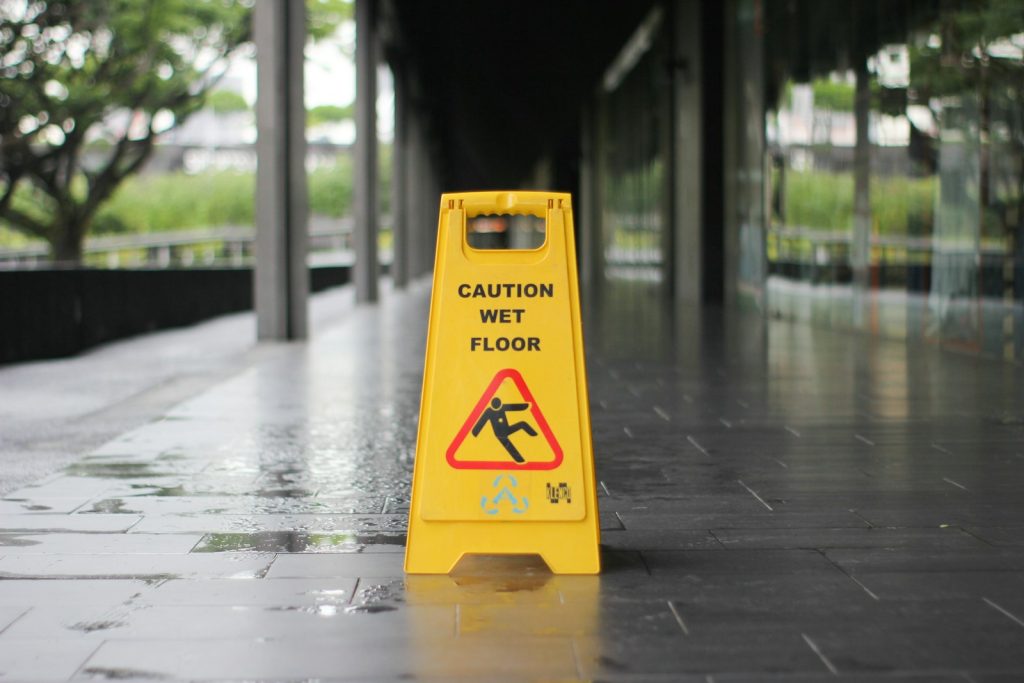
A quick definition first, because it matters. A slip and fall happens when your footing gives way on a slick surface: ice, snow, a spill, a freshly mopped floor, rainwater tracked into a lobby, oil in a parking lot. That’s different from a trip and fall, where your foot catches on something like a raised sidewalk flag or a broken step. The legal questions overlap, but the evidence and the usual defendants are often different. If you caught your toe on a defect, our trip and fall guide is the better read.
Myth 1: “If I fell on their property, they automatically have to pay.”
Fact: New York doesn’t make property owners insurers of everyone who walks in. To win a slip and fall case, you generally have to show that the owner or the business either created the slippery condition, actually knew about it, or should have known about it because it had been there long enough that a reasonable inspection would have caught it. Lawyers call these created, actual and constructive notice.
In practice, that means the most important questions are often about time. How long was the spill on the floor? When was the aisle last inspected? Was there a leak in the ceiling that staff had been putting a bucket under for a week? Those answers usually live in store records, employee testimony and surveillance video, which is why acting quickly matters.
Myth 2: “Ice is an act of God. Nobody’s responsible.”
Fact: Weather isn’t anybody’s fault, but how a property owner responds to it can be. New York courts recognize what’s called the “storm in progress” rule: owners generally aren’t required to clear snow and ice while a storm is still going, and they get a reasonable time after it ends. Once that window passes, the duty kicks in.
Many winter cases turn on what happened after the storm. An owner who shovels once and lets meltwater refreeze into a sheet of black ice across the entrance, or who piles snow where it drains across a walkway, may be responsible even days later. Weather records from the date of your fall can make or break this argument.
Myth 3: “Icy sidewalks are the City’s problem.”
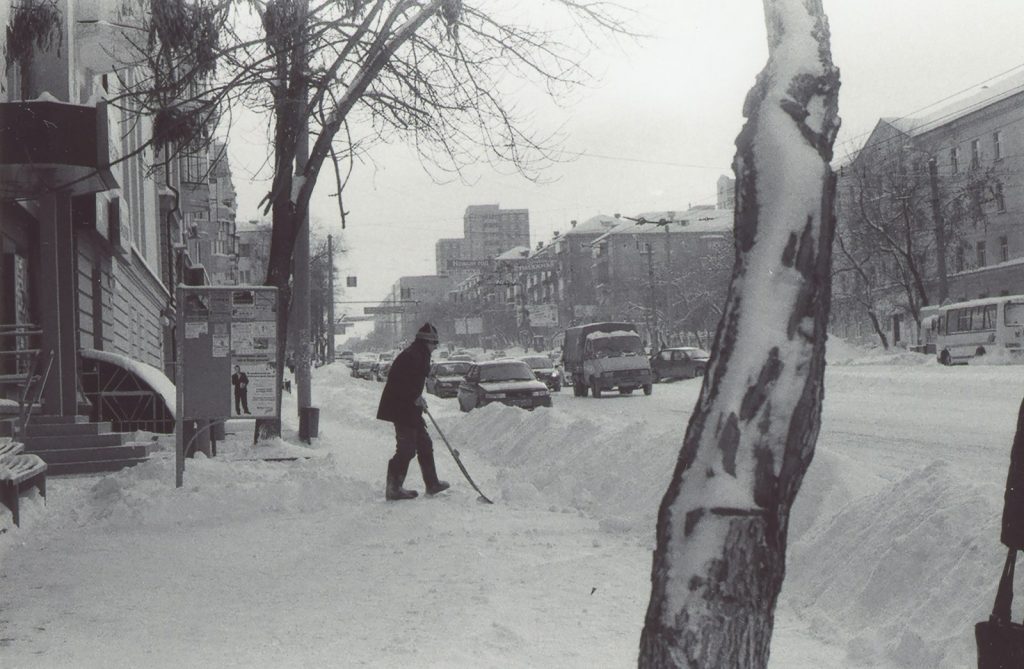
Fact: In New York City, the owner of the property next to the sidewalk is usually responsible. NYC Administrative Code §7-210 makes most abutting owners liable for failing to keep the sidewalk reasonably safe, including failing to remove snow and ice. City rules also require owners to clear snow from the sidewalk within a set number of hours after it stops falling.
There is an important exception for Bellerose, where many blocks are lined with one- and two-family houses. Owner-occupied one-, two- and three-family homes used exclusively as residences are generally exempt from §7-210 liability. When the exemption applies, the claim may run against the City instead, and that brings a strict 90-day Notice of Claim deadline under General Municipal Law §50-e. The NYC Comptroller’s claims page explains how those notices are filed.
Commercial stretches tell a different story. Storefronts along Hillside Avenue and Jamaica Avenue, apartment buildings and mixed-use properties usually aren’t exempt, so the owner (and sometimes a tenant who agreed to handle snow removal) is the likely defendant.
Myth 4: “There was a ‘Wet Floor’ sign, so I don’t have a case.”
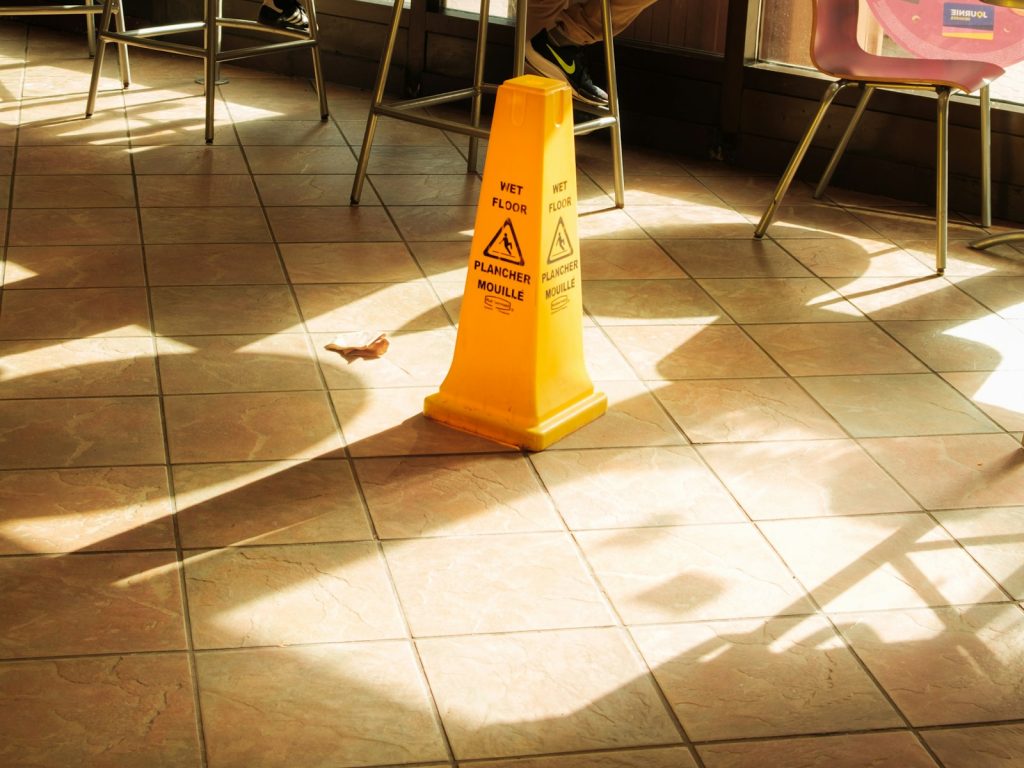
Fact: A warning sign helps the property owner, but it isn’t a magic shield. The questions are whether the sign was actually visible from where you walked, whether it was placed before or after you fell, and whether a sign was enough given the hazard. A single cone at one end of a long, soaked corridor is not the same as roping off a spill.
We also look at whether the owner did anything beyond the sign: Were mats down at the entrance on a rainy day? Was someone assigned to mop? Was the leak repaired, or just warned about? Signs are evidence, not verdicts.
Myth 5: “I wasn’t looking where I was going, so it’s my fault.”
Fact: New York uses pure comparative fault in premises cases under CPLR 1411. If a jury decides you were partly careless, your recovery is reduced by your share, but it isn’t wiped out. Someone found 30% at fault can still recover 70% of their damages.
Update for 2026: You may have read that New York changed its comparative-fault rules in 2026. Those changes, including the bar on recovery for plaintiffs more than 50% at fault, apply only to motor-vehicle lawsuits filed on or after the late-May 2026 reform. Slip and fall cases are not motor-vehicle cases, so pure comparative fault continues to apply to them.
Myth 6: “I’ve got three years, so there’s no rush.”
Fact: The general statute of limitations for personal injury in New York is three years under CPLR 214. But that’s the outer edge, not the plan. Here’s why waiting hurts:
- Store and building surveillance systems often record over footage within days or weeks.
- Ice melts, spills get mopped, and leaks get fixed, so the hazard disappears.
- Employees who saw the fall change jobs.
- Claims involving the City or another public entity require a Notice of Claim within 90 days.
- Inspection and cleaning logs are easier to demand before anyone has a reason to lose them.
Myth 7: “It was just a fall. It can’t be that serious.”
Fact: Slip and falls are one of the most common causes of serious injury we see, particularly because your feet go out from under you and you land hard on your back, hip, wrist or head. Common injuries include fractured wrists and ankles, hip fractures (especially for older adults), torn knee and shoulder ligaments, spinal disc injuries and concussions. Unlike car accident cases, a slip and fall claim doesn’t have to meet New York’s no-fault “serious injury” threshold to recover for pain and suffering.
Get checked out promptly. For many Bellerose residents, the closest major hospital is Long Island Jewish Medical Center in New Hyde Park. A delayed diagnosis isn’t just bad for your health; insurers use treatment gaps to argue that something else caused the injury.

Myth 8: “The store wrote an incident report, so the evidence is taken care of.”
Fact: The incident report belongs to the store and its insurer. You usually won’t get a copy without a lawsuit, and it’s written from their perspective. Your own evidence matters more than you think. If you’re able, or with help from a friend:
- Photograph the exact spot, including the substance on the floor and your shoes.
- Photograph any warning signs, or their absence, and the lighting.
- Note cameras pointed at the area.
- Get the names of employees and witnesses.
- Keep the clothes and shoes you were wearing, unwashed.
- Write down what any employee said, such as “we’ve been meaning to fix that leak.”
A related myth: “No-fault insurance will pay my medical bills.”
Fact: New York’s no-fault system covers injuries from motor-vehicle accidents. It doesn’t apply to a fall in a supermarket, an apartment lobby or a driveway. After a slip and fall, your medical bills usually go through your own health insurance at first, and those payments may create a lien that has to be addressed if the case later settles. Some commercial properties carry “medical payments” coverage that pays a limited amount regardless of fault, but you generally have to ask. Keeping every bill, explanation of benefits and receipt in one place makes all of this far easier to sort out later.
And if you fell in a parking lot because a driver forced you to jump out of the way, or a car was involved in any way, the rules can change. That’s one more reason to describe the whole event to your lawyer, not just the moment you hit the ground.
Myths vs. Facts at a Glance
| Myth | Fact |
|---|---|
| Any fall means the owner pays. | You generally must show the owner created, knew of, or should have known of the hazard. |
| Ice is nobody’s fault. | Owners must act within a reasonable time after a storm ends. |
| The City handles sidewalk ice. | Abutting owners usually do, except owner-occupied 1–3 family homes. |
| A warning sign ends the case. | Visibility, timing and adequacy of the warning all matter. |
| Partial fault means no case. | Pure comparative fault reduces, but doesn’t bar, recovery. |
| Three years means no hurry. | Video and evidence vanish quickly; City claims need notice in 90 days. |
| No-fault insurance will pay my bills. | No-fault applies to motor-vehicle accidents, not slip and falls. |
Myth 9: “Hiring a lawyer costs money I don’t have.”
Fact: Our consultations are free, and we work on a contingency basis: no fee unless we win. A Slip and Fall Accident Lawyer in Bellerose can tell you, often in a single conversation, whether the facts point toward a viable claim and who the right defendant is. For more about how premises cases work, visit our premises liability and Queens slip and fall pages, or see our guide to sidewalk accidents in Bellerose.
Getting to Our Office from Bellerose
You’ll find us at 1 Cross Island Plaza, Suite 325, Rosedale, NY 11422. From Bellerose, take the Cross Island Parkway south toward the Belt. The building is right off the Cross Island in Rosedale, roughly a 15 to 20 minute drive depending on traffic. If you’re in a cast or can’t travel, we’ll come to your home or hospital room, or meet by video. Our hours are Monday through Friday, 9 to 6, and we consult in English, Russian and Spanish.
Ready to Separate Fact From Fiction in Your Case?
Call Yakov Mushiyev & Associates, P.C. at 718.775.3110 or reach us through our contact page. We’ll listen to what happened, explain the law in plain terms, and tell you honestly where you stand. You can also read more on our Bellerose personal injury page.
Frequently Asked Questions
What’s the difference between a slip and fall and a trip and fall?
A slip and fall involves a slick surface such as ice, water or a spill. A trip and fall involves catching your foot on a defect or obstacle, like a raised sidewalk slab or a broken step. Both are premises claims, but the evidence and responsible parties often differ.
Who is responsible if I slipped on ice in front of a house in Bellerose?
Usually the property owner is responsible for the sidewalk under NYC Administrative Code §7-210, but owner-occupied one- to three-family homes are generally exempt. In that case the City may be the defendant, and a Notice of Claim is due within 90 days. A Slip and Fall Accident Lawyer in Bellerose can determine which applies.
Can I still recover if I was wearing the wrong shoes or looking at my phone?
Possibly. Under New York’s pure comparative fault rule, your own carelessness may reduce your recovery, but it doesn’t automatically eliminate it in a slip and fall case.
Does my case have to be filed in Queens?
A fall in Bellerose is commonly filed in Queens County Supreme Court at 88-11 Sutphin Boulevard in Jamaica. A fall just across the line in Bellerose Village or Floral Park, which are in Nassau County, may involve different courts and local notice rules.
What should I do right after a slip and fall?
Get medical care, report the fall to the owner or manager, photograph the hazard and your injuries, collect witness names, and keep your shoes and clothing. Then call a lawyer before giving a recorded statement to any insurer.
This article is general information, not legal advice. Attorney Advertising. Prior results do not guarantee a similar outcome.