
Woodside runs on connections. The 7 train thunders overhead, the Long Island Rail Road pulls in right underneath it, and every few seconds a phone somewhere near 61st Street pings with “Your Lyft is arriving.” That constant churn of riders, doors and quick curbside stops is exactly why Lyft crashes happen here. If you were hurt in one, as a passenger, a pedestrian, a cyclist or another driver, Yakov Mushiyev & Associates, P.C. is the Lyft accident lawyer Woodside residents and commuters can call today. We sort out which insurance pays, lock down the app evidence, and keep every 2026 deadline on track. The consultation is free, and there is no fee unless we win. Call 718.775.3110 any hour; phone intake never closes.
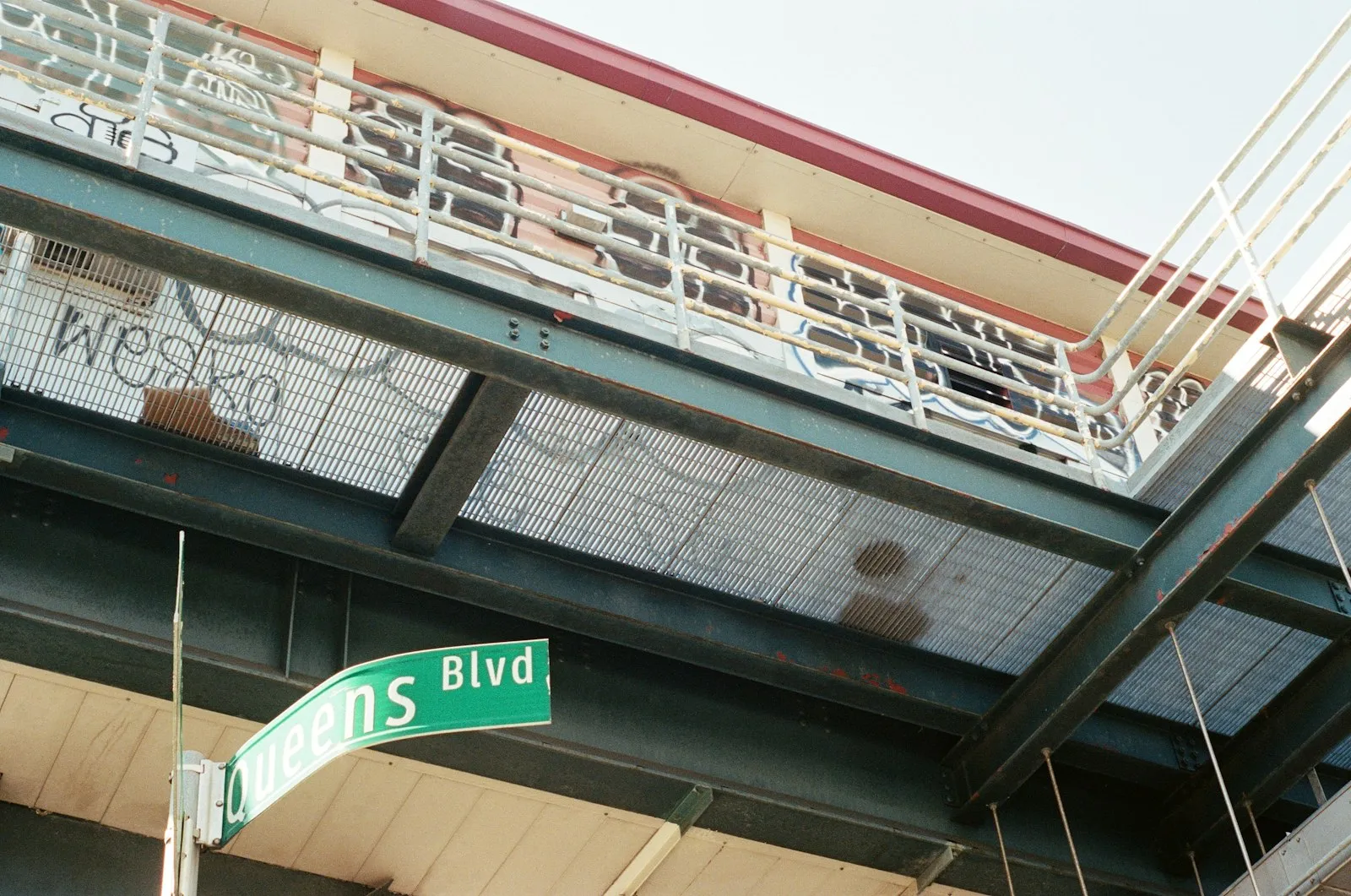
Train Meets Curb: Where Woodside Lyft Trips Go Wrong
Think about how a typical Lyft ride starts in Woodside. Somebody steps off the LIRR or comes down the stairs from the 7, opens the app, and drops a pin. The driver now has to find that rider on a block packed with buses, delivery vans, double-parked cars and people. Every one of those moments, from the approach to the stop to the pull-away, creates a chance for a collision.
The trouble spots we hear about most look like this:
- Roosevelt Avenue under the el. Steel support columns split the street, block sight lines and squeeze lanes. A Lyft driver hunting for a rider can drift, brake hard or swing toward the curb without much warning.
- The 61st Street transfer corner. Subway and LIRR riders pour out at the same time, and app cars stack up to meet them.
- Queens Boulevard. Wide, fast and multi-lane, with long crossings for pedestrians and frequent lane changes by drivers checking a map.
- The BQE ramps. Cars leaving the Brooklyn-Queens Expressway hit local streets at highway speed.
- Northern Boulevard and Woodside Avenue. Busy connectors where drivers heading toward Manhattan or LaGuardia Airport make quick stops and turns.
A Lyft crash also carries a twist that ordinary fender-benders do not: the driver works through an app, drives a TLC-licensed car, and carries commercial insurance. That changes who pays and what proof you need.
Who Pays After a Lyft Crash in Woodside?
Here is the single most misunderstood point about rideshare cases in the city. Inside New York City, a Lyft car is a TLC-licensed for-hire vehicle. The driver holds a TLC driver license, the car carries TLC plates, and the insurance has to meet the NYC Taxi and Limousine Commission minimums. New York’s statewide rideshare law, which sets a higher liability requirement while a passenger is aboard, exempts cities of 1 million or more people. So for a trip that starts in Woodside, the TLC numbers control.
| Coverage | Lyft trip starting in Woodside (TLC rules) | Lyft trip starting in Nassau, e.g. Valley Stream |
|---|---|---|
| No-fault (PIP) | $100,000 per person since March 1, 2026 | Set by the state rideshare rules |
| Liability | $100,000 per person / $300,000 per occurrence minimum | $1.25 million while a passenger is aboard, under the statewide rideshare rule for trips outside NYC |
| Who regulates the car | NYC Taxi and Limousine Commission | New York State rideshare law |
The TLC’s required PIP for for-hire vehicles was cut from $200,000 to $100,000 per person effective March 1, 2026, under a TLC rule implementing Local Law 90 of 2025. A crash before that date may still fall under the policy that was in force at the time, so the accident date matters.
Is There More Coverage Than the Minimum?
Possibly. Lyft may carry additional coverage above the TLC minimums on some trips. Whether it applies, and how much, has to be confirmed from the insurer and the trip record. That is why the driver’s app status at the moment of the crash (app off, waiting for a request, driving to a pickup, or passenger aboard) is one of the first things we pin down. When another driver caused the crash and has little insurance, your own supplementary uninsured/underinsured motorist (SUM) coverage, or a household relative’s, may also come into play.
Rider, Walker, Biker or Driver: Your Seat Shapes the Claim
New York is a no-fault state. Under Insurance Law § 5102, Personal Injury Protection pays medical bills, lost earnings and other basic economic loss regardless of who caused the crash. Where that PIP comes from depends on where you were.
In the Back Seat of the Lyft
Passengers generally file no-fault with the insurer of the vehicle they were riding in, which means the Lyft car’s commercial policy. If your injuries meet the serious-injury threshold, you can also pursue whichever driver caused the crash: the Lyft driver, another motorist, or both. Rider fault is rarely an issue for a passenger, which keeps the focus on the drivers.
On Foot or on a Bike
Hit by a Lyft car while crossing Roosevelt Avenue or riding along Woodside Avenue? Pedestrians and cyclists generally claim PIP from the vehicle that struck them. Here the 2026 fault rule matters more, because insurers often argue that a walker or rider shares the blame.
Behind the Wheel of Another Car
If a Lyft driver cut you off near a BQE ramp, your own policy usually handles your no-fault benefits, and a serious injury opens a claim against the Lyft driver and the car’s owner.
Driving for Lyft Yourself
Lyft drivers in NYC hurt on the job are generally covered for their own work injuries through the New York Black Car Fund. That is separate from a passenger’s claim, and a third-party claim against another at-fault driver may also be possible.
The Lyft Evidence Checklist
Your phone is a witness. Treat it like one.
- Screenshot the ride receipt and the trip details: trip ID, start and end times, and the route.
- Capture the driver’s name and plate exactly as the app shows them.
- Report the crash in the Lyft app and to the police. Both reports create a record.
- Do not delete the app or your account, even if you never want to ride again.
- Photograph the scene: the cars, the TLC plate, the nearest cross street or el column, and your injuries.
- Note the businesses nearby. Storefronts along Roosevelt Avenue may have cameras pointing at the street.
- Get medical care fast and keep every record, bill and receipt.
A screenshot takes five seconds. Rebuilding a trip record months later can take far longer. Save it before you do anything else.
Want a deeper dive on curbside crashes around the station? Read our blog post on Lyft accidents at Woodside’s train hub. Hurt in a yellow or green cab instead? See our Woodside taxi accident page.
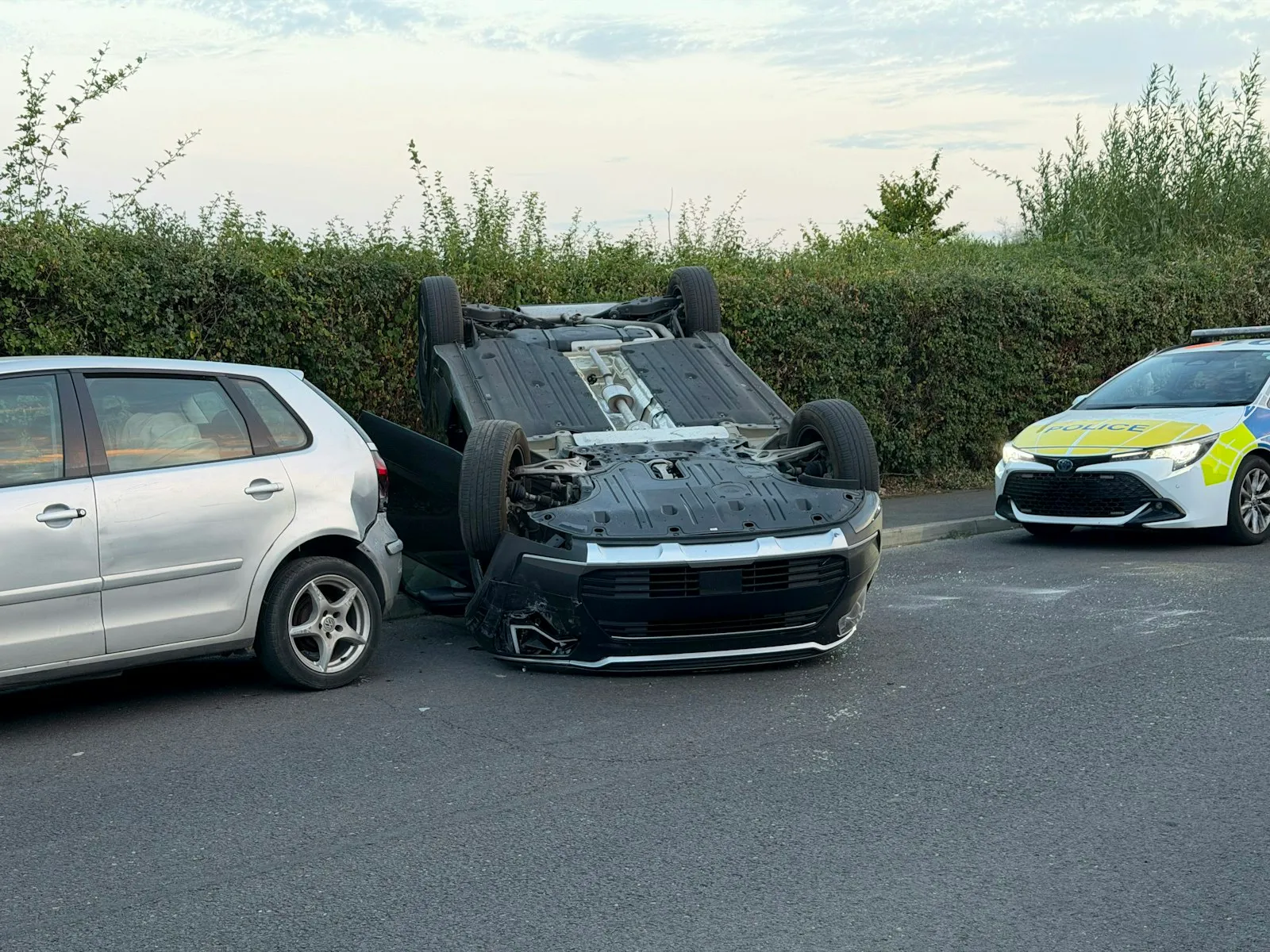
2026 Rule Changes Every Lyft Rider Should Know
This year rewrote several parts of New York car-accident law. Four changes stand out:
- Lower TLC PIP. $100,000 per person on TLC vehicles, including Lyft cars, since March 1, 2026.
- A shorter serious-injury list. The 2026 budget removed one category, leaving eight: death; dismemberment; significant disfigurement; fracture; loss of a fetus; permanent loss of use of a body organ, member, function or system; permanent consequential limitation of use of a body organ or member; and significant limitation of use of a body function or system.
- A fault cutoff. Under CPLR 1411(b), in motor-vehicle injury lawsuits filed on or after May 26, 2026, a claimant whose fault is greater than the defendant’s (or all defendants’ combined) recovers nothing. At 50% or less, the award is reduced proportionally. This applies regardless of the accident date.
- Fault first, plus a cap. The fact-finder now decides fault before serious injury. A $100,000 cap on non-economic damages applies to an at-fault claimant who was driving uninsured (with a lapse-under-30-days exception), was convicted of impaired driving, or was convicted of a felony committed while driving. It does not cap economic damages, other people’s claims or wrongful death.
Your Clock Is Running
- 30 days: submit your no-fault application to the right insurer.
- 90 days: serve a notice of claim if a City or MTA vehicle was involved, such as a bus on Roosevelt Avenue.
- 2 years: file a wrongful death action, which New York still limits to pecuniary losses.
- 3 years: file a personal injury lawsuit under CPLR 214(5).
The 30-day window is the one that trips people up. For plain-language insurance basics, the New York Department of Financial Services publishes consumer guidance on auto insurance.
Top Destination: Roosevelt Avenue, Woodside Station and Doughboy Park
If Woodside has a center of gravity, it is the corner where Roosevelt Avenue meets 61st Street. Upstairs sits the 61st Street–Woodside stop on the 7, an express stop. Downstairs and next door is the LIRR’s Woodside station, where railroad trains run toward Penn Station and Grand Central Madison in one direction and out toward Long Island in the other. Commuters switch lines here, travelers with suitcases look for a ride to LaGuardia, and diners head for the restaurants tucked under the tracks. All of that makes it a magnet for Lyft requests.
How the curb works around the hub:
- Pickups: Riders drop pins right at the station stairs, so cars stop in travel lanes on Roosevelt Avenue instead of waiting for a legal space.
- Drop-offs: A rider racing for a train asks to hop out mid-block, and the rear door opens into a cyclist or a passing car.
- Exits: Drivers leaving with a new passenger head for Queens Boulevard, Woodside Avenue or the BQE, often turning across busy crosswalks.
A short walk away on Woodside Avenue, Doughboy Park is the neighborhood’s breather, a small city park known for its World War I memorial statue. Lyft traffic there is lighter, mostly residents getting dropped off on side streets, but cars cutting between Woodside Avenue and the bigger roads still pass close to people heading to and from the park.
Why Pick Mushiyev Law as Your Lyft Accident Attorney
You want a Lyft accident attorney who already knows the rules that changed this year and the streets where your crash happened. Here is what working with us looks like:
- A Queens firm. Our office is at 1 Cross Island Plaza in Rosedale, and we take cases from every corner of the borough.
- Your language. Consultations in English, Russian and Spanish.
- We travel. Home, hospital and video visits if getting to us is hard.
- No upfront cost. No fee unless we win.
- Rideshare know-how. We chase the TLC insurer, the trip record and the driver’s app status, not just the police report.
Looking for a Lyft accident lawyer in Queens beyond Woodside? Our Queens accident lawyer hub covers the whole borough, including neighbors Sunnyside and Jackson Heights. For collisions of every kind, see our car accident practice.
Lyft Accident FAQs
Does the $1.25 million statewide rideshare policy cover my Woodside ride?
Usually not. That figure comes from the state rideshare rule, which applies to trips that start outside NYC, such as a ride from Elmont. A Lyft trip that starts in Woodside falls under TLC minimums: $100,000 per person and $300,000 per occurrence in liability, plus $100,000 per person in PIP.
Who handles my medical bills if I was the Lyft passenger?
Your no-fault application generally goes to the insurer of the Lyft car you were riding in. File it within 30 days of the crash.
Can I sue the Lyft driver for pain and suffering?
Yes, if your injury fits one of the eight serious-injury categories in Insurance Law § 5102(d) and the driver was at fault. If another motorist caused the crash, the claim may run against that driver instead, or both.
A Lyft car hit me while I was walking. Does my fault matter?
It can. For lawsuits filed on or after May 26, 2026, you recover nothing if your fault is greater than the defendant’s. At 50% or less, your award is reduced by your share.
I drive for Lyft and got hurt. Where do I turn?
Your own work injuries are generally handled through the New York Black Car Fund. If another driver caused the crash, you may also have a separate claim against that driver.
Should I talk to Lyft’s insurer before calling a lawyer?
Report the crash in the app and file your no-fault paperwork on time, but think twice before giving a recorded statement about fault. A quick call to us first costs nothing.
About Woodside: Local FAQs
How do I get to Woodside by train?
Take the 7 to 61st Street–Woodside or 69th Street, or ride the LIRR to Woodside station, which sits beside the 61st Street stop.
Which neighborhoods surround Woodside?
Sunnyside to the west, Jackson Heights to the east, Astoria to the north, Maspeth to the south and Elmhurst to the southeast.
What ZIP code covers Woodside?
The main Woodside ZIP code is 11377.
Which hospital is nearby?
NYC Health + Hospitals/Elmhurst, in neighboring Elmhurst, is a major public hospital close to Woodside. In an emergency, call 911.
Where would a Woodside Lyft case be filed?
Woodside is in Queens County, so injury suits typically go to Queens County Supreme Court in Jamaica. The New York State Unified Court System lists court information.
Where is the safest place to meet a Lyft near the station?
Set your pin on a side street off Roosevelt Avenue rather than directly under the tracks, wait on the sidewalk, and exit on the curb side once the car has fully stopped.

Hurt in a Woodside Lyft? Get Your Free Case Review
Do not let the 30-day no-fault deadline sneak past you. Call 718.775.3110 day or night, or send us a message for a free case review. Our office is at 1 Cross Island Plaza, Suite 325, Rosedale, NY 11422, open Monday through Friday, 9 to 6, and we will come to you in Woodside if you cannot travel. Curious how cases resolve? Visit our settlements page.
Attorney Advertising. This is general information about New York law, not legal advice. Reading this page does not create an attorney-client relationship, and every case depends on its own facts. Prior results do not guarantee a similar outcome.